
A staff shirt that looks sharp for one campaign but cracks after a few washes is not a cost saving. Neither is paying for a print method built for 2,000 pieces when you only need 30. When comparing dtg versus screen printing, the right answer starts with your artwork, garment, order quantity, and how the apparel will be used.
For organizations ordering uniforms, event shirts, promotional apparel, or teamwear, print selection affects more than appearance. It influences unit cost, color consistency, production timing, and the way your brand is perceived long after distribution day. Both methods can produce excellent results when matched to the correct job.
DTG Versus Screen Printing: The Core Difference
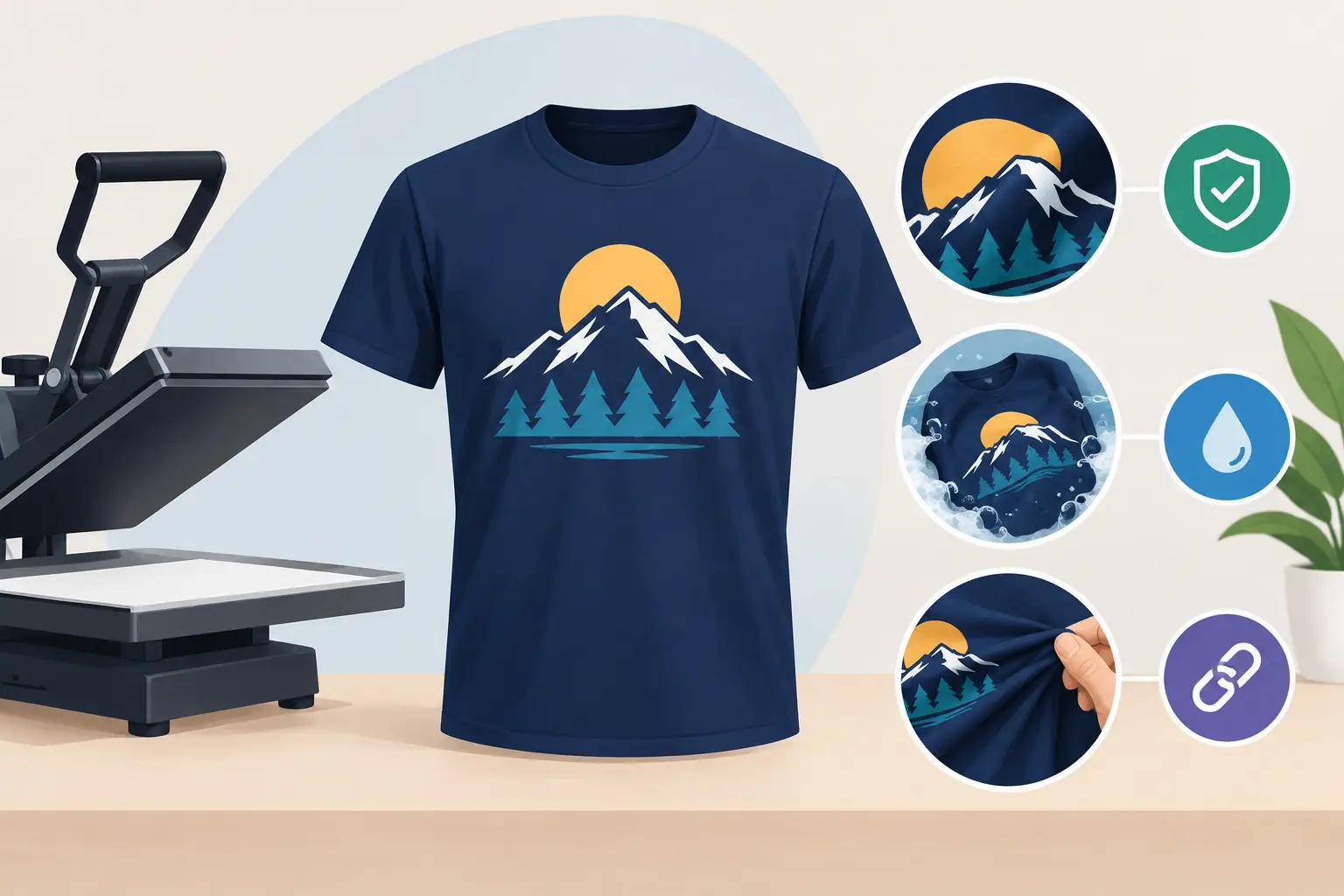
Direct-to-garment printing, commonly called DTG, applies water-based ink directly onto the garment using a specialized printer. Think of it as a high-resolution digital image printed into the fibers of the shirt. It is especially effective for detailed artwork, photographs, gradients, and designs with many colors.
Screen printing uses a separate screen for each ink color in the design. Ink is pressed through the screen onto the garment layer by layer, then cured to create a durable print. It is a proven production method for clean logos, bold graphics, and larger-volume orders.
The distinction matters because DTG has little to no per-color setup, while screen printing requires screens, color separation, and setup before the first garment is printed. That makes DTG more flexible for small runs and complex full-color art. Screen printing becomes increasingly cost-effective as quantities rise, particularly when the design uses a limited number of colors.
When DTG Is the Better Choice
DTG is often the practical choice when your design has visual complexity that would be costly or difficult to reproduce with individual screens. A marketing team may have a campaign graphic with a full-color illustration, soft shadows, color fades, and photographic elements. A school club may want individual names or unique artwork on a small batch of shirts. In these cases, DTG keeps the artwork intact without charging a separate setup for every color.
It also suits lower quantities. If you need a short run for a product launch, staff appreciation gift, influencer kit, or test event, DTG can reduce the commitment required to get a polished result. The print has a soft feel when applied correctly, especially on suitable cotton garments, because the ink is absorbed into the fabric rather than sitting heavily on top.
DTG performs best on cotton-rich apparel. White and light-colored garments are generally the most straightforward because they do not need a white ink base beneath the design. On dark garments, a white underbase is usually printed first so the artwork remains vivid. This adds process time and can affect the final hand feel, but it makes high-detail full-color designs possible on black, navy, and other dark shirt colors.
There are trade-offs. DTG is not automatically the lowest-cost option for large bulk orders. It is also less suitable for certain fabric blends, performance fabrics, or garments with water-resistant finishes. A detailed design may look excellent on a premium ring-spun cotton T-shirt but behave differently on a polyester work shirt. The garment specification should be confirmed before production, not after artwork approval.
Best DTG applications
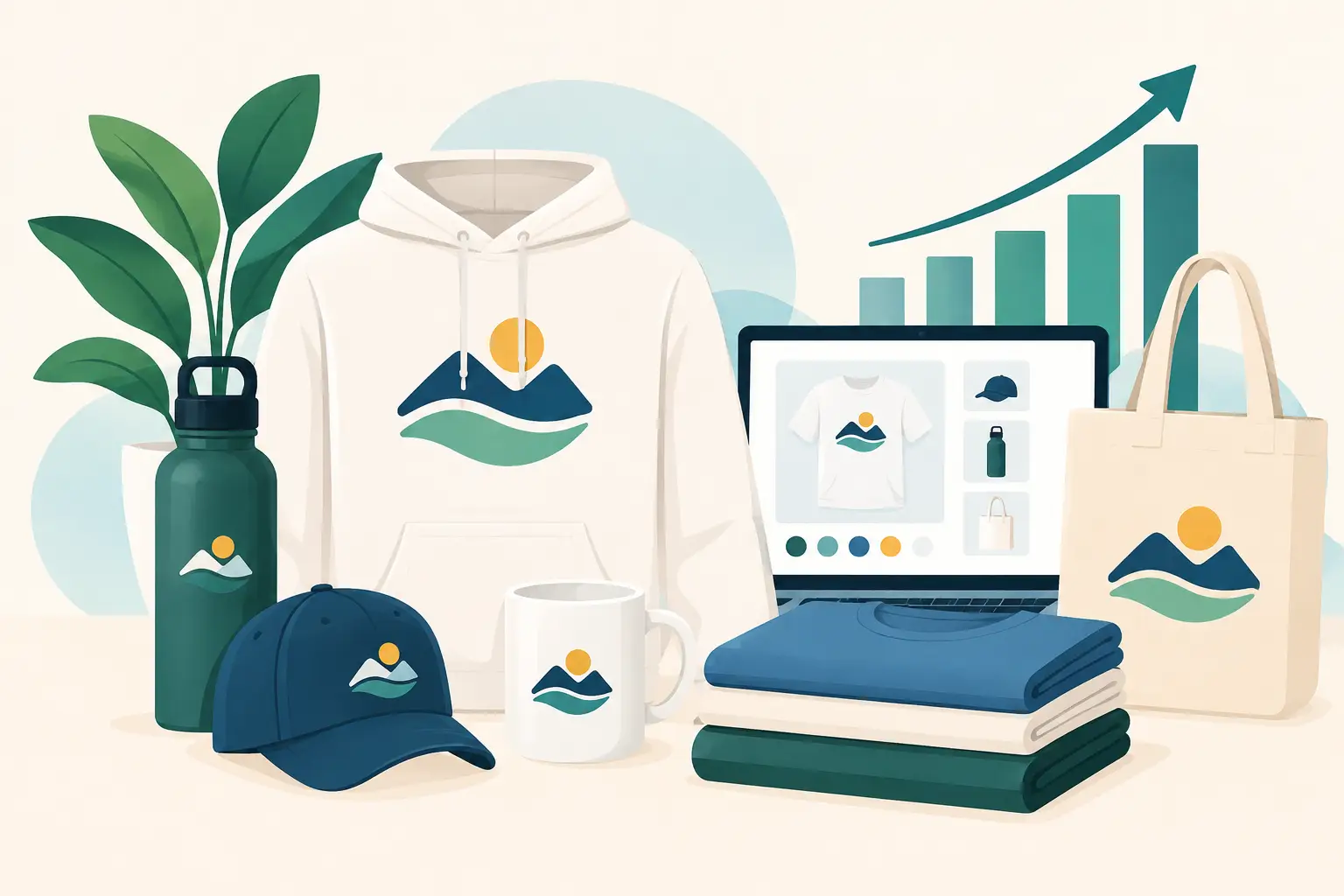
DTG is a strong fit for short-run branded apparel, photo-based designs, multicolor event merchandise, personalized shirts, and artwork where subtle color transitions matter. It is also useful when you need several design variations without committing to separate screen setups for each version.
When Screen Printing Is the Better Choice
Screen printing is built for repeatability. For organizations ordering hundreds or thousands of shirts with the same chest logo, back graphic, or event identity, it offers consistent color, dependable durability, and strong value at volume.
A two-color logo on 500 cotton tees is a classic screen printing project. Once the screens are prepared, the same design can be printed efficiently across the order. The setup cost is spread over more garments, bringing down the cost per piece. This is why screen printing remains a preferred method for staff uniforms, company outings, school programs, sports supporter shirts, roadshows, and promotional giveaways.
The ink coverage can also be an advantage. Screen-printed colors are vivid, opaque, and highly visible from a distance. That matters for event crew shirts, safety messaging, large back prints, and bold corporate branding. Specialty inks can add further options, including metallic, puff, reflective, or high-density effects, depending on the artwork and garment.
Screen printing works across a broader range of fabrics than DTG. It can be used on cotton, cotton blends, and many polyester garments, with the correct ink system and production process. For performance apparel, dye migration must be considered. Some polyester fabrics can release dye under heat, causing a light print to discolor. Experienced production planning accounts for this with suitable inks, curing controls, and pre-production checks.
Screen printing does have limits. Each color usually requires its own screen, so a 10-color design demands more setup than a simple one-color logo. Fine photographic detail and smooth gradients are possible with advanced techniques, but they may not be the most efficient solution. For a small order with a complex image, DTG is often the more sensible route.
Best screen printing applications
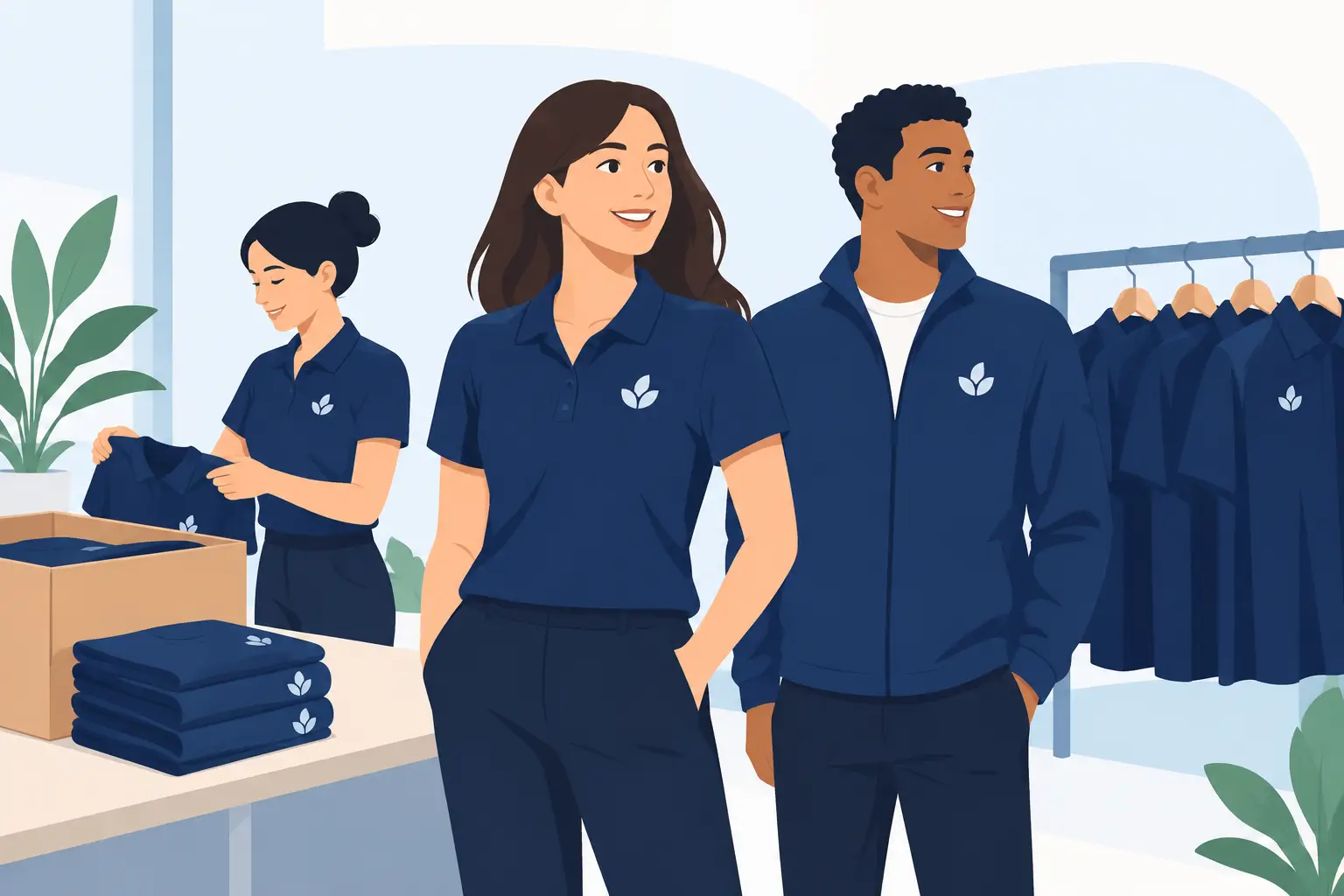
Screen printing is ideal for bulk uniform programs, repeated corporate orders, large event runs, straightforward logo designs, bold spot-color artwork, and projects where long-term durability and cost control are the priority.
How Quantity Changes the Print Decision
Quantity is one of the clearest dividing lines between the two methods, but it should not be used alone. A small order of 20 shirts with a one-color logo may still work well with screen printing if the design needs a particularly bold finish. A 300-piece order with a detailed full-color image may still favor DTG if preserving the artwork is more valuable than lowering the cost per unit.
As a general buying principle, DTG tends to be more efficient for short runs, multiple design versions, and artwork with many colors. Screen printing gains an advantage as the number of garments increases and the design remains consistent.
For procurement teams, the best question is not simply, “Which method is cheaper?” Ask: “Which method gives us the right result at our required quantity, on our chosen garment, within our delivery schedule?” That is the comparison that protects both your budget and your brand standards.
Artwork, Color, and Brand Consistency
Brand colors deserve special attention. Screen printing is particularly strong for solid logo colors because inks can be mixed to match specified brand references. If your organization relies on a recognizable red, blue, or green across uniforms and promotional items, spot-color screen printing offers control and consistency.
DTG reproduces color through a digital process, making it excellent for rich illustrations and photographic images. However, color can vary based on garment color, fabric composition, pretreatment, and the white underbase used on dark garments. A supplied digital file is a starting point, not a guarantee that every fabric will display color in exactly the same way.
For either method, submit clean artwork whenever possible. Vector files are preferred for logos and simple graphics, while high-resolution raster files are appropriate for photos and detailed digital art. Production teams should review print size, placement, color expectations, and garment type before the order moves forward. That approval stage prevents avoidable surprises.
Print Feel, Durability, and Wearability
A print should match the role of the garment. A lightweight retail-style tee may benefit from the softer feel of DTG. A work shirt worn frequently and washed often may benefit from a durable screen-printed logo. Neither method is universally better. Proper garment selection, correct curing, and appropriate wash care are what support performance over time.
Screen prints can have more texture, especially with larger solid areas or multiple ink layers. DTG generally feels lighter on the fabric, although dark-garment prints with a white base can have more noticeable coverage. For uniforms, comfort matters as much as visual impact. A large heavy print across the back of a shirt may not be ideal for employees working outdoors or moving throughout a long shift.
Choosing the Right Method for Your Order
Start with the garment and the job it must do. For a corporate polo, workwear piece, or performance jersey, fabric compatibility should guide the decoration method. For a campaign T-shirt with detailed illustration work, begin with the artwork. For a large annual event, start with quantity and distribution requirements.
Then consider whether the design will be reordered. A recurring uniform program with the same logo may benefit from screen printing’s production efficiency. A limited-edition event design with variable names, artwork versions, or photo-quality visuals may benefit from DTG’s flexibility.
At Green Cotton, production planning is not treated as an afterthought. The goal is to match the garment, decoration method, artwork, quantity, and deadline before printing begins. Your identity is carried by every piece your team wears, gives away, or places in front of customers. Choose the method that lets it show up clearly, consistently, and ready for the work ahead.