
The busiest event booths usually have one thing in common: people leave with something they actually want to keep. That is the difference between wasted giveaway spend and smart brand exposure. If you are choosing the best promotional items for events, the goal is not to hand out the most products. It is to put the right product in the right hands, with branding that still looks good a week later.
For procurement teams, marketers, HR departments, and event organizers, that decision affects more than booth traffic. It impacts brand perception, budget efficiency, and how smoothly your event materials come together. A giveaway that feels useful and well made supports your message. One that looks generic or breaks quickly does the opposite.
What makes the best promotional items for events?
The strongest event merchandise does three jobs at once. It attracts attention during the event, stays useful after the event, and represents your brand accurately. That sounds simple, but it is where many orders go off track.
A cheap item with a large logo may seem cost-effective at first, but low perceived value can hurt response rates. On the other hand, a premium gift can be the right move for VIP audiences, client appreciation events, or executive conferences, but too expensive for mass distribution. The best choice depends on who is attending, how many units you need, and what action you want the item to drive.
In practical terms, the best event giveaways usually share five traits: they are easy to distribute, useful in real life, appropriate for your audience, aligned with your brand image, and realistic for your production timeline. If one of those factors is missing, even a popular product can underperform.
12 best promotional items for events
1. Custom T-shirts
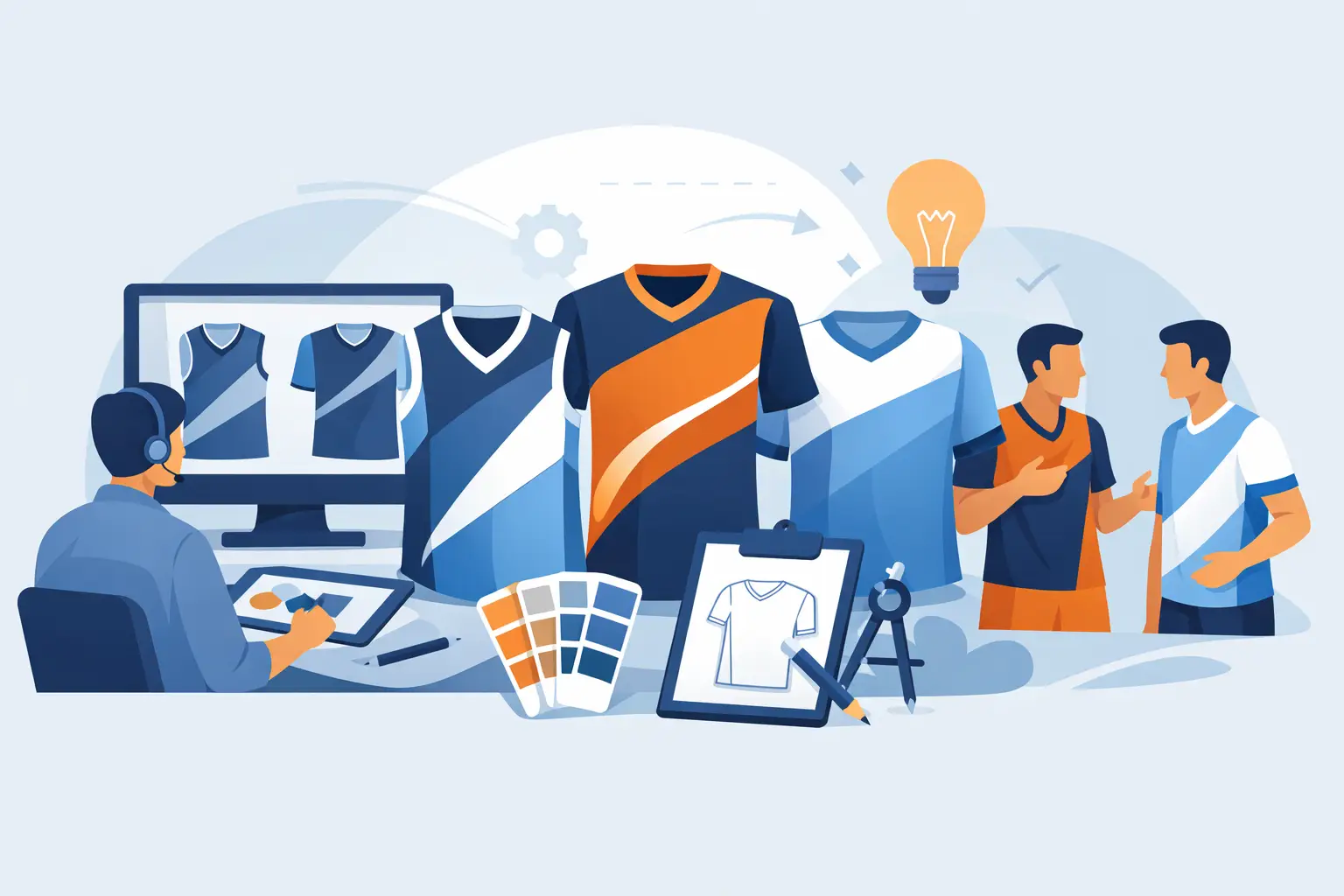
A branded T-shirt remains one of the highest-visibility promotional items because it turns the recipient into a walking impression. It also works in more than one direction. Staff can wear matching shirts for a polished on-site look, while giveaway shirts can extend your reach after the event.
The trade-off is production planning. Sizing, fabric selection, print placement, and quantity mix all need to be decided early. If you want a shirt people will actually wear, soft fabric, clean branding, and accurate sizing matter more than adding oversized graphics everywhere.
2. Polo shirts
For conferences, corporate functions, school events, and trade exhibitions, polo shirts often fit better than casual tees. They look more structured, carry embroidery well, and suit staff uniforms, sponsor teams, or premium guest kits.
Polos are especially effective when your audience includes decision-makers. They signal a more professional brand standard, which matters when appearance is part of the experience.
3. Tote bags
Tote bags are one of the most dependable event items because they solve an immediate problem. Attendees need something to carry brochures, samples, notebooks, and personal items. If your bag is strong, comfortable, and well printed, it stays in use long after the event.
This is also one of the easiest products to customize across different budgets. A basic cotton tote works for large-volume campaigns. A heavier fabric or upgraded finish suits premium launches and conference packs.
4. Caps
Caps perform well at outdoor events, sports days, roadshows, school activities, and company team events. They offer practical value, broad size flexibility, and strong visual branding. Unlike some giveaway apparel, there is less sizing complexity, which simplifies ordering.
Embroidery is often the better decoration choice here because it adds durability and a more finished look. The key is keeping the logo placement balanced. Too much branding can make the cap feel promotional in the wrong way.
5. Travel bags and duffel bags
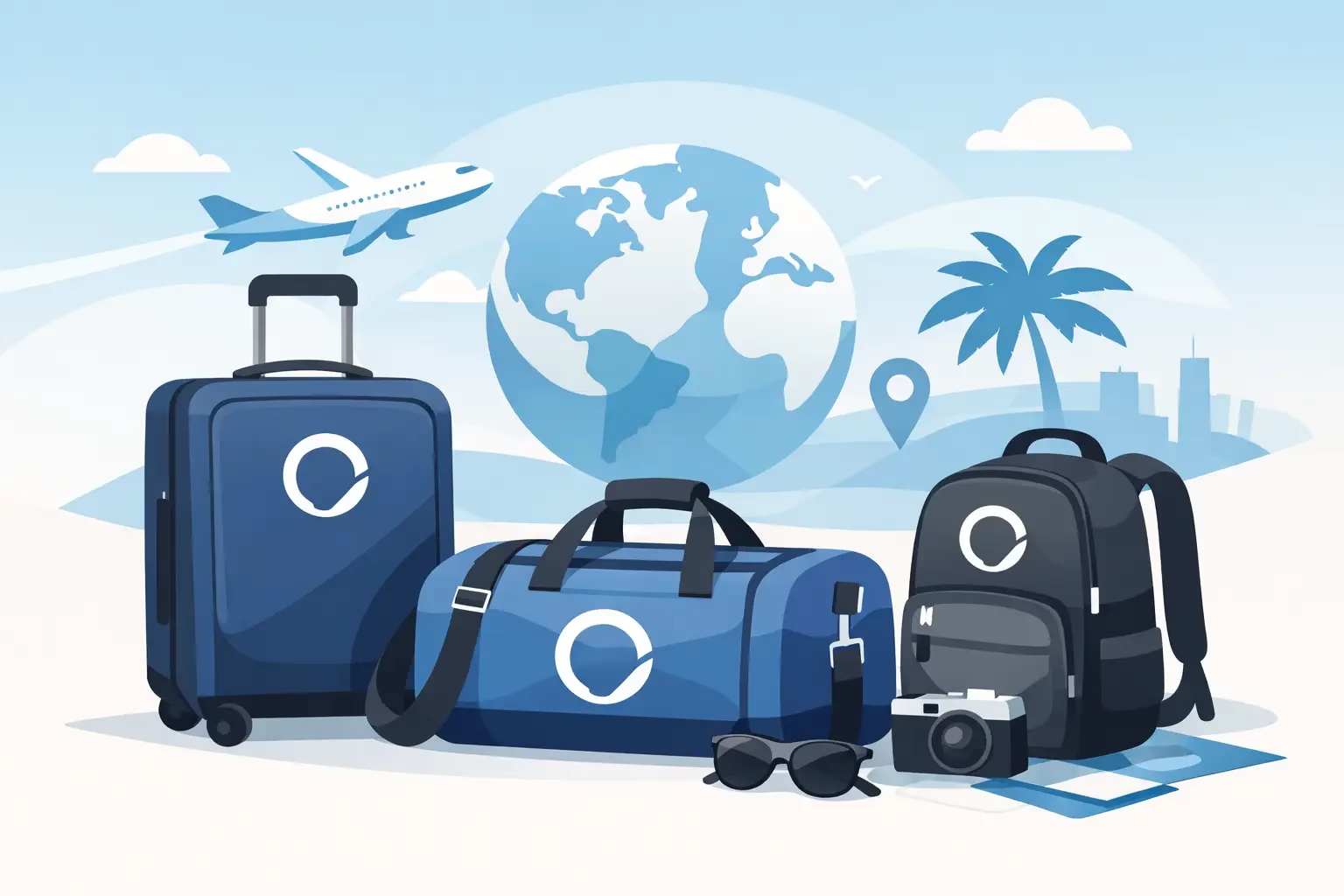
If your event targets clients, teams, or employees rather than general walk-up traffic, travel bags have excellent perceived value. They work well for incentive programs, sports tournaments, onboarding kits, and executive events.
These are not impulse giveaways, and they should not be treated like one. They are best used when you want fewer units with stronger impact. Done properly, a branded travel bag can support your brand for months or years.
6. Drinkware
Water bottles and tumblers continue to perform because they are practical across almost every audience. Office staff, students, conference attendees, and fitness participants all use them. That broad appeal makes drinkware a safe choice when your attendee mix is varied.
Still, quality matters. Lids, insulation, print durability, and material finish all affect whether the item stays in use or ends up forgotten.
7. Notebooks
A notebook is simple, but that is part of its strength. It works in seminars, internal meetings, training events, education settings, and business conferences. It is easy to pack into registration kits and pairs well with pens, pouches, or apparel.
Notebooks are most effective when the design feels intentional. Cover material, paper quality, and branding style can move the product from ordinary to professional without making it overly expensive.
8. Pens
Pens are still relevant because they are affordable, portable, and easy to distribute in bulk. They are especially useful when your event requires high unit counts and fast hand-to-hand distribution.
That said, pens should be selected carefully. A pen that writes poorly reflects poorly on the brand. If you choose this category, prioritize writing quality over squeezing costs too far down.
9. Lanyards and badge accessories
At organized events, lanyards serve both function and branding. They help attendees manage access while placing your brand at eye level throughout the venue. For exhibitions and conferences, this can create repeated exposure without extra effort.
They are not exciting on their own, but they are highly practical. For many event planners, that makes them one of the smartest supporting items rather than the headline giveaway.
10. Pouches and organizers
Small zip pouches, cable organizers, and accessory cases are useful for modern attendees because they fit work, travel, and daily carry habits. They also offer a clean branding surface and feel more premium than many low-cost giveaways.
These products work particularly well for corporate audiences who value utility over novelty. They are also easier to bundle into event kits with notebooks, chargers, or stationery.
11. Workwear or team uniforms
For some events, the best promotional item is not a giveaway at all. It is what your own team wears. Branded workwear, uniforms, or coordinated event apparel improve visibility, help attendees identify staff quickly, and create a stronger, more organized brand presence.
This is especially important for launches, public campaigns, school functions, and large-scale activations where staff presentation affects trust. If your front line looks prepared, your brand feels prepared.
12. Premium gift sets
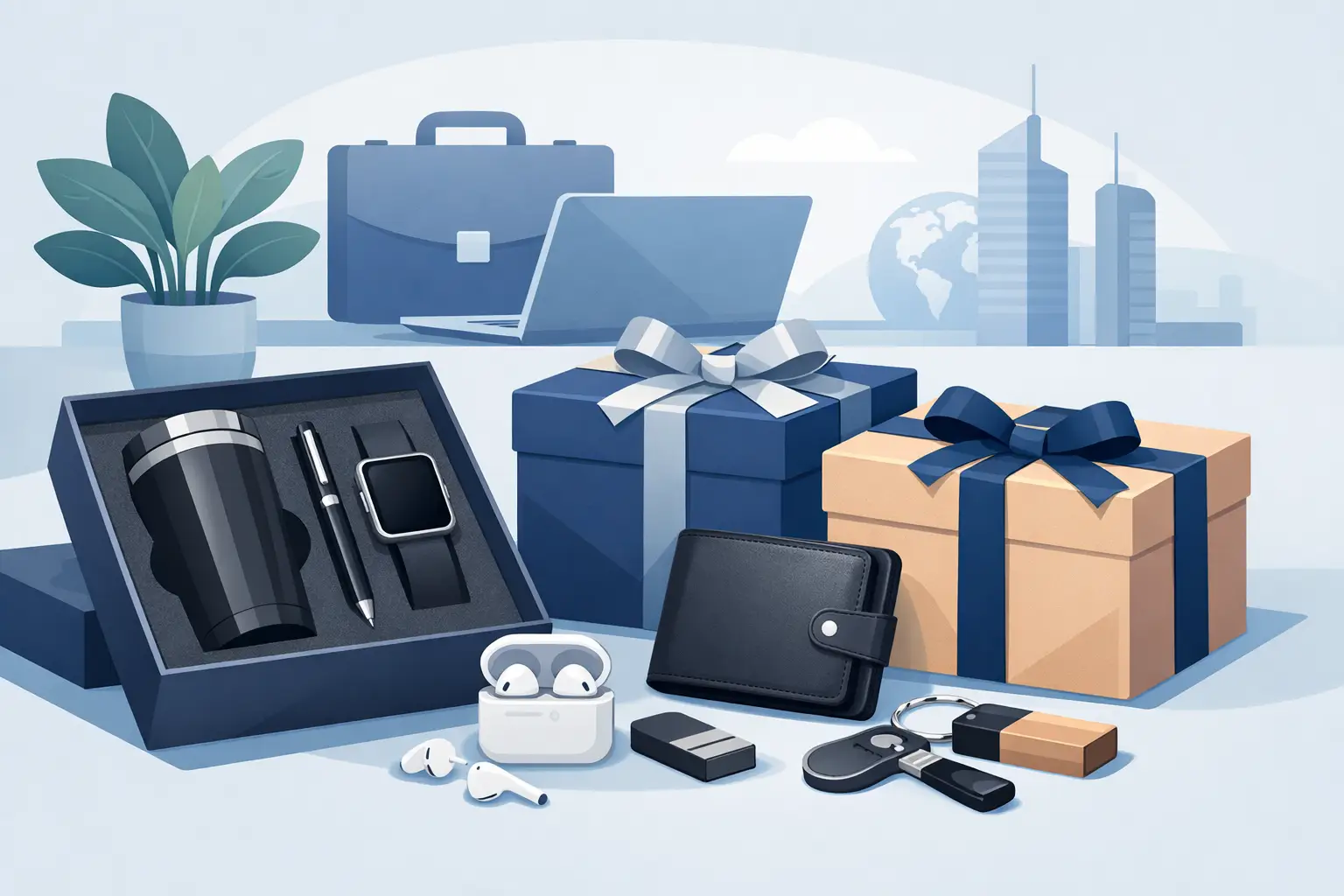
When the audience is smaller and higher value, bundled merchandise often performs better than single-item giveaways. A gift set might include a polo, notebook, tumbler, and tote bag, selected around a consistent theme and packaged professionally.
This approach gives you control over the experience. It also helps when different departments want one coordinated solution rather than sourcing separate items from multiple vendors.
How to choose the right item for your event
Start with the event type. A trade show giveaway needs quick distribution and broad appeal. A staff appreciation event can support higher-value items. A school program may need practical products with durable branding. A sports event may lean toward caps, jerseys, and bags. The item should match the environment before it matches a trend.
Next, look at audience behavior. Ask what people will carry, wear, reuse, or keep at their desk. Useful products usually outperform novelty products because they create repeat exposure. If your audience is traveling, compact items make more sense. If they are spending a full day on-site, bags, drinkware, and notebooks can be stronger choices.
Then consider production details early. Apparel requires size planning. Bags and caps need decoration methods suited to the material. Premium gifts may involve more packaging coordination. When you are ordering in bulk, specification accuracy matters as much as product choice. A good concept can still fail if the finish, branding, or delivery timing is off.
Why customization quality changes the result
The product itself matters, but execution is what determines whether it feels disposable or brand-worthy. Print clarity, embroidery quality, fabric weight, color matching, and finishing details all shape the final impression.
This is where working with a capable production partner becomes valuable. If you are sourcing event merchandise at scale, you need more than a catalog. You need guidance on decoration methods, material suitability, quantity planning, and timelines. Green Cotton supports that process from concept to bulk production, which is especially useful when your event order includes multiple product categories and tight deadlines.
A well-chosen promotional item should make your event easier to run and your brand easier to remember. If the item is practical, well produced, and aligned with your audience, it keeps working long after the event floor clears.