
A jersey usually looks fine on a screen. The real test happens when 40 people wear it at once, under lights, in motion, and on a deadline. If you are figuring out how to design team jerseys for a school, company event, sports club, or internal department, the goal is not just a good-looking mockup. The goal is a jersey that represents your group clearly, fits well, prints correctly, and arrives ready for use.
That is where many buyers get stuck. A design can look bold in a presentation but fail in production because the colors are off, the names are hard to read, or the fabric and print method do not match the intended use. Good jersey design starts earlier than most people think, and it works best when branding, wearability, and manufacturing are planned together.
How to design team jerseys with the end use in mind
Before you choose colors or place a logo, define what the jersey needs to do. A corporate fun run jersey has different requirements than a school sports uniform or a staff team jersey for an expo. If the jersey will be worn outdoors in heat, breathable moisture-management fabric matters more. If it is meant for repeated weekly use, durability and color retention move up the priority list.
This first decision shapes almost everything else. It affects fabric choice, cut, print technique, and even the level of detail your artwork can carry. Teams that skip this step often end up redesigning midway through approval because the original idea was built for appearance, not performance.
It also helps to think about who is approving the order. HR teams may care about consistency and sizing across departments. Marketing teams may focus on brand visibility and color accuracy. School administrators often need practicality, clear identification, and easy reordering. When the design brief reflects those realities from the start, the final jersey is easier to approve and easier to produce at scale.
Start with identity, not decoration
The strongest jerseys are built around clear identity. That means deciding what needs to be recognized first at a glance. For some teams, it is the team name. For others, it is the company brand, event title, school crest, sponsor mark, or player number. Trying to give everything equal weight usually creates a crowded front and a confusing back.
A better approach is to establish hierarchy. The primary identifier should be obvious from a distance. Secondary elements should support it, not compete with it. If your logo is detailed, give it room and avoid placing it over busy patterns. If player names and numbers matter for function, protect legibility before adding graphic effects.
This is where many designs benefit from restraint. A jersey does not need every available space filled. Clean placement often feels more professional and translates better across full team runs. A chest logo, strong numbering, balanced sleeve details, and a back nameplate can do more for impact than a layout overloaded with gradients, badges, and slogans.
Choose colors for visibility and brand control
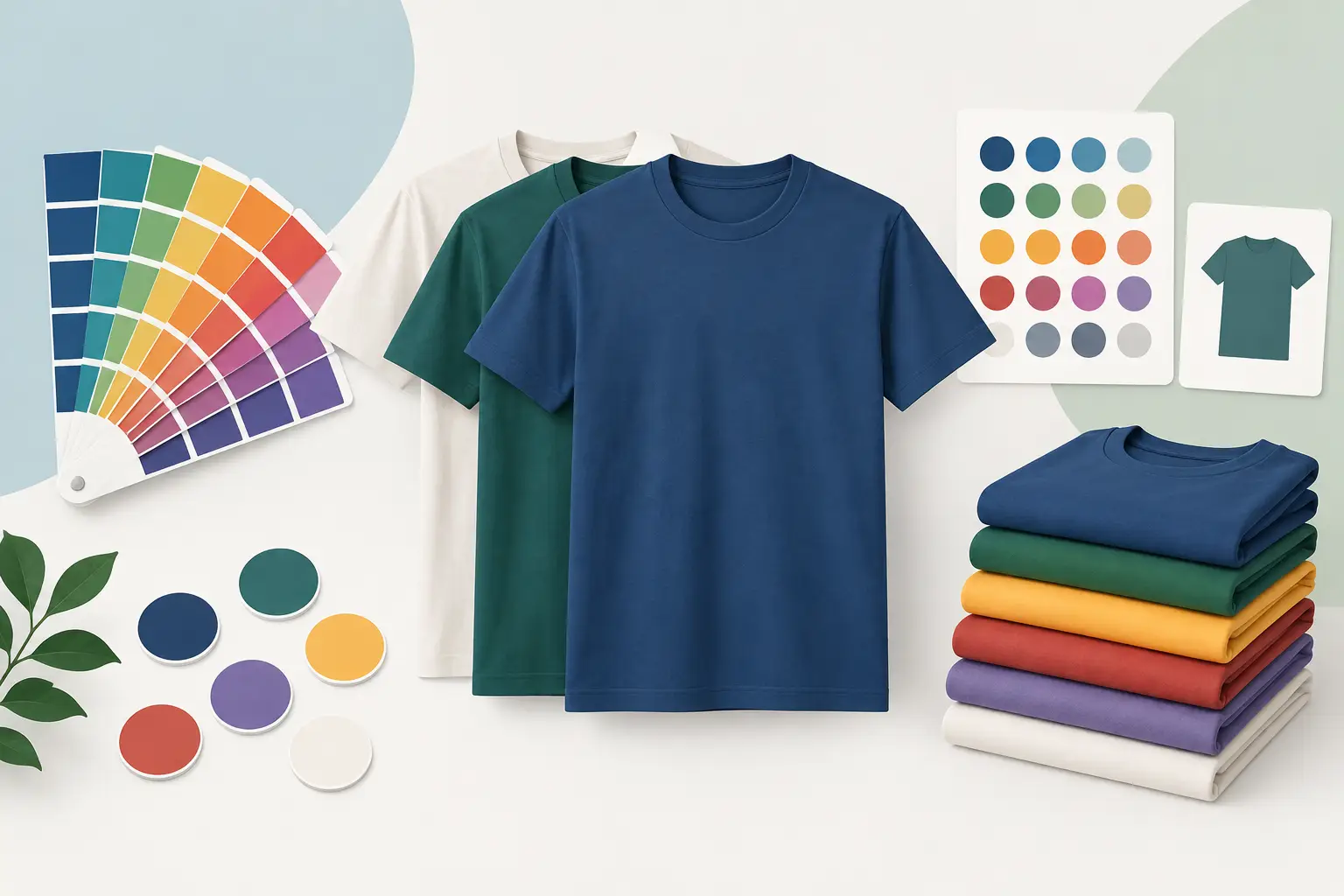
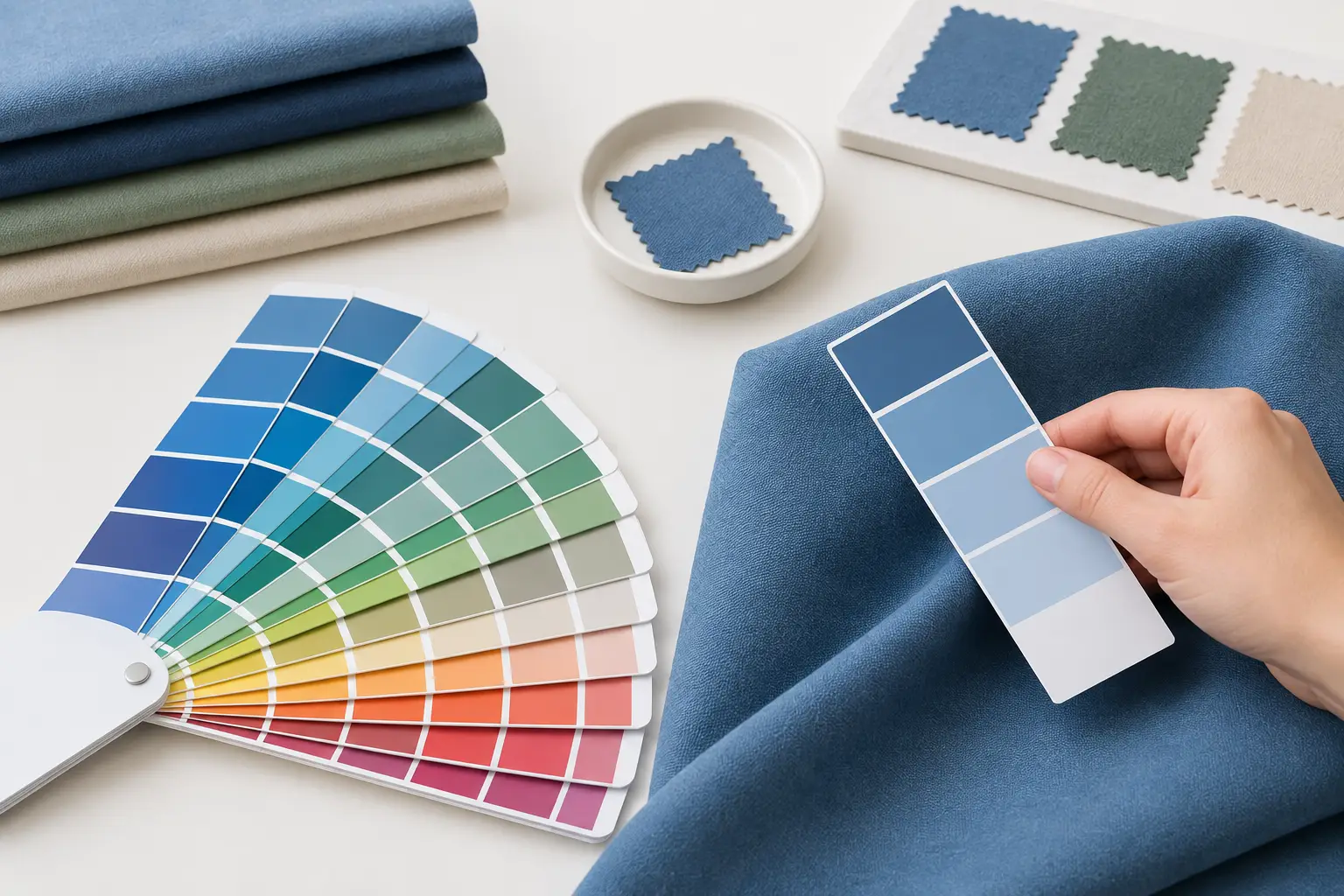
Color is one of the fastest ways to strengthen recognition, but it is also one of the easiest ways to create production issues. Brand colors on a website do not always behave the same way on fabric. Dark tones can mute small details. Bright shades can shift depending on material and print method. A color combination that looks energetic on a monitor may reduce readability once names and numbers are added.
The practical rule is simple. Build contrast into the design from the beginning. If the base jersey is dark, names and numbers should be light and bold. If the jersey uses multiple colors, keep the key identification elements on the highest-contrast area. This matters for sports visibility, event crowd management, and branded group photos.
It is also worth deciding how strict you need to be with brand matching. Some organizations need exact consistency across uniforms, merchandise, and campaign materials. Others have more flexibility as long as the overall look is on-brand. That decision affects how closely production should match approved color references and whether custom-dyed fabric or print adjustment may be needed.
Get the fit and fabric right early
A jersey design is only successful if people are willing to wear it. That brings fit, comfort, and sizing into the design conversation much earlier than many teams expect. A sleek athletic cut may work for a competitive squad but feel restrictive for mixed-age participants in a company event. A relaxed cut may suit broad team distribution better, especially when sizing ranges are wide.
Fabric choice should follow the use case, not trend. Lightweight performance fabrics work well for active wear and warm conditions. Interlock and other structured polyester options can provide durability and a cleaner appearance for repeat use. Sublimation-friendly materials allow full-surface graphics and strong color retention, which is especially useful for high-impact custom jerseys.
If the order is large or recurring, ask practical questions before finalizing artwork. Will the jersey be washed frequently? Will it be worn indoors, outdoors, or both? Do you need individual names and numbers? Are there multiple departments, houses, or teams that require color variants under one design system? These details affect production choices and help avoid expensive revisions later.
How to design team jerseys for bulk production
The difference between a one-off concept and a production-ready jersey is specification. Bulk orders need consistency. That means artwork dimensions, logo placement, color references, font choices, numbering format, and sizing allocations should all be settled before manufacturing starts.
This is where a lot of avoidable delay happens. One stakeholder wants a larger chest logo. Another asks for a sleeve sponsor. Someone notices too late that the font on the back is hard to read from a distance. None of these are impossible changes, but they become costly once approvals are fragmented or production has begun.
A disciplined design file solves this. Every element should have a reason and a fixed position. Names and numbers should use approved styles. Logos should be supplied in usable formats. If there are multiple versions, such as home and away colors or different department names, they should all be built from the same master system.
For organizations ordering at scale, this structure is not just about aesthetics. It protects brand consistency and speeds up repeat orders. It also reduces the risk of receiving mixed outputs across batches.
Keep decoration methods in line with the design
A good jersey concept respects the decoration method from the start. Sublimation is ideal for all-over graphics, vivid colors, and integrated names and numbers because the design becomes part of the fabric rather than sitting on top of it. Screen printing can be effective for simpler layouts and larger runs where artwork is limited to specific print areas. Embroidery adds texture and a premium feel, but it is better suited to smaller logo placements than large performance graphics.
There is no single best method for every project. It depends on quantity, design complexity, budget, turnaround, and garment type. A sports jersey with edge-to-edge patterning usually points toward sublimation. A staff event shirt styled like a jersey may be better served by a simpler print method. The right decision is the one that supports the look you want without creating unnecessary cost or compromising wearability.
This is exactly why design and manufacturing should not be separated. When both are considered together, you get a jersey that looks right in the mockup and performs properly in production.
Build approval around real-world use
One of the smartest ways to avoid disappointment is to review the jersey as a working garment, not just as artwork. Ask whether the number can be read from the stands. Check whether the back name remains clear over pattern areas. Look at sleeve space, collar style, and side panel transitions. Think about what the jersey will look like when worn by different body types, not only on a flat layout.
If multiple departments are involved, centralize feedback through one decision-maker. That keeps the design aligned and prevents version drift. It also helps to review a full specification before sign-off, including sizing breakdown, personalization details, artwork placement, and production timeline.
Experienced suppliers add value here because they can flag issues before they become problems. Green Cotton, for example, works best when the conversation moves beyond appearance to include fabric, decoration, fit, and fulfillment. That is how custom jerseys go from idea to reliable delivery.
The best team jerseys do more than look coordinated. They make people feel part of something organized, credible, and ready. If you treat design as part of a complete production plan, your jersey will not just photograph well. It will wear well, scale well, and represent your team the way it should.