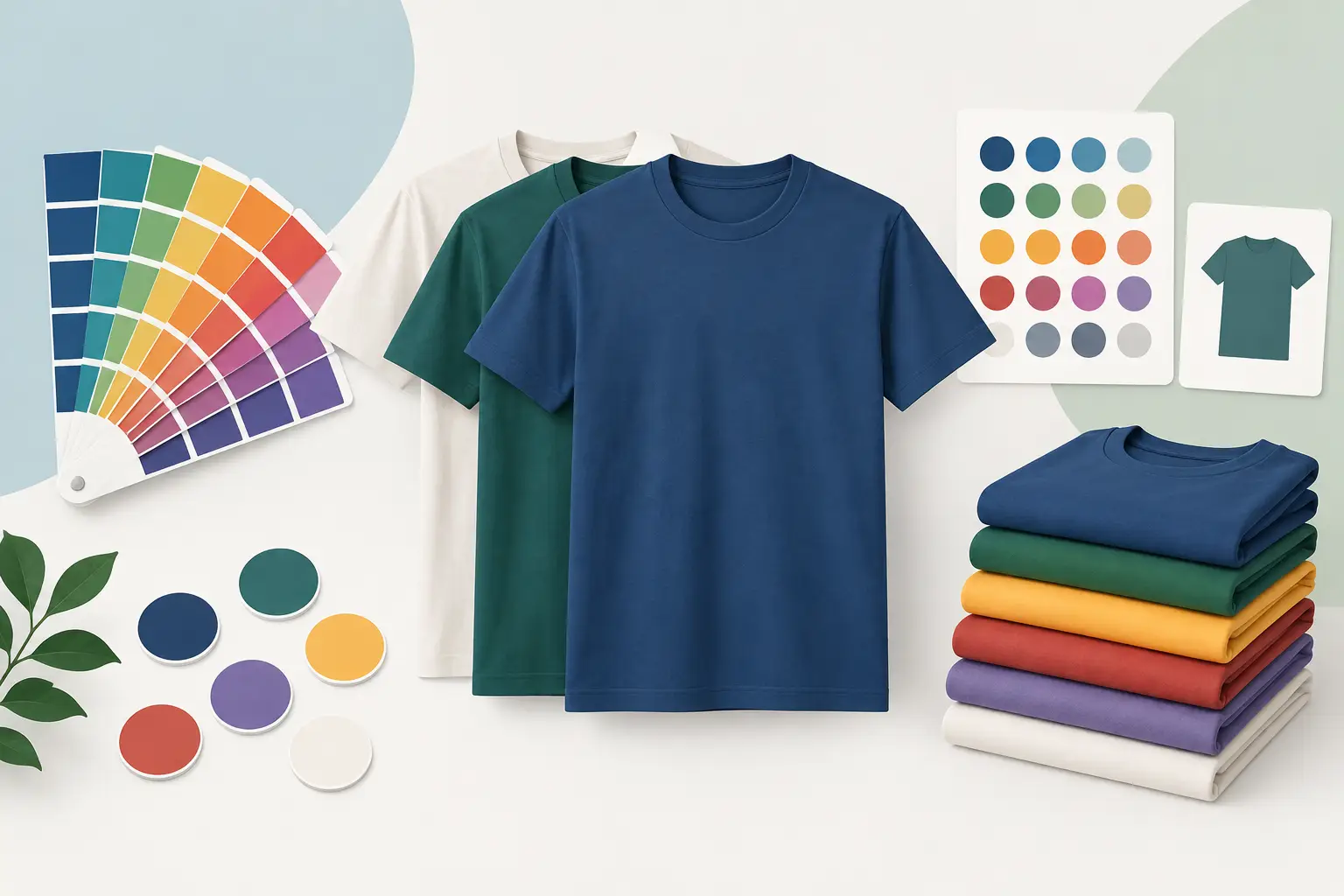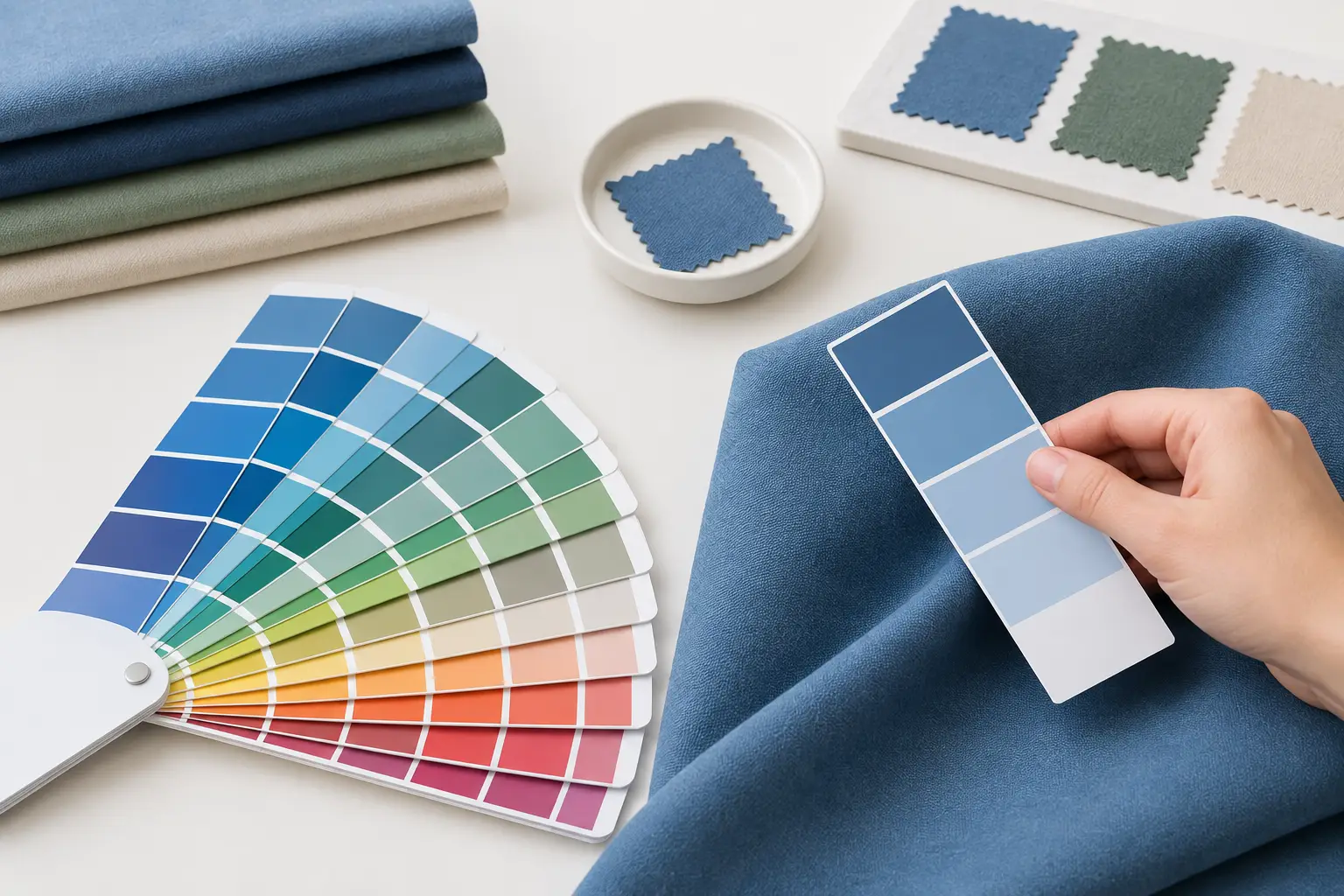

The problem usually shows up two weeks before orientation, sports day, or a major school event. Sizes are still unconfirmed, artwork needs approval, and someone just realized the hoodies, staff polos, and club tees were ordered from three different vendors. That is when choosing the right custom school apparel supplier stops being a purchasing task and becomes an operations decision.
Schools do not buy apparel for appearance alone. They buy for consistency, identification, student pride, and day-to-day practicality. A campus store may need spirit wear that students actually want to wear off campus. An administrator may need uniforms that look professional and hold up after repeated washing. A coach may need jerseys with accurate names, numbers, and delivery timing that does not slip into the next season. The supplier has to do more than print a logo. They need to manage specifications, production quality, and deadlines without creating extra work for your team.
What a custom school apparel supplier should actually handle
A capable supplier should reduce complexity, not add to it. That means guiding the order from concept to production with clear control over garment selection, decoration method, sizing, color matching, and bulk fulfillment. If your school is ordering for multiple groups at once – staff, students, sports teams, alumni events, and clubs – the supplier should be able to coordinate those needs under one production system.
This matters because school orders rarely come in a single, simple format. One department may want lightweight cotton tees for an event. Another may need embroidered faculty polos. Athletics may require sublimated jerseys with custom numbering. If each category is outsourced separately, brand consistency starts to drift. Colors shift. Logos appear in different proportions. Delivery schedules become harder to track.
A strong production partner brings those moving parts together. That includes helping your team confirm artwork files, recommending suitable fabrics, flagging issues before they reach the factory floor, and keeping the order aligned with the approved specification. For schools, that level of control is not a premium extra. It is what prevents costly reorders and event-day problems.
Why schools outgrow basic print shops
Small local print shops can be a good fit for very short runs or simple one-off shirts. But schools often need more structure than a quick logo application service can provide. Once you are ordering across grades, departments, and event calendars, the limitations start to show.
The first issue is range. A school may need T-shirts, polo shirts, hoodies, caps, tote bags, and performance wear within the same buying cycle. A supplier with broader manufacturing capability can keep branding consistent across categories. The second issue is decoration fit. Screen printing may work well for large spirit wear runs, while embroidery is better for administrative uniforms, and sublimation makes more sense for sportswear. If a vendor only offers one or two methods, your order may be pushed toward what is convenient for them rather than what is right for the garment.
The third issue is scalability. A supplier that is built for bulk production can handle larger quantity orders, size breakdowns, repeat runs, and multi-item coordination with more accuracy. That matters when you are outfitting hundreds of students, teachers, or event participants and cannot afford size gaps or inconsistent finishing.
How to evaluate a custom school apparel supplier
The easiest mistake is comparing suppliers on unit price alone. Price matters, but schools usually pay more in the long run when low-cost orders arrive late, wear out quickly, or miss approved details. A better evaluation starts with production capability.
Look at whether the supplier can support the full order journey. Can they help with product selection based on use case? Can they recommend the right decoration method for durability, appearance, and budget? Can they manage bulk orders with clear approval processes before production starts? These are signs of a supplier who understands institutional buying, not just garment selling.
Material quality should be reviewed in practical terms. For student apparel, comfort and durability matter because the garments are washed often and worn in active settings. For faculty or staff uniforms, shape retention, stitching quality, and color consistency matter more because the apparel reflects the school professionally. For event merchandise, visual impact may matter most, especially when items are sold or distributed publicly.
Turnaround is another area where schools should ask direct questions. Fast delivery is valuable, but only if the process behind it is stable. Ask how artwork approval, sampling, production scheduling, and quality checks are handled. A supplier with a disciplined process is more dependable than one making broad promises without operational detail.
Printing, embroidery, and fabric choices are not minor details
School buyers often focus first on design, but execution determines whether the finished item performs well. A bold front print may look great in a mockup but crack after repeated washing if the wrong method is used. An embroidered crest may elevate a staff polo, but it can feel too heavy on lightweight fabric. A sports jersey may require sublimation to achieve lasting color and full design flexibility.
The right supplier should explain these trade-offs clearly. Screen printing is often cost-effective for larger T-shirt runs and works well for clean, bold graphics. Embroidery creates a polished finish for polos, jackets, and caps. Heat transfer can suit names and numbering where personalization is needed. Direct-to-garment may be appropriate for highly detailed artwork on smaller quantities, though it depends on fabric type and order size. Sublimation is ideal for polyester-based teamwear because the design becomes part of the fabric rather than sitting on top of it.
Fabric selection also deserves attention. Soft cotton may be the right choice for student spirit wear and campus events. Moisture-wicking polyester can be better for sports and outdoor activity. Blended fabrics may offer a useful balance when schools want comfort with improved durability. If a supplier can walk your team through these options with clear reasoning, they are operating as a production partner, not just a vendor.
Managing school branding across multiple products
Schools are brands, whether they describe themselves that way or not. Mascots, house colors, crests, typography, and event graphics all contribute to how the institution is recognized. Apparel is often one of the most visible expressions of that identity.
That is why specification accuracy matters so much. The supplier should be able to maintain consistent logo placement, color application, and finishing standards across different products. A school logo that appears crisp on a polo but distorted on a tote bag sends the wrong message. The same goes for mismatched school colors between shirts, jackets, and caps.
This becomes even more important when apparel is ordered in stages. A school may launch with uniforms, then add open day shirts, graduation merchandise, or alumni gifts later. A supplier with solid records, repeatability, and broad product coverage makes it easier to build on prior orders without starting from scratch every time.
One supplier can save more than money
Working with one qualified supplier for school apparel and related merchandise often improves coordination across the board. Procurement has fewer vendors to manage. Administrators have one point of contact for approvals and scheduling. Departments can order different products without losing consistency. That creates operational value that is easy to underestimate until deadlines tighten.
It also opens up smarter planning. Instead of treating every order as a rush request, schools can build an annual apparel calendar around enrollment periods, sports seasons, fundraising drives, staff onboarding, and major events. A supplier with end-to-end capability can support that schedule more efficiently because they already understand the school’s standards, product preferences, and approval structure.
For organizations that need this level of support, Green Cotton is built around that production model – from garment selection and decoration guidance to bulk manufacturing, quality control, and on-time delivery.
The best supplier is the one that protects your timeline
A school order is never just a school order. It connects to a launch date, an audience, a program, or a public-facing moment. When the apparel arrives late, runs small, fades quickly, or misses key details, the problem reaches far beyond the garments themselves.
The right custom school apparel supplier helps your team stay ahead of those risks. They ask the right questions early, recommend what fits the job, and execute against approved specifications with discipline. That is what schools need most – not extra promises, but a supplier who can carry the order from idea to delivery without dropping the standard.
If you are sourcing for a campus, start with the supplier’s ability to manage complexity well. That is usually the difference between an order that merely ships and one that actually supports your school the way it should.