
A bulk merchandise order usually starts the same way: one team wants tote bags for an event, another asks for staff polos, and someone adds gift sets for clients at the last minute. What looked simple becomes a pricing, branding, sizing, and deadline problem fast. If you are figuring out how to order promotional merchandise bulk, the difference between a smooth rollout and a costly scramble comes down to how well you define the job before production starts.
For procurement teams, marketers, HR managers, school administrators, and event organizers, bulk ordering is not just about getting a lower unit price. It is about getting the right products, with the right branding, in the right quantities, delivered on time and made to the agreed specification. That is where planning matters.
How to order promotional merchandise bulk without costly mistakes
The first step is to be clear on the purpose of the order. Promotional merchandise for a trade show has different requirements than uniforms for daily use or premium gifts for key clients. If the items are meant to drive visibility, practical products like caps, T-shirts, tote bags, and drinkware often make sense because they are used repeatedly. If the goal is internal branding or professional presentation, uniforms and coordinated apparel deserve more attention on fabric, fit, and decoration durability.
Once the purpose is clear, define who will receive the items. A broad audience usually calls for simpler sizing, safer colors, and universally useful products. A targeted group, such as employees, sports teams, or VIP guests, allows for more tailored decisions. This affects nearly everything that follows, from product selection to packing and quantity split.
A common mistake is choosing products first and asking strategic questions later. It is more efficient to start with use case, audience, budget range, and deadline. Then the product shortlist becomes much easier to manage.
Start with a practical order brief
Before you request pricing or samples, build a brief that production teams can actually use. Keep it specific. Include the item types you need, expected quantities, target delivery date, brand colors, logo placements, artwork files, size breakdown if apparel is involved, and any packaging requirements.
It also helps to separate must-haves from preferences. For example, you may need black polo shirts with embroidered logos and mens and womens sizing, while the exact fabric blend may be flexible. That distinction speeds up quoting and avoids delays caused by revisiting every minor detail.
If your order includes several product categories, group them by priority. A launch event may depend on event tees and lanyards, while gift bags can follow a different schedule. Bulk ordering works best when the supplier can see what is mission-critical and what has some room to move.
What your brief should cover
Your brief should answer five basic questions: what the item is, who it is for, how it should look, when it is needed, and how many units are required. If you are ordering apparel, add fabric preferences, size ratio, and decoration method. If you are ordering gifts or accessories, add material expectations, packaging style, and whether items are meant for one-off distribution or ongoing use.
The more precise the brief, the easier it is to receive an accurate quote and a realistic production timeline.
Choose merchandise that fits the job
Not every promotional item performs well at scale. Some products look impressive in a mockup but create problems when ordered in high volume, especially if sizing, assembly, or branding placement are inconsistent. Good bulk ordering is practical first.
For apparel, think about comfort, wash durability, and whether the item suits the setting. Staff uniforms need repeat-wear performance. Event shirts need broad size coverage and visual impact. Sports or teamwear usually needs moisture management, movement, and stronger attention to cut and panel design.
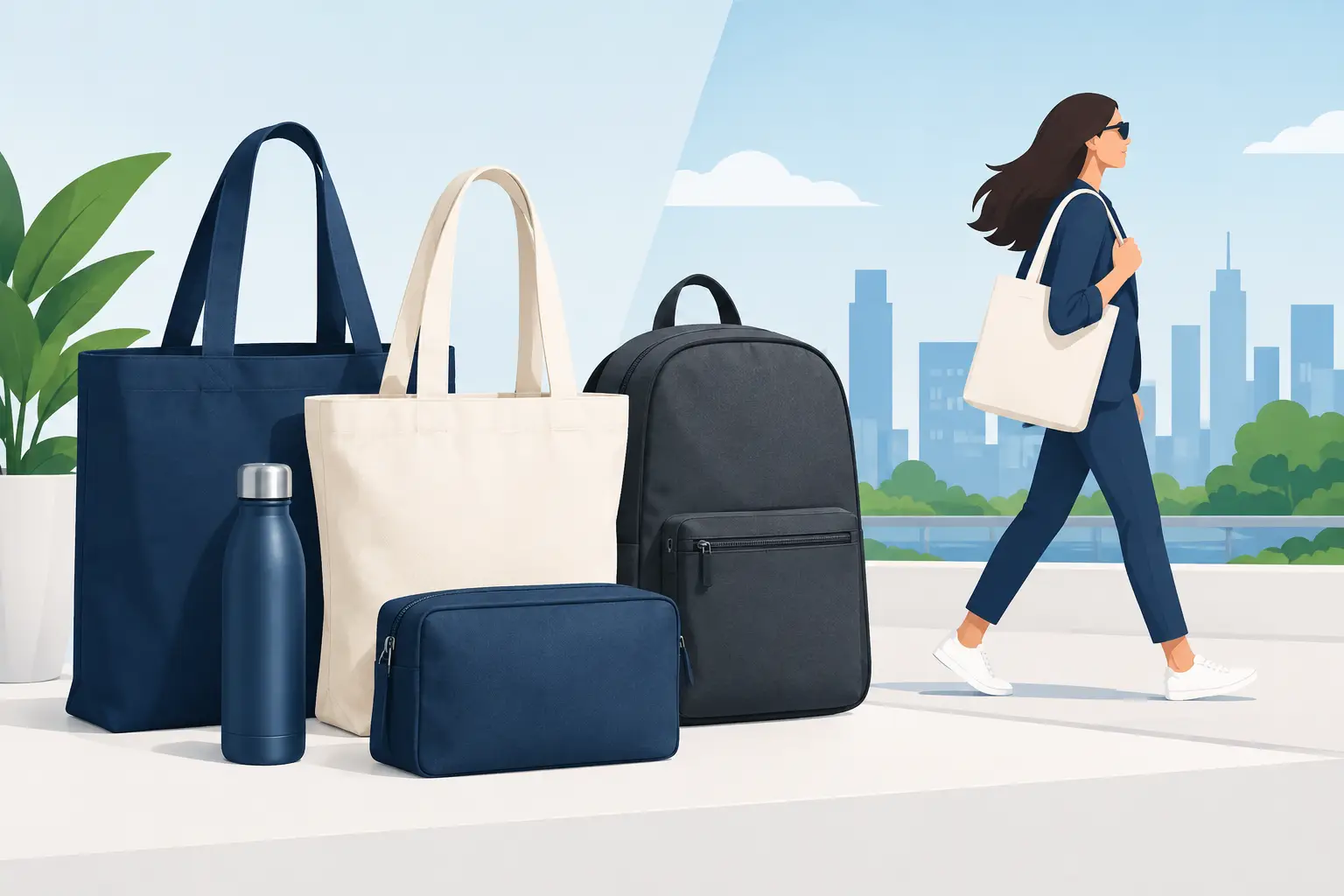
For non-apparel merchandise, ask whether the item has enough real-world use to justify the order. Tote bags, caps, travel bags, and quality desk items often carry branding further than novelty products that get discarded quickly. Premium gifts require another level of judgment. Presentation matters, but so does consistency. A gift set that arrives with uneven finishing or poor packaging will reflect badly on the sender.
This is also where a full-service supplier can save time. If one partner can produce custom apparel, bags, caps, and gifts under one quality process, your team spends less time coordinating multiple vendors and more time controlling the outcome.
Match the branding method to the product
Branding is where many bulk orders either look polished or look rushed. The right decoration method depends on the product material, the logo detail, the quantity, and the expected use.
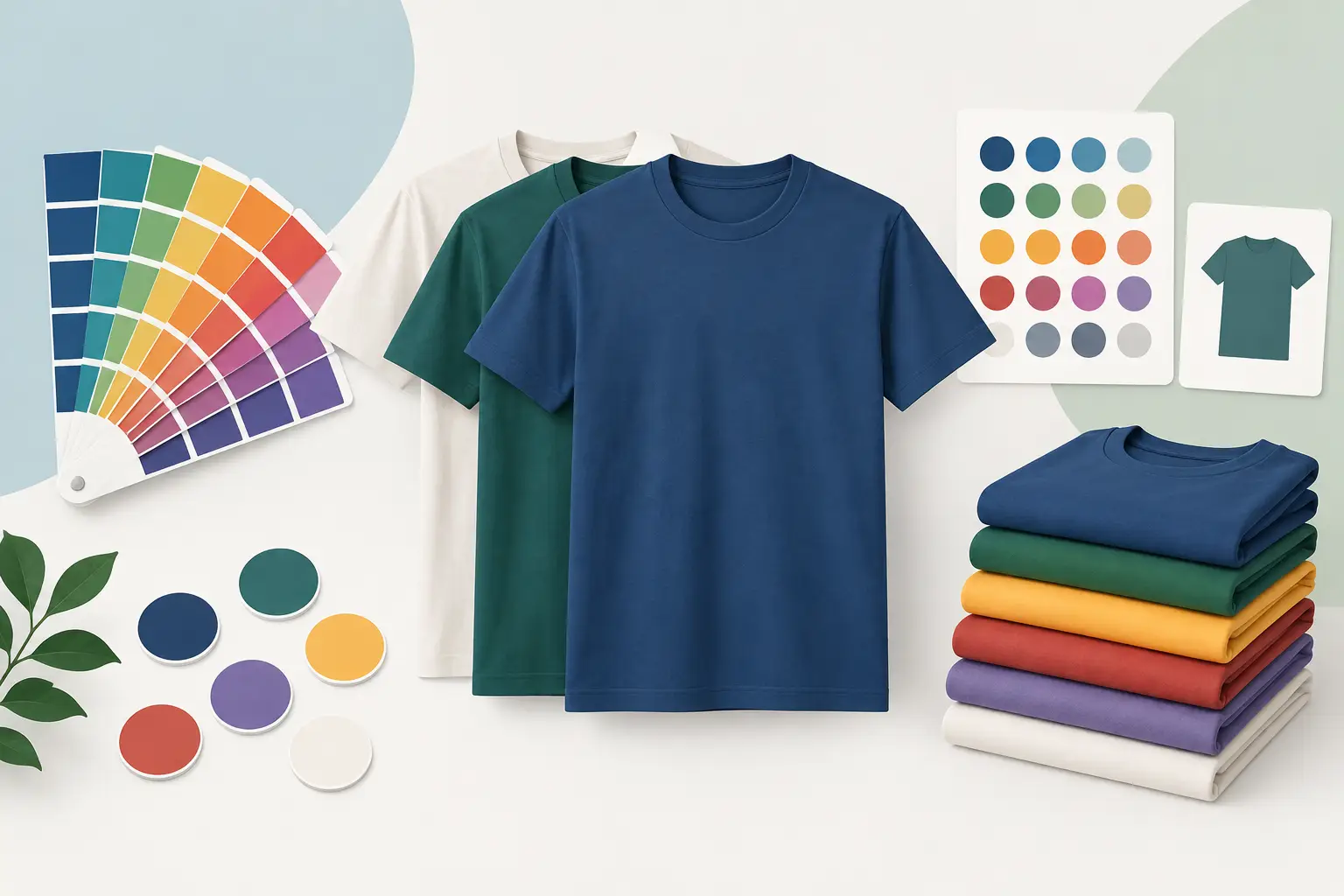
Screen printing is often efficient for larger apparel runs with bold artwork and consistent placement. Embroidery gives a more premium, durable finish for polos, caps, uniforms, and corporate wear. Sublimation works well for all-over designs and sportswear where color vibrancy matters. Heat transfer and direct-to-garment can suit specific artwork needs, but they are not always the best fit for every volume or fabric type.
There is no single best method for every project. A sharp logo on a staff polo may look best embroidered, while a campaign shirt with a large front graphic may be more suitable for screen printing. What matters is choosing the method that supports the product, not forcing the product to fit the method.
Ask to review mockups carefully. Check logo size, placement, thread or print color matching, and how branding appears across different item sizes. Small approval errors become large production problems in bulk.
Get quantities right before production begins
Bulk ordering rewards good forecasting. Underorder, and you may face rush reorders with higher costs and mismatched batches. Overorder, and you tie up budget in leftover stock.
For event giveaways, use attendance history, registration trends, and realistic pickup rates rather than optimistic estimates. For uniforms, confirm active headcount, department allocation, and whether you need buffer stock for new hires. For schools and teams, size distribution matters just as much as total quantity.
If apparel is involved, do not guess the size ratio. Use previous order data if you have it. If you do not, request guidance based on the audience profile. Even a well-made garment becomes a problem if too much of the run is stuck in uncommon sizes.
Minimum order quantities also matter. Some custom products become cost-effective only after a certain volume, especially if they require custom fabric dyeing, special trims, or personalized accessories. In those cases, the lower unit cost can be worth it, but only if demand is real.
Build in time for approvals, sampling, and changes
One of the biggest myths in merchandise sourcing is that production starts when you send artwork. In reality, production starts after the specifications are confirmed, the quote is approved, the visual is signed off, and in some cases, the sample is accepted.
That means timelines should include approval cycles, not just factory lead time. If several departments need to sign off, plan for that upfront. Marketing may approve branding, HR may approve uniforms, and procurement may need final cost confirmation. A one-day delay at each step can stretch a project more than expected.
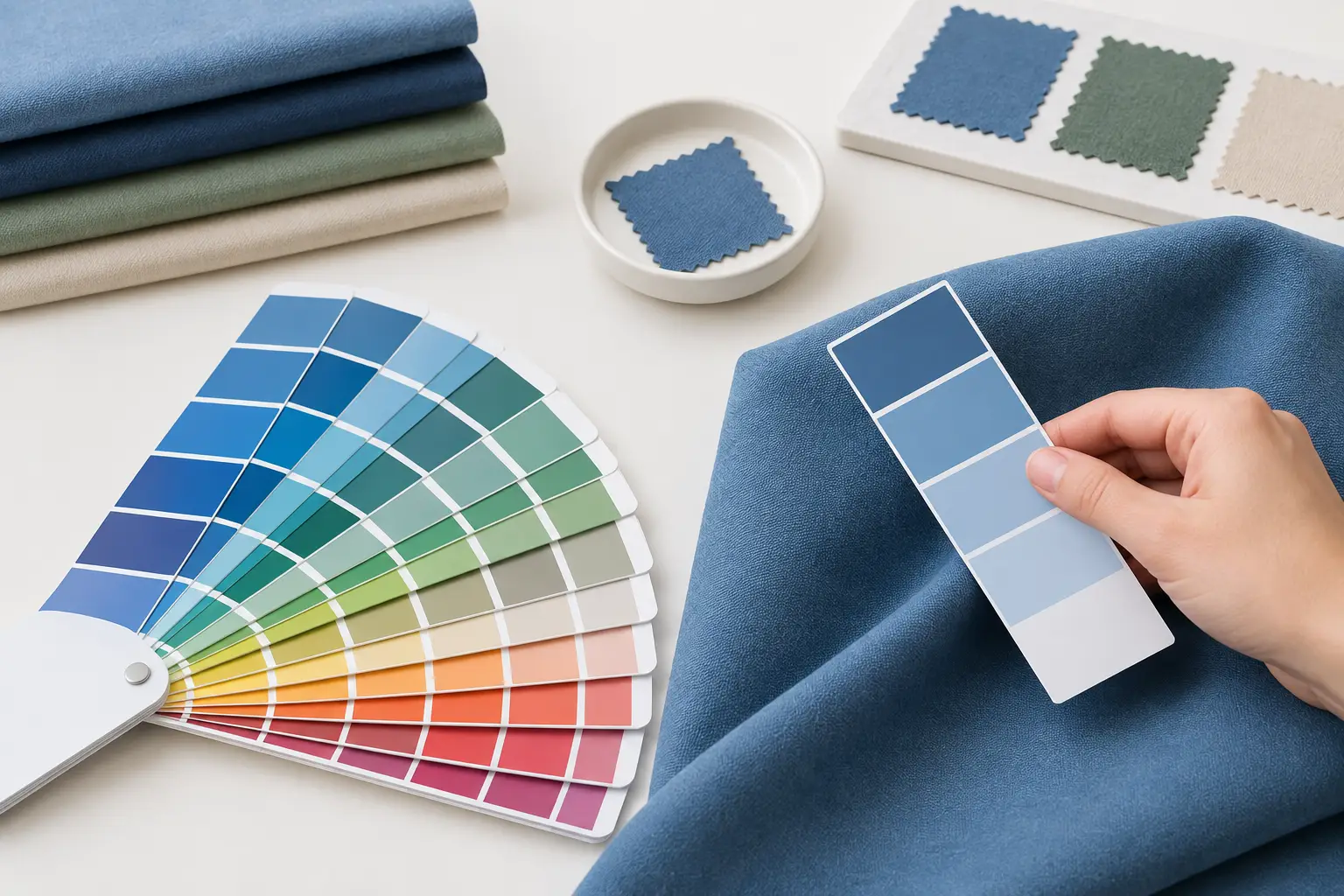
Sampling is especially valuable when the order is large, the product is custom-made, or the branding method is new for your team. A sample helps verify fabric feel, color tone, sizing, print sharpness, embroidery quality, and overall construction. It adds time, but it can prevent much bigger losses.
If your deadline is fixed, such as a conference date or school intake period, work backward from the delivery day. Leave room for revisions, freight coordination, and final packing.
Choose a supplier that can control the process
Price matters, but bulk merchandise is rarely won or lost on unit cost alone. Reliability, specification accuracy, and production control are what protect your brand once the order moves into manufacturing.
Ask practical questions. Can the supplier support multiple product categories? Do they offer in-house decoration methods? How do they handle quality control? What information do they need to keep production accurate? How do they manage turnaround during peak periods?
A capable partner should be able to advise, not just take orders. They should flag quantity issues, decoration risks, sizing concerns, and timeline pressure before those problems become yours. That is the value of working with a production team that treats your identity as its responsibility. Green Cotton is built around that kind of execution, from concept through customization and bulk fulfillment.
Final checks before you approve the order
Before releasing the order to production, review the quotation, approved artwork, item specs, quantity breakdown, sizes, colors, branding positions, packaging notes, and delivery date. Do not rely on assumptions or old email threads. A final confirmation document keeps everyone aligned.
If the order is significant, ask how replacements, defects, or shortages are handled. You may never need that process, but serious suppliers will have one.
Bulk promotional merchandise works best when it feels controlled from the start. A clear brief, the right products, the right decoration method, and a supplier that can execute at scale will protect both your budget and your brand. When the order arrives exactly as planned, your team notices the merchandise. More importantly, they notice that nothing went wrong.