
A new hire can tell a lot about your company in the first ten minutes. If their first-day setup feels rushed, generic, or incomplete, that impression sticks. Strong employee welcome kit ideas do more than add a nice touch – they help people feel expected, equipped, and part of the team from day one.
For HR teams, procurement leads, and operations managers, the challenge is not coming up with gifts. It is choosing items that support onboarding, reflect the brand correctly, and still make sense at scale. The best kits balance function, presentation, and consistency. They should look intentional, hold up in daily use, and be easy to produce accurately across departments, locations, and hiring cycles.
What makes employee welcome kit ideas worth investing in
A welcome kit is often treated as a culture item, but it is also a brand and operations tool. It sets expectations for quality. It gives employees practical essentials they will use immediately. It also creates a more organized onboarding experience, especially when teams are hiring in volume or across multiple sites.
That does not mean every company needs a premium boxed set with high-cost merchandise. The right approach depends on role type, budget, and how the employee will work. A field technician needs something different from a marketing executive. A warehouse team onboarding 80 people in one month needs a different solution from a law firm hiring five professionals per quarter.
That is where smart kit planning matters. Good kits are not built around random branded items. They are built around use cases.
10 employee welcome kit ideas for different onboarding goals
1. Start with branded apparel employees will actually wear
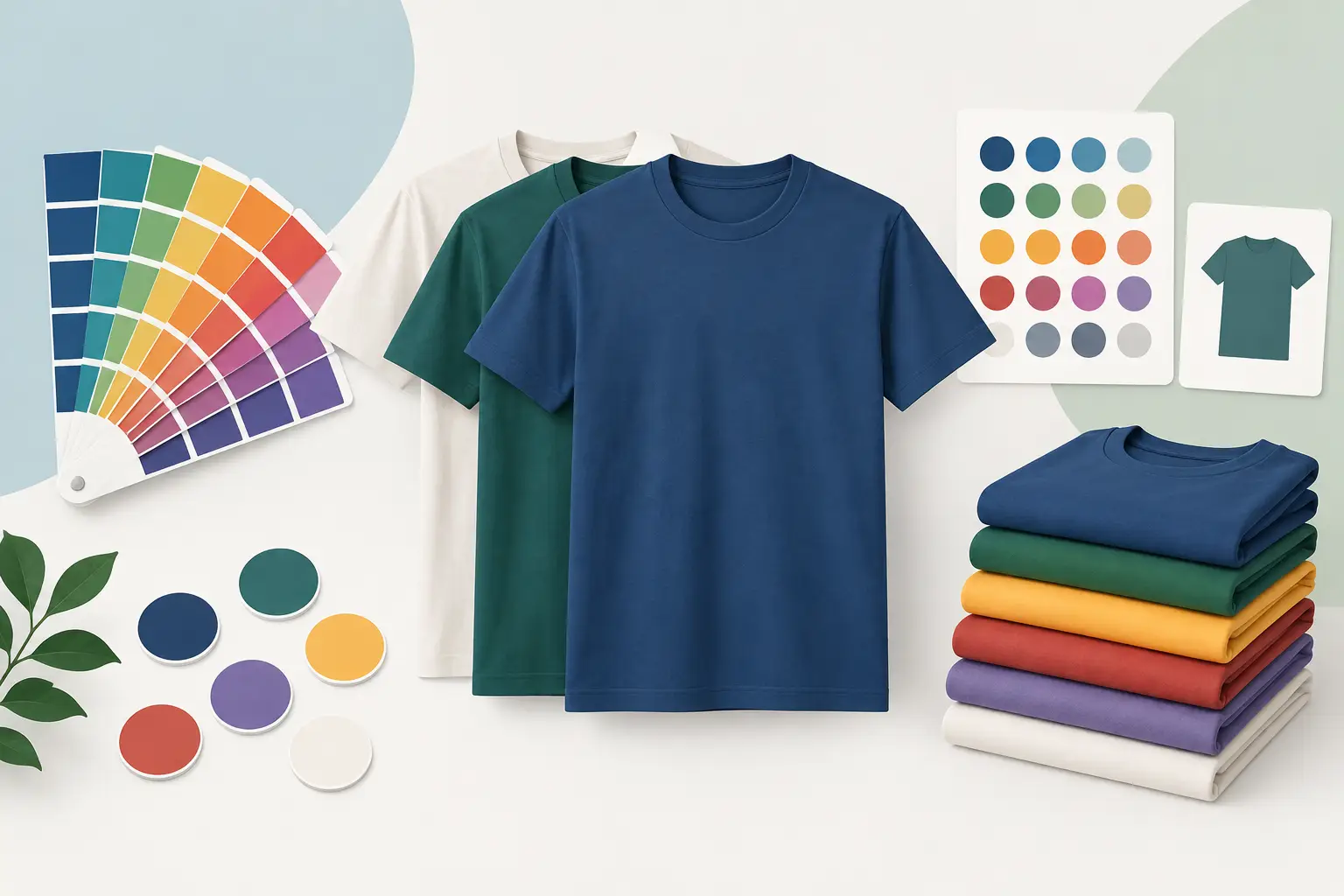
Custom apparel is usually the anchor item because it creates immediate belonging. A well-made T-shirt, polo, jacket, or work shirt gives the employee something visible that connects them to the company from the start.
The key is choosing apparel that fits the environment. Office teams may prefer soft corporate tees, quarter-zips, or polos with subtle embroidery. Retail and hospitality teams may need uniform-ready polos or button-downs that align with dress standards. Industrial environments may require durable workwear with specific fabric performance.
This is also where quality matters. If the garment shrinks, fades, or feels cheap, the message is hard to ignore. If it fits well and looks sharp, it reinforces professionalism every time it is worn.
2. Include an everyday carry bag
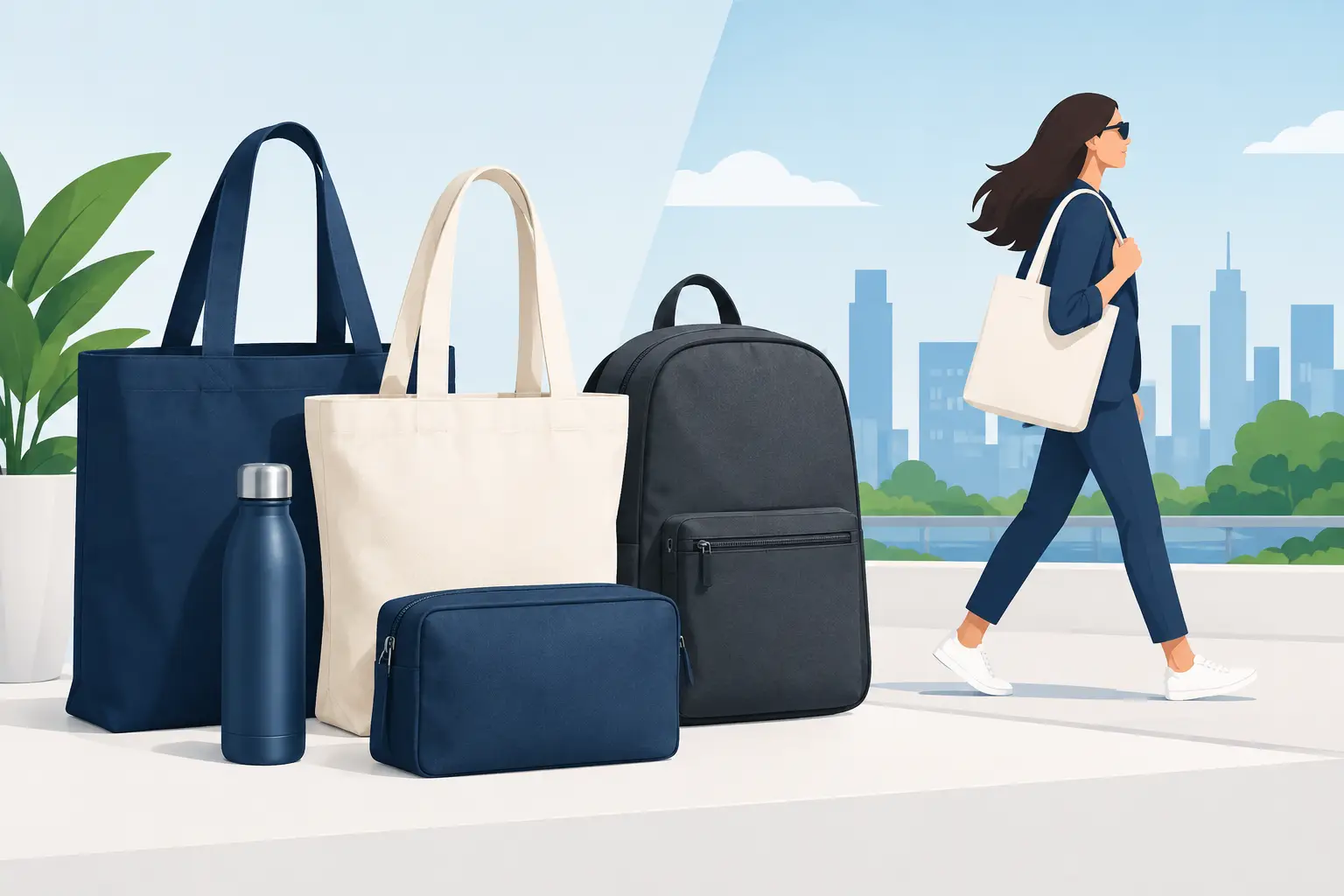
A tote bag, laptop bag, or travel bag gives the whole kit structure and adds immediate practical value. Employees use it to carry notebooks, devices, lunch, or daily essentials, which keeps the brand visible without forcing it.
The right bag depends on the workforce. Tote bags work well for office, event, school, and campaign environments. Laptop backpacks or messenger bags make more sense for hybrid teams and client-facing staff. For field crews or technical teams, a more durable utility bag may be the better call.
A bag also helps if your onboarding happens across multiple locations. Instead of handing out separate items, you create a complete package that arrives organized and presentation-ready.
3. Add a notebook and pen set that feels professional
This is a simple pairing, but it still works because people use it. New employees sit through orientation, training sessions, and team meetings in their first week. Giving them a branded notebook and quality pen makes that process easier while keeping the kit grounded in utility.
There is a difference between a throwaway promo pen and a pen that feels intentional. The same applies to notebooks. If you want the kit to support a premium brand image, low-grade stationery can undercut the effort. Better materials, clean branding, and consistent colors make a small set feel more polished.
4. Use drinkware that suits the workday
Water bottles, tumblers, and coffee mugs remain some of the strongest branded merchandise options because they stay in circulation. Employees use them at desks, in meetings, on commutes, and at job sites.
The choice should match the work pattern. A ceramic mug may suit an office-based team. A stainless tumbler or insulated bottle is often better for mobile staff, event crews, and outdoor workers. If your company wants to support sustainability goals, reusable drinkware also communicates that clearly.
This category works best when decoration quality is handled carefully. Poor print placement or low-durability branding is noticeable on drinkware because it is handled so often.
5. Build role-specific kits instead of one generic version
One of the most effective employee welcome kit ideas is also one of the most overlooked: create variations by department or role. The base kit can stay consistent, but a few item swaps make the package more useful.
For example, a sales hire may receive a branded polo, notebook, pen, tumbler, and presentation folder. A warehouse employee may be better served by a work shirt, cap, bottle, safety-ready bag, and practical accessories. A remote hire might need a laptop sleeve, desk pad, webcam cover, and home-office essentials.
This approach takes more planning, but it reduces waste and improves relevance. Employees notice when their kit was assembled with their actual work in mind.
How to choose the right items without overbuilding the kit
6. Keep the first-day essentials separate from the nice-to-haves
Not every item belongs in the same package. Some companies make the mistake of overloading a welcome kit with too many products, which can push up costs without improving the experience.
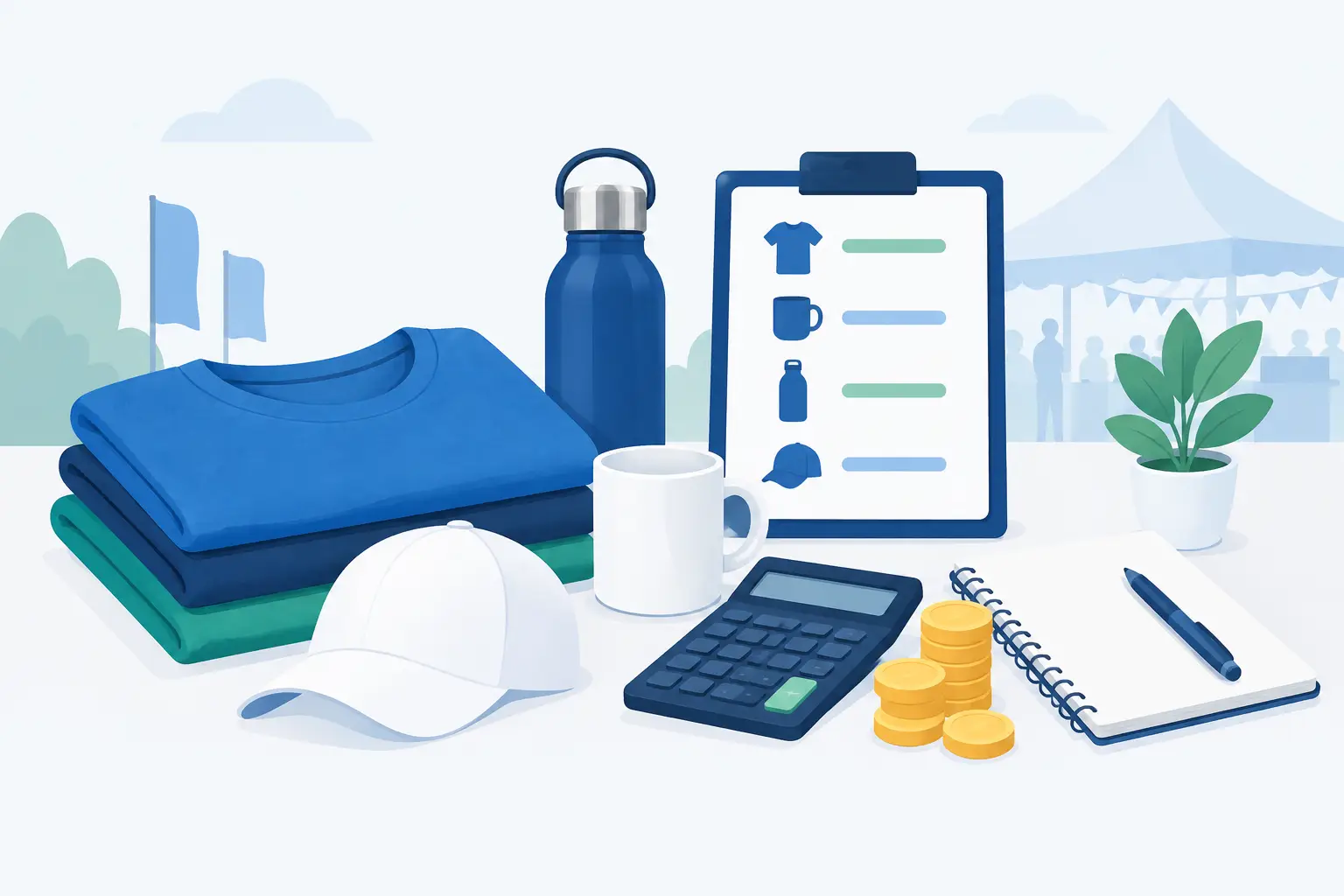
A better model is to define tiers. First-day essentials are the practical items the employee should receive immediately, such as apparel, stationery, ID accessories, or a bag. Nice-to-haves can be added for milestones, team events, or leadership hires. This keeps onboarding efficient while preserving room for premium gifting later.
It also helps procurement teams control budget without making the kit feel stripped down.
7. Use packaging to reinforce quality
Presentation shapes perception. Even strong products can feel average if they are handed over loosely or packed without care. That does not mean you need luxury rigid boxes for every onboarding program, but the packaging should still feel orderly and branded.
A clean box, neatly folded apparel, tissue wrapping, printed insert card, or organized bag layout makes the kit feel managed. For distributed teams, secure packaging is also practical. It protects the products in transit and helps maintain consistency across deliveries.
This is especially important when hiring at scale. If every kit arrives looking slightly different, the brand experience becomes uneven.
8. Match branding methods to the product
Decoration method affects both appearance and durability. Embroidery may be the right choice for polos, caps, and uniforms where a clean, long-lasting finish matters. Screen printing works well for T-shirts and high-volume runs. Heat transfer or sublimation may be better suited for specific fabrics, full-color graphics, or sportswear applications.
The right branding choice depends on the item, the use case, and the expected wear cycle. A welcome kit should not just look good in a presentation photo. It should perform after repeated washing, carrying, and daily use.
That is why production guidance matters. If you are sourcing multiple items across apparel and merchandise, working with a supplier that understands decoration compatibility can save time and prevent avoidable quality issues.
9. Think about company culture, but do not force it
A welcome kit should reflect the company, not a trend. If your culture is polished and corporate, keep the kit refined. If your brand is energetic and event-driven, you can be more expressive with color and product choices. If you run operations-heavy environments, practical gear will land better than novelty items.
What matters is authenticity. Employees can tell when a kit was built to look impressive on paper rather than support real work. The strongest kits express culture through thoughtful utility, consistent branding, and product quality.
10. Plan for scale from the beginning
A welcome kit that works for ten hires may break down at one hundred if sizing, stock, packaging, and turnaround are not managed properly. That is where many onboarding programs run into trouble. They choose products first and think about execution later.
A better process starts with forecasting. Estimate your onboarding volume, identify the SKUs and size ranges you need, standardize your branding files, and align delivery timelines with hiring schedules. If different departments need different kits, document those variations clearly.
For organizations that onboard regularly, it also makes sense to work with a production partner that can handle multiple categories under one process – from custom apparel and bags to premium merchandise and decoration methods. Green Cotton supports this kind of end-to-end coordination, which helps teams keep specifications accurate and delivery on time.
Common mistakes to avoid with employee welcome kit ideas
The most common mistake is choosing items based only on unit cost. Low-cost products can look efficient in a spreadsheet, but if they are poor quality or not useful, they weaken the entire kit. Another issue is inconsistent branding across products, especially when different items are sourced from multiple vendors without centralized quality control.
Timing is another weak point. A welcome kit loses value if it arrives after the employee has already started. And finally, there is the issue of over-customization. Personalization can be powerful, but too many custom variables can create fulfillment delays and inventory headaches. Sometimes a strong standardized kit does the job better.
The right welcome kit does not need to be extravagant. It needs to be useful, brand-aligned, and produced with care. When new hires receive something that looks considered and performs well, it tells them your company pays attention – and that message is worth carrying into every first day.