
The wrong branded item usually fails long before anyone throws it away. It shows up late, misses the brand color, feels cheap in the hand, or arrives packed with sizing errors and print issues. That is why knowing how to source branded merchandise matters so much for procurement teams, marketers, HR managers, school administrators, and event planners. You are not just buying products. You are protecting brand standards, budgets, deadlines, and the experience people have with your organization.
For most organizations, the real challenge is not finding a vendor that can print a logo. It is finding a production partner that can translate a concept into the right product, decoration method, specifications, and delivery plan without creating risk at every step. Good sourcing is part product selection, part operational planning, and part quality control.
How to source branded merchandise with a clear brief
A strong sourcing process starts before you ask for a quote. If your internal brief is vague, the supplier has to guess, and guessing is where delays, unsuitable materials, and budget overruns begin.
Start with the purpose of the merchandise. Staff uniforms, conference giveaways, client gifts, school apparel, campaign merchandise, and teamwear all have different performance requirements. A polo shirt for daily staff use needs a different fabric and construction than a cotton event T-shirt meant for one-day wear. A premium corporate gift should create a stronger perceived value than a mass giveaway item handed out by the hundreds.
Your brief should also define audience, quantity, delivery date, target budget, brand requirements, and expected use. If the item will be worn outdoors, washed often, or distributed in multiple sizes, those details affect fabric choice, print method, and production planning. If the item is part of a larger campaign or rollout, mention that too. The more exact your specification, the more accurate the recommendation and pricing will be.
This is where many buyers lose time. They request pricing for a broad idea rather than a buildable order. A better approach is to describe what success looks like: who will use it, how often, what quality level is expected, and when it must arrive.
Choose products based on use, not just unit price
A low unit price can look attractive in procurement comparisons, but branded merchandise is rarely judged by invoice alone. It is judged by wearability, presentation, durability, and whether recipients actually use it.
If you are sourcing apparel, consider fabric weight, breathability, fit, size range, and finish. For uniforms, consistency matters more than trend. For promotional T-shirts, comfort often matters more than technical features. For sports jerseys or active teamwear, sublimation and performance fabrics may be the right choice because they support color vibrancy and repeated use.
For non-apparel merchandise such as tote bags, caps, travel bags, or premium gifts, think about daily practicality. An item that gets used repeatedly gives your brand more visibility than one that sits in a drawer. That does not mean every item needs to feel expensive. It means every item should feel intentional.
There is always a trade-off. A giveaway for 5,000 people may need a different sourcing strategy than a 100-piece executive gifting program. One calls for disciplined cost control. The other calls for stronger presentation, material quality, and finish. Good sourcing matches the item to the business objective.
Decoration method changes the result
One of the biggest mistakes in branded merchandise sourcing is choosing the product first and treating decoration as an afterthought. In reality, the print or embroidery method shapes the final look, feel, durability, and lead time.
Screen printing works well for bulk apparel orders with solid-color artwork and strong cost efficiency at higher volumes. Embroidery gives uniforms, caps, and premium apparel a more structured and professional finish, but it may not suit highly detailed artwork or lightweight fabrics. Sublimation is ideal for all-over designs and sportswear because the color becomes part of the fabric rather than sitting on top of it. Heat transfer and direct-to-garment printing can suit specific short-run or detailed applications, but they are not universal solutions.
A capable supplier should guide this decision based on artwork, fabric, quantity, and use case. If they simply say yes to every request without discussing artwork size, print placement, stitch count, or material compatibility, that is not flexibility. That is a warning sign.
How to evaluate a supplier beyond the quote
If you are serious about how to source branded merchandise effectively, you need to assess suppliers on execution, not just price. A polished quote means very little if the order arrives late or off-spec.
Look at whether the supplier can support multiple categories under one roof or through an organized production system. This matters when you are sourcing uniforms, event shirts, tote bags, caps, and gifts for the same campaign. Managing one accountable partner is usually more efficient than coordinating five separate vendors with different standards and timelines.
Ask how they handle artwork approval, color matching, pre-production confirmation, sampling, size breakdowns, packaging, and quality checks. Ask what information they need from you to avoid errors. Strong suppliers are usually structured in their questions because they are trying to prevent rework.
Production capability also matters. In-house or tightly controlled decoration services often reduce communication gaps and improve timeline control. That is especially valuable for bulk programs where print consistency and repeat orders matter. Green Cotton, for example, positions this kind of end-to-end control as part of its service model because accuracy and delivery are not side issues. They are the job.
Sampling, specs, and approvals are where good orders are won
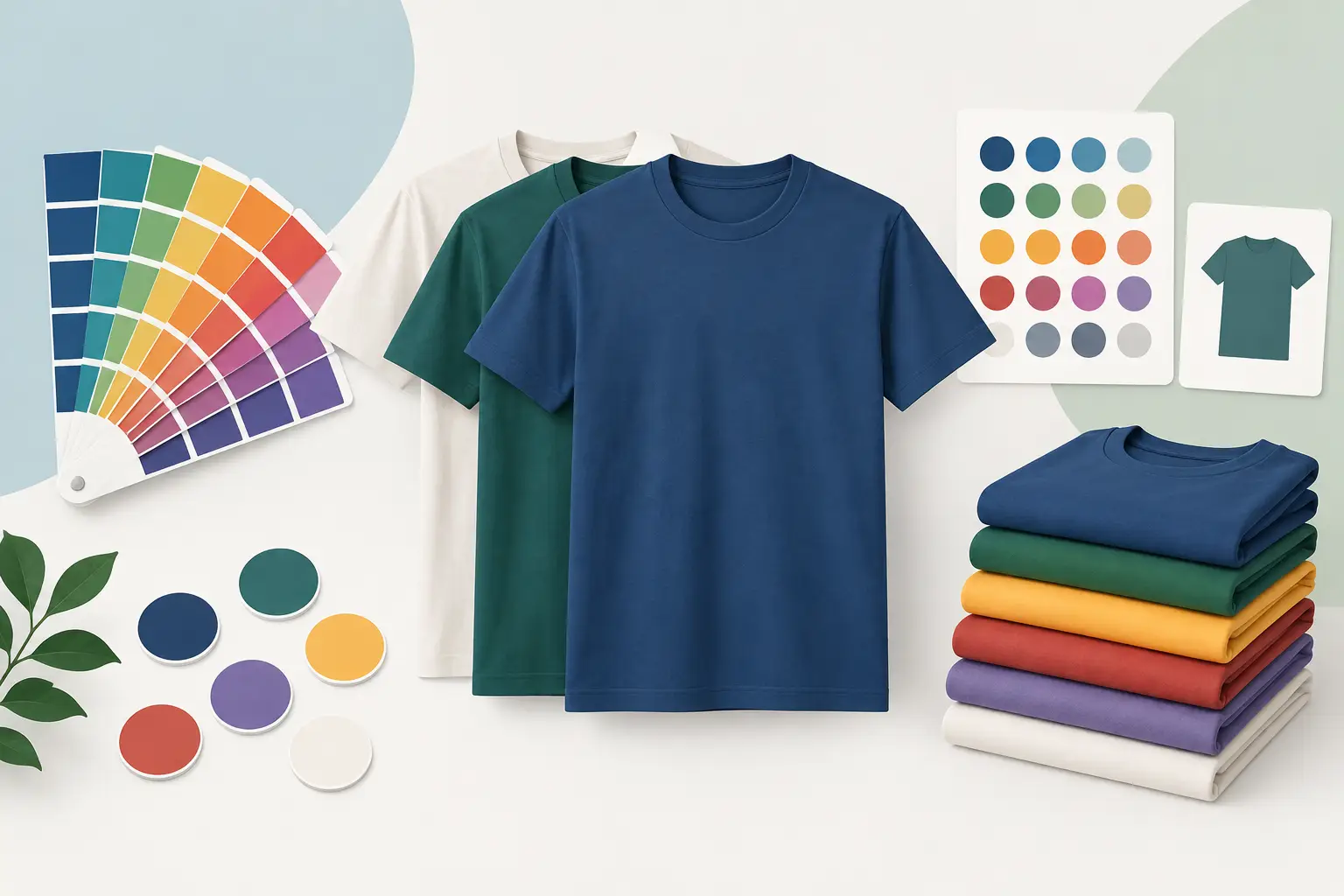
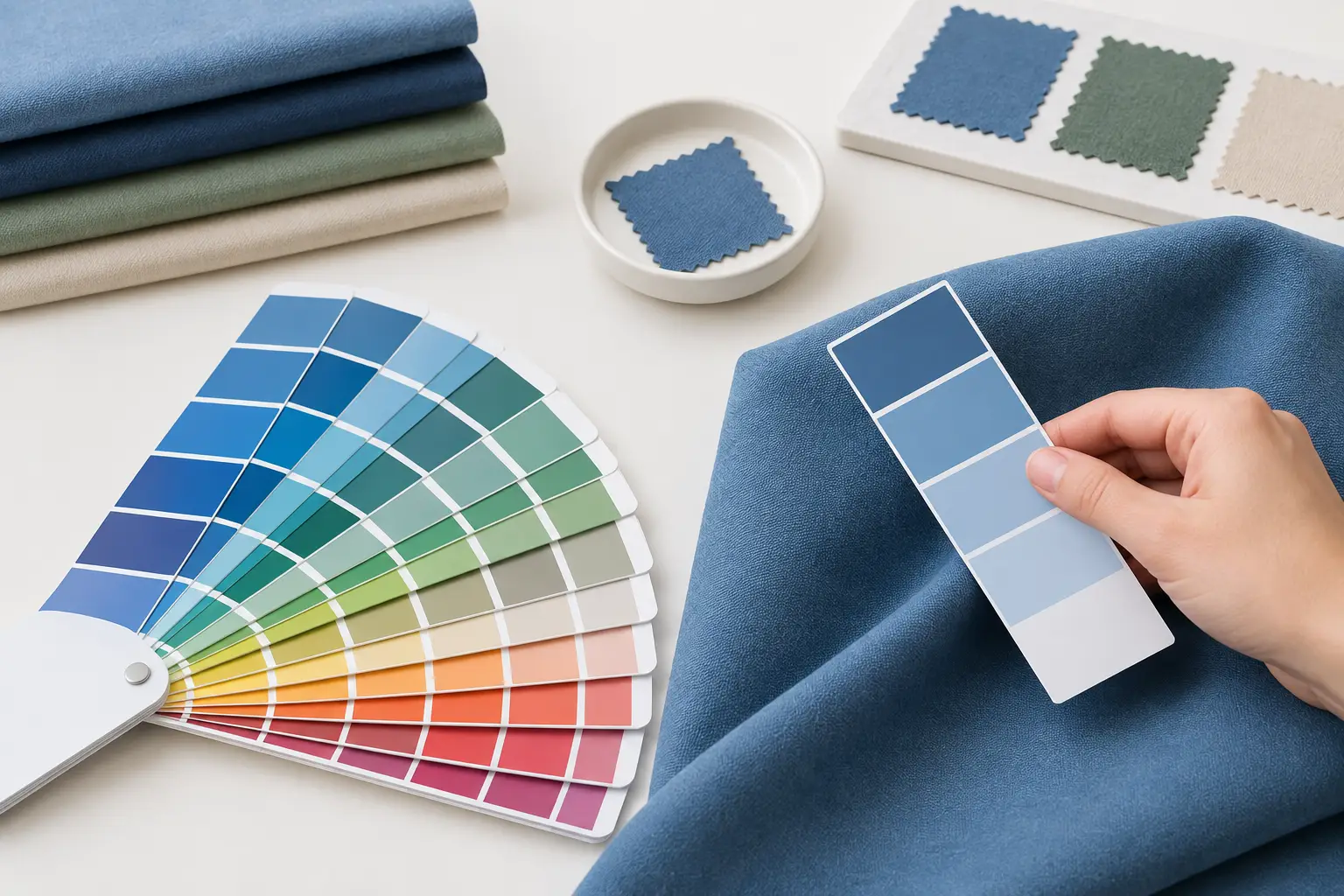
Most branded merchandise problems start in the approval stage, not on the factory floor. If an order moves into production with unclear specs, missing size ratios, unconfirmed Pantone references, or misunderstood artwork placement, the final product will reflect that.
Treat specs as a working document, not a formality. Confirm product dimensions, fabric composition, base color, branding method, logo size, logo location, packaging needs, and delivery breakdown by site if applicable. For apparel, confirm measurement tolerances and size distribution. For bags and gifts, confirm trim details, accessories, and any personalized elements.
Sampling is not always required, but it is often worth the time when you are ordering in bulk, launching a new design, or using a custom-made product. A sample helps catch issues that do not show up clearly on a screen, such as fabric feel, print scale, thread density, or zipper quality. If timelines are tight, even a digital mockup plus a material swatch approval can reduce avoidable mistakes.
Balance lead time with customization depth
The more customized the order, the more carefully lead time must be managed. Stock items with simple branding can move faster. Fully custom apparel with dyed fabric, special trims, woven labels, custom sizing, or personalized packaging naturally takes longer.
This does not mean you should avoid customization. It means you should plan around it. If brand consistency is a priority across uniforms, campaign merchandise, and gifts, deeper customization can be worth it because it creates a stronger and more cohesive result. But custom work requires earlier approvals, tighter forecasting, and a supplier that can manage production milestones responsibly.
A realistic timeline should include artwork approval, sampling if needed, production, inspection, packing, and delivery. If your order is tied to an event date or rollout deadline, build in buffer time. Rush orders are sometimes possible, but they often limit options or increase cost.
Cost control is about total value, not cheapest output
Organizations often ask for the lowest possible price, then spend more later correcting quality issues, replacing unusable stock, or managing complaints from staff and event teams. Better sourcing looks at total value.
That includes product lifespan, reusability, print durability, presentation, vendor responsiveness, and order accuracy. It also includes operational convenience. If one supplier can guide product selection, decoration method, and bulk production across categories, that can save internal time and reduce coordination risk.
There are moments when a low-cost item is the right call. Mass campaign distribution sometimes demands that. But if the merchandise represents your staff, your clients, or your event reputation, buying strictly on price can cost more than it saves.
Build a sourcing process you can repeat
The best branded merchandise programs are not reinvented every quarter. They are built on repeatable decisions, documented specs, trusted production methods, and supplier accountability.
Keep records of what worked – the fabric that held up well, the embroidery size that looked right, the tote bag dimensions people actually used, the packaging format that improved handout efficiency. Over time, that gives your team a stronger benchmark for future orders and reduces approval cycles.
If you want branded merchandise to do its job, source it like a business asset rather than a last-minute purchase. The right product, made with the right method, by the right production partner, does more than carry a logo. It shows people that your organization pays attention, follows through, and gets the details right.