
A staff polo that arrives in the wrong shade, an event shirt that cracks after one wash, or a jersey size run that misses half the team can turn a simple order into a costly problem. The custom apparel manufacturer vs printer decision is not only about where a logo goes. It determines how much control you have over the garment, how consistent your brand looks, and how confidently you can place a bulk order.
For procurement teams, HR managers, marketing departments, and event organizers, the right partner depends on the job. A printer can be an efficient choice for decorating ready-made garments. A manufacturer is built to manage the product itself, from fabric and fit through finishing details and final decoration. Knowing the difference helps you buy for the outcome you need, not just the lowest initial quote.
Custom Apparel Manufacturer vs Printer: The Core Difference
A custom apparel printer typically starts with blank garments that already exist. You choose a stock T-shirt, polo, hoodie, cap, or tote bag, then add your artwork through screen printing, embroidery, heat transfer, direct-to-garment printing, or another decoration method. This model works well when the garment itself is not the main variable and you need an established style decorated with your logo or campaign artwork.
A custom apparel manufacturer has a wider production role. Instead of simply decorating an existing blank, the manufacturer can produce the garment around your requirements. That may include selecting or developing fabric, choosing a color, creating a size range, adjusting the cut, adding pockets or panels, and applying branded labels, buttons, zippers, packaging, or other accessories. Decoration is part of the process, but it is not the entire process.
The distinction matters because a uniform program or branded merchandise campaign often needs more than a logo on a standard shirt. If your organization needs specific performance fabric for field staff, color-matched polo shirts across several departments, or sublimation jerseys with individual names and numbers, manufacturing capability gives you more room to specify the final product.
When a Printer Is the Right Choice
A printer is often the practical answer for short-run promotions, straightforward logo applications, and projects with a fixed garment selection. If you already know you want a standard cotton T-shirt in black, white, or another readily available color, the process can move quickly. You select the blank, approve the artwork, confirm quantities and sizes, then proceed with printing or embroidery.
This approach can be especially effective for a one-time charity run, internal company event, product launch, or small branded giveaway. The design is usually the focus, and using stock blanks avoids the time and setup associated with developing a custom garment.
Printers also make sense when you need a limited number of pieces or when the design changes frequently. A marketing team testing several campaign concepts may prefer digital printing on ready-made shirts rather than committing to a larger manufacturing run. For detailed, full-color artwork in lower quantities, direct-to-garment printing can be a sensible option, provided the garment and print method suit the expected wear.
The trade-off is control. Stock blanks come with predetermined fabric weights, fits, colors, and available sizes. If the supplier discontinues a style or cannot restock a specific color, your next order may not match the first. That may be acceptable for a single event. It is less acceptable when employees, franchise locations, or sales teams need a consistent appearance over time.
When a Manufacturer Delivers Better Value
A manufacturer becomes the stronger choice when the apparel is a working part of your brand. This is common for staff uniforms, retail apparel, corporate merchandise, sportswear, school clothing, and large-scale events where consistency is visible and non-negotiable.
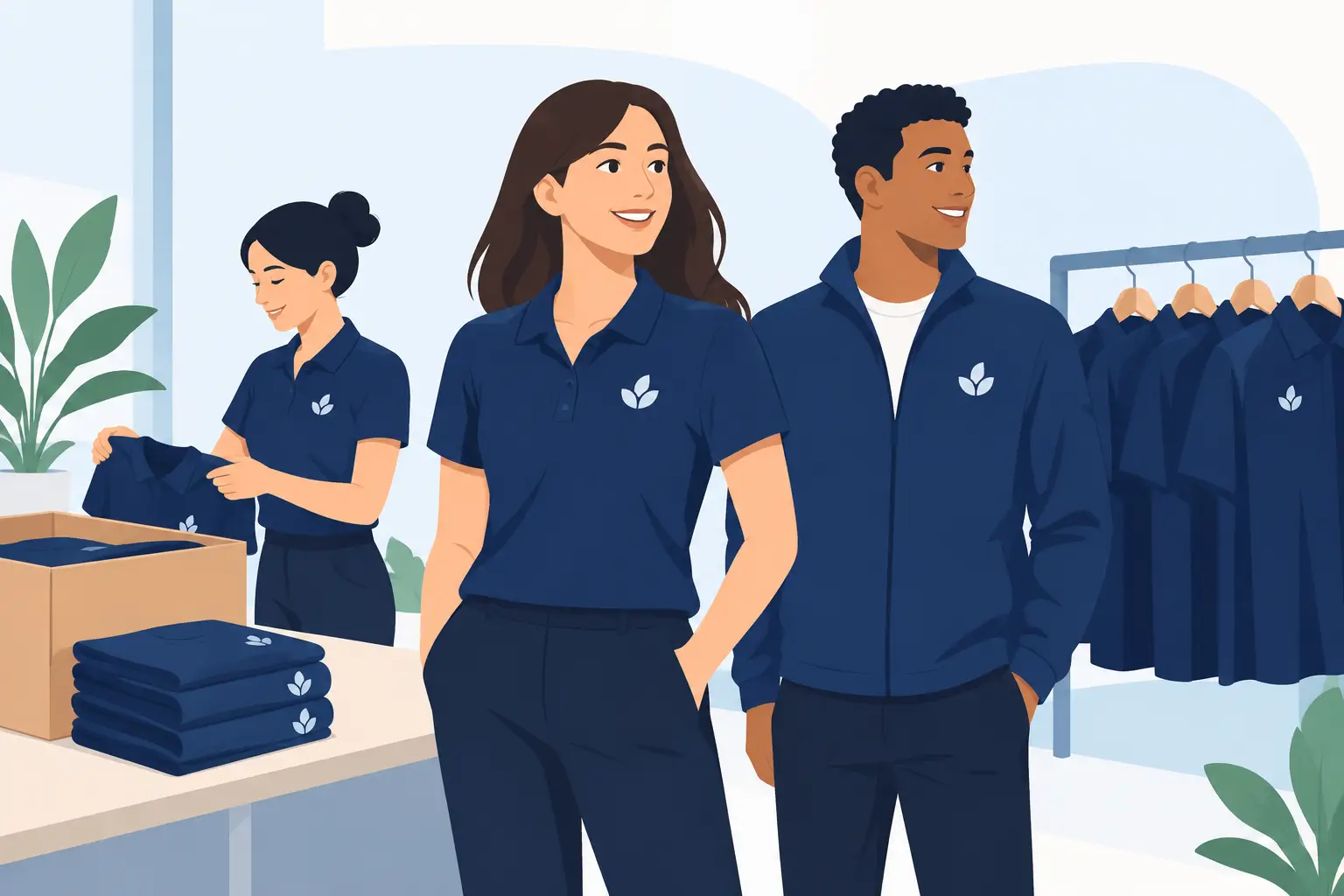
With manufacturing support, you can define the garment before decoration begins. A hospitality group may need breathable polos with a polished collar, reinforced seams, and a color that matches its interior branding. A construction or operations team may need durable workwear with practical pocket placement, reflective details, and embroidery positioned for visibility. A sports organizer may need lightweight sublimation jerseys designed around team colors, sponsor placements, player names, and numbers.
These choices affect comfort, durability, and how often the garment is actually worn. They also protect brand identity. A custom-dyed fabric can match your approved brand color more closely than the nearest available stock option. A woven label, neck print, custom zipper pull, or personalized hangtag can make promotional apparel feel intentional rather than generic.
For larger quantities, manufacturing can also create better unit economics. The upfront planning is more involved, and minimum order quantities may be higher, but the cost per unit can become more favorable when you are producing at scale. The key is to compare like with like. A lower-priced stock shirt is not automatically better value if it fades quickly, fits poorly, or needs to be replaced after one season.
Compare the Decision Factors Before You Quote
The fastest way to choose is to begin with your non-negotiables. Start with the garment’s purpose, then work backward through quantity, timeline, branding requirements, and budget.
Garment control and brand consistency
If you need a familiar, readily available garment with a logo on the chest, a printer may meet the brief. If you need control over fabric composition, color, garment construction, trims, or packaging, work with a manufacturer.
Consistency becomes more valuable when orders repeat. A national campaign, annual school program, or ongoing uniform rollout needs reliable specifications that can be referenced and reproduced. Ask how colors are approved, how size grading is managed, and whether the supplier keeps production specifications for future reorders.
Decoration method and design durability
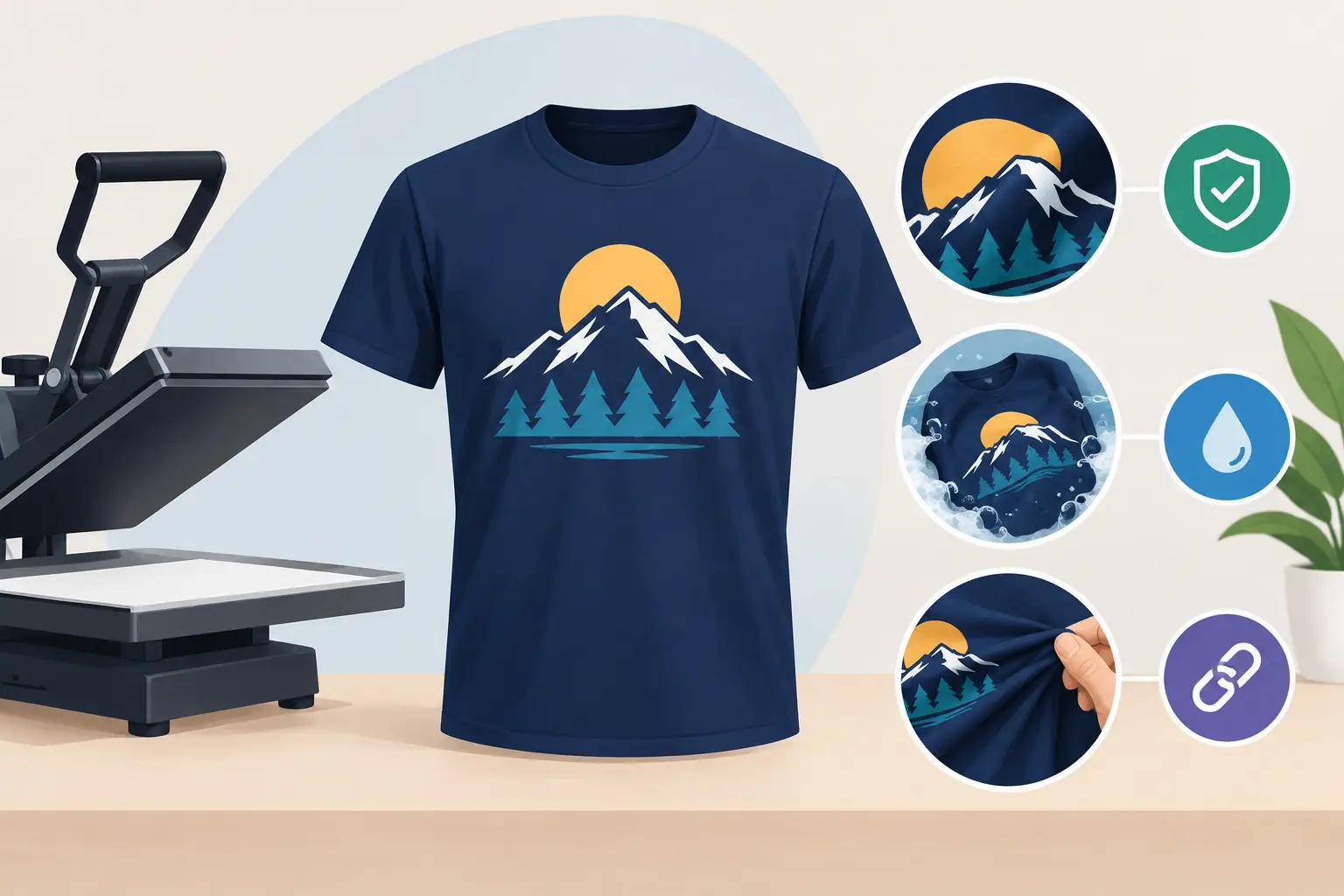
The best decoration method depends on the artwork, garment, quantity, and intended use. Screen printing is often cost-effective for larger runs with limited colors. Embroidery offers a textured, professional finish for uniforms, caps, and corporate apparel. Sublimation is ideal for all-over graphics and sportswear because the design becomes part of the fabric. Heat transfer can support names, numbers, and certain detailed graphics, while direct-to-garment printing suits smaller quantities and high-detail artwork on compatible fabrics.
A capable production partner should recommend a method based on results, not convenience. Fine lines, color gradients, fabric stretch, wash frequency, and logo placement all influence the right decision.
Lead time and approval process
Ready-made blanks can reduce production time, but fast should never mean vague. Whether you choose a printer or manufacturer, confirm the artwork approval process, sample requirements, size breakdown deadline, production schedule, and delivery date before placing the order.
Manufacturing takes more coordination because it may involve fabric sourcing, dyeing, pattern development, cutting, sewing, decoration, and quality checks. For a scheduled event or uniform launch, planning ahead is essential. The benefit is that every stage can be checked against an agreed specification rather than hoping a stock item performs as expected.
Quality control and accountability
Ask who is responsible if the print placement shifts, colors differ from approval, sizing is inconsistent, or quantities arrive short. This question separates order takers from accountable production partners.
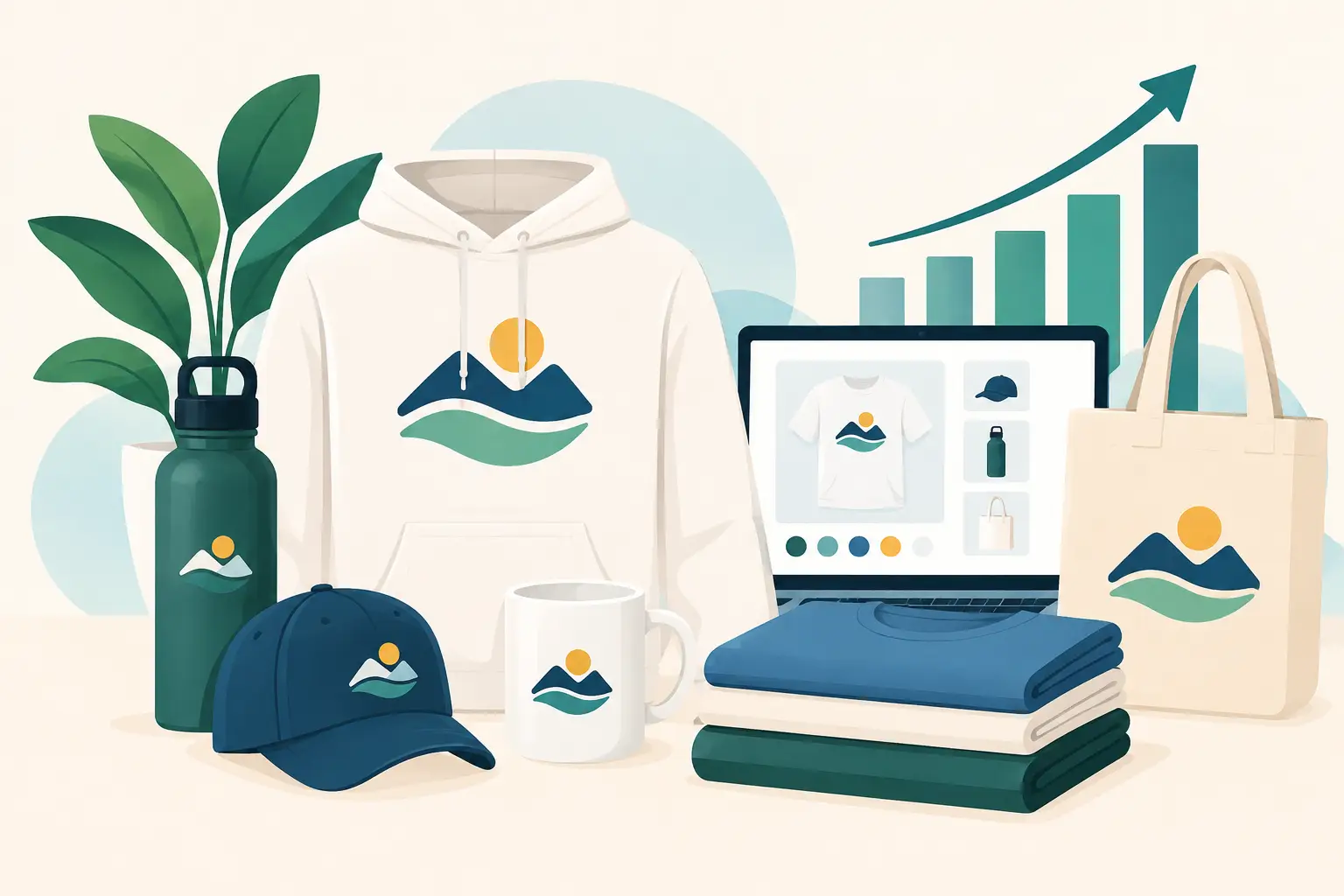
Quality control should cover more than the final logo. For custom apparel, it can include fabric inspection, color checks, measurement tolerances, stitching, decoration alignment, and packing accuracy. For multi-item orders that include shirts, caps, tote bags, and premium gifts, centralized coordination also reduces the risk of mismatched branding across suppliers.
A Better Brief Produces a Better Order
Whether you choose a printer or manufacturer, provide a clear brief. Share your logo files, approved brand colors, intended use, target quantity, size range, required delivery date, and budget range. If the order is for uniforms, include job roles and working conditions. If it is for an event, explain how and when attendees will use the item.
Request a proof before production, and do not treat it as a formality. Check spelling, logo proportions, placement, thread or ink colors, garment color, and size quantities. For a custom-made program, a physical sample can prevent expensive assumptions about fabric feel, fit, and finish.
Green Cotton supports organizations that need this broader level of ownership, combining garment selection, custom production, decoration, and quality-focused fulfillment under one coordinated process. That means your apparel, accessories, and promotional items can be planned as one brand system rather than a collection of separate orders.
The right choice is the partner that can deliver the exact standard your organization needs. If the project is simple and short-term, printed stock apparel may be enough. If your brand will be worn repeatedly, seen publicly, or reordered across teams, invest in a production partner that treats every specification as part of your identity.