A generic logo on a standard giveaway is easy to order and easy to forget. The custom merchandise trends gaining ground are different: they make practical products feel considered, keep teams visually consistent, and give recipients something they will actually use. For procurement teams, marketers, HR leaders, and event organizers, the opportunity is not simply to add more branding. It is to specify merchandise that carries your identity well from the first event photo to the hundredth wear.
The strongest programs start with a clear job for every item. A polo uniform should support comfort and credibility during a long shift. A campaign tote should stay useful after the event. A premium client gift should signal care without becoming impractical. When product, decoration method, and audience align, branded merchandise becomes a working part of your organization rather than a box of leftovers.
Custom Merchandise Trends Moving From Novelty to Standard
Elevated essentials over disposable giveaways
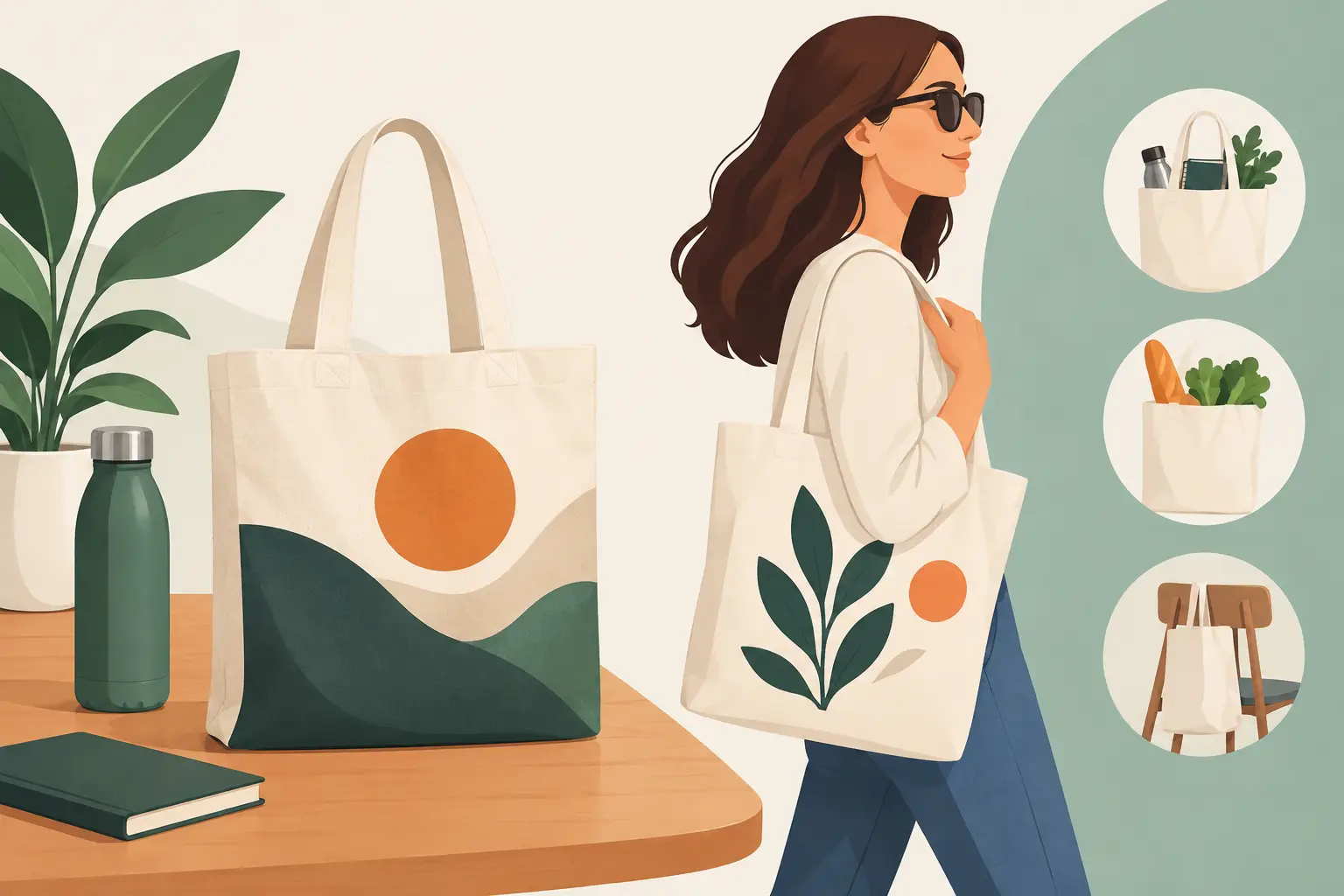
Organizations are shifting budget away from low-cost novelty items and toward everyday essentials with a longer service life. Think heavyweight cotton T-shirts, structured caps, insulated drinkware, durable tote bags, travel bags, and practical desk accessories. These products generate more repeat exposure because they are useful beyond the initial campaign or event.
This does not mean every order needs to be premium. A high-volume roadshow may still require a cost-conscious giveaway. The better question is whether the item fits the recipient’s real routine. A tote bag for a conference, a breathable shirt for a volunteer team, or a quality polo for client-facing staff usually earns more use than a novelty product chosen only for its low unit price.
Uniforms designed around real work
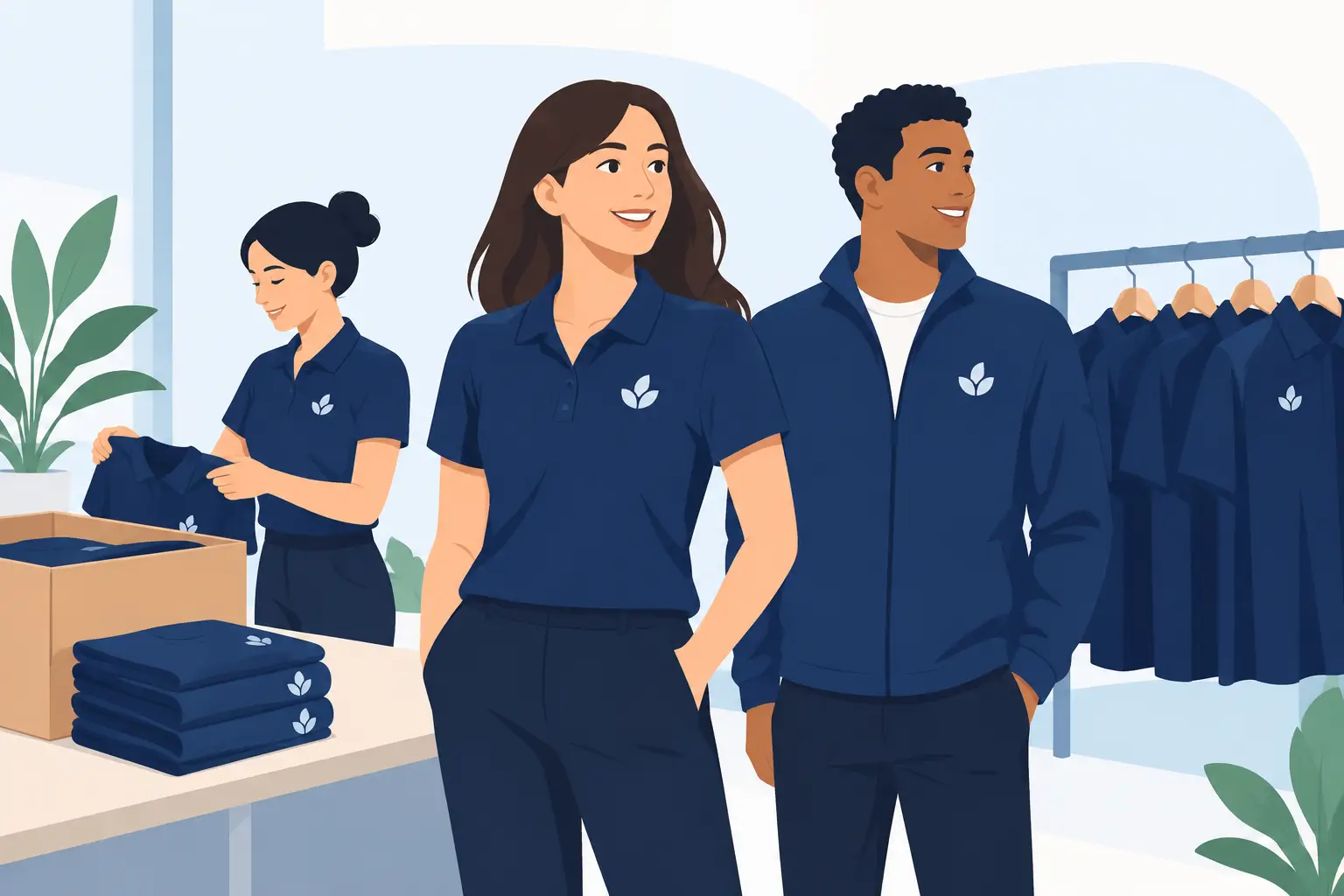
Uniforms are becoming more intentional in fit, fabric, and role-specific design. Teams expect clothing that looks professional without feeling restrictive, especially in hospitality, retail, logistics, field services, schools, and corporate events. Organizations are responding with coordinated uniform systems instead of one garment used for every role.
For example, front-of-house staff may need embroidered polos or button-downs, while operations teams need moisture-managing T-shirts, durable workwear, or high-visibility elements. Event crews may need lightweight shirts with clear color coding. A consistent logo treatment can unite the program while garment choices reflect how each team actually works.
Fabric selection matters here. Cotton can provide a familiar, comfortable feel for casual use, while polyester blends can support durability, color retention, and active environments. There is no universal best fabric. The right choice depends on climate, shift length, laundering needs, and the image your team needs to project.
Decoration that feels integrated, not added on
The most polished merchandise no longer treats a logo as an afterthought. Branding is being integrated into the garment or product through placement, texture, color, and small details. A left-chest embroidery can communicate authority on a corporate polo. A full-front screen print can create energy for a campaign shirt. Sublimation can carry bold team graphics across an entire jersey without the heavy feel of layered ink.
Placement is part of the design decision. Oversized back graphics work well for event crews who need to be recognizable from a distance. Subtle sleeve marks or woven labels can suit employee gifts or customer merchandise. If the goal is professional uniforming, restraint often performs better than a crowded design. If the goal is event visibility, stronger contrast and bolder graphics may be the better call.
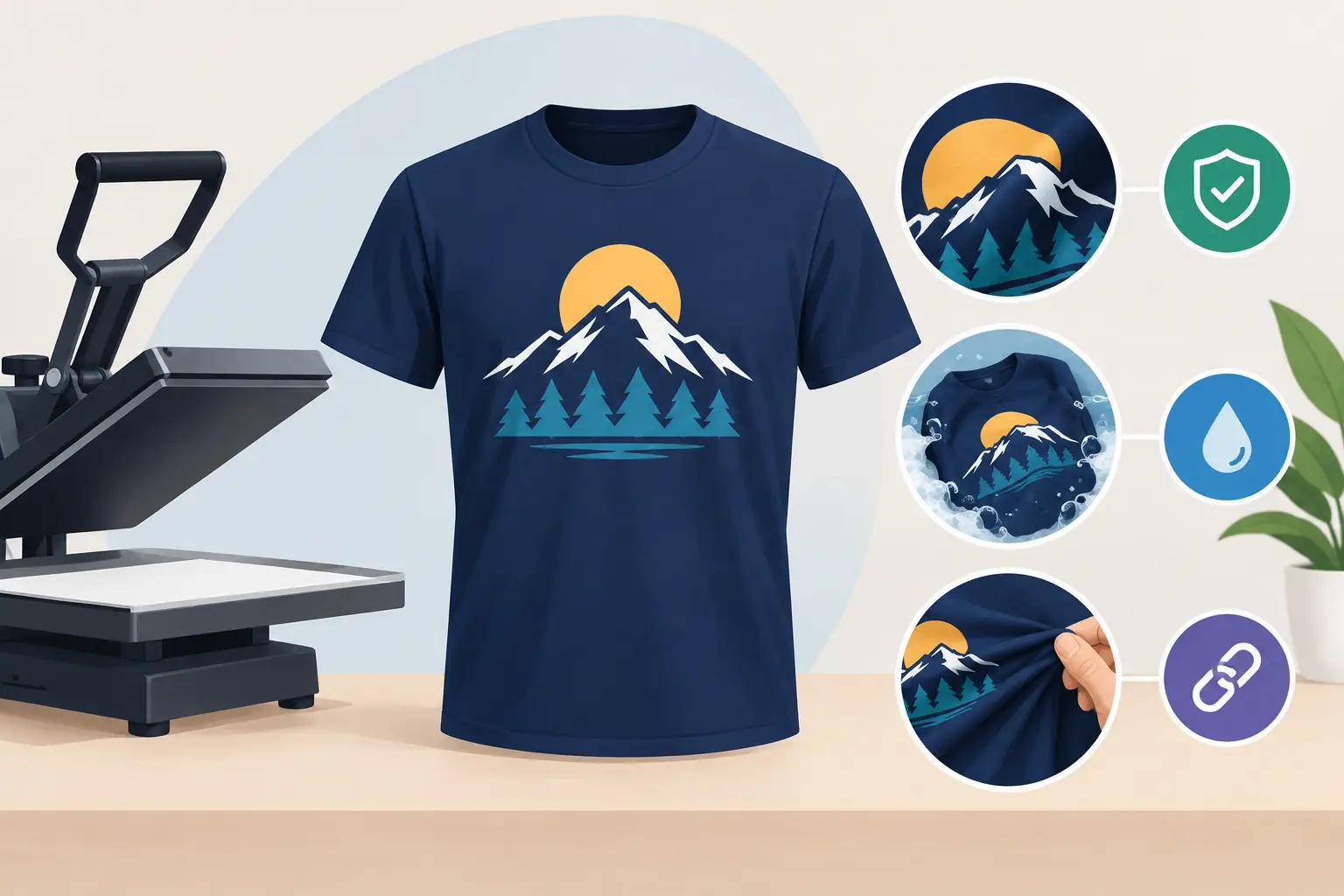
Each decoration method brings trade-offs. Embroidery offers a premium, dimensional finish but may not suit fine gradients or very lightweight fabrics. Screen printing is efficient for bold designs and larger quantities, but complex multicolor artwork requires careful setup. Direct-to-garment printing can reproduce detailed art on suitable garments, while heat transfer supports names, numbers, and short-run personalization. Choosing the process early prevents delays and helps protect the intended finish.
Personalization Is Reshaping Custom Merchandise Trends
Bulk ordering no longer has to mean every unit is identical. Personalized names, job titles, player numbers, departments, or event roles can make a standard product feel more valuable while maintaining a controlled brand system. This is particularly useful for schools, sports teams, employee onboarding, sales recognition, and executive gifting.
Personalization should have a purpose. Adding names to every item can increase administration and production complexity, so it is best reserved for products recipients will keep or wear regularly. For a 5,000-piece public giveaway, a single unified design may be the smart choice. For 150 staff uniforms or a limited client gift set, personalization can create a much stronger impression.
A practical approach is to build a core design with fixed brand elements, then identify the variable fields before production begins. Confirm spelling, numbering formats, sizing lists, and approval deadlines in one organized process. Specification accuracy is where a good merchandise idea becomes a dependable order.
Small-batch collections with a clear audience
Rather than producing one broad item for everyone, many organizations are creating focused merchandise collections for distinct groups. A recruitment event may use youth-oriented oversized tees and caps. A leadership retreat may use refined polos, travel bags, and notebooks. A school may develop separate sportswear, club shirts, and staff uniforms within the same color system.
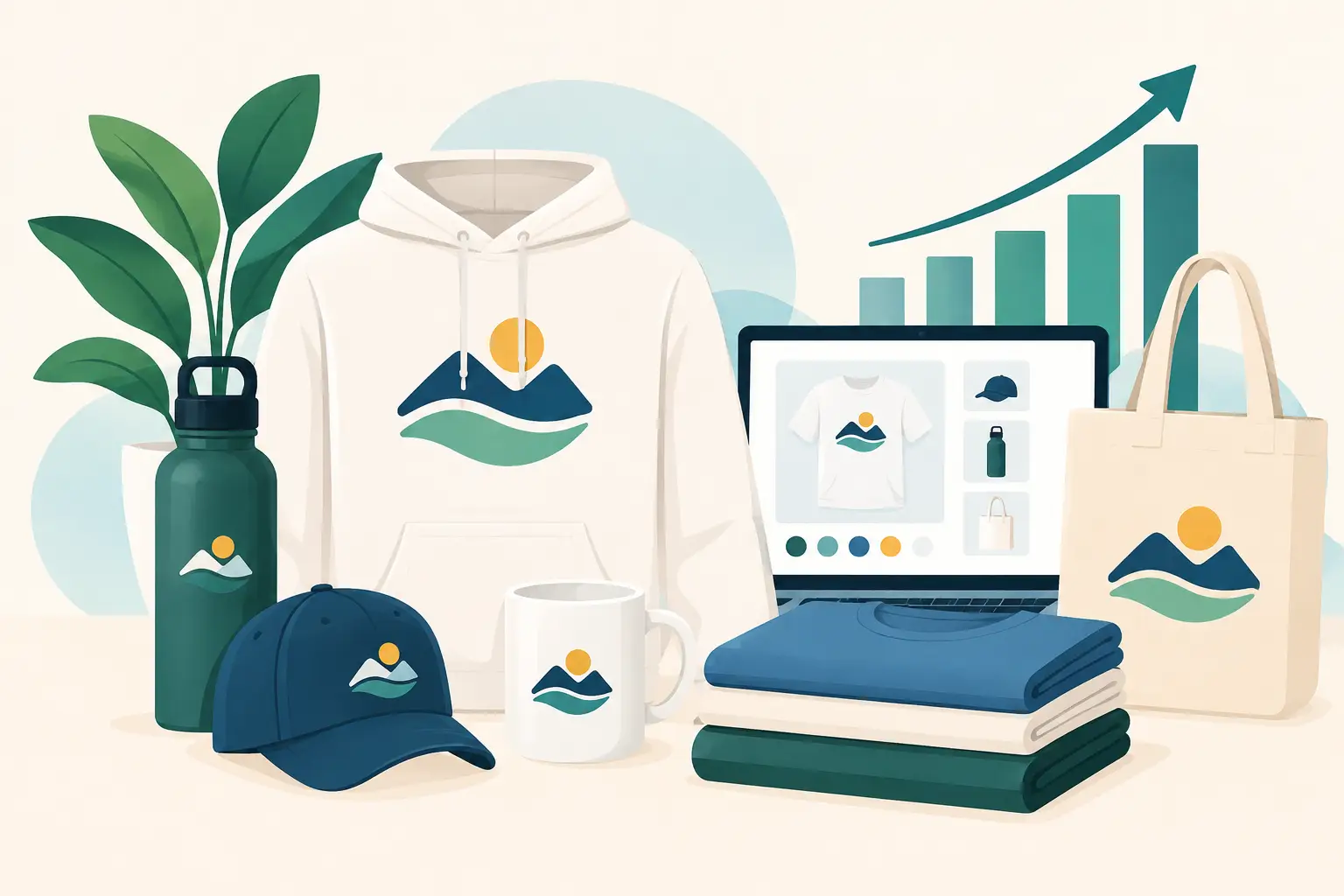
This approach allows merchandise to feel relevant without sacrificing brand consistency. It also makes budgeting easier because premium items can be reserved for priority audiences while high-volume pieces serve broader outreach goals. The key is to maintain a recognizable visual thread through approved logo versions, brand colors, and decoration standards.
Practical Design Choices That Protect Your Brand
A trend is only useful if it can be produced consistently. Before approving artwork, start with the product’s purpose, target quantity, delivery date, and expected use conditions. These four details shape nearly every later decision, from fabric weight to printing method.
Color deserves extra attention. A screen color that looks excellent on a white T-shirt may lose impact on navy, heather gray, or performance fabric. Embroidery thread and printed ink also read differently under indoor lighting, outdoor sun, and photography. Requesting color references, garment swatches, or production samples can reduce surprises, particularly when your brand relies on a specific shade.
Sizing is another frequent pressure point for bulk apparel orders. An attractive uniform program fails if employees cannot get a suitable fit. Build a size collection process early, use a clear size guide, and consider whether unisex, women’s, youth, or extended sizing is needed. If the garments will be distributed across multiple locations, plan packing and labeling requirements before manufacturing starts.
Artwork files should be production-ready whenever possible. Vector logos are generally preferred for crisp screen printing and embroidery digitizing, while high-resolution files matter for detailed printed artwork. Keep text readable at the intended size. Fine lines, tiny type, and subtle color shifts may look good on a screen but can disappear when transferred to fabric or a small promotional item.
How to Build an Order That Performs Beyond Launch Day
The best merchandise orders are planned as a program, not a product selection exercise. Start by deciding what success looks like. For uniforms, it may be improved team presentation and easier role recognition. For an event, it may be visibility, attendee engagement, or sponsor exposure. For corporate gifts, it may be a stronger relationship with a client or employee.
Then match your investment to the lifespan of the item. Spend more on garments or bags that will be used repeatedly. Keep simpler, durable choices for mass distribution. This balance helps control cost while protecting the quality of the items that will represent your organization for months or years.
Work with a production partner that can guide the full process, from garment type and fabric choice through artwork placement, decoration method, quality control, and delivery planning. When multiple products are needed, such as uniforms, caps, tote bags, and gifts, sourcing them through one accountable team can make color consistency and scheduling easier to manage. Green Cotton supports this kind of end-to-end coordination, helping organizations turn specifications into finished merchandise with confidence.
The most valuable trend is not a particular shirt cut, print effect, or giveaway item. It is the move toward merchandise that has a reason to exist. Choose products people want to wear, carry, and keep, then give every detail the same care you give your brand.