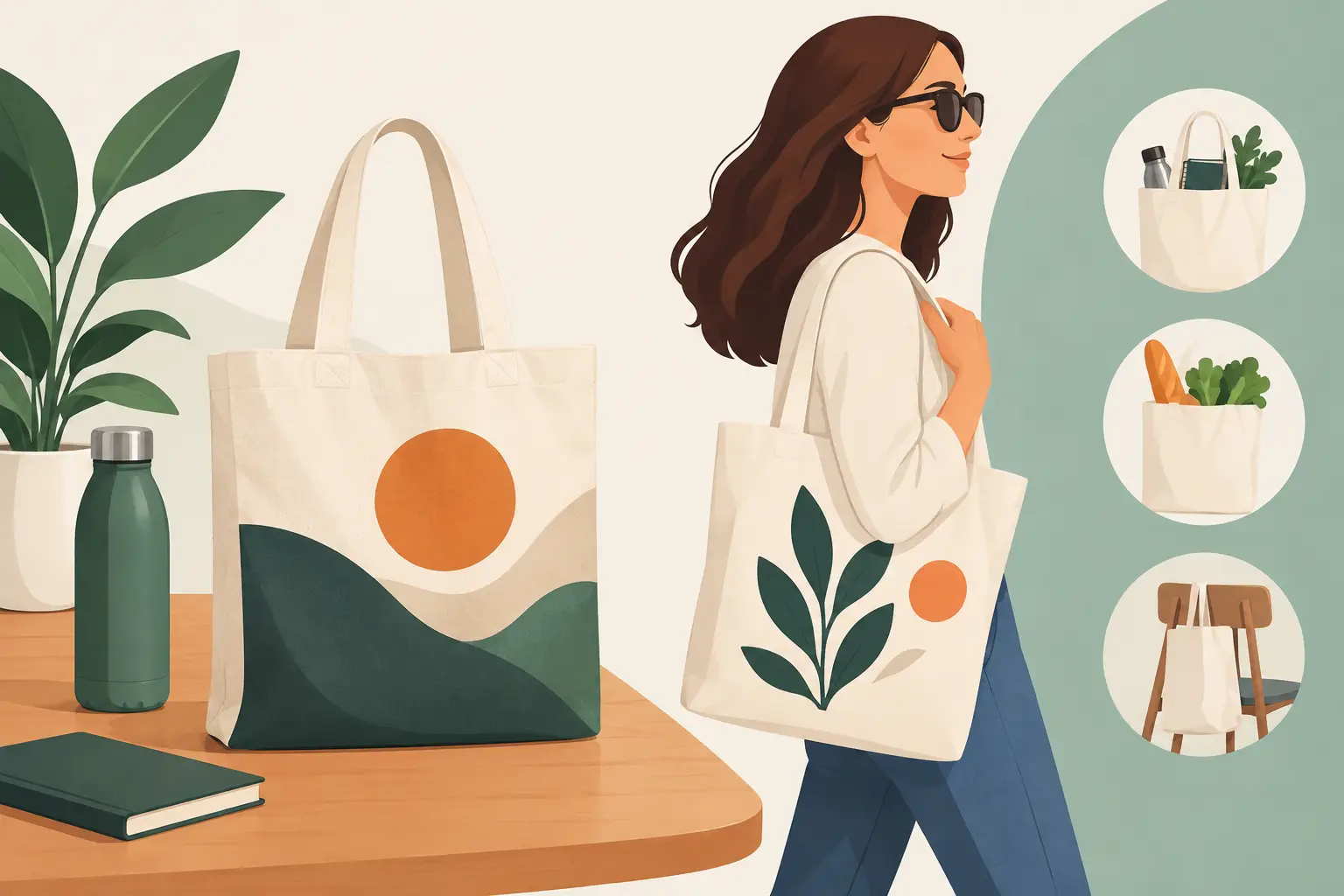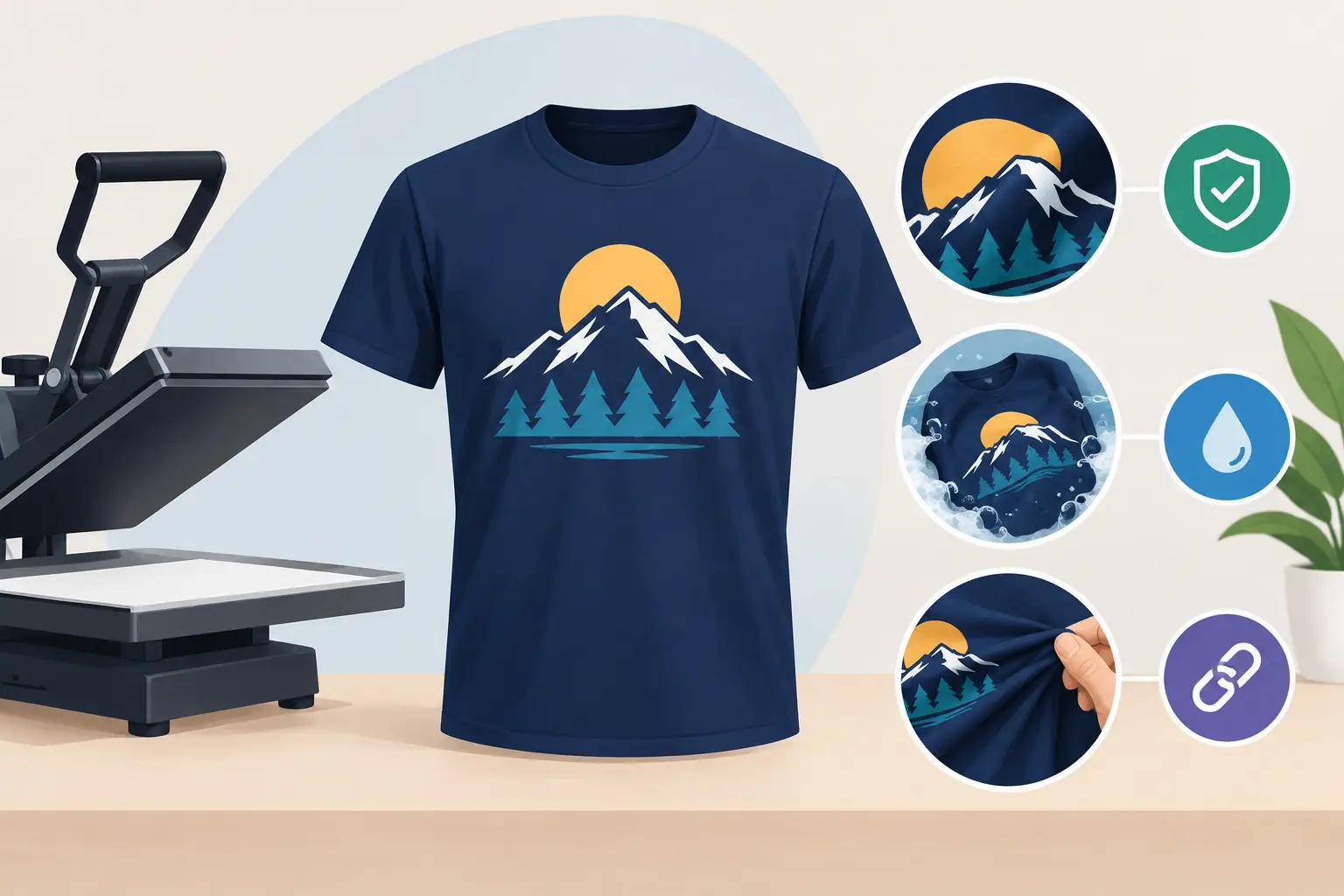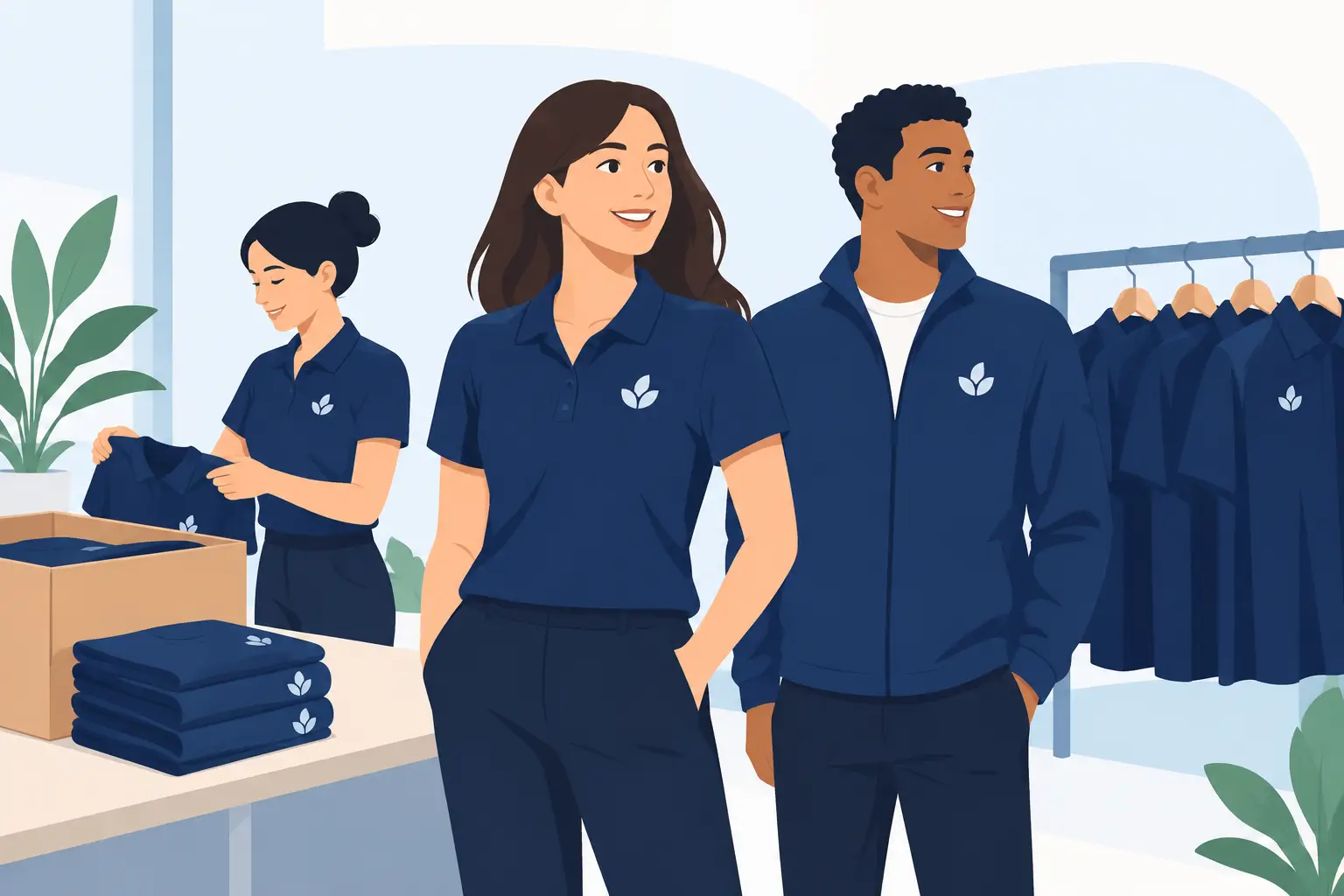

A staff polo can be washed every week for years. A tradesperson’s work shirt may face abrasion, heat, and repeated industrial laundering. An event tote may be used only occasionally, but needs to look premium from the first handoff. So, does embroidery last? In most cases, yes – and it is one of the most durable ways to apply a logo to apparel and accessories. Its real lifespan, however, depends on the garment, the digitized artwork, the stitching process, and how the finished item is used.
For organizations buying uniforms, teamwear, caps, or branded gifts in volume, embroidery is not simply a decorative choice. It is a long-term brand presentation decision. Done well, a stitched logo can remain sharp and secure long after many printed designs would begin to fade.
Does Embroidery Last on Uniforms and Workwear?
Embroidery lasts because the design is built with thread stitched directly into the fabric rather than laid on top as ink. The logo does not crack or peel in the way that some decoration methods can when exposed to frequent stretching, washing, or heat. Quality polyester embroidery thread also holds color well and offers strong resistance to everyday wear.
That durability makes embroidery particularly well suited to corporate uniforms, hospitality shirts, workwear, caps, jackets, bags, and premium employee gifts. A left-chest company logo on a polo shirt, for example, is protected from much of the direct abrasion that affects sleeves, elbows, and cuffs. On structured caps and durable bags, embroidery often delivers a polished result that can outlast the item’s active use.
There is a trade-off. Embroidery adds texture, weight, and a slightly raised finish. That is an advantage for brands seeking a professional, established look. But a very large or densely stitched design can make lightweight garments feel stiff, especially across the chest or back. Selecting the right method should always begin with the garment’s purpose, fabric, and expected wear conditions.
What Determines How Long Embroidery Will Last?
The thread itself matters, but it is only one part of the result. Long-lasting embroidery comes from aligning artwork, machine settings, backing, fabric, and finishing standards before production begins.
Fabric and garment construction
Stable fabrics support embroidery best. Polo knits, twill work shirts, fleece, canvas bags, caps, and woven jackets are reliable choices because they hold stitches securely. Very thin T-shirts, highly stretchy performance fabrics, and loosely woven materials can still be embroidered, but they require more care. Without the correct stabilizer and tension settings, the fabric may pucker around the logo or distort during wear.
Garment construction also affects placement. Seams, pockets, zippers, and thick panels can interfere with a clean stitch-out. A production partner should review the intended logo location before manufacturing, especially for custom-made uniforms. A strong design on a flat sample panel is not automatically a strong design on a finished garment.
Digitizing quality
A logo must be converted into an embroidery file before stitching. This process is called digitizing, and it has a major impact on durability and appearance. Good digitizing determines stitch direction, stitch density, underlay, pull compensation, and the sequence in which colors are sewn.
If a design is over-digitized, it can become excessively dense. The garment may feel rigid, the thread can sit heavily on the surface, and the fabric may strain around the design. If it is under-digitized, small details may look weak and coverage may be uneven. The goal is not to use the maximum number of stitches. It is to create a clean logo with the right amount of support for the fabric.
This is why businesses should provide clear vector artwork where possible and request a sample or sew-out approval for important bulk orders. Fine text, thin lines, gradients, and tiny internal details often need adjustment to remain readable in thread.
Thread, backing, and finishing
Commercial embroidery normally uses polyester thread for uniforms and promotional products because it is durable, colorfast, and suitable for routine washing. Specialty threads may create a specific visual effect, but they should be chosen with the item’s working conditions in mind.
Backing, also called stabilizer, supports the fabric during embroidery and helps the stitches stay balanced. The right backing reduces puckering and limits movement around the logo. For some garments, a soft cover backing may also be used on the inside to improve wearer comfort, particularly when embroidery sits against the skin.
Clean trimming and secure stitch starts and ends are equally important. Loose thread tails are not merely a cosmetic issue. They can catch, unravel, and weaken the finished design over time.
Washing and Care Make a Difference
Even excellent embroidery needs sensible care. For standard uniforms, turn garments inside out before washing, use cold or warm water, and select a normal or gentle cycle appropriate for the garment fabric. Avoid harsh bleach unless the garment care label specifically permits it. Bleach can weaken fibers, affect thread color, and shorten the life of the garment around the embroidered area.
High dryer temperatures are another common issue. Embroidery thread may withstand regular laundering well, but excessive heat can affect certain garment fabrics, adhesives, coatings, and performance finishes. Air drying or low-heat drying is usually the safer choice when appearance matters over the long term.
Workwear used in demanding settings may need industrial laundering or specialized cleaning. In that case, the decoration method should be specified around the laundry process from the start. A uniform intended for restaurant operations, healthcare services, manufacturing, or field crews should not be treated like a promotional T-shirt that is worn a few times a year.
When Embroidery Is Not the Best Choice
Embroidery is durable, but it is not automatically the best method for every logo or product. Large full-back graphics, photographic artwork, detailed color blends, and designs with very fine lettering are often better suited to screen printing, direct-to-garment printing, sublimation, or heat transfer. These methods can reproduce visual details that thread cannot.
Embroidery may also be less suitable for ultralight activewear where breathability and stretch are priorities. A dense chest logo can pull on a thin athletic fabric or create discomfort during movement. For sports jerseys, a printed or sublimated crest may be more practical, while embroidery can still work well on team caps, outerwear, bags, and presentation apparel.
The strongest programs often use more than one decoration method. A company may choose embroidered polos and jackets for supervisors and client-facing staff, screen-printed shirts for a large event team, and sublimated jerseys for a sports day. The logo remains consistent, while the application is matched to each product’s function.
How to Specify Embroidery for a Bulk Order
A durable result begins before the machines start. Share the intended garment type, fabric, logo size, placement, quantities, and use conditions with your supplier. Mention whether the items will face frequent washing, outdoor use, heat, chemicals, heavy physical activity, or industrial laundry. These details guide decisions on thread, backing, design density, and garment selection.
It also helps to establish brand standards early. Confirm approved logo colors, minimum readable text size, preferred placement, and whether each department, location, or employee name requires personalization. For multi-item programs, consistency matters as much as durability. A logo should look equally intentional on a polo, cap, tote, and jacket, even though each surface requires a different production approach.
At Green Cotton, embroidery planning is treated as part of the full customization process, not an afterthought. The right garment and decoration method are selected together so your team receives products that perform well in real use and represent the brand accurately.
A Lasting Logo Starts With the Right Production Choice
Embroidery can last for the useful life of a quality garment when it is properly digitized, stitched on a suitable fabric, and cared for according to the item’s needs. For organizations, that makes it a dependable choice for uniforms and branded merchandise that must keep looking professional well beyond the first presentation.
Choose embroidery for the items people will wear, carry, and rely on repeatedly – then give the production details the same attention you give your logo. Your identity is carried in every stitch.