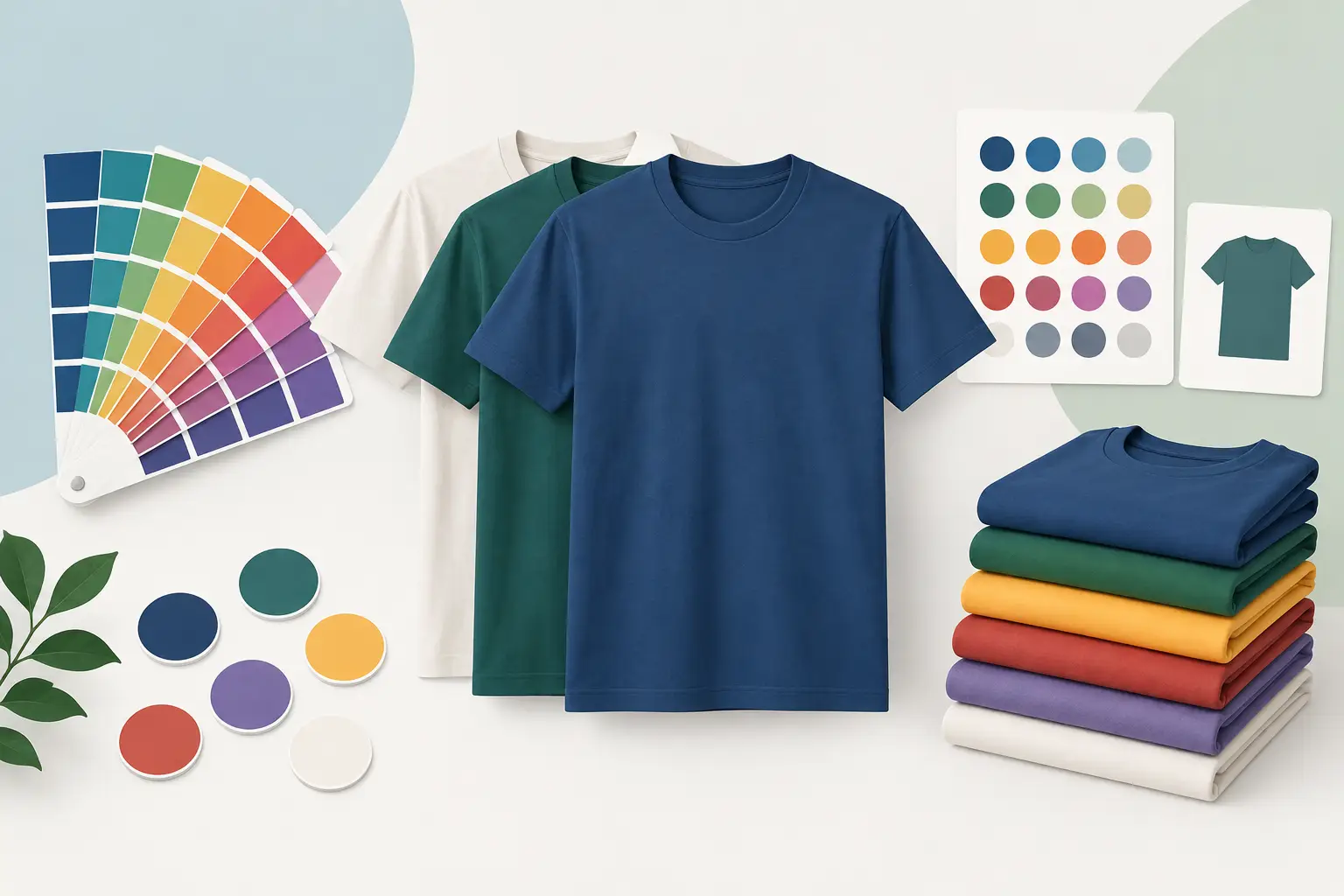
A jersey that looks sharp on screen can fall apart fast in production. Colors shift, sizing runs off, fabric feels heavy, and delivery slips past your event date. That is why choosing the right sublimation jersey manufacturer is not just a sourcing task. It is a brand decision, a timeline decision, and often a budget decision too.
For schools, companies, sports teams, and event organizers, the stakes are practical. You need jerseys that carry your identity clearly, fit your group properly, and arrive when promised. You also need a supplier that can handle real production requirements, not just a nice mockup. The gap between a sample visual and bulk manufacturing is where many orders go wrong.
What a sublimation jersey manufacturer actually does
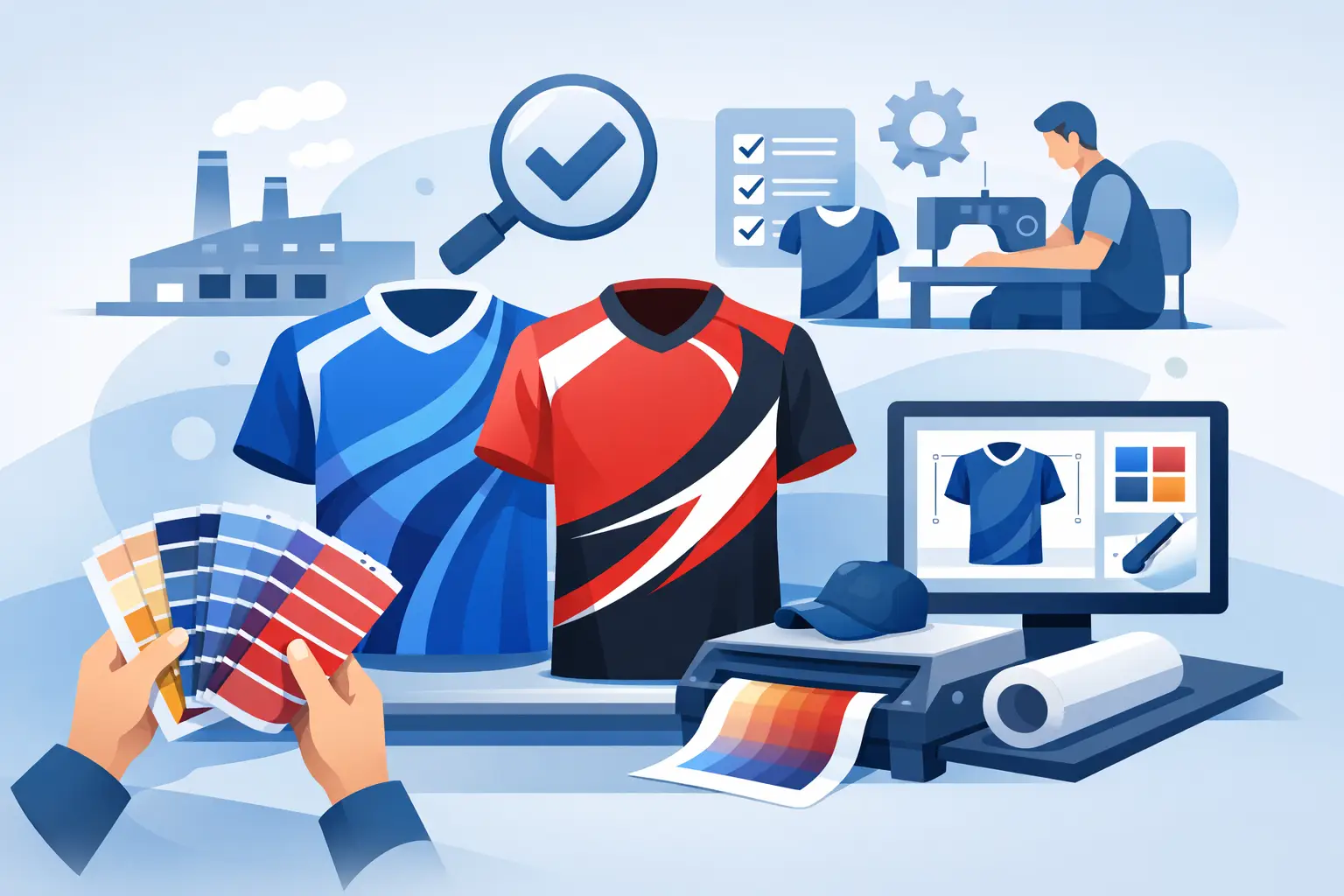
A true manufacturing partner does more than print artwork onto fabric. The work usually starts with garment planning – selecting the right jersey style, matching fabric performance to the use case, confirming sizing, and preparing artwork so colors, logos, names, and numbers reproduce correctly at scale.
Sublimation itself is well suited for jerseys because the design becomes part of the fabric rather than sitting on top of it. That allows full-color coverage, cleaner durability, and freedom for custom graphics across the entire garment. For activewear, teamwear, and event jerseys, that matters. The print will not crack or peel the way surface-applied methods can under repeated wear and washing.
But the printing method alone does not guarantee a good result. A capable manufacturer also controls fabric consistency, cut-and-sew accuracy, panel alignment, and finishing quality. If those steps are weak, even a vivid print can end up on a poor garment.
Why manufacturer choice affects more than appearance
When buyers compare jersey suppliers, the first instinct is often to focus on price. Cost matters, especially for bulk orders, but the cheapest quote can become expensive if rework, delays, or quality complaints follow.
A dependable sublimation jersey manufacturer protects more than your budget. It protects your schedule, your team presentation, and your internal workload. Procurement teams want fewer surprises. HR wants staff uniforms that look professional and feel wearable. Event organizers want smooth distribution without last-minute corrections. Coaches and coordinators want consistent sizing across the group.
That is why manufacturer selection should be based on execution, not just design capability. Anyone can promise custom options. The better question is whether they can deliver those options accurately and on time.
Key signs of a reliable sublimation jersey manufacturer
The first sign is material clarity. A strong supplier can explain the difference between lightweight, breathable jersey fabrics and more structured options. They should be able to recommend based on usage, whether you are ordering for sports performance, corporate team-building, school houses, or promotional wear.
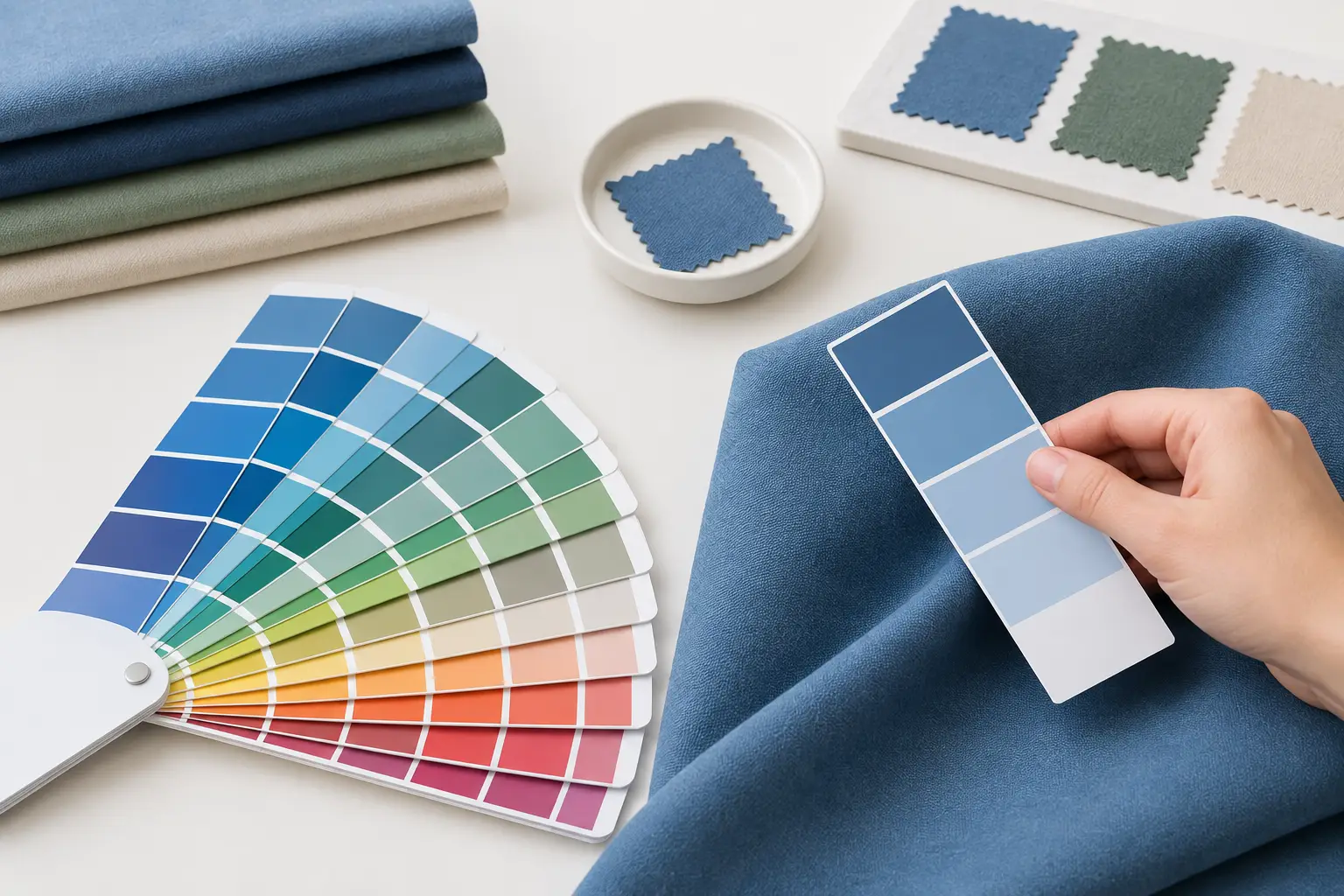
The second is production transparency. You should know what happens after artwork approval. How are sizes confirmed? How are colors referenced? What is the sample process? What is the bulk lead time? If the answers are vague, expect inconsistencies later.
The third is customization control. Names, numbers, sponsor marks, badges, and team graphics all need to be placed accurately. This is especially important for mixed orders where one jersey design may require multiple individual variations. A manufacturer that handles bulk personalization efficiently saves time and reduces errors.
The fourth is quality assurance. Ask how garments are checked before packing. Good production partners inspect print sharpness, stitching, measurements, and finishing. They do not wait for the client to find problems after delivery.
Fabric, fit, and function should come before artwork excitement
Buyers often fall in love with the design stage first. That is understandable. The visuals are exciting, and sublimation opens up strong creative freedom. Still, the best jersey program starts with wearability.
Fabric choice affects comfort, appearance, and cost. A lightweight moisture-managing polyester may work well for sports and outdoor events. A slightly heavier option may suit casual wear or staff activities where durability matters more than performance feel. Neither is universally better. It depends on who will wear the jersey, how long they will wear it, and under what conditions.
Fit matters just as much. A corporate fun run jersey may need a broader size spread and a more relaxed cut than a competitive team uniform. School orders often require youth and adult sizes in the same production run. If the manufacturer cannot guide sizing well, returns are not usually an option once custom bulk production begins.
This is where consultative support makes a difference. A supplier that helps align fabric, sizing, and intended use is doing more than selling a product. They are reducing risk before production starts.
The real trade-offs behind pricing
Not all quotes are built the same way. One manufacturer may price aggressively but exclude design support, sampling, individual naming, or premium fabric options. Another may quote higher while covering more services and tighter quality control.
This is why price comparisons need context. A low quote may work for a short-term promotional jersey where basic performance is acceptable. It may be the wrong choice for repeat annual programs, interschool sports, or branded corporate use where presentation and consistency matter more.
Minimum order quantity is another factor. Some suppliers are set up for very large runs, while others are more flexible with medium-volume projects. If your order size sits in the middle, the best value may come from a manufacturer that is operationally suited to that volume rather than one that simply offers the lowest unit cost.
Lead time also affects value. Faster turnaround can be worth paying for when event dates are fixed. At the same time, extremely rushed production may limit approval stages or increase the chance of mistakes. The right balance depends on your timeline and tolerance for revision.
Questions worth asking before you approve production
A good buying process is rarely complicated, but it should be disciplined. Ask who prepares the production file and how final artwork is approved. Confirm whether colors are matched visually or to a defined reference. Check what sizing information is available and whether sample review is possible.
You should also ask how the manufacturer handles repeat orders. This matters for schools, clubs, and companies that may need the same jersey design again months later. Production consistency across batches is a sign of operational maturity.
Packaging and delivery are worth clarifying too. Bulk jersey orders often need sorted sizing, named units, or organized packing by team, department, or class. A manufacturer that plans for distribution details can save your team hours of sorting after delivery.
When a full-service partner makes the most sense
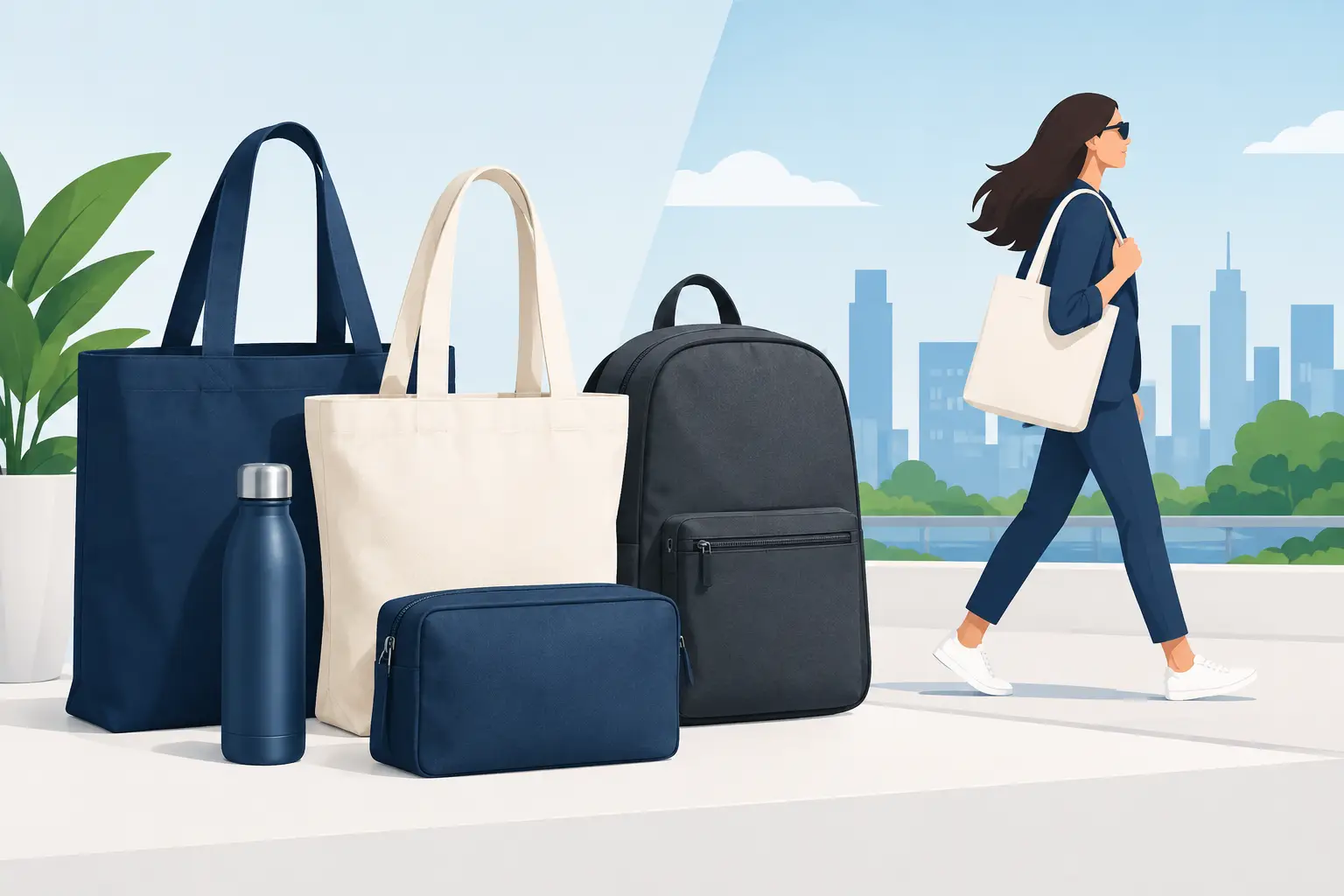
If you only need simple jerseys once, a basic supplier may be enough. But many organizations need more than a one-off print job. They need coordinated apparel, matching event merchandise, or a supplier that can move from jerseys to polos, caps, bags, or uniforms without losing brand consistency.
That is where a full-service production partner becomes useful. Instead of managing separate vendors for apparel design, decoration methods, and bulk manufacturing, you work through one accountable source. That usually means fewer communication gaps and better control over specifications.
For buyers managing brand visibility across departments or events, that model is efficient. It keeps colors, logos, and garment standards aligned while simplifying procurement. Green Cotton operates in that space – not just as a printer, but as a production partner that supports customization from concept through bulk delivery.
Choosing for long-term reliability, not just the next order
The best sublimation jersey manufacturer is not always the one with the flashiest sample or the fastest first reply. It is the one that understands your use case, asks the right production questions, and delivers what was approved without avoidable drama.
That kind of reliability shows up in small details – consistent sizing, clean finishing, accurate colors, organized packing, and honest lead times. It also shows up in how problems are prevented before they reach your team.
If you are sourcing jerseys for a business, school, team, or event, think beyond the design file. Choose a manufacturer that can carry your identity into production with discipline. When the jerseys arrive looking right, fitting right, and ready on time, the decision pays off long after the order is placed.