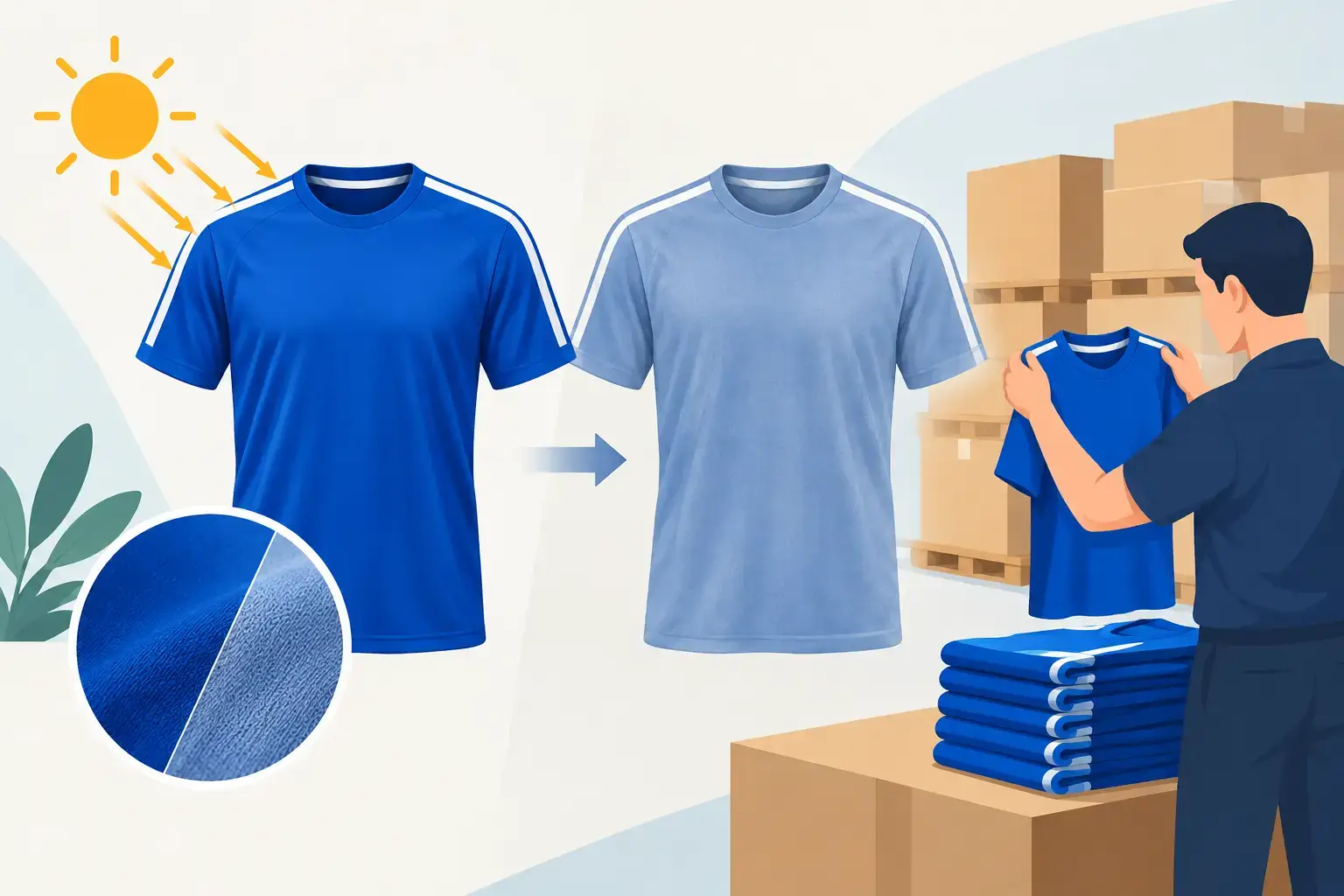
A jersey can look exceptional at handover, then lose impact after a season of training, washing, sun exposure, and regular wear. So, do jerseys fade? They can, but fading is not inevitable. The fabric, dye process, decoration method, color choice, and care instructions all influence how well a jersey keeps its original appearance.
For schools, sports clubs, event organizers, and businesses ordering apparel in volume, this matters beyond appearance. A faded jersey can make a team look inconsistent, weaken a sponsor logo’s visibility, and create avoidable replacement costs. The right production decisions protect both your budget and your identity.
Why Do Jerseys Fade?
Most fading happens when dye or printed color breaks down, transfers, or gradually washes away. Heat, friction, ultraviolet light, harsh detergents, and repeated laundering can all accelerate the process. The exact risk depends on how the jersey is made.
Traditional dyed fabrics hold color within the fibers, but performance varies by fiber type and dye quality. Cotton jerseys can fade more noticeably than polyester when washed aggressively, especially in dark shades such as black, navy, maroon, and deep red. Polyester is naturally well suited to colorfast dyeing, which is one reason it remains a leading choice for sportswear and active team uniforms.
Printed artwork has its own considerations. A logo may remain vivid while the base fabric loses color, or the fabric may stay strong while a low-quality print cracks, peels, or becomes dull. This is why a jersey should be specified as a complete product, not selected only by garment color or price.
Sun exposure is another practical factor. Outdoor teams, road crews, event staff, and promotional teams can spend hours in direct sunlight. UV light gradually damages dyes and pigments, particularly on bright colors and lower-grade materials. A jersey intended for a one-day event faces different demands from one worn every week throughout the year.
Fabric Choice Has a Major Effect on Color Life
For high-use jerseys, polyester is often the most dependable option. It dries quickly, manages moisture effectively, and works particularly well with sublimation printing. Because the design is infused into polyester rather than sitting as a separate layer on the surface, it is highly resistant to peeling and cracking.
This does not mean every polyester jersey will perform the same. Fabric weight, knit construction, yarn quality, and finishing all affect durability, comfort, and color consistency. A lightweight mesh may be ideal for a hot sports day, while a denser interlock knit can provide a more structured appearance for corporate games, school teams, or frequent use.
Cotton and cotton-blend jerseys can be comfortable and familiar, especially for casual events or lifestyle teamwear. However, they require greater care when color retention is a priority. A premium reactive dye process improves performance, but no cotton garment is completely immune to gradual fading after repeated hot washes and drying cycles.
For procurement teams, the key is matching material to actual use. A low-cost fabric may suit a one-off fun run. A league uniform, staff jersey, or sponsor-backed team kit should be chosen for repeated washability and consistent color over time.
Decoration Method Determines What Lasts
A jersey is often carrying more than a name and number. It may represent a company, school, campaign, or event partner. The decoration method needs to suit the artwork, quantity, garment fabric, and expected lifespan.
Sublimation for Full-Coverage Sports Designs
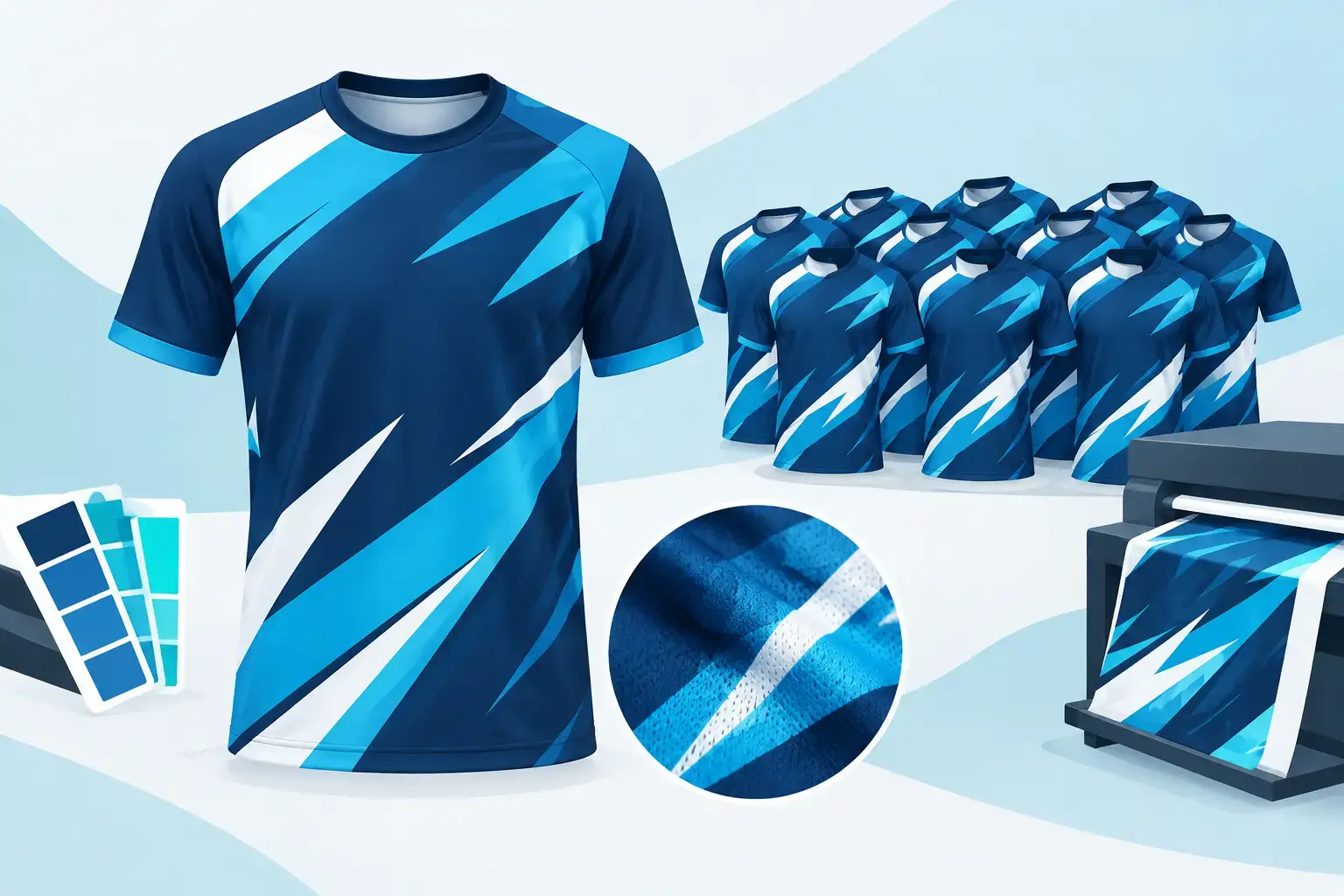
Sublimation is one of the strongest options for polyester jerseys with complex, colorful artwork. It is especially effective for gradients, patterns, names, numbers, sponsor marks, and all-over designs. The color becomes part of the fabric, so there is no thick print layer to crack or peel during movement and washing.
The trade-off is material compatibility. Sublimation works best on light-colored polyester and polyester-rich fabrics. It is not the right choice for every garment type, particularly cotton uniforms or dark cotton apparel.
Screen Printing for Bold, Repeatable Logos
Screen printing remains a practical choice for simple designs in solid colors, such as chest logos, event graphics, and team marks. On suitable garments and with proper curing, it delivers a strong, clean result for bulk orders.
However, screen-printed ink sits on top of the fabric. Excessive heat, rough washing, and repeated abrasion can reduce its appearance over time. It is often best for limited-color artwork rather than a full jersey design with fine photographic detail or color fades.
Heat Transfer and Direct-to-Garment Applications
Heat transfer can be useful for individual names, numbers, short-run personalization, and designs that require fast customization. Quality matters greatly. Poorly applied transfers can lift at the edges or become brittle after repeated laundering.
Direct-to-garment printing is best suited to certain cotton or cotton-blend garments and detailed artwork. It can produce excellent results when the garment, pretreatment, ink, and curing process are properly matched. For a hard-working sports jersey, however, buyers should compare it carefully against sublimation or screen printing before deciding.
Color Choices That Need Extra Attention
Dark colors do not automatically fade faster, but fading is often more visible on them. Black may shift toward charcoal, while navy can take on a washed-out appearance. Bright reds, fluorescent shades, and intense blues may also show UV effects sooner depending on the dye system and conditions of use.
White or very light jerseys avoid the visual problem of color fade, but they introduce another challenge: staining, yellowing, and visible dirt. For outdoor teams and operational staff, a mid-tone or patterned design can be a practical compromise. It can maintain a polished look between washes without sacrificing brand visibility.
When ordering multiple sizes, batches, or future reorders, color matching should be discussed at the start. Custom dyed fabric offers greater control for organizations with strict brand standards, but it also requires accurate approvals and production planning. A physical swatch or approved sample is far more reliable than judging color from a screen.
How to Specify Jerseys That Stay Consistent
A reliable jersey order starts with a clear brief. State where and how often the apparel will be worn, whether it will be used indoors or outdoors, how it will be washed, and how long it needs to remain presentable. Those details help determine the best fabric and decoration process.
Before bulk manufacturing, review the artwork at production size and confirm the color specifications. For corporate and school identities, provide approved brand color references where available. Also confirm the placement and dimensions of logos, names, numbers, and sponsor artwork across every size range. A print that looks balanced on a medium jersey can appear too small or too close to a seam on larger sizes if grading is not considered.
Ask for a sample when the order involves a new fabric, complex artwork, custom color, or high-visibility branding. A sample allows your team to assess shade, hand feel, breathability, print clarity, and construction before the full run begins. It is one of the most effective ways to protect specification accuracy.
At Green Cotton, jersey production can be planned around the intended use, from fabric selection and custom design through decoration and bulk quality control. The objective is not simply to produce apparel that looks right on day one, but to deliver a uniform that represents your organization confidently through real use.
Care Instructions Still Matter
Even the best-produced jerseys need appropriate care. Provide simple wash instructions with every handover, particularly for employee uniforms, school teams, and event kits that will be handled by many individuals. Wash jerseys inside out in cold or cool water, use a mild detergent, avoid bleach, and separate dark colors from light garments when possible.
High dryer heat is a common cause of premature fading and print wear. Air drying is gentler, while a low-heat dryer setting is preferable when drying time is limited. Avoid ironing directly over printed areas, names, numbers, and logos. These small habits can extend the useful life of apparel substantially.
Do not assume that a faded jersey is always a manufacturing failure. The cause may be frequent sun exposure, unsuitable detergent, high-temperature drying, or a fabric and print combination selected for a different use case. Clear care guidance and correct product specification work together.
A jersey should continue to look like it belongs to your team after the first match, the fifth wash, and the final event photo. Start with the wear conditions, choose the production method that fits them, and approve the details before bulk production begins. Your identity is worth building into every layer of the garment.