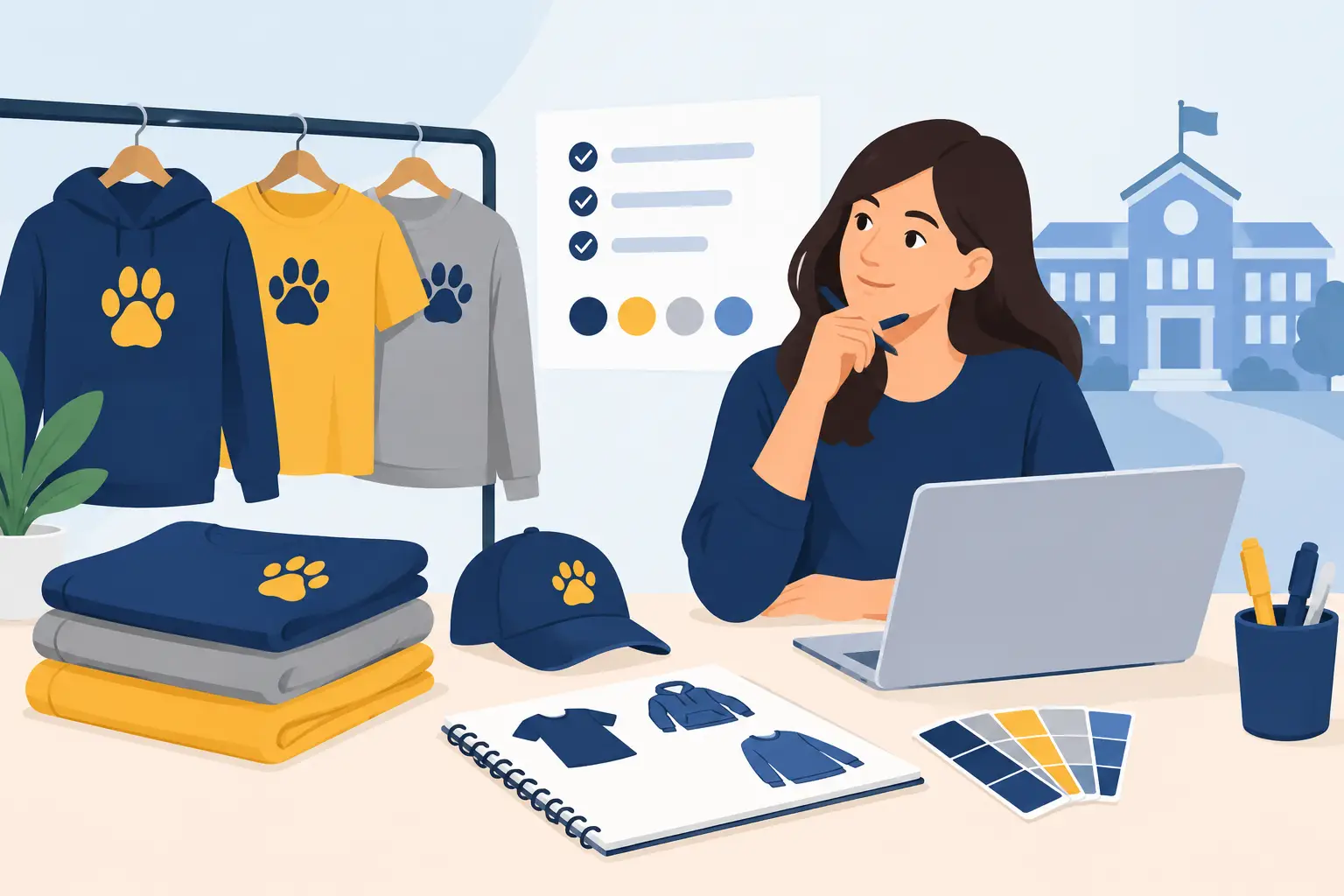

A welcome gift that sits unopened in a desk drawer sends the wrong message. A well-planned box, on the other hand, gives a new hire, long-serving employee, or event attendee something they can use and remember. When you create employee gift boxes with a clear purpose, every item has a job: build belonging, support daily work, recognize effort, or carry your brand beyond the office.
For HR, procurement, and marketing teams, the challenge is rarely finding products. The challenge is making many decisions – item selection, branding, budget, sizing, packaging, and delivery – without losing consistency or missing the date. A practical gifting plan turns those moving parts into a reliable production process.
Start With the Moment You Are Marking
Employee gift boxes work best when they respond to a specific moment. An onboarding kit should help someone feel prepared from day one. An anniversary gift should feel more personal and premium. A box for a company retreat may need practical items employees can use during the event, while a year-end appreciation gift can be more celebratory.
Before selecting products, define the outcome in one sentence. For example: “We want new hires to feel equipped and part of the team before their first day,” or “We want to thank field staff with durable products they will use outside work.” This keeps the box focused when different stakeholders begin adding ideas.
The recipient group matters just as much. Office-based teams may appreciate a tumbler, notebook, tech pouch, or desk accessory. Field crews may get more value from a quality work shirt, cap, insulated bottle, or durable travel bag. For a mixed workforce, choose universal essentials and avoid items that assume everyone has the same work routine.
Create Employee Gift Boxes Around Useful Products
The strongest corporate gifts are not necessarily the most expensive. They are the items employees reach for repeatedly. Regular use gives the gift real value and gives your brand ongoing visibility without making the recipient feel like a walking advertisement.
Apparel is often the anchor item because it combines practical value with a sense of belonging. A custom T-shirt may suit a casual culture, internal campaign, or team-building event. A polo shirt can provide a more polished option for customer-facing teams, supervisors, and corporate functions. For outdoor teams or travel-heavy events, caps, lightweight jackets, and performance shirts may make more sense.
Use product combinations that feel intentional rather than crowded. A new-hire box might pair a branded polo with a tote bag, water bottle, notebook, and welcome card. A recognition box could include a premium embroidered jacket, travel bag, tumbler, and a personalized message from leadership. For a budget-conscious campaign, a T-shirt, cap, and reusable tote can still create a coordinated, high-value impression.
Avoid filling the box with low-use giveaways simply to make it look fuller. Five items that support the recipient’s work or lifestyle are usually more effective than ten items with no lasting purpose.
Match Quality to the Message
A gift box is a physical statement about how your organization sees its people. If the goal is appreciation, materials, finishing, and fit deserve attention. A thin shirt with a peeling print can undermine even the most thoughtful message. A well-made garment with accurate sizing, clean embroidery, or durable printing communicates care.
That does not mean every box needs premium products. It means the product standard should match the occasion. A large-scale event giveaway may prioritize accessibility and quantity. An executive milestone or top-performer award may justify upgraded fabric, custom packaging, and individual personalization. Budget decisions are easier when the expected experience is clear.
Build a Consistent Brand Experience
Branded employee gifts should look connected without turning every surface into a logo placement. Use a defined color palette, one or two decoration styles, and packaging that supports the same visual direction. A subtle embroidered logo on a polo, a matching print on a tote, and a branded insert card can feel more considered than large logos applied everywhere.
Think about decoration methods early because they affect both appearance and lead time. Embroidery gives polos, caps, jackets, and bags a professional, textured finish that holds up well. Screen printing is a strong choice for bold designs and larger apparel quantities. Heat transfer can suit names, numbers, and detailed graphics, while sublimation works particularly well for all-over sports jerseys and vivid custom designs.
Color accuracy also matters. If your brand has defined colors, share the correct specifications and approve a sample or digital artwork before full production. Different fabrics and print methods can produce slightly different results, so this step protects the consistency of the finished set.
Personalization can make a standard box feel far more meaningful. Adding an employee name to a garment, bottle, or card creates a stronger connection, especially for onboarding, service awards, leadership programs, and smaller team events. The trade-off is operational: personalized orders require accurate data and earlier approval. Leave time to verify spellings, sizes, and delivery addresses before production begins.
Plan the Box Like a Production Project
Gift programs often run late because teams start with products and leave logistics until the end. Treat the project as a production schedule from the beginning. Set the event date or required delivery date first, then work backward to allow time for design approval, sampling, manufacturing, packing, and distribution.
Gather complete requirements before requesting a quote. This includes quantities, product types, sizes, colors, branding locations, personalization needs, packaging expectations, and whether boxes will be delivered to one office or shipped to individual recipients. The more precise the brief, the easier it is to compare options and prevent unexpected changes later.
For larger orders, order allocation deserves careful attention. Apparel sizing should be collected in advance whenever possible. If sizing data is unavailable, agree on a size ratio based on your workforce and keep a small contingency quantity for exchanges or late additions. For remote employees, confirm addresses and deadlines early rather than chasing information once goods are ready.
Packaging should be chosen for the distribution method. A presentation box may be ideal for an in-person appreciation event, but it may add cost and shipping volume for a nationwide remote-team rollout. In those cases, a branded mailer, reusable tote, or compact package can be more practical. The right answer depends on whether the priority is an unboxing moment, transport efficiency, or both.
Set a Budget That Protects What Matters
A per-box budget is only useful when it includes the full program cost. Product price is one part of the decision. Decoration, individual names, packaging, artwork setup, fulfillment, shipping, and last-minute changes can all affect the final spend.
Choose one hero item first. This may be a premium polo, custom jacket, travel bag, or insulated tumbler. Then add supporting pieces that improve usefulness without competing for budget. This approach creates a clearer hierarchy than trying to make every item equally impressive.
If the budget becomes tight, protect quality on the item employees will use most. It is often better to remove a novelty accessory than downgrade the fabric, fit, or decoration of the main garment. You can also create tiers for different recipient groups, provided the reason is transparent and appropriate. A leadership retreat, employee anniversary, and event volunteer kit do not need identical product values.
Make the Message Personal and Specific
The insert card is a small detail with an outsized effect. It explains why the recipient is receiving the box and turns branded merchandise into recognition. Keep the message direct. Thank employees for a completed project, welcome them to the team, celebrate a service milestone, or connect the items to an upcoming event.
Generic language is easy to overlook. Specific recognition feels more credible: acknowledge the role the team played, the standard they maintained, or the occasion being celebrated. If managers can add a signed note or a short personal message, the gift becomes even more memorable.
Green Cotton supports this process from product selection and artwork preparation through decoration, bulk production, quality checks, and delivery planning. Working with one accountable production partner helps teams keep apparel, bags, packaging, and branded accessories aligned to the same approved specifications.
Check the Details Before You Approve
Before releasing an order, review the artwork placement, logo size, garment color, size breakdown, product quantities, name list, packaging copy, and delivery plan. Ask for confirmation on the production timeline and identify one person on your team who can make fast approval decisions if questions arise.
A physical sample is especially valuable for premium boxes, new products, detailed embroidery, or brand-critical colors. It lets you check the feel of the fabric, the scale of the logo, and how the items sit together in the package. Small adjustments at this stage are far easier than corrections after a full run is completed.
The best employee gift box is not the one with the most items. It is the one that arrives when promised, looks like your organization, and gives people something worth using long after the occasion has passed.