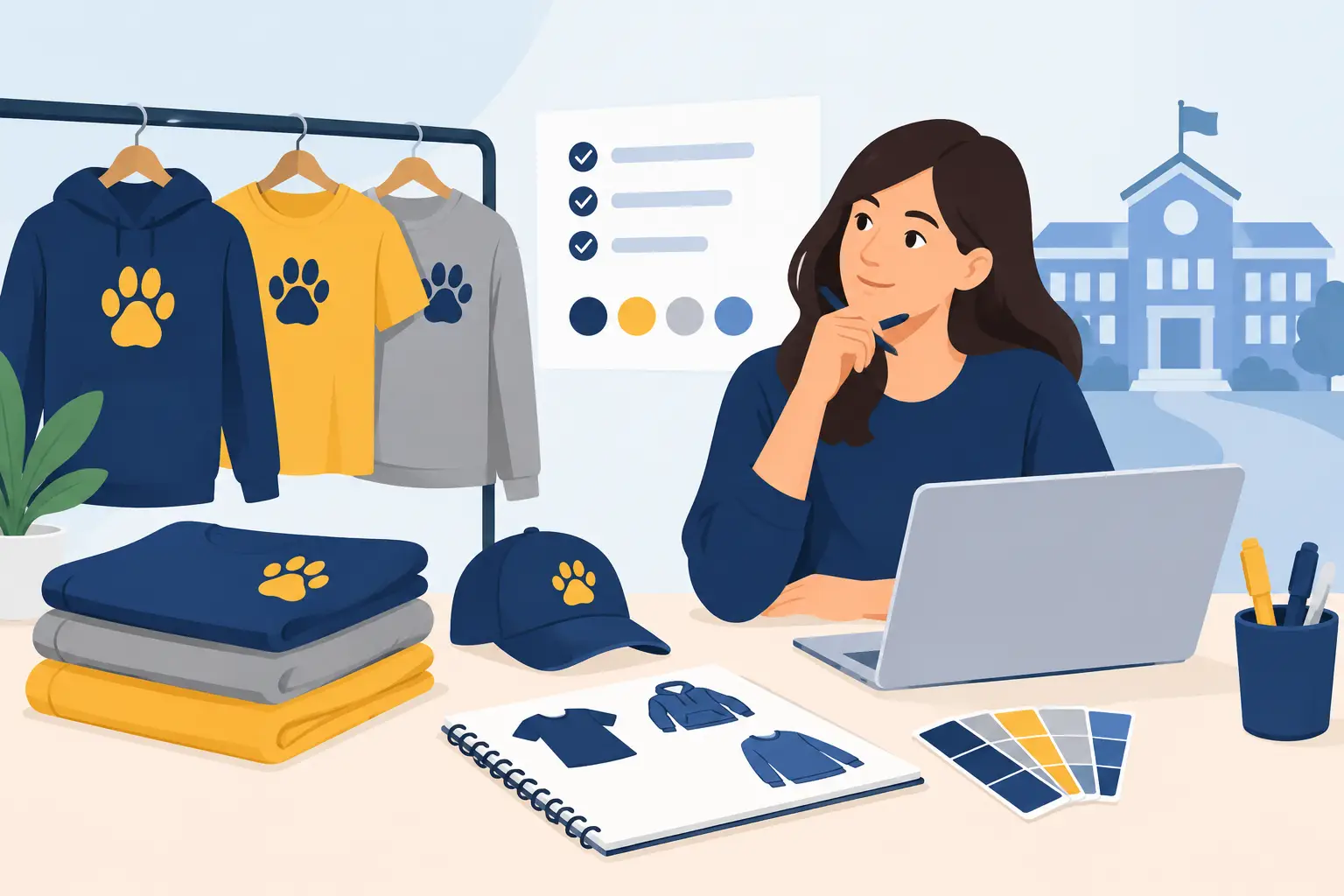

A rushed gift order can turn a thoughtful campaign into a box of items no one uses. The difference is rarely the product alone. A strong corporate gifting strategy guide starts with a clear purpose, a realistic production plan, and merchandise that carries your brand well long after the handover.
For HR, procurement, marketing, and event teams, corporate gifting is a practical brand decision. The right item can welcome a new employee, recognize a long-serving team member, thank a client, or keep an event visible beyond its final session. The wrong item creates waste, misses a deadline, or feels disconnected from the people receiving it.
Start Your Corporate Gifting Strategy With Purpose
Before choosing a tote bag, polo shirt, drinkware, or premium gift set, define what the gift needs to accomplish. A client appreciation gift has different requirements from an employee onboarding kit. A conference giveaway must be easy to carry and useful at scale, while an executive gift may call for more refined materials, presentation, and personalization.
Write the goal in one direct sentence. For example: recognize employees after a major project, strengthen partner relationships at year-end, or give event attendees something useful that keeps the brand visible. This keeps product selection focused and helps internal stakeholders approve the right budget.
The recipient matters just as much as the occasion. Consider their work environment, daily routine, and relationship with your organization. Field staff may value durable workwear or travel bags. Office-based teams may use quality apparel, caps, notebooks, or desk accessories. Clients who receive many promotional items may respond better to fewer, higher-quality products with subtle branding.
A gift does not need to be expensive to be meaningful. It does need to feel intentional. Utility, quality, and a good fit with the recipient often matter more than adding more items to a package.
Set a Budget That Covers the Full Project
A common planning error is to price the product but overlook the production details around it. Your budget should account for the item, branding method, setup requirements, individual personalization where needed, packaging, and delivery. If gifts are being distributed across multiple offices or event locations, fulfillment requirements also affect the final cost.
It helps to divide the budget by recipient group. You may have one tier for event attendees, another for employees, and a premium tier for key clients or leadership. This approach creates a clear value hierarchy without making the overall program difficult to manage.
Quantity also changes the equation. Larger orders can improve unit pricing, but only when the product is appropriate for the whole audience. Ordering excess inventory simply because it reaches a pricing break can create storage issues and leave the business with outdated branded merchandise. Choose quantities based on confirmed headcount, expected attendance, and a sensible contingency amount.
Choose Products People Will Actually Keep
The most effective corporate gifts earn a place in the recipient’s routine. Custom apparel, travel bags, caps, tote bags, and practical lifestyle items work because they offer repeated use and repeated brand exposure. Still, product choice depends on context.
For employee programs, consider apparel that staff will be comfortable wearing outside of required work settings. A well-made polo, soft T-shirt, lightweight jacket, or branded cap can build belonging without feeling like a uniform. For client and partner gifting, premium bags, curated gift sets, or personalized accessories can feel more considered when matched to the relationship.
Event merchandise should be easy to collect, pack, and use. Totes are reliable for conferences because they also help attendees carry materials. Branded shirts can create visual unity for volunteers and participants. Travel-oriented products are useful for off-site meetings, incentive trips, and sports events.
Avoid selecting an item solely because it has a large printable area. A giant logo on a low-quality product may be noticed, but not in the way your organization intends. Brand visibility works best when the item itself is worth using.
Match Materials to the Use Case
Material selection is part of the gifting decision, not a late-stage specification. Cotton apparel offers comfort and broad appeal, while performance fabrics suit active teams, outdoor events, and sports programs. Durable fabric bags work well for frequent commuting or travel. For uniforms or staff gifts that will be washed regularly, prioritize fabric weight, construction, color consistency, and decoration durability.
Ask for samples or swatches when the product will represent a major campaign, large workforce, or premium recipient group. A sample gives decision-makers the chance to assess hand feel, sizing, color, stitching, and logo placement before bulk production begins. That is far easier than correcting expectations after an order is underway.
Design for Recognition, Not Just Logo Placement
Branding should support the product rather than overpower it. A small embroidered logo on a polo can feel more premium than an oversized print. A clean one-color design may suit a tote bag better than artwork with fine details. Sublimation can support full-color, all-over designs for jerseys and event apparel, while screen printing can be a strong option for bold artwork at volume.
The right decoration method depends on the material, artwork, quantity, and expected use. Embroidery offers texture and durability for caps, polos, bags, and workwear. Heat transfer can be effective for names, numbers, and smaller runs. Direct-to-garment printing suits detailed artwork on compatible garments. There is no single best method – there is a best method for the product and project requirements.
Keep artwork practical. Fine lines, tiny text, and subtle color differences may not reproduce clearly on every surface. Share brand files early, including approved logo versions and color references. If your campaign includes several products, establish a visual system so the shirt, bag, and gift packaging look related without becoming repetitive.
Build the Timeline Backward From Delivery Day
Corporate gifts are often tied to a fixed date: a company anniversary, onboarding day, conference, holiday event, product launch, or client meeting. Work backward from that date and allow time for product selection, quotations, artwork preparation, approvals, sampling, production, quality checks, packing, and delivery.
The more customized the order, the earlier planning should begin. Custom-dyed fabric, special sizing, multiple decoration locations, individual names, and made-to-order accessories add value, but they also require careful coordination. A fast turnaround is most achievable when specifications are complete and approvals are decisive.
Give one person ownership of final sign-off. Too many reviewers can delay artwork approval and cause last-minute changes that affect delivery. A clear approval process protects both the timeline and the finished result.
Measure the Value Beyond Distribution
Gift distribution is not the end of the campaign. Ask whether the gifts achieved the intended response. For employee programs, this may be participation, feedback, or visible use at team activities. For events, it may be attendee engagement, social sharing, or merchandise pickup rates. For client gifting, account teams can capture informal feedback and note whether the gift supported a stronger conversation.
Not every result is immediately measurable, and that is fine. Corporate gifting also builds goodwill in ways that do not fit neatly into a spreadsheet. However, tracking product popularity, delivery performance, budget accuracy, and recipient feedback makes each future order easier to improve.
Green Cotton supports this process from product selection through decoration, bulk manufacturing, quality control, and delivery. When apparel, bags, uniforms, and premium gifts can be coordinated through one production partner, your team spends less time managing separate specifications and more time focusing on the experience you want recipients to have.
The best corporate gifts do not try to say everything about your company. They simply show that your organization paid attention – to the recipient, the occasion, the quality, and the details that make a branded item worth keeping.