
A staff uniform that looks right in a showroom can feel out of place at a charity run. That is why the polo shirts vs t shirts decision should start with the job the garment needs to do, not simply the lowest unit price. The right choice helps your people look coordinated, keeps branding clear, and gives wearers a garment they will actually want to put on again.
For procurement teams, event planners, school administrators, and marketing departments, both styles have a place. The better option depends on the setting, the expected level of professionalism, the decoration method, and how often the apparel will be worn.
Polo Shirts vs T Shirts: The Core Difference
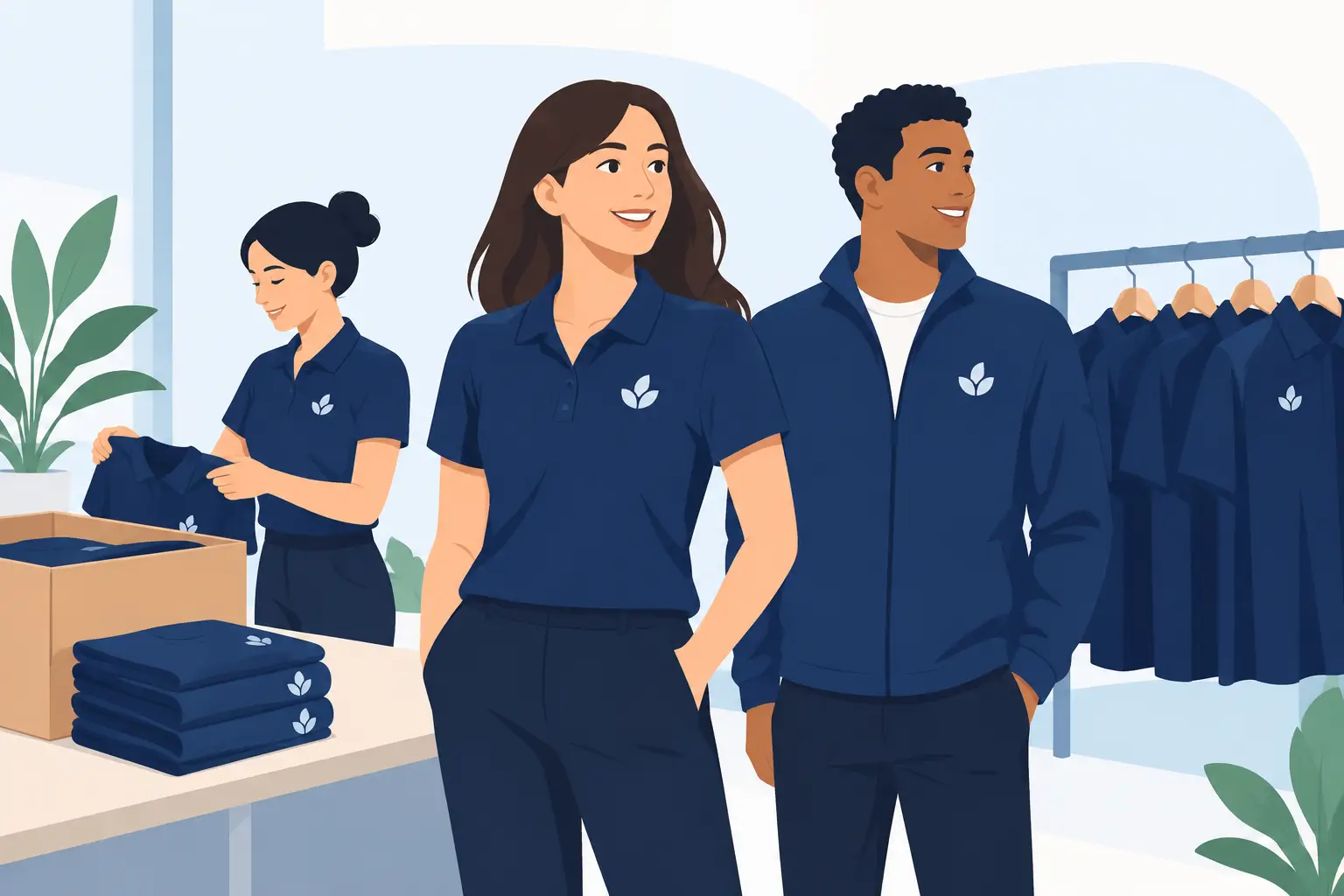
A polo shirt sits between casual and corporate. Its collar, placket, and structured silhouette create a more polished appearance without requiring a button-down shirt. This makes polos a practical choice for customer-facing staff, sales teams, hospitality crews, property management personnel, school faculty, and corporate golf events.
A T-shirt is more relaxed, accessible, and expressive. It offers a broad print area, a lower-profile fit, and an easy uniform solution for large groups. T-shirts work particularly well for product launches, roadshows, volunteer programs, company outings, student activities, fitness events, and promotional giveaways.
Neither garment is automatically better. A branded polo can feel too formal for a high-energy youth event, while a basic T-shirt may not give a front-desk or retail team the professional finish the business needs. The decision comes down to purpose and audience.
When Polo Shirts Are the Stronger Uniform Choice
Polos are built for organizations that want a consistent, presentable look across daily operations. The collar frames the face and holds its shape, helping the team look more uniform even when employees have different body types or wear the shirt with different pants.
For businesses where employees speak with customers throughout the day, a polo sends a useful visual signal: this person represents the company. It feels more refined than a tee while remaining comfortable enough for active work. That balance is valuable for retail associates, technicians, delivery coordinators, exhibition representatives, and service teams.
Branding on polos: embroidery often leads
Embroidery is a natural fit for polo shirts, especially for left-chest logos, staff names, department titles, or small marks on the sleeve. Thread adds texture and permanence, creating a premium finish that supports corporate identities and long-term uniform programs.
Screen printing and heat transfer can also work well on polos, particularly for larger back graphics or event-specific messaging. However, the knit texture and placket placement require careful artwork sizing and positioning. A logo that looks balanced on a flat T-shirt may need adjustment on a polo to avoid seams, buttons, or visual crowding.
Fabric affects the working experience
Cotton piqué polos offer a classic, breathable feel and a textured surface associated with traditional uniforms. Cotton-rich blends can provide comfort with better shape retention, while polyester or performance polos are useful where moisture management, quick drying, and frequent washing matter.
For outdoor crews or teams working in warm conditions, performance fabrics can make a meaningful difference. For office-based staff or premium hospitality environments, a softer cotton blend may better support the desired image. The fabric should match the workday, not just the logo color.
When T-Shirts Make More Sense
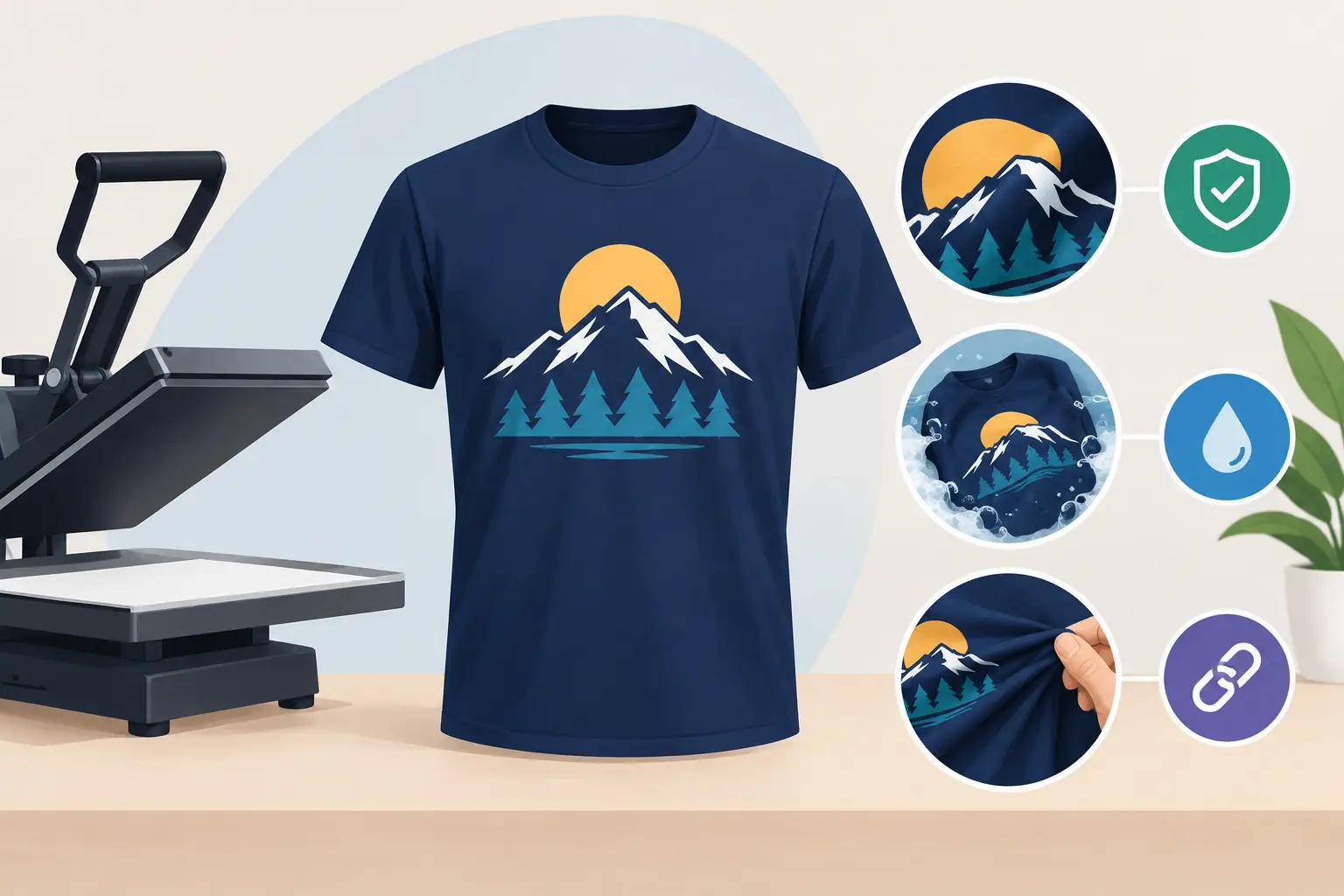
T-shirts are the workhorse of branded apparel. They are easy to distribute, easy to wear, and effective for reaching large audiences at a controlled budget. If your goal is visibility at scale, a well-produced custom T-shirt delivers a generous canvas for campaign artwork, sponsor logos, event dates, slogans, and creative graphics.
They are also ideal when participants need freedom of movement. Volunteers setting up an event, students joining a school activity, runners at a charity race, or employees attending a team-building day usually value comfort first. A quality T-shirt gives them an uncomplicated garment they can wear during and after the occasion.
More room for bold graphics
T-shirts generally provide the widest usable print area, especially on the front and back. This supports larger artwork, full-color illustrations, photo-based graphics, and multi-sponsor layouts. Screen printing is highly efficient for bulk orders with solid-color artwork, while direct-to-garment printing can suit detailed designs and smaller quantities. Heat transfer offers flexibility for names, numbering, and certain specialized finishes.
Sublimation is another strong option for polyester garments when you need edge-to-edge color, detailed graphics, or a design that becomes part of the fabric rather than sitting on its surface. It is commonly used for sports jerseys and performance event shirts, but the fabric selection must be planned from the beginning.
Choose weight with intention
Not all T-shirts feel the same. A lightweight shirt may be appropriate for a hot outdoor event or giveaway, but it can appear less structured and may have more show-through in lighter colors. A midweight or heavyweight tee usually presents a more substantial feel, holds up better to repeat wear, and gives printed artwork a stronger base.
For a campaign shirt intended to become a lasting piece of merchandise, a softer premium cotton or cotton-blend fabric can improve the wearer experience. For a one-day event with a large attendee count, a practical standard-weight option may be the smarter allocation of budget.
Compare Cost Beyond the Unit Price
T-shirts typically start at a lower cost than polos because they use a simpler construction. A polo includes a collar, placket, buttons, and often more complex finishing. Embroidery can also add cost based on stitch count, thread colors, and the number of decorated locations.
But the cheapest garment is not always the best value. If a T-shirt is worn once and discarded while a polo becomes part of a weekly uniform rotation, the polo may offer a better return on your apparel investment. Consider cost per wear, brand visibility over time, and the replacement schedule for the program.
Order quantity matters as well. Large T-shirt runs can be especially economical with screen printing, while polos ordered for a smaller, targeted employee group may justify a more premium construction and embroidered branding. A clear brief allows your supplier to recommend the most sensible combination of garment, decoration, and quantity.
Fit, Sizing, and Color Need Early Attention
Uniform problems often begin with assumptions. A unisex shirt may not fit every wearer the same way, and a slim-cut polo may not suit a team that needs a more relaxed range of motion. Review size charts early, account for male and female fit options where needed, and consider requesting samples before approving a significant production run.
Color selection deserves the same care. Dark garments can look sharp and hide workplace marks, but they may feel warmer outdoors. White and light shades create high contrast for dark prints, yet may require fabric choices that avoid transparency. Brand colors should be reproduced consistently across shirts, caps, bags, and other merchandise, particularly when several items are being produced for one campaign.
For polos, contrast collars, tipping, custom buttons, woven labels, and embroidered names can elevate the result. For T-shirts, custom neck labels, sleeve prints, oversized back artwork, and specialty ink finishes can make a simple garment feel campaign-ready. These details should support the identity, not compete with it.
A Practical Way to Make the Choice
Start by defining the garment’s primary role. If it is a daily uniform for a customer-facing team, begin with polos. If it is a high-volume event item, a T-shirt is often the natural starting point. Then check the environment, expected wear frequency, decoration size, budget range, and required delivery date.
It can also be smart to use both. A company may outfit its operations team in polos while producing matching T-shirts for a public event or internal campaign. Keeping the same logo treatment and color standards across both garments creates a connected brand presence without forcing one product to do every job.
At Green Cotton, the production conversation can cover fabric, fit, colors, decoration methods, and finishing details before bulk manufacturing begins. That planning protects specification accuracy and helps prevent avoidable changes once the order is in production.
The best branded shirt is the one that works where your people work, looks credible in front of your audience, and carries your identity with confidence. Give the garment a clear role before approving the artwork, and the choice between a polo and a T-shirt becomes far easier to make.