
A missed event date, inconsistent logo colors, or products that look good in a mockup but disappoint in hand can turn a simple order into a brand problem. That is why choosing the right bulk promotional merchandise supplier is not just a purchasing decision. It is a production decision, a brand control decision, and often a deadline decision.
For companies ordering at scale, the real question is not who can sell branded items. It is who can produce them accurately, advise on the right methods, and deliver on time without forcing your team to manage every detail alone. When uniforms, event giveaways, premium gifts, bags, and branded apparel all need to work together, supplier capability matters more than a low unit price on paper.
What a bulk promotional merchandise supplier should actually do
A capable supplier does more than quote products from a catalog. They should help you move from concept to finished goods with clear control over specifications, decoration methods, timelines, and quality standards. That includes guiding product selection, matching branding requirements, confirming artwork placement, and managing production consistency across the full order.
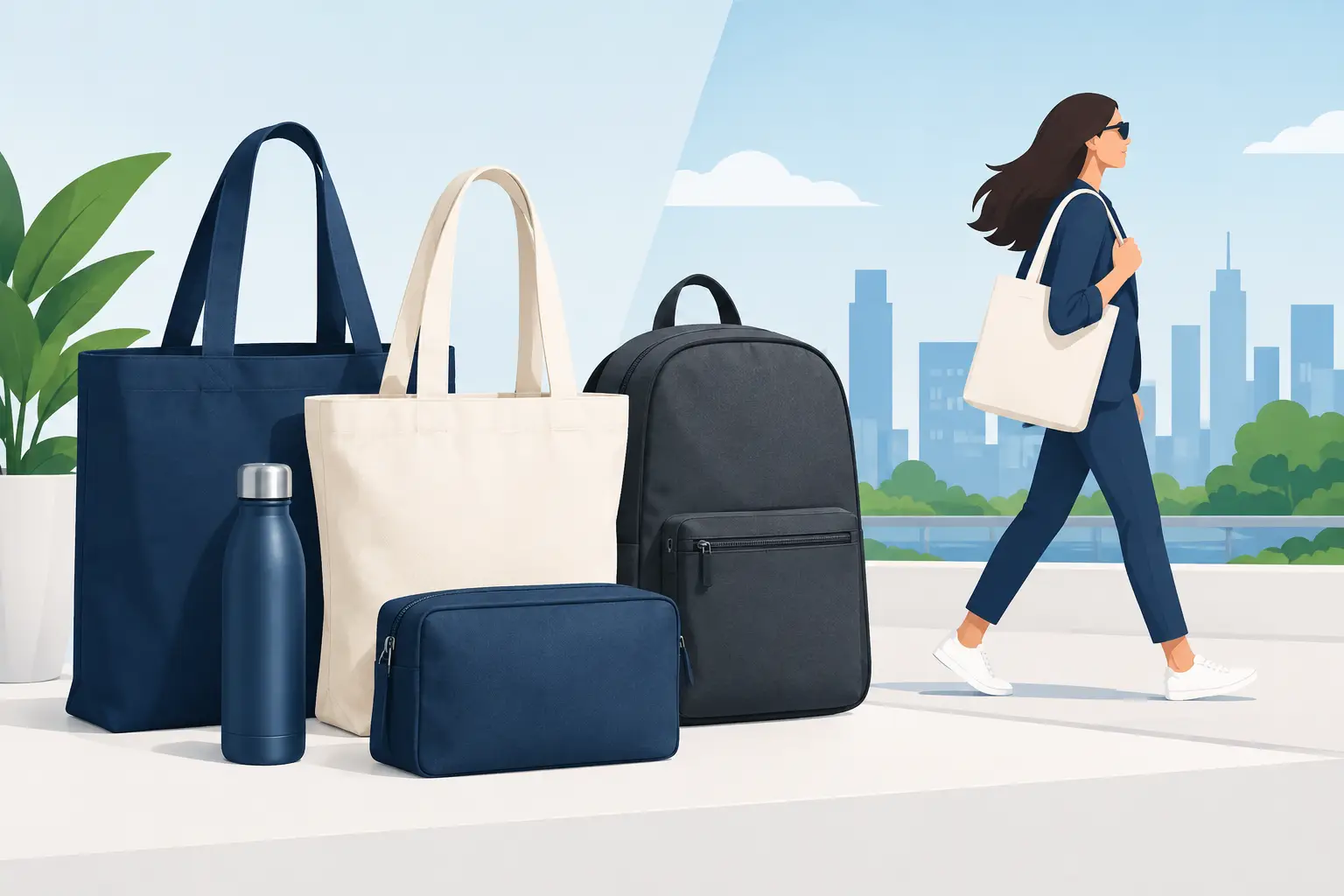
This is especially important for organizations ordering across multiple categories. A campaign may include T-shirts for staff, tote bags for attendees, caps for visibility, and premium gifts for key clients. If those items come from disconnected sources, branding can drift. Colors can vary, lead times can conflict, and your internal team ends up coordinating production instead of focusing on the event, launch, or rollout itself.
A strong supplier brings those moving parts together. That reduces friction and gives procurement, HR, marketing, and operations teams a clearer path from approval to delivery.
How to evaluate a bulk promotional merchandise supplier
The first thing to assess is production depth. Some vendors are mainly resellers. They can source products, but they have limited control over customization and quality. Others have direct manufacturing access, in-house decoration, or close control over bulk production. That difference affects lead times, flexibility, and how well your order holds together under pressure.
If your project requires custom apparel, tailored sizing, dyed fabric, embroidery, screen printing, or mixed product categories, production depth becomes even more important. A supplier with technical capability can recommend the right decoration method for each item instead of applying a one-size-fits-all solution.
For example, embroidery can give polos and caps a more durable, premium finish, while screen printing may be the better option for large T-shirt runs with bold graphics. Sublimation works well for all-over sportswear designs, but it is not the right fit for every fabric or product type. A supplier should be able to explain those trade-offs clearly.
The second factor is specification accuracy. At volume, small errors multiply fast. A logo that is slightly off-center on one sample becomes a thousand flawed units in production. This is why detailed approvals matter. Good suppliers do not treat artwork, sizing, fabric choice, print location, or packaging as side notes. They treat them as production-critical details.
The third factor is timeline discipline. Bulk orders usually connect to a fixed date – an exhibition, onboarding cycle, campaign launch, school event, corporate function, or seasonal push. A supplier should be honest about lead times, approval windows, and production milestones. Fast turnaround is valuable, but only if it is supported by a process that protects quality.
Price matters, but total value matters more
Procurement teams are right to compare cost. But with promotional merchandise, the cheapest quote is often not the cheapest outcome. Reprints, delays, poor finishing, and brand inconsistency all carry a cost, even if they do not appear in the initial unit price.
A better comparison looks at total value. Are you getting material options that fit the use case? Is decoration included at the right quality level? Is the supplier helping reduce mistakes before production starts? Can they support repeat orders with consistent specifications? Those factors affect waste, rework, and internal workload.
There is also a practical difference between short-term buying and scalable sourcing. If your organization places recurring orders for staff uniforms, teamwear, event kits, or gifts, consistency becomes part of the value equation. A supplier who knows your brand standards and order patterns can save time on every future run.
Customization is where supplier strength shows
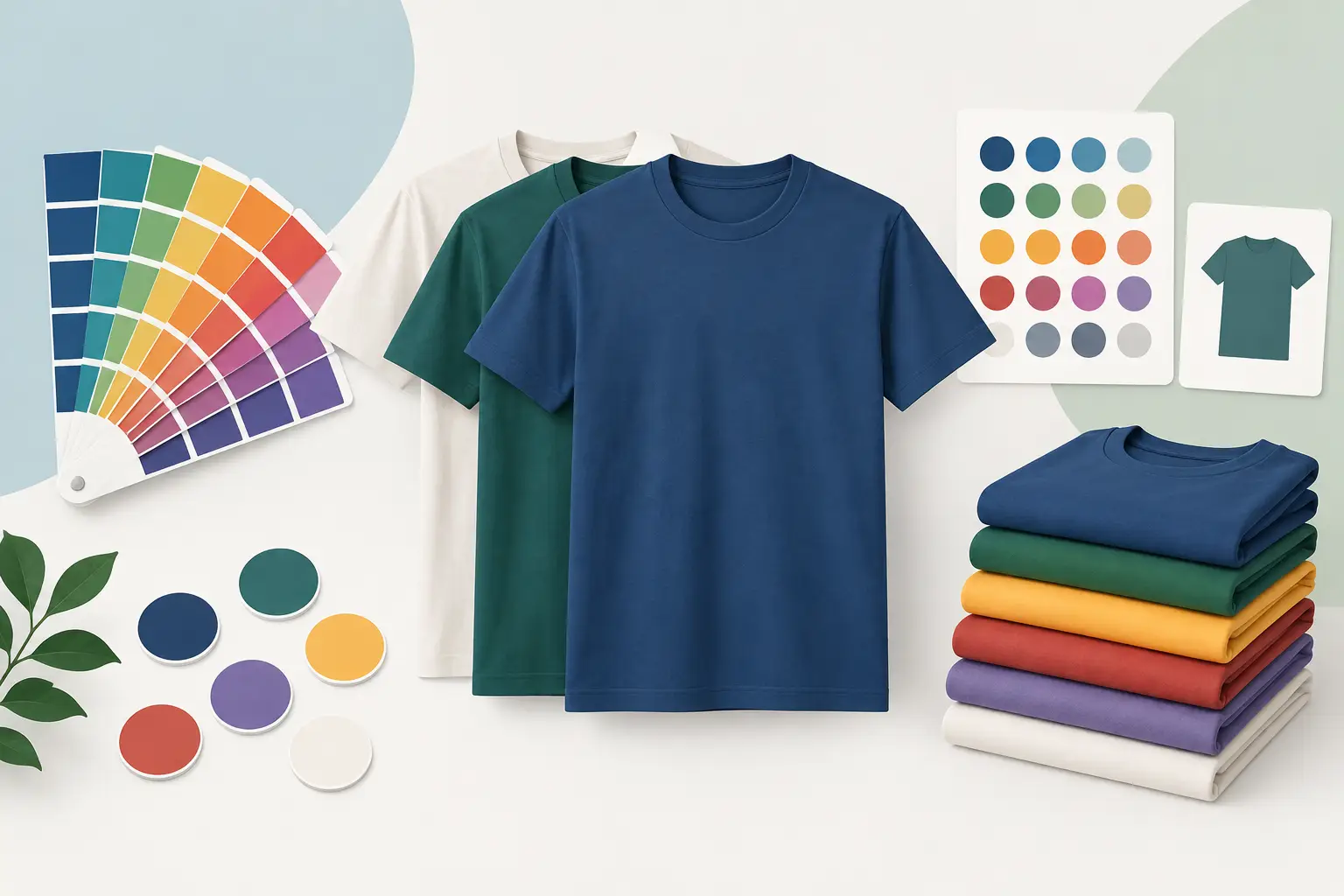
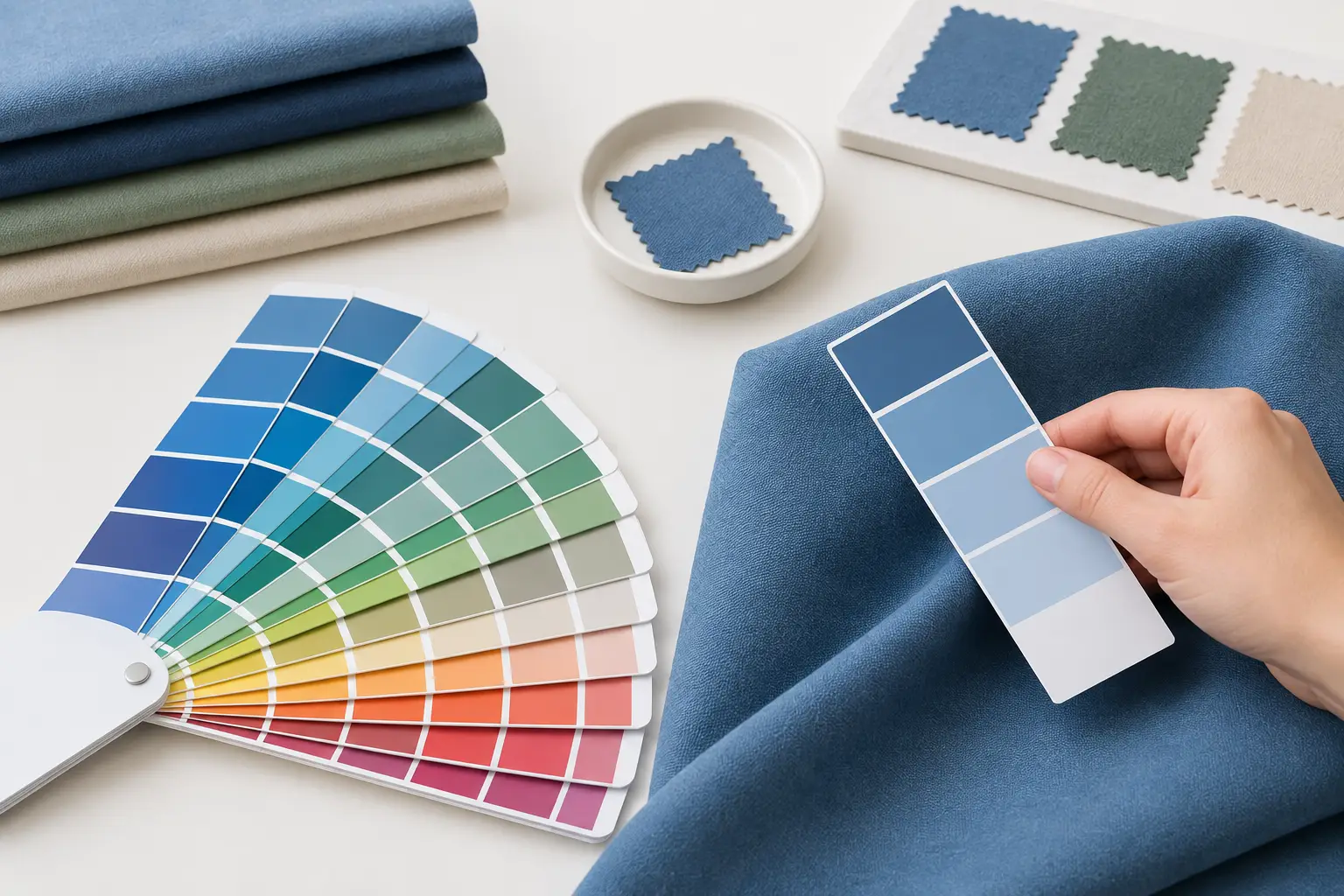
Any supplier can offer a standard mug, basic T-shirt, or generic tote. The real test is how well they handle customization when your brand has specific requirements. That may mean exact color matching, fabric selection, size grading, individual names, multiple logo placements, or a coordinated look across different products.
This is where a service-driven production partner stands out. Instead of limiting you to what is easiest to source, they help build merchandise around your intended use. A recruiting fair may call for practical giveaways with strong visibility. A client appreciation program may require more premium materials and finishing. Staff uniforms need comfort, durability, and brand consistency over repeated wear.
Different goals require different products, and different products require different production decisions. The right supplier should be able to advise, not just fulfill.
Why one-source coordination makes bulk orders easier
Many organizations prefer to source multiple merchandise categories from one supplier for a simple reason – control. When apparel, bags, caps, and gifts are managed through one production partner, it is easier to align branding, approve samples, monitor timelines, and consolidate delivery planning.
This does not mean one supplier is always the answer for every project. Some highly specialized campaigns may need niche sourcing. But for most B2B buyers, one-source coordination reduces administrative drag and lowers the risk of mismatched standards across items.
It also improves accountability. If there is one partner responsible for execution, there is less finger-pointing between vendor layers. That matters when your order is time-sensitive or highly visible.
Questions worth asking before you place the order
Before committing, ask how the supplier handles artwork approval, color matching, decoration method selection, and production checks. Ask what happens if a product is out of stock or if specifications need to change midstream. Ask whether they can support both standard items and fully custom production.
You should also ask about minimum order quantities, especially if your project includes several categories with different volumes. In some cases, custom manufacturing makes sense only above a certain quantity. In others, stock-based items with custom decoration may be the more practical route. A good supplier will help you choose based on budget, timeline, and end use instead of pushing a single model.
Sample review is another point that should never be rushed. A physical sample, pre-production approval, or decoration proof can reveal issues that are easy to miss on a screen. That extra step can protect the whole order.
The supplier relationship should support growth, not just one order
The best results usually come from a supplier relationship that improves over time. Once your product specs, logo applications, sizing needs, and quality expectations are documented, repeat orders become faster and more consistent. This is valuable for companies managing multiple departments, locations, teams, or recurring events.
It also gives you room to expand. You might begin with staff uniforms and later add event merchandise, campaign apparel, or corporate gifts. A supplier with broad product capability can support that growth without forcing you to restart vendor evaluation every time your needs evolve.
That is where companies like Green Cotton fit naturally for organizations that need more than a simple off-the-shelf order. When the requirement includes apparel, promotional merchandise, decoration expertise, and dependable bulk production, execution capability matters as much as product range.
Choosing for reliability, not just availability
There are many vendors who can supply branded merchandise. Fewer can manage the details that protect your brand when order sizes grow and deadlines tighten. The difference shows up in print quality, fit consistency, material selection, approval discipline, and how confidently the supplier handles complex requirements.
A reliable bulk promotional merchandise supplier should make your job easier, not create more follow-up, more guesswork, or more risk. They should be able to translate your brand standards into finished products that arrive as expected, look consistent, and serve the purpose they were ordered for.
If you are sourcing in volume, think beyond product availability. Choose a partner that can take ownership of the process, respect the timeline, and produce with the level of accuracy your brand deserves. When that happens, promotional merchandise stops being just another order and starts working as a dependable extension of your identity.