
A uniform order usually looks simple until the real questions start. Who will wear it every day? What happens when the front desk needs a polished look, the warehouse needs durability, and procurement still needs the order to stay on budget? A strong corporate uniform buying guide helps you answer those questions before small decisions turn into expensive reorders.
For most organizations, uniforms are not just apparel. They affect brand presentation, staff comfort, day-to-day practicality, and how smoothly a rollout goes across locations or departments. Buying well means balancing appearance with performance and standardization with flexibility. That is where a more disciplined process pays off.
What a corporate uniform buying guide should help you decide
The best uniform decisions are rarely about picking a shirt and adding a logo. They involve job roles, working conditions, brand standards, order quantities, replacement cycles, and decoration methods. If one of those elements is missed early, the result is usually friction later – inconsistent sizing, logo issues, fabric complaints, or delays when restocking.
A useful buying process should answer five core questions. What does each team actually need to wear? What fabric will hold up in real use? Which branding method matches the garment and image quality you want? How should sizing and quantities be planned? And can your supplier deliver the same result consistently when you need the next batch?
Start with the job, not the garment
One of the most common mistakes in uniform buying is choosing based on appearance alone. A sharp-looking polo may work well for reception and sales teams, but it may not be the right choice for staff moving between indoor and outdoor environments all day. Likewise, a premium woven shirt may support a corporate image, but it can create comfort issues in warmer settings.
Start by grouping wearers by function. Customer-facing teams usually need a cleaner, more polished presentation. Operational teams may need stronger fabric, easier care, or more movement. Event staff often need visibility, comfort, and fast identification. Senior management may require a more refined uniform approach than field personnel.
This is why one uniform program often needs more than one garment type. Standardizing the brand does not mean forcing every employee into the same item. It means creating a system where different garments still look connected.
Think in uniform categories
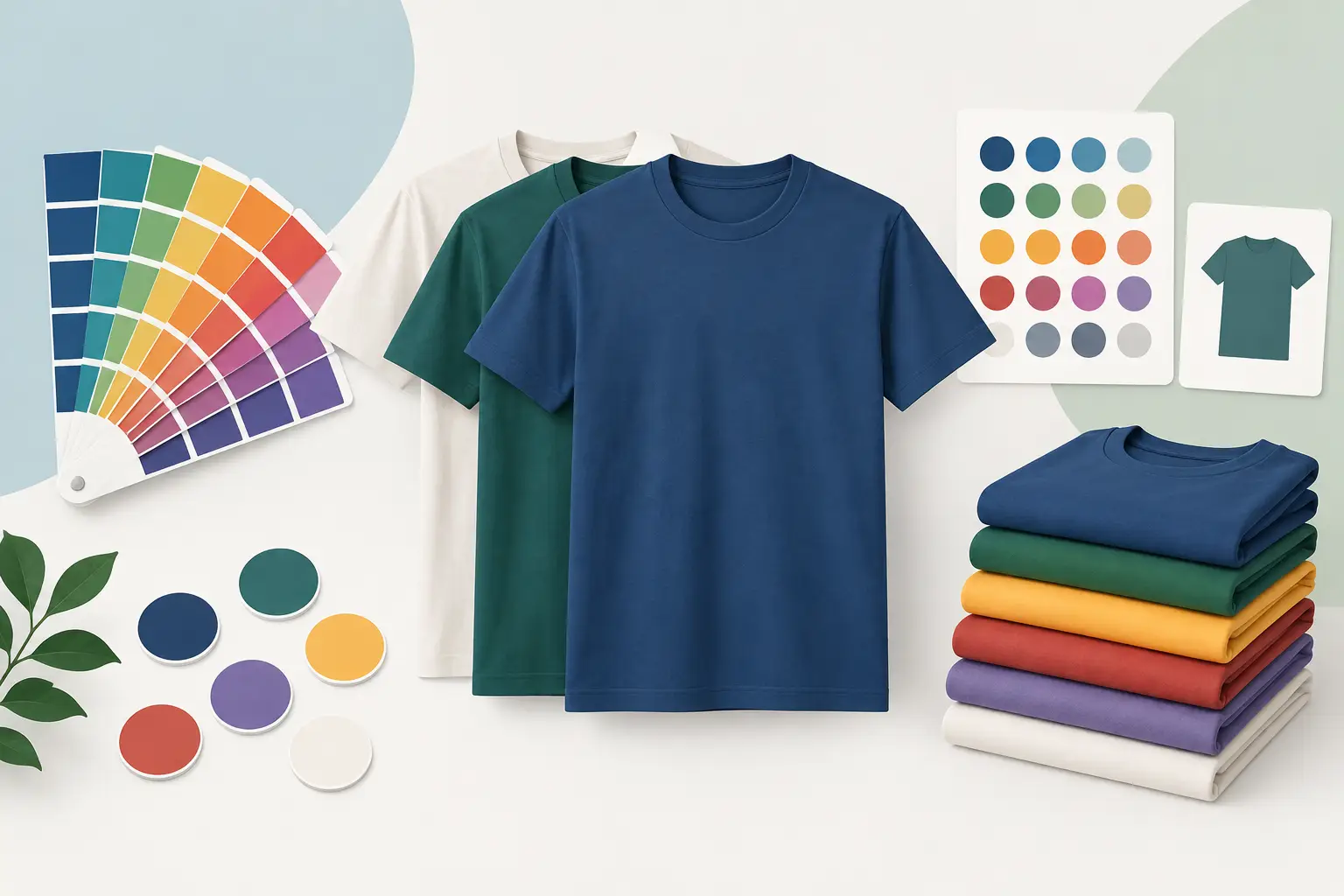
For many businesses, the most practical approach is to build around a few core categories: polo shirts for daily branded wear, corporate shirts for formal presentation, jackets or outerwear for mobile teams, and workwear for tougher environments. Once those categories are clear, it becomes much easier to align color, logo placement, and overall brand consistency.
Fabric choice affects cost, comfort, and lifespan
Fabric is where many uniform programs either succeed quietly or fail loudly. Buyers often focus on unit price first, but the cheaper option is not always the lower-cost decision if it fades quickly, traps heat, shrinks, or loses shape after repeated washing.
Cotton-rich fabrics usually feel softer and more natural, which makes them a strong choice for comfort-focused roles and indoor environments. Polyester blends are often preferred when durability, shape retention, and easier maintenance matter more. Performance fabrics can be the right fit for active teams or hot climates, especially where moisture control makes a noticeable difference over a full shift.
There is no single best fabric for every company. It depends on wear frequency, working conditions, and the image you want to project. If staff wear the uniform five or six days a week, durability becomes more important. If your team interacts with clients in a premium setting, hand feel and appearance may matter more. The right supplier should help you compare those trade-offs instead of pushing one default option.
Ask the practical questions early
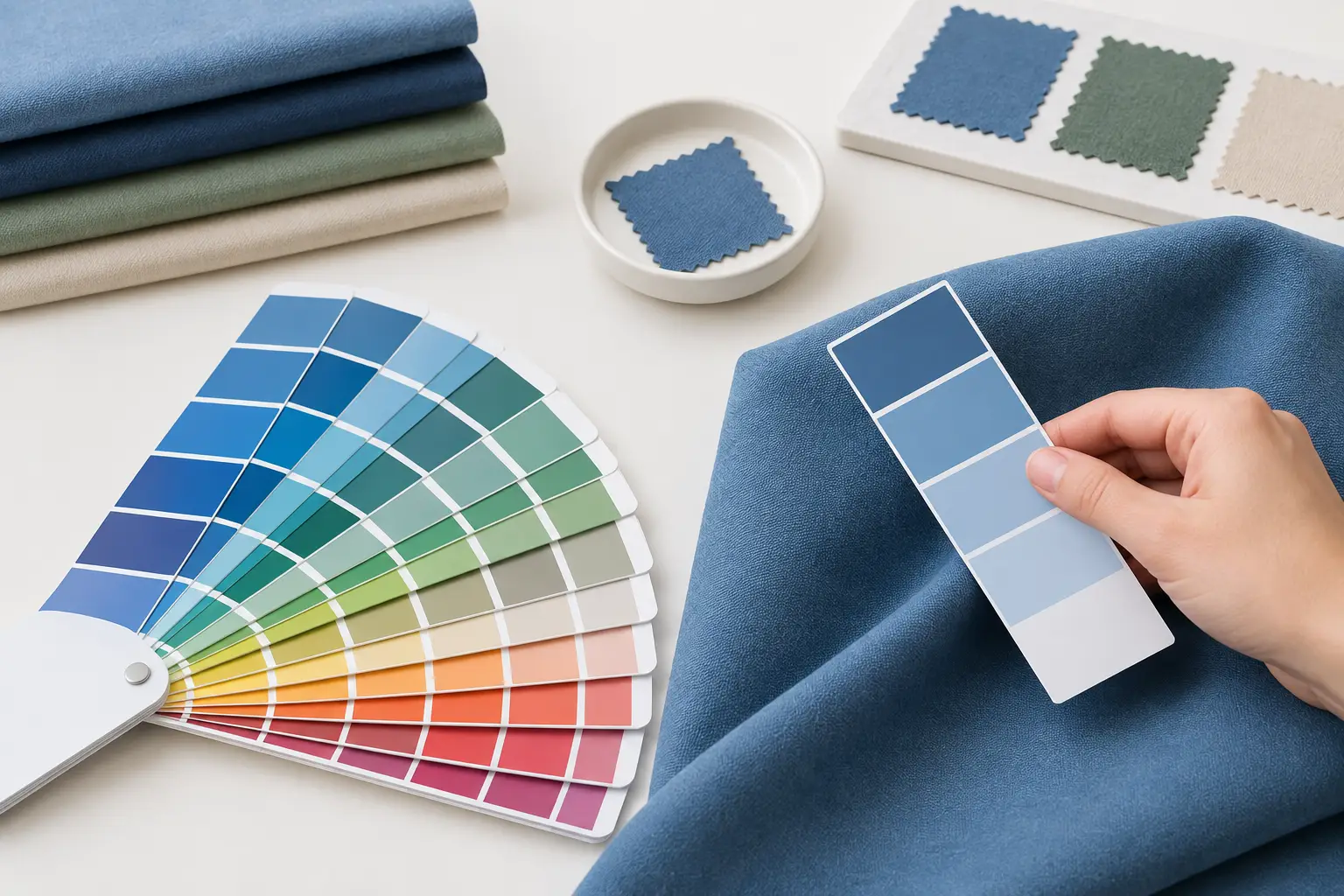
Before approving fabric, ask how it behaves after washing, whether it resists pilling, how breathable it is, and whether the color will remain consistent across repeat orders. These are not minor details. They determine whether the uniform still looks professional after a few months of real use.
Fit matters more than most buyers expect
A uniform can have the right logo, the right color, and the right fabric, and still fail if the fit is off. Poor fit affects confidence, comfort, and adoption. Staff who do not feel comfortable in the uniform are less likely to wear it well, and that affects the brand just as much as the garment itself.
Avoid treating sizing as a late-stage admin task. Build it into the buying process. Decide whether your workforce needs a standard unisex cut, separate men’s and women’s fits, or a wider size range for better coverage. If your team is spread across departments or locations, sizing coordination becomes even more important.
This is where measurement standards and sample approvals help prevent waste. Guesswork creates extra costs. A structured size run gives you much better control over both employee satisfaction and inventory planning.
Branding method changes the final result
The same logo can look very different depending on how it is applied. Embroidery gives a premium, durable finish and works especially well on polos, caps, jackets, and more structured garments. Screen printing is often efficient for larger-volume runs and bold graphic applications. Heat transfer can suit specific placements or shorter-run needs. Sublimation works well when full-color, all-over design is part of the garment itself rather than an added mark.
Your branding choice should match the garment, the logo complexity, and the use case. Fine details may reproduce better with one method than another. Heavy embroidery may look excellent on a thicker polo but feel less suitable on a lightweight performance shirt. A supplier with in-house decoration capability can usually guide these decisions more accurately because production realities are being considered from the start.
Keep logo placement consistent
Consistency matters across teams and repeat orders. Decide early on left chest, sleeve, back, or multi-position branding, and document size, thread or ink colors, and placement measurements clearly. Small variations may seem harmless, but across 200 or 500 pieces they create a noticeably uneven result.
Budgeting should include the full program, not just the first PO
A uniform budget is not only about initial unit cost. It should also account for replacement planning, onboarding for new hires, seasonal add-ons, and minimum order considerations. A lower-priced garment can become expensive if it needs frequent replacement or if restocking leads to mismatched colors and specifications.
Think beyond the first purchase order. How easy will it be to repeat the same design in three months? Can the supplier maintain fabric and color continuity? Is your spec sheet clear enough to avoid confusion if different teams reorder at different times?
Good procurement decisions reduce future friction. That is why many buyers benefit from working with a production partner that can support both bulk rollout and repeat execution with specification accuracy.
Supplier selection is really a risk decision
When you compare suppliers, you are not only comparing prices. You are comparing risk. Can they deliver on time? Can they keep branding consistent? Can they handle bulk production without quality dropping between samples and final delivery? Can they support custom requirements instead of limiting you to generic stock?
A dependable supplier should be able to guide you from concept to production with clarity. That includes garment recommendations, fabric advice, decoration method selection, sampling, size planning, quality control, and delivery coordination. If your order involves multiple categories or departments, this matters even more because fragmented sourcing often leads to inconsistent results.
For organizations that want tighter control over brand presentation, deeper customization can also be valuable. Custom dyed fabric, personalized trims, and tailored design details help create a more distinctive and unified uniform program. Green Cotton’s model is built around that kind of end-to-end execution, which is often the difference between simply buying apparel and building a uniform system that performs.
A smart corporate uniform buying guide ends with approval discipline
Before going into full production, slow down just enough to confirm the details that are expensive to fix later. Review fabric, color, fit, logo method, artwork placement, size breakdown, and packaging requirements. Make sure all stakeholders agree, especially when HR, procurement, operations, and marketing are all involved.
This approval stage is not bureaucracy. It is quality control before manufacturing begins. The more precise your sign-off process, the more reliable your final delivery will be.
A well-bought uniform does more than make a team look coordinated. It reduces confusion, supports employee comfort, strengthens brand visibility, and gives your business one less operational problem to chase. When the product, branding, and production plan are aligned from the start, the uniform starts doing its job the moment your team puts it on.