
A uniform that looks sharp on day one but loses shape, fades, or traps heat after a few washes creates problems fast. When you are ordering in bulk, fabric choice is not a small detail. It affects comfort, brand presentation, replacement costs, and how confidently your team wears the garment. That is why choosing the best fabrics for uniforms starts with understanding how the uniform will actually be used.
For procurement teams, HR managers, school administrators, and event organizers, the right answer is rarely just one fabric. Front-desk staff, warehouse teams, promo crews, and sports groups do not need the same performance. A fabric that works well for a polished corporate polo may fail in a hot outdoor setting. The best uniform decisions come from matching fabric behavior to workload, climate, branding method, and budget.
What makes the best fabrics for uniforms?
The best fabrics for uniforms do four jobs well. They need to be comfortable enough for long wear, durable enough for repeated washing, suitable for decoration, and consistent enough to support your brand image across large quantities.
Comfort matters because uniforms are worn for hours at a time. If fabric feels heavy, stiff, or overly warm, employees notice it immediately. Durability matters just as much because uniforms go through regular washing, frequent movement, and daily abrasion. If fabric pills, shrinks, or loses color too early, your replacement cycle becomes expensive.
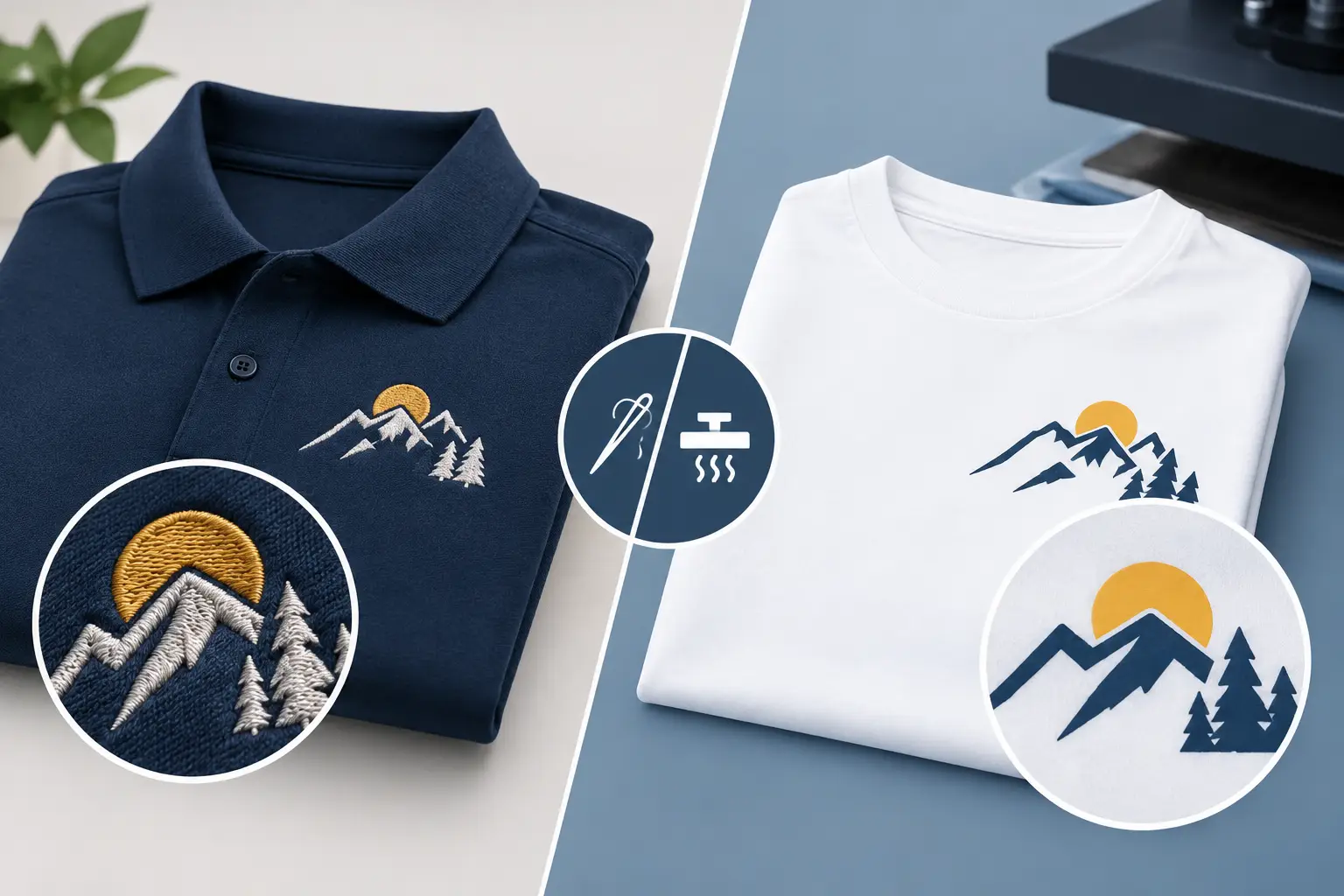
Branding also plays a practical role. Some fabrics hold embroidery beautifully but are less suitable for certain print methods. Others are ideal for sublimation but not for a more structured corporate finish. Good fabric selection is not only about touch and appearance. It is also about production compatibility.
Cotton for comfort and everyday wear
Cotton remains one of the most requested uniform fabrics for a simple reason. It is breathable, familiar, and comfortable against the skin. For T-shirts, casual staff uniforms, school wear, and promotional apparel, cotton is often a strong choice because it feels natural and easy to wear throughout the day.
It also presents branding well in many cases, especially for screen printing and direct-to-garment applications. A cotton tee can create a clean, approachable brand image for campaigns, retail staff, and events where comfort matters as much as appearance.
The trade-off is performance over time. Pure cotton can wrinkle more easily than synthetic blends, may shrink if not properly pre-treated, and usually dries slower than polyester-based fabrics. In high-sweat or high-movement settings, that can become a limitation. Cotton works best when comfort and softness are the top priorities, and when the work environment is not overly demanding.
Polyester for durability and color retention
If your priority is longevity, shape retention, and easier care, polyester is one of the strongest options available. It is widely used in corporate polos, work shirts, event uniforms, and sports apparel because it resists shrinking, dries quickly, and holds color well even with frequent washing.
For organizations managing large teams, polyester offers a practical advantage. It supports consistency. When you need uniforms to maintain a similar look across departments, locations, or repeat orders, polyester helps reduce variation caused by wear and wash cycles.
It is also a leading choice for sublimation, especially for jerseys and performance wear. That makes it ideal when your design includes bold all-over graphics, team colors, or detailed branded layouts.
The main concern is comfort in certain environments. Lower-grade polyester can feel less breathable and may hold odor more than natural fibers. That does not mean polyester is the wrong choice. It means the fabric construction matters. A lightweight moisture-wicking polyester can perform very differently from a basic synthetic knit.
Cotton-poly blends for balanced performance
For many businesses, a blend delivers the most practical result. Cotton-polyester fabrics combine the softness of cotton with the durability and easy-care properties of polyester. This is why blends are common in polo shirts, corporate casual uniforms, school uniforms, and staff apparel that needs a polished look without high maintenance.
A good blend reduces some of the weaknesses of pure cotton. It wrinkles less, shrinks less, and usually lasts longer in active use. At the same time, it tends to feel more comfortable than full polyester, especially for employees wearing uniforms through long indoor shifts.
This is often the safest choice when multiple stakeholders are involved in the decision. If one team wants comfort and another wants durability, a balanced blend can satisfy both. It may not outperform specialized fabrics in extreme conditions, but it performs reliably across a wide range of everyday uniform applications.
Performance fabrics for active teams
Some uniforms need to do more than look presentable. For sports teams, roadshow crews, outdoor event staff, logistics teams, and physically active workers, performance fabrics are usually the better fit. These fabrics are designed to manage heat, wick moisture, and support movement.
In practical terms, that means employees stay drier and more comfortable during long hours of activity. It also helps maintain a cleaner, more professional appearance because the fabric is less likely to cling, sag, or look soaked in warm conditions.
Not all performance fabrics are the same. Some are optimized for stretch, others for ventilation, and others for UV resistance or snag resistance. The right choice depends on what your team actually does. A promo crew standing outdoors in summer has different needs than a futsal team or warehouse staff moving boxes all day.
If your uniform program includes active roles, this is where a more consultative sourcing process matters. The fabric has to match the job, not just the design concept.
Oxford, twill, and woven fabrics for a sharper look
For office uniforms, hospitality teams, supervisors, and customer-facing roles where structure matters, woven fabrics such as oxford and twill are worth serious consideration. These fabrics create a cleaner silhouette than most knits and help shirts hold a more formal shape.
Oxford fabric is a dependable option for corporate shirts because it offers a balance of durability and texture. Twill is another strong candidate, especially when you want a smoother drape with a more refined appearance. Both can work well for embroidered logos and are often chosen when the goal is to reinforce professionalism.
The trade-off is flexibility. Woven fabrics usually have less stretch and may feel less forgiving in highly active roles. They are excellent for presentation, but not always ideal for jobs that involve heavy physical movement. If your staff splits time between office duties and active tasks, you may need different uniform categories rather than one fabric for every department.
Matching fabric to printing and embroidery
Fabric choice should never be separated from decoration method. A uniform is not finished when the garment is sewn. It still needs to carry your logo, colors, and brand details accurately.
Cotton and cotton-rich blends often perform well with screen printing and direct-to-garment printing. Polyester is typically preferred for sublimation, especially for sports jerseys and high-color graphic designs. Embroidery can work across many fabric types, but the weight and texture of the fabric affect how clean and stable the final result looks.
This matters even more for bulk orders. A fabric that looks fine as a blank sample can behave differently once logos are applied across hundreds or thousands of pieces. Choosing fabric and branding method together helps avoid puckering, fading, poor adhesion, or a mismatch between the garment style and the branding finish.
How to choose the right fabric for your organization
The simplest way to choose well is to start with use case, not just appearance. Ask where the uniform will be worn, how long it will be worn, how often it will be washed, and what image it needs to project.
If your priority is softness and casual comfort, cotton may be the right fit. If you need long-term durability, fast drying, and easier maintenance, polyester is often the better choice. If you need a versatile middle ground, a cotton-poly blend is usually the most efficient solution. If presentation is the main goal, woven options like oxford or twill may serve you better.
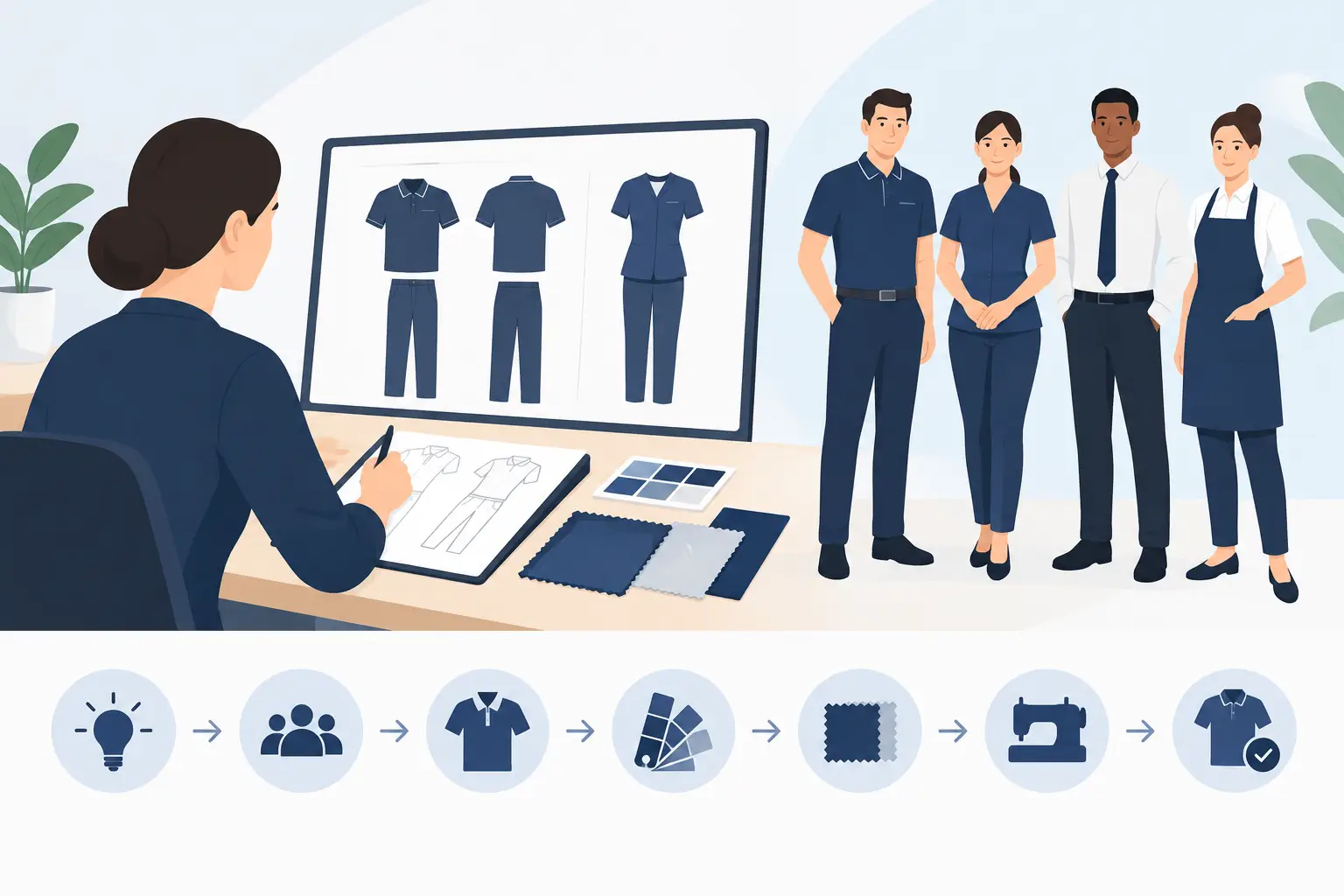
It also helps to think in categories instead of forcing one answer across every team. A single organization may need breathable event tees, polished corporate polos, structured office shirts, and high-performance teamwear at the same time. That is a more realistic approach than expecting one fabric to handle every role equally well.
At Green Cotton, this is where production guidance adds real value. When fabric, fit, decoration method, and order scale are aligned from the start, the final uniform program works harder for your brand and lasts longer in use.
The right fabric does more than complete a garment. It supports how your people show up, how your brand is seen, and how efficiently your uniform investment performs over time.