
A guest may never comment on a perfectly pressed front-desk uniform, but they notice when the team looks inconsistent, uncomfortable, or unprepared. Hotel uniform implementation is not simply an apparel purchase. It is an operational decision that affects first impressions, staff confidence, brand recognition, safety, and the pace of daily service.
For hotel operators, HR teams, and procurement managers, the goal is not to put every employee in the same shirt. The goal is to create a coordinated uniform program that fits each role, withstands the work, and remains available when new staff members join. A well-planned rollout turns uniforms into a visible part of the guest experience rather than a recurring sourcing problem.
Start Hotel Uniform Implementation With the Guest Journey
The best uniform programs begin by looking at how guests move through the property. A guest encounters the valet or bell team before reaching reception. They see front-desk staff repeatedly during their stay, interact with restaurant and housekeeping teams at different moments, and rely on maintenance or security personnel when something needs attention. Each department represents the hotel, but each works under different conditions.
This is why one garment style rarely works across the operation. Front-office employees may need polished shirts, blouses, tailored trousers, vests, or corporate polos that hold their shape through long guest-facing shifts. Housekeeping teams usually need lightweight, easy-care garments with practical movement and color options that are less likely to show daily wear. Food and beverage staff need uniforms that balance presentation with spill resistance, heat, and frequent laundering. Engineering, security, and loading teams may require more durable workwear, high-visibility details, or stronger pockets and closures.
Before choosing fabrics or colors, map every employee group to its work environment. Ask where they work, how much they move, what they carry, how often garments are washed, and what guests should immediately understand when they see them. A concierge should be recognizable without looking interchangeable with a restaurant server. A housekeeping supervisor should look aligned with the property while being able to move comfortably from room inspections to service areas.
Build a Uniform System, Not a Collection of Shirts
A hotel can have attractive uniforms and still struggle with implementation if the program lacks rules. A uniform system defines the approved garments, color combinations, logo placement, accessories, footwear expectations, and seasonal alternatives. It gives managers a clear standard and prevents each department from making separate decisions that weaken the brand.
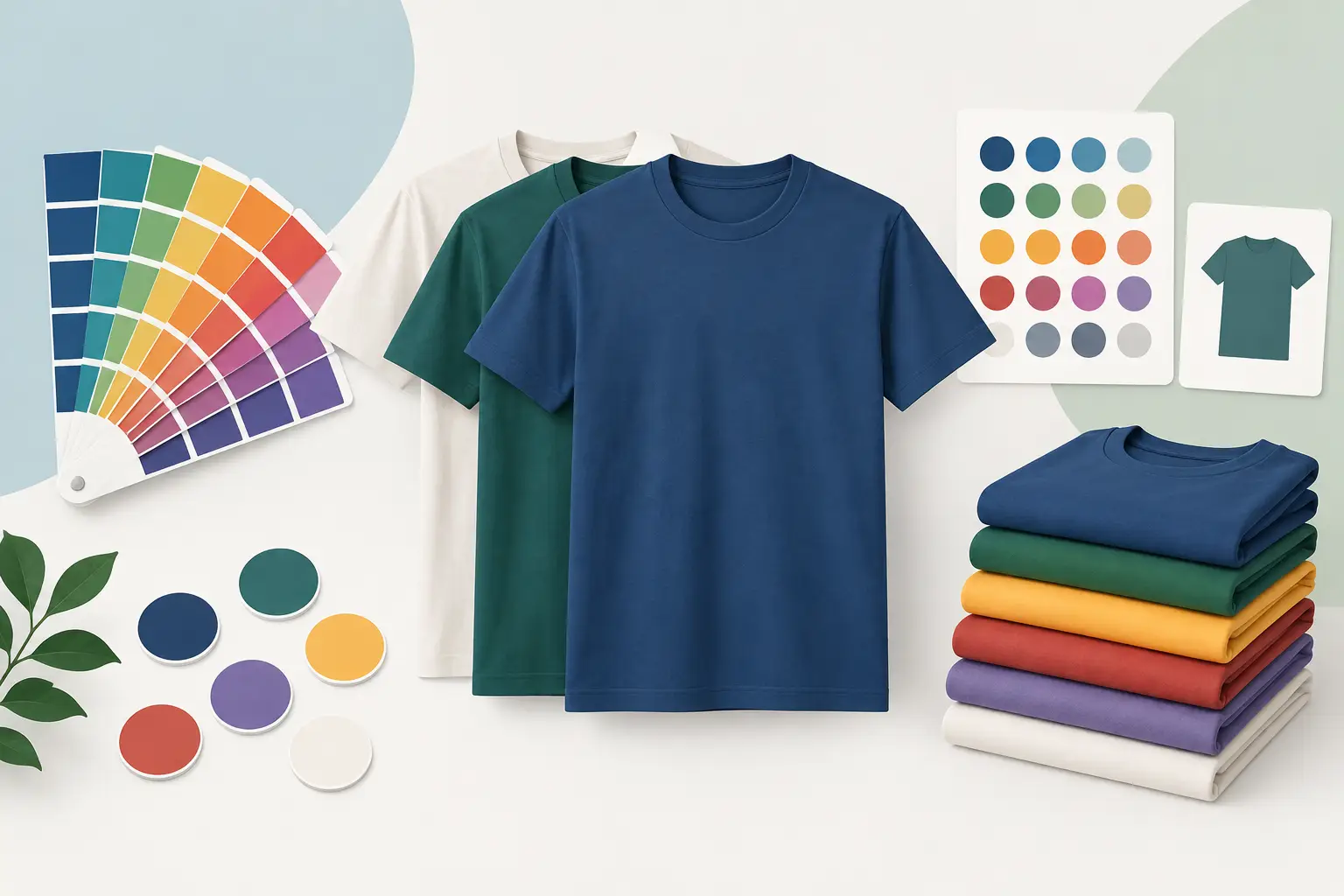
Start with a visual hierarchy. Your core colors should reflect the hotel identity, while department-level accents can help guests and colleagues identify roles quickly. A luxury property may use understated embroidery and premium fabric finishes. A resort might introduce lighter tones, breathable polos, or custom tropical elements. A business hotel may prefer crisp, highly consistent corporate colors that read clearly at a distance.
Branding must be visible, but it does not need to dominate the garment. Embroidery is often a strong choice for polos, woven shirts, jackets, caps, and aprons because it offers a refined, durable finish. Screen printing can suit larger graphics and high-volume casual pieces. Heat transfer and direct-to-garment printing may fit limited runs, campaign uniforms, or detailed artwork. The correct decoration method depends on fabric, logo detail, expected wash cycles, and the number of pieces required.
The same principle applies to custom details. A contrast collar, colored piping, woven label, name badge area, or branded apron strap can make a uniform feel intentional. However, every added element has a production and replacement cost. Use customization where it improves recognition and role clarity, not simply because it is available.
Choose Fabric for the Shift, Not the Showroom
A sample can look excellent at a presentation table and perform poorly after several weeks of hotel work. Fabric selection needs to reflect how the garment will actually be used.
Cotton-rich blends can provide a comfortable, approachable feel for guest-facing teams, but they may need more care to maintain a crisp appearance. Polyester blends generally offer better color retention, quicker drying, and easier maintenance, making them practical for high-turnover departments. Stretch fabrics support mobility for housekeeping, banquet, and operational teams. Breathable materials are especially valuable for outdoor staff, warm kitchens, resort properties, and employees who move between indoor and outdoor areas.
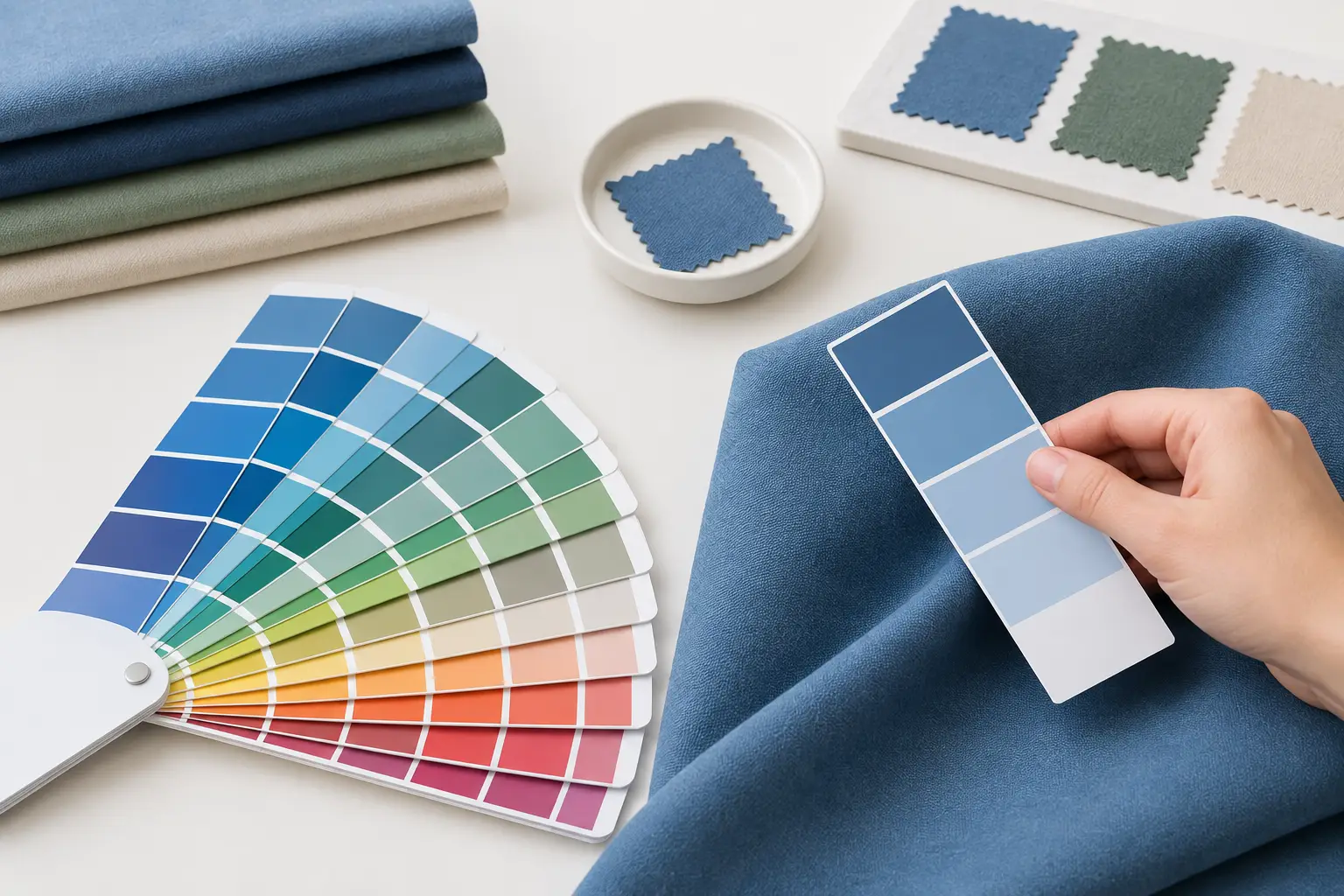
There is no universal best fabric. The right choice depends on your climate, laundry process, budget, brand positioning, and replacement schedule. Request physical samples and test them before committing to bulk production. Wash them according to the hotel’s actual process, check shrinkage and color stability, and have employees wear them through a working shift. Feedback from the people wearing the uniform will identify issues that a catalog image cannot.
Get Sizing Right Before Bulk Production
Sizing errors create immediate friction. Employees may feel overlooked, managers end up making emergency replacement requests, and the hotel loses control of its visual standard. A reliable hotel uniform implementation includes a sizing process early, not after production has started.
Use a size range that serves the full team and provide fit samples wherever possible. Do not assume that a standard unisex size chart will work for all employees or all garment types. Shirts, trousers, outerwear, dresses, aprons, and workwear have different fit needs. If the uniform has a tailored look, consider separate men’s and women’s cuts or inclusive alternatives that allow employees to choose the most comfortable fit within the approved program.
Create a simple size record for each department and include a reasonable buffer for new hires, replacements, and peak-season staffing. The exact buffer depends on employee turnover and hiring patterns, but ordering only the current headcount often creates avoidable delays. Standard stock pieces such as polos, trousers, caps, and aprons can be held in reserve more easily than highly tailored garments.
Plan the Rollout Around Real Hotel Operations
Uniform changes can disrupt operations when they arrive late, are issued without instructions, or require employees to figure out the standard on their own. A rollout plan should cover approvals, fitting, production, delivery, distribution, and care guidance.
First, establish one approved specification sheet for every item. It should document garment style, fabric, color reference, logo size and placement, decoration method, sizing range, and any accessories. This protects the hotel when repeat orders are needed months later. It also reduces the risk of slight color changes, misplaced logos, or mixed garment quality between batches.
Next, build the production timeline backward from the launch date. Allow time for artwork approval, sampling, size collection, revisions, bulk manufacturing, quality control, packing, and delivery. If uniforms are needed for an opening, a rebrand, or a major event period, leave room for unforeseen changes. Rushing the final stage may solve a short-term deadline while creating long-term quality issues.
Distribution should be managed by department, with each employee receiving the correct set and acknowledging receipt. Include simple care instructions. Staff need to know whether garments can be tumble dried, how to protect embroidery, how to handle stain removal, and when a replacement should be requested. Clear ownership keeps the uniform standard intact after launch day.
Control Quality Across Every Reorder
The first delivery is only the beginning. Hotels continuously onboard new employees, replace worn items, add seasonal layers, and adjust teams for events or occupancy peaks. A uniform supplier should be able to reproduce approved pieces accurately and communicate clearly about lead times, minimum quantities, and material availability.
Quality control should check more than logo appearance. Review garment measurements, stitching, fabric consistency, color matching, print or embroidery placement, and packing accuracy. For multi-item programs, packed sets should be easy for the hotel to distribute by department and size. This reduces sorting work and helps prevent missing pieces from becoming a last-minute operational issue.
Working with a production partner that manages garment sourcing, customization, and bulk fulfillment in one process can simplify accountability. Green Cotton supports this kind of end-to-end planning, from garment and fabric selection through decoration, quality checks, and delivery. The practical advantage is specification control: the approved uniform is the uniform that gets produced again.
Measure Whether the Program Is Working
After implementation, ask department managers and employees what is working under real conditions. Are front-desk uniforms maintaining their appearance through a full shift? Do housekeeping staff have enough mobility? Are restaurant garments easy to replace? Are guests able to identify the right team member quickly?
Track replacement requests, common sizing issues, laundry complaints, and recurring damage. These details reveal whether a garment is under-specified for the role or whether a particular department needs a different fabric or cut. Small adjustments in the next order can prevent repeated waste across the program.
The strongest hotel uniforms make service feel organized before anyone says a word. When every garment is role-appropriate, correctly fitted, consistently branded, and ready for repeat ordering, your staff can focus on the work guests remember: attentive, confident hospitality.