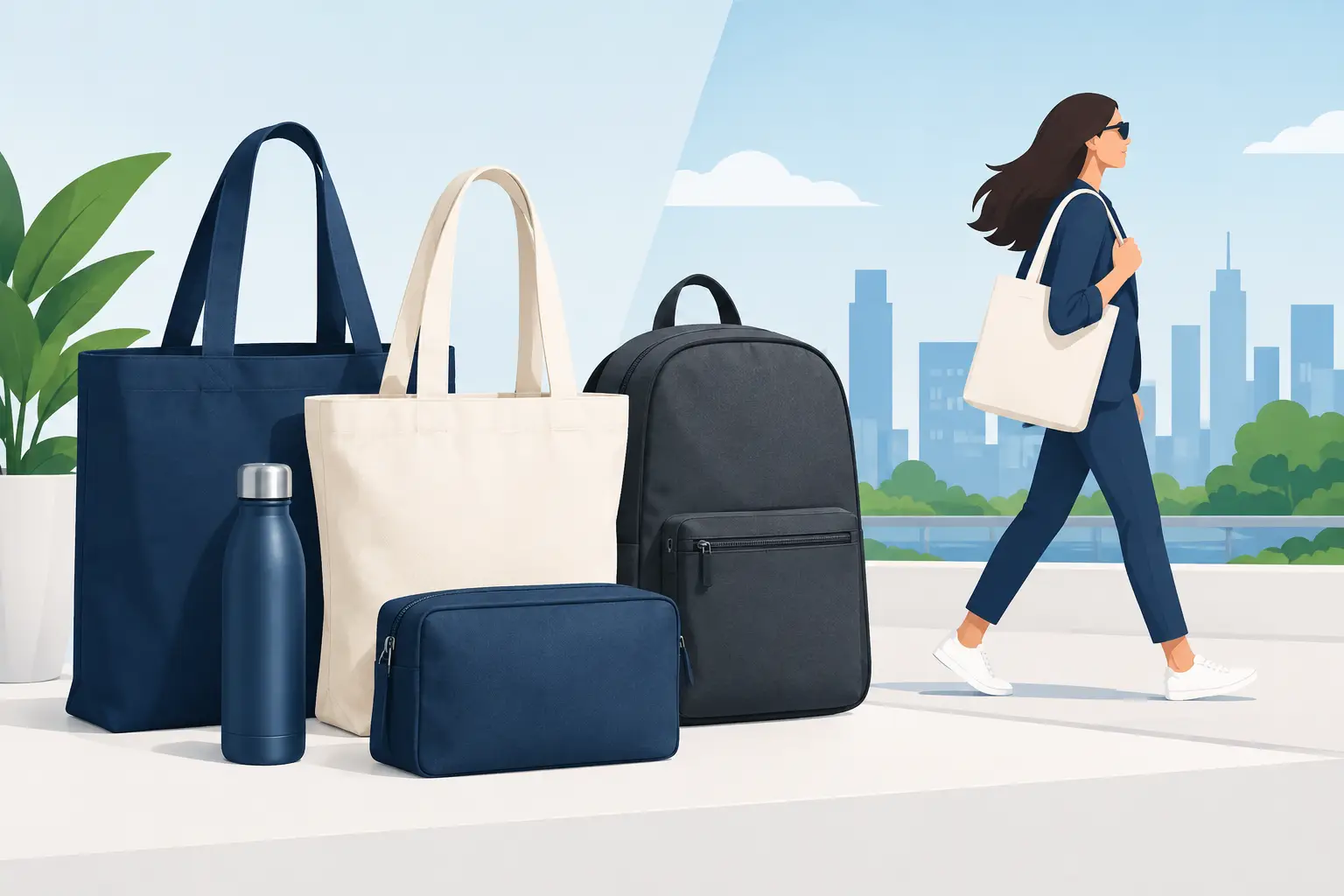
A branded bag does not disappear after an event. It travels to the office, the gym, the grocery store, campus, and weekend activities – putting your logo in front of people long after a flyer has been discarded. That is what makes promotional bags one of the most practical investments for organizations that want visibility with real everyday value.
For procurement teams, marketers, HR departments, schools, and event organizers, the challenge is not simply choosing a bag with a logo. The right choice has to suit the user, carry the intended items comfortably, reflect the quality of your brand, and arrive on schedule. A lightweight tote may be ideal for a large conference giveaway, while a structured travel bag may be a stronger choice for a client appreciation program. The product, decoration method, and order specifications all need to work together.
Start With How the Bag Will Be Used
The strongest bag campaigns begin with the practical question: what will recipients do with it? A bag that solves a small daily need is more likely to be kept, reused, and seen.
For trade shows and public events, tote bags remain a dependable choice because they are easy to distribute and useful for carrying brochures, samples, and personal items. Their broad print area also gives your logo, campaign message, or event artwork room to stand out. If the event includes premium attendees, speakers, or partners, consider a heavier canvas tote or a zippered option that feels more substantial.
For employee onboarding, internal programs, and corporate gifting, backpacks, laptop bags, duffel bags, and travel bags can create a more elevated impression. These formats are designed for repeated use, which gives your branding a longer life. They also communicate care when selected to match the routines of the people receiving them.
Schools and sports teams often need bags that can handle frequent use and a little rough handling. Drawstring bags work well for quick access to gym gear, while backpacks and sports bags provide more structure for uniforms, shoes, bottles, and equipment. In these settings, personalization with names, numbers, departments, or house colors can make distribution easier and create stronger team ownership.
Choosing Materials That Match Your Brand
Material affects more than price. It shapes the bag’s look, feel, durability, print result, and perceived value.
Non-woven fabric bags are lightweight, economical, and well suited to high-volume promotions. They are a practical option when your priority is broad distribution at exhibitions, roadshows, community events, or retail campaigns. Their trade-off is that they generally have a shorter lifespan than heavier materials, so keep artwork clear and bold rather than relying on intricate details.
Cotton tote bags offer a natural, approachable appearance that works well for lifestyle brands, schools, cafés, wellness programs, and organizations with sustainability goals. Canvas takes that concept further with a thicker construction and a more premium feel. A canvas bag can support heavier contents and repeated use, making it a smart choice when you want recipients to keep it for years rather than days.
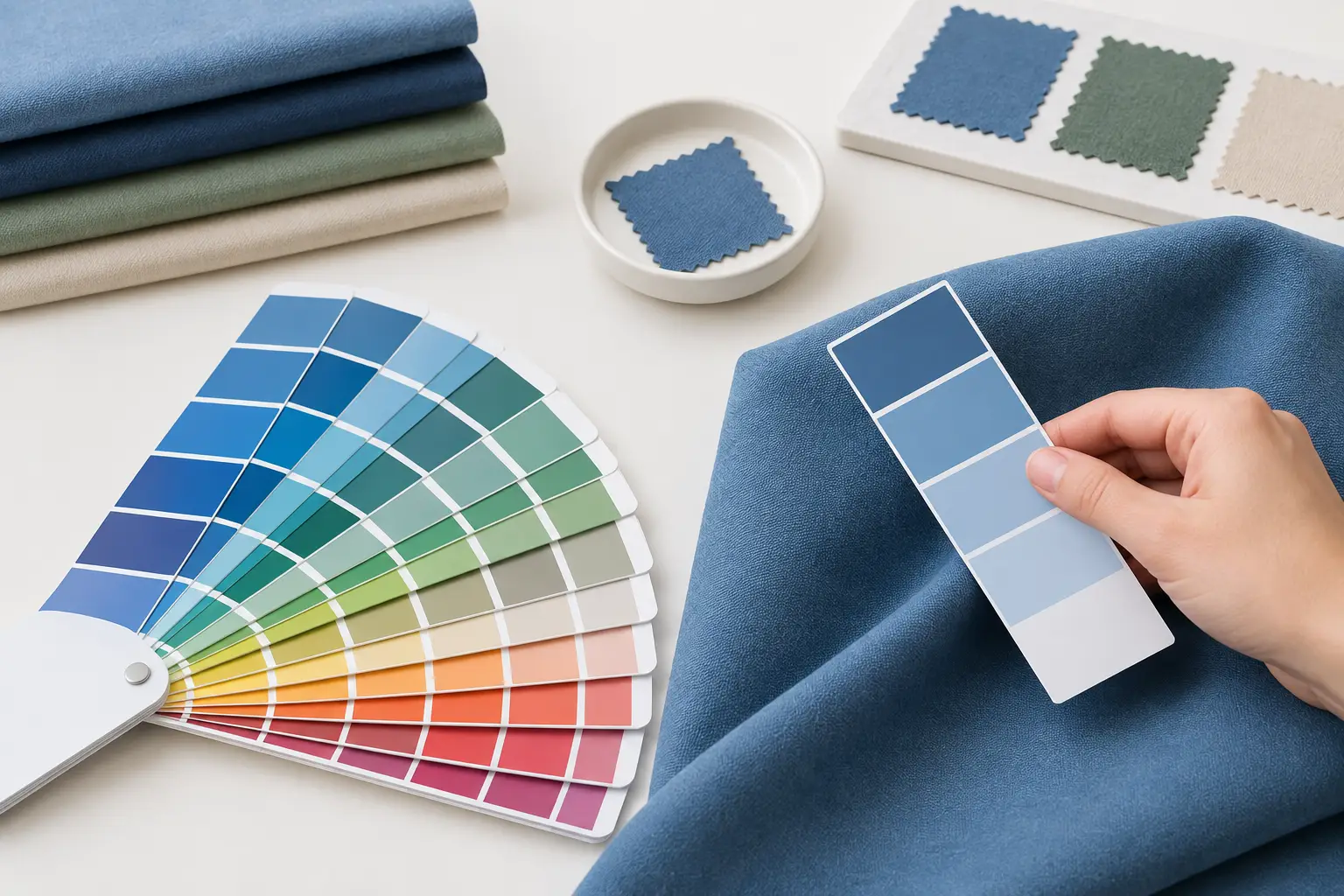
Polyester and nylon bags are popular for sports, travel, outdoor events, and corporate utility. They are often lightweight, durable, and suitable for more structured designs. These materials can also support bright, detailed decoration through methods such as sublimation when the product and artwork are compatible. If your brand depends on exact color reproduction, request swatches or a production sample before confirming a large run.
Recycled materials can reinforce a responsible brand message, but they should be selected with the same care as any other material. Confirm the bag’s construction, texture, decoration compatibility, and intended load. A sustainability claim carries more weight when the product is genuinely useful enough to be reused.
Size and Construction Matter
A bag can look excellent in a mockup yet disappoint in use if the dimensions are wrong. Consider what recipients will carry. Documents and giveaways need a different width and gusset than groceries, laptops, uniforms, or travel essentials.
Details such as reinforced handles, zippers, inner pockets, adjustable straps, bottle holders, and padded compartments can transform a standard item into a bag people reach for regularly. Those features add cost, so they make the most sense for programs where durability and perceived value matter more than maximum distribution volume.
Make the Branding Easy to See and Easy to Remember
A useful bag earns attention. Clear branding ensures that attention belongs to your organization.
Start with the primary viewing angle. On a tote, the front panel is usually the main branding space. On a backpack, a smaller logo on the front pocket may be more effective than oversized artwork that gets hidden by folds and straps. For travel bags, a refined embroidered logo or woven badge can feel more appropriate than a large promotional graphic.
Your logo does not always need to fill the entire bag. A clean design with confident placement often looks more professional and is easier to reproduce consistently across different sizes and colors. If you are including a campaign message, event date, sponsor names, or social handle, make sure the most important element remains readable from a distance.
Color selection deserves equal attention. Choose bag colors that support your brand palette while considering practical use. White and light-colored bags can make printed designs highly visible, but darker colors may stay looking cleaner in high-use environments. When color accuracy is critical, share your brand references early in the approval process. This helps your production partner select the right fabric, ink, thread, and decoration approach.
Select the Right Decoration Method
Different decoration methods create different results. The right method depends on the material, artwork, order quantity, and level of detail.
Screen printing is a reliable choice for bold logos and simple artwork, especially on tote bags and high-volume orders. It produces strong, solid colors and offers good value when the design uses a limited number of colors. Fine gradients and photo-style artwork may need another solution.
Embroidery brings texture and a premium finish, making it a strong fit for backpacks, laptop bags, caps, and travel items. It works especially well for compact logos. Very small text, complex detail, or oversized designs may not translate as cleanly in thread, so artwork should be reviewed before production.
Heat transfer can support detailed, colorful graphics on suitable bag materials. It is useful for smaller runs, individual personalization, or artwork with multiple colors. Sublimation is ideal for polyester-based products designed for full-color printing, allowing vibrant, all-over graphics without the limitations of traditional spot-color printing.
A capable supplier should not push one method for every order. The goal is to match the decoration to your product and purpose, then confirm placement, colors, sizing, and artwork proofs before bulk manufacturing begins.
Plan Your Order Like a Production Project
Promotional merchandise is often tied to a fixed date: an exhibition opening, employee orientation, sports tournament, school intake, or client event. A good bag ordered too late can still create a costly problem.
Begin with your distribution count, then build in a reasonable buffer for staff, late registrations, replacements, and VIP recipients. Confirm whether all recipients need the same bag or whether different groups require different colors, capacities, or personalization. This is especially relevant for teams, schools, and multi-day events where clear identification improves organization.
Give your supplier complete information from the beginning: quantity, bag type, material preference, bag color, artwork files, logo colors, print positions, delivery date, and destination. If you need custom dimensions, dyed fabric, special accessories, or unique packaging, allow more lead time for sampling and approval.
At Green Cotton, the production process is built around turning those requirements into a clear specification before manufacturing moves forward. That includes helping customers align product choices with decoration methods, reviewing artwork, and maintaining quality control through bulk production. Your identity is carried by every item, so specification accuracy cannot be treated as an afterthought.
When a Higher Unit Cost Makes Sense
The lowest unit price is not always the lowest overall cost. If a thin giveaway bag is used once, its exposure ends quickly. A better-built bag may cost more upfront but deliver months or years of repeated visibility, particularly when recipients use it at work, while traveling, or in public.
It depends on the campaign. For a high-footfall activation with thousands of visitors, an economical tote may be exactly right. For a milestone event, executive gift, staff recognition program, or long-term team kit, choosing better fabric, stronger hardware, and premium decoration can reinforce the value of the relationship behind the gift.
The best promotional bag is the one people want to carry without being asked. Choose it around the recipient’s routine, make the branding unmistakably yours, and give production enough time to get every detail right.