
A receptionist greeting a visitor, a technician arriving on site, and a sales team hosting an exhibition all represent the company before they say a word. When leaders ask why choose custom corporate uniforms, the answer is not simply to put a logo on a shirt. It is to give every customer-facing moment a consistent, professional standard while providing employees with apparel made for the job.
For HR teams, procurement managers, and business owners, the right uniform program reduces uncertainty. Staff know what to wear. Managers can order with clearer specifications. The brand appears organized across branches, events, and work environments. Custom uniforms turn clothing from an afterthought into a practical part of daily operations.
Why Choose Custom Corporate Uniforms Instead of Off-the-Shelf Apparel?
Off-the-shelf garments can be quick to buy, but they often force your organization to compromise. The available color may be close to your brand palette but not accurate. The cut may suit one department but not another. A small logo added to a generic shirt can look acceptable at first, yet fail to create the unified appearance expected from a growing organization.
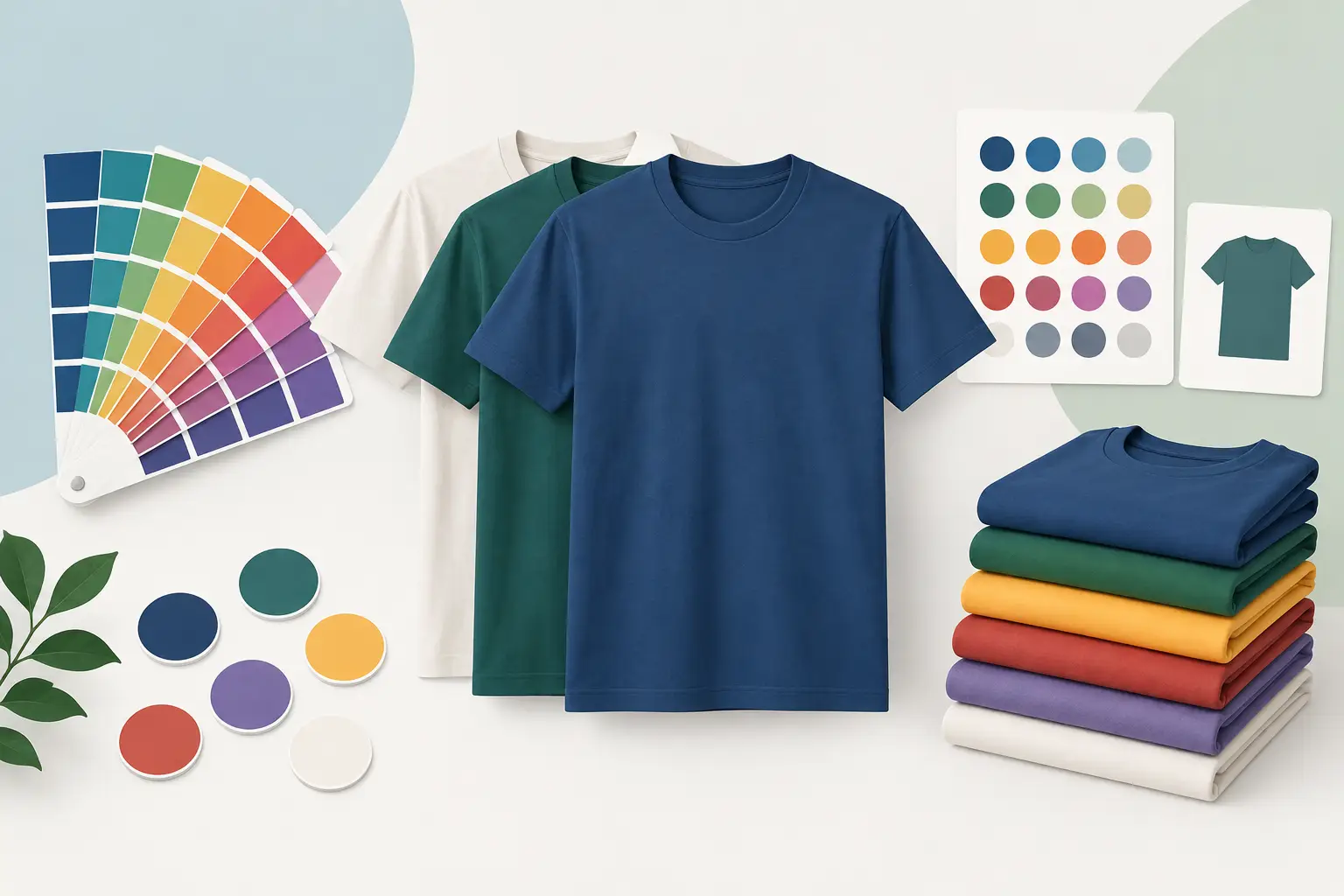
Custom corporate uniforms give you control over the details that shape perception. You can choose the garment category, fabric weight, color, fit, collar style, trim, logo placement, and decoration method. A customer service team may need polished polo shirts with embroidered chest logos, while warehouse employees may need durable workwear that stands up to movement and repeated washing. Both teams can look connected without wearing identical garments.
That flexibility matters because a uniform is a working tool. A formal office environment, a retail floor, a construction site, and a roadshow each require different levels of comfort, durability, visibility, and presentation. A custom program lets you build around those requirements instead of asking employees to adapt to a one-size-fits-all product.
Build Brand Consistency Where It Is Most Visible
Brand consistency is often discussed in relation to websites, packaging, and advertising. Uniforms deserve the same attention because they are worn in front of customers every day. Consistent colors, well-positioned logos, and coordinated garment styles make your team easier to recognize and your organization easier to remember.
This effect is especially valuable for businesses with multiple locations, large field teams, or frequent events. When every employee wears a slightly different shade, garment type, or logo treatment, the brand can appear fragmented. A defined uniform specification keeps the presentation consistent even as headcount grows or new departments are added.
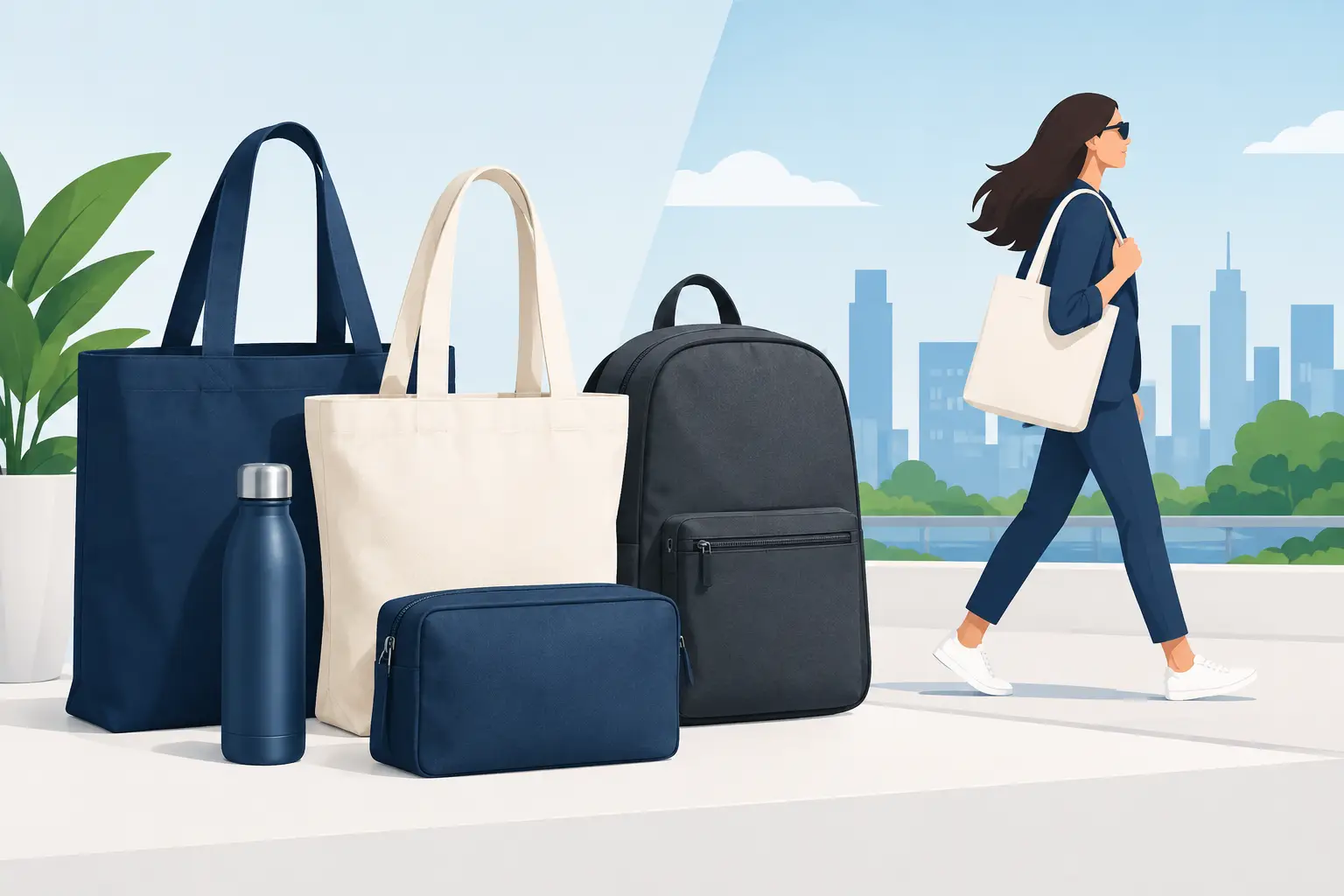
Customization also creates room for a more considered identity. A subtle embroidered logo may suit a professional services firm. Contrast piping, custom collars, or color-blocked panels can give retail and hospitality teams a more distinctive look. For promotions and campaigns, printed T-shirts, caps, tote bags, and staff uniforms can carry the same visual direction across the entire activation.
The goal is not to place branding everywhere. It is to place it where it looks intentional, remains legible, and fits the role of the wearer.
Give Employees Apparel They Will Actually Wear Well
A uniform only works when employees are comfortable enough to wear it confidently through a full shift. That starts with fabric selection. Breathable cotton blends may suit indoor teams, while moisture-wicking performance fabrics can be a better fit for active staff, outdoor events, or warmer work conditions. More demanding roles may need structured workwear with stronger construction and practical features.
Fit also deserves attention. Ordering a single unisex garment in a narrow size range may simplify purchasing, but it can leave employees uncomfortable and disengaged. A better program considers size coverage, cut options, and garment samples before moving into a full bulk order. This is not a cosmetic issue. Apparel that fits properly supports mobility, comfort, and a more polished appearance.
There is a trade-off to manage. Highly specialized fabrics, complex construction, and extensive customization can increase cost and lead time. For many organizations, the best result is a tiered approach: premium corporate uniforms for client-facing teams, durable core garments for operational staff, and simpler branded apparel for events or casual internal use.
Match Decoration Methods to the Garment and the Job
The way your logo is applied affects how the uniform looks, feels, and performs over time. Embroidery creates a textured, premium finish that works particularly well on polo shirts, button-downs, jackets, caps, and heavier fabrics. It is a strong choice for corporate logos that need a long-lasting, professional appearance.
Screen printing is efficient for larger quantities and bold artwork, especially on T-shirts and promotional apparel. Sublimation allows all-over designs and vivid color on suitable polyester garments, making it useful for jerseys, eventwear, and highly visual team apparel. Heat transfer and direct-to-garment printing can suit designs with detailed artwork or smaller production runs, depending on the garment and required finish.
There is no single best method for every order. Fine text may not reproduce well at a very small embroidered size. A large, dense print may feel heavier on a lightweight shirt. A reliable supplier should review the artwork, fabric, order quantity, and intended use before recommending a production method. That guidance helps prevent a design that looks good on screen but performs poorly in real use.
Make Ordering Easier for HR and Procurement
Custom uniforms can simplify procurement when the process is built around clear specifications. Instead of repeatedly searching for replacement shirts or re-approving slightly different products, your organization can establish approved garments, color references, sizing information, logo files, and decoration placements.
This creates a practical system for onboarding new employees, replenishing stock, and preparing for seasonal demand. It also reduces the risk of departments ordering mismatched items from separate suppliers. When one production partner can support uniforms, workwear, promotional merchandise, bags, caps, and corporate gifts, coordination becomes more straightforward.
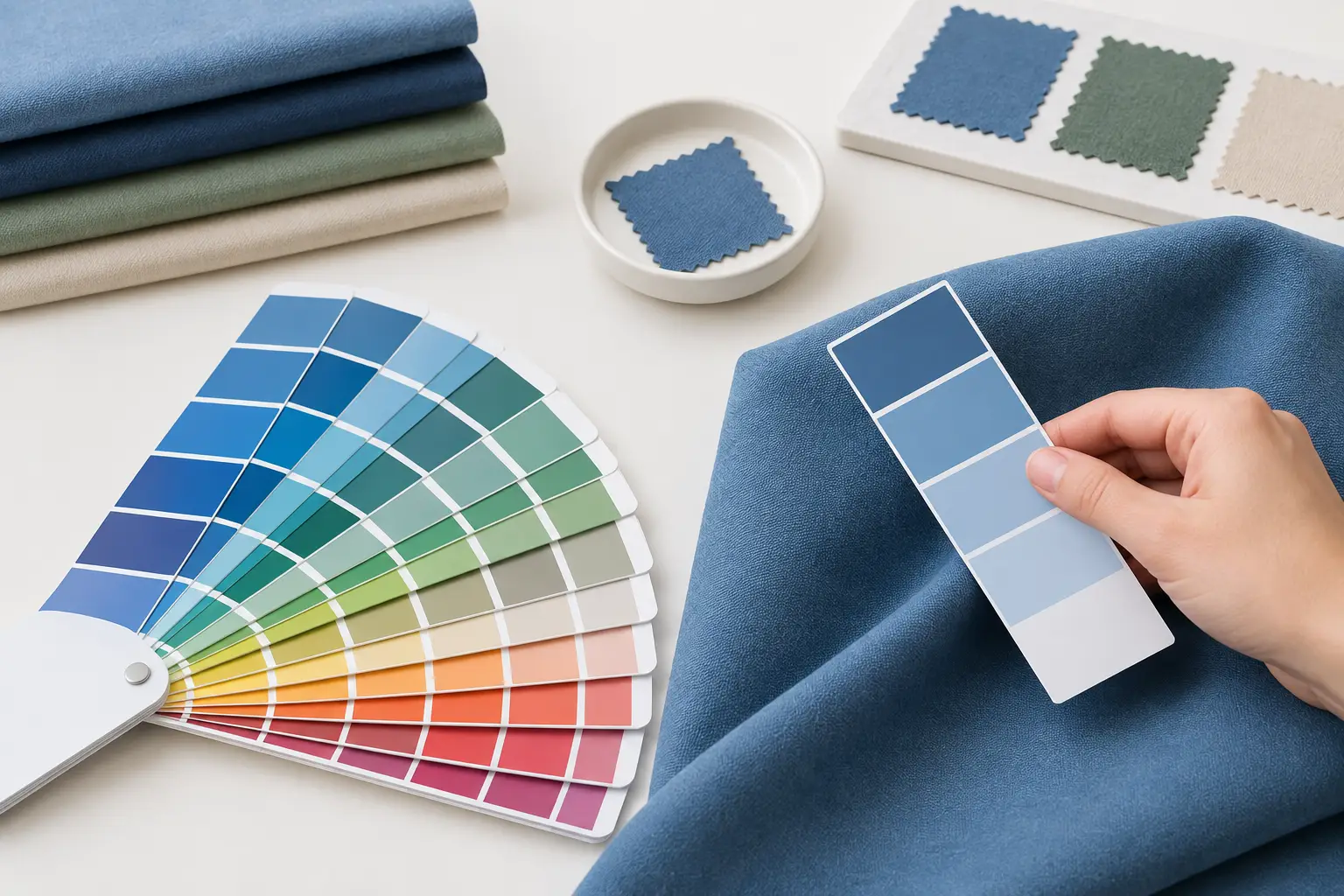
Before placing a bulk order, clarify the expected wear environment, quantity by size, branding requirements, budget, and delivery date. Ask for size guides and, where possible, samples or swatches. Confirm how colors will be matched, whether artwork needs adjustment for the chosen decoration method, and what quality checks will take place before dispatch.
These details are where uniform projects are won or lost. A supplier may offer an attractive unit price, but inaccurate sizing, inconsistent colors, or late delivery can create far greater operational costs. Reliable fulfillment requires more than printing a logo. It requires specification accuracy, production planning, and accountability from approval through delivery.
Use Uniforms to Strengthen Team Identity
A good uniform program does more than make employees look alike. It gives people a visible connection to the team they represent. For new hires, receiving well-made branded apparel can make onboarding feel more complete. For staff at a major event, coordinated uniforms make roles easier to identify and help the team operate with greater confidence.
This benefit should be handled with care. Employees are more likely to support uniforms when the apparel is practical, presentable, and appropriate for their work. Involve department leaders early, particularly when teams have different physical demands or customer interactions. Their feedback can reveal whether a fabric is too warm, a pocket placement is impractical, or a design needs better visibility.
For organizations with varied roles, consistency does not require sameness. Shared logo placement and color standards can unite different garment styles across office, retail, field, and event teams. That approach protects the brand while respecting the realities of each role.
Choose a Production Partner That Can Execute the Details
The value of custom uniforms depends on how accurately the finished order reflects the approved concept. Look for a partner that can guide fabric selection, garment construction, sizing, color options, and decoration methods rather than treating every order as a basic logo application.
Production capability also matters when your requirements change. A company may begin with polos for its customer service team, then need workwear, event shirts, caps, travel bags, or premium gifts for a campaign. Working with a supplier that can handle multiple product categories helps maintain visual consistency and reduces the effort of managing separate vendors.
Green Cotton supports this process from concept through bulk production, helping organizations translate their brand requirements into apparel that is made for real use. The focus should remain on the details that protect your identity: correct specifications, dependable quality control, and delivery that meets the agreed timeline.
Start with the work your team does, the impression your customers should receive, and the conditions the apparel must handle. From there, the right custom uniform becomes easier to define – and far more valuable every time your people put it on.