
A rushed order shows up all at once – shirts in the wrong shade, tote bags with off-center logos, and gift items that feel cheaper than they looked in the mockup. That is usually the moment a business realizes a promotional merchandise supplier is not just a vendor. It is a production partner that directly affects how your brand is seen by customers, staff, event attendees, and stakeholders.
For procurement teams, marketing managers, HR leaders, and event organizers, the real challenge is not simply finding products. It is finding a supplier that can turn brand standards, deadlines, and volume requirements into finished merchandise without costly surprises. When uniforms, campaign giveaways, premium gifts, and event items all need to align, execution matters more than promises.
What a promotional merchandise supplier should actually do
A capable supplier should do more than quote prices on off-the-shelf items. At the business level, the job is to help you source the right products, apply the right decoration method, maintain specification accuracy, and deliver on schedule. That includes practical decisions such as fabric selection, print placement, sizing, packaging, and production timelines.
This is where many buyers run into trouble. Some suppliers are strong at trading standard products but weak in customization. Others can produce custom apparel but struggle when you need matching accessories, bags, and gifts in the same project. If your campaign involves multiple product categories, fragmented sourcing creates more room for delays, inconsistent branding, and miscommunication.
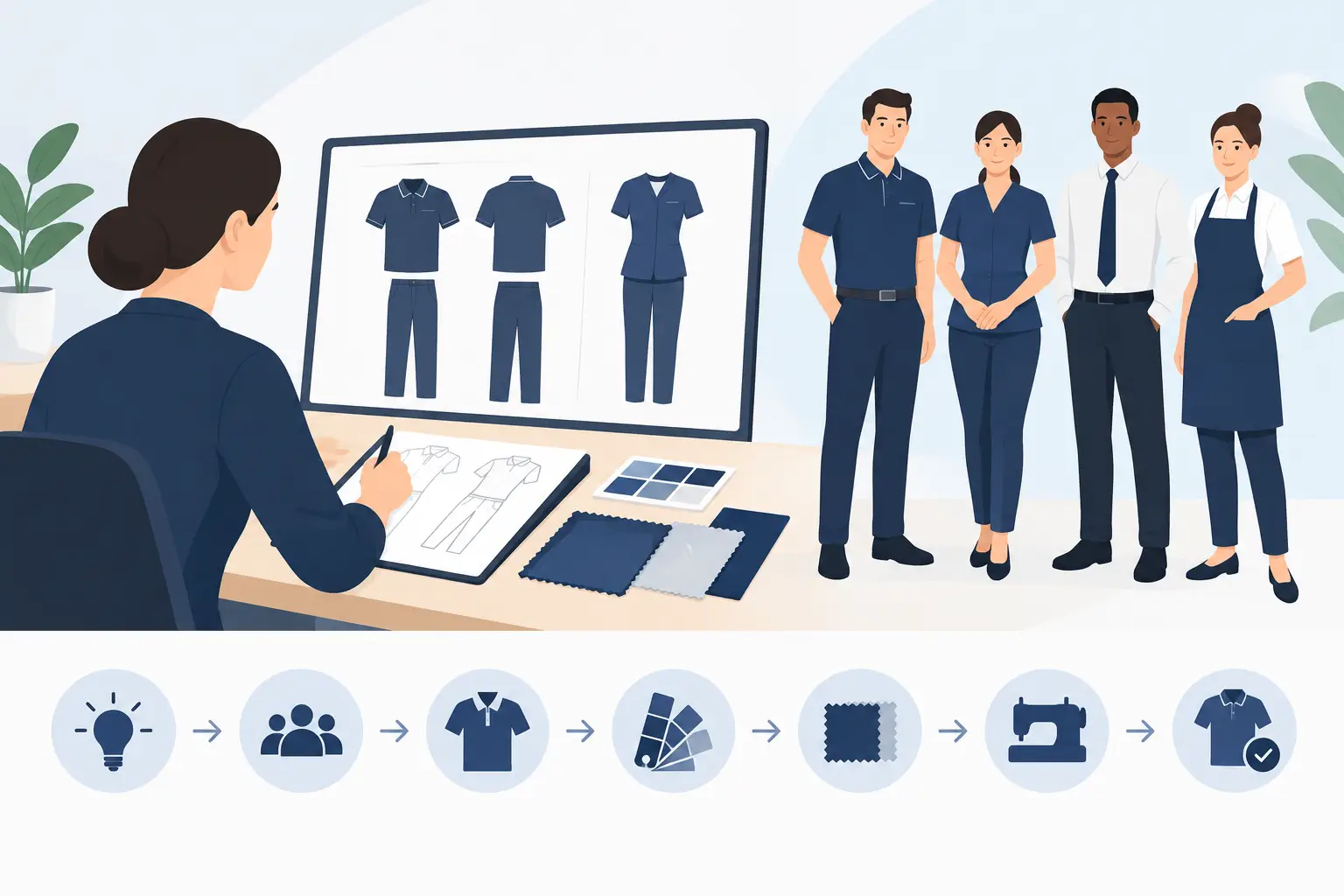
A stronger approach is to work with a supplier that can manage the project from concept through bulk production. That gives you clearer accountability. If something needs to be adjusted, there is one team responsible for getting it right.
How to evaluate a promotional merchandise supplier
The first test is product range, but range alone is not enough. A supplier should be able to support the type of buying your organization actually does. For some businesses, that means staff uniforms plus onboarding kits. For others, it means event T-shirts, caps, tote bags, and sponsor gifts. Schools may need house shirts, teamwear, and merchandise for annual events. The right supplier can support these buying patterns without forcing you to manage several separate vendors.
Customization depth matters just as much. Many buyers only discover the limits after approving an order. A supplier may offer logo printing, but can they match your brand color closely? Can they advise on embroidery versus screen printing? Can they produce custom sizing runs or recommend the right material for outdoor use, repeated washing, or premium presentation? These details shape the final result.
You should also look closely at production capability. A sales team can sound convincing, but delivery performance depends on what happens after the order is confirmed. In-house decoration services, quality control checkpoints, and clear production planning all reduce risk. When a supplier controls more of the process, there is usually better consistency and faster problem-solving.
Quality is not just about the product
Many organizations think about quality as material quality alone. In reality, quality includes finish, decoration accuracy, durability, packaging, and consistency across the full batch. A polo shirt may use acceptable fabric, but if the stitching is uneven or the embroidery pulls the chest panel, it will still look poor in the field.
The same goes for promotional gifts. A notebook, bottle, or bag represents your brand differently depending on how it feels in hand, how cleanly the logo is applied, and whether the item suits the audience. Cheap products can make sense for mass giveaways, but they are often the wrong choice for client gifts or employee recognition. A good supplier will not treat every item the same. They will help you match product quality to purpose.
This is where trade-offs become real. Higher-end materials improve perception, but they also affect budget. Faster turnaround may be possible, but only if product scope or customization complexity stays realistic. A dependable supplier does not hide those trade-offs. They explain them early so you can make decisions before production starts.
Why decoration methods matter more than most buyers expect
The logo is often the last thing discussed and the first thing people notice. Choosing the wrong decoration method can affect appearance, durability, and unit cost.
Screen printing is often a strong fit for larger-volume apparel orders with bold artwork and consistent placement. Embroidery gives a more premium, structured look and works well on polos, caps, uniforms, and bags, though it may not suit highly detailed artwork or very lightweight fabric. Sublimation is ideal when you need full-coverage graphics or all-over teamwear designs. Heat transfer and direct-to-garment printing can be effective for specific artwork types, shorter runs, or more intricate designs.
A reliable supplier will not push one method for every project. They will recommend the method that suits the garment, the use case, and the expected wear. That protects both your budget and your brand presentation.
Speed matters, but control matters more
Tight timelines are common. Events move forward, onboarding dates do not shift, and campaign launches rarely wait for production issues to be solved. That is why turnaround speed is important – but speed without process control creates expensive mistakes.
Ask how timelines are managed. Is there artwork approval before production? Are sample stages available for larger or more customized orders? What happens if stock changes or a material needs to be substituted? A professional supplier will have answers that show process discipline, not vague reassurance.
For recurring buyers, consistency is often more valuable than raw speed. If your business reorders uniforms quarterly or runs multiple events a year, you need a supplier who can maintain the same specifications over time. Brand identity depends on repeatable results.
One supplier versus multiple vendors
There are cases where multiple vendors make sense. A specialized luxury gift project may require a niche producer. A one-off event item might be sourced separately if lead times are unusual. But for most organizations, consolidating apparel and merchandise with one qualified supplier reduces complexity.
It simplifies communication, improves visual consistency, and makes order management easier across departments. Your HR team, marketing team, and operations team may all need branded items for different reasons, but the brand still needs to look cohesive. Working with one accountable supplier helps protect that.
This is where a full-service manufacturer and supplier adds value. Instead of handing off your idea to different intermediaries, you work with one team that understands product selection, customization, decoration, and production execution. That usually means fewer revisions, clearer timelines, and better control from sample to delivery.
What to ask before placing a bulk order
Before you commit, look beyond unit pricing. Confirm product specifications, artwork requirements, sizing details, color expectations, lead times, and packaging needs. If the order includes multiple item types, make sure ownership is clear across the whole project rather than item by item.
It also helps to ask how the supplier handles changes. Bulk orders often evolve. A department may increase headcount, an event date may move, or a client may request upgraded packaging. Flexibility matters, but it has to be backed by production discipline.
The best supplier conversations are practical. They focus on quantities, use cases, decoration suitability, and deadlines. They do not stop at showing a catalog. They help you move from idea to a manufacturable order.
For businesses that need custom apparel, uniforms, gifts, and event merchandise at scale, that kind of support is where the difference shows. Green Cotton is built around that model – helping organizations develop branded products with the right materials, decoration methods, specifications, and production planning so orders arrive ready to perform.
The supplier you choose becomes part of your brand
Every branded shirt worn by staff, every event tote handed to attendees, and every gift box sent to a client says something about your standards. That is why choosing a promotional merchandise supplier should be treated as a brand decision, not just a purchasing task.
A dependable partner brings more than product access. They bring control, consistency, and accountability across the entire order. When that happens, your merchandise does what it is supposed to do – represent your organization clearly, professionally, and on time.
If you are reviewing options, start with the basics: Can this supplier meet your specifications, support your product mix, and deliver consistently under real business conditions? If the answer is yes, you are not just placing an order. You are building a supply relationship that makes every future project easier.