A uniform order usually looks simple at the start – pick a shirt, add a logo, place the order. Then the real questions show up. Will the fabric hold up on the job? Do the colors match your brand? Are sizes consistent across departments? If you are figuring out how to order custom uniforms for a business, school, team, or event, the best results come from getting the specifications right before production begins.
Custom uniforms are not just apparel. They affect brand presentation, employee comfort, day-to-day practicality, and reorder efficiency. When the order is planned properly, uniforms do their job quietly and well. When details are vague, small errors turn into expensive delays, sizing issues, and branding inconsistencies.
How to order custom uniforms without costly mistakes
The first step is knowing what the uniforms need to do, not just how they need to look. A front desk team, warehouse crew, school staff, and event ambassadors may all need branded apparel, but their use cases are completely different. One group may need breathable polos for long indoor shifts, while another needs durable workwear that can handle repeated washing and physical activity.
Start by defining the role of the uniform. Is it meant for daily operational use, occasional events, promotional visibility, or a mix of all three? This shapes nearly every decision that follows, from fabric selection to decoration method to garment type.
It also helps to identify whether every wearer truly needs the same product. In some organizations, one uniform style works well across the whole team. In others, it makes more sense to create a coordinated range, such as polos for office staff, performance tees for event crew, and jackets for field teams. The goal is consistency without forcing one garment to do every job poorly.
Build the order from specifications, not assumptions
A strong uniform order begins with a clear specification sheet. That means documenting the garment type, fabric, color, sizing, branding placement, artwork format, and quantity breakdown. The more precise the brief, the smoother the production process.
Choose the right garment category
The garment itself should fit the work environment. Corporate uniforms often call for polos, button-downs, or smart casual pieces that present well in customer-facing settings. Industrial and operations teams may need heavier-duty workwear. Schools and sports teams usually prioritize comfort, movement, and easy identification. Event organizers often favor lightweight, brand-forward apparel that works across long hours and mixed weather conditions.
There is always a trade-off. A premium fabric may elevate appearance, but it may not be the best choice for heat, movement, or frequent washing. A budget-friendly tee may work for a one-day campaign, but it may not deliver the polished look expected for daily staff uniforms. Ordering well means matching the product to the actual use case.
Select fabric with purpose
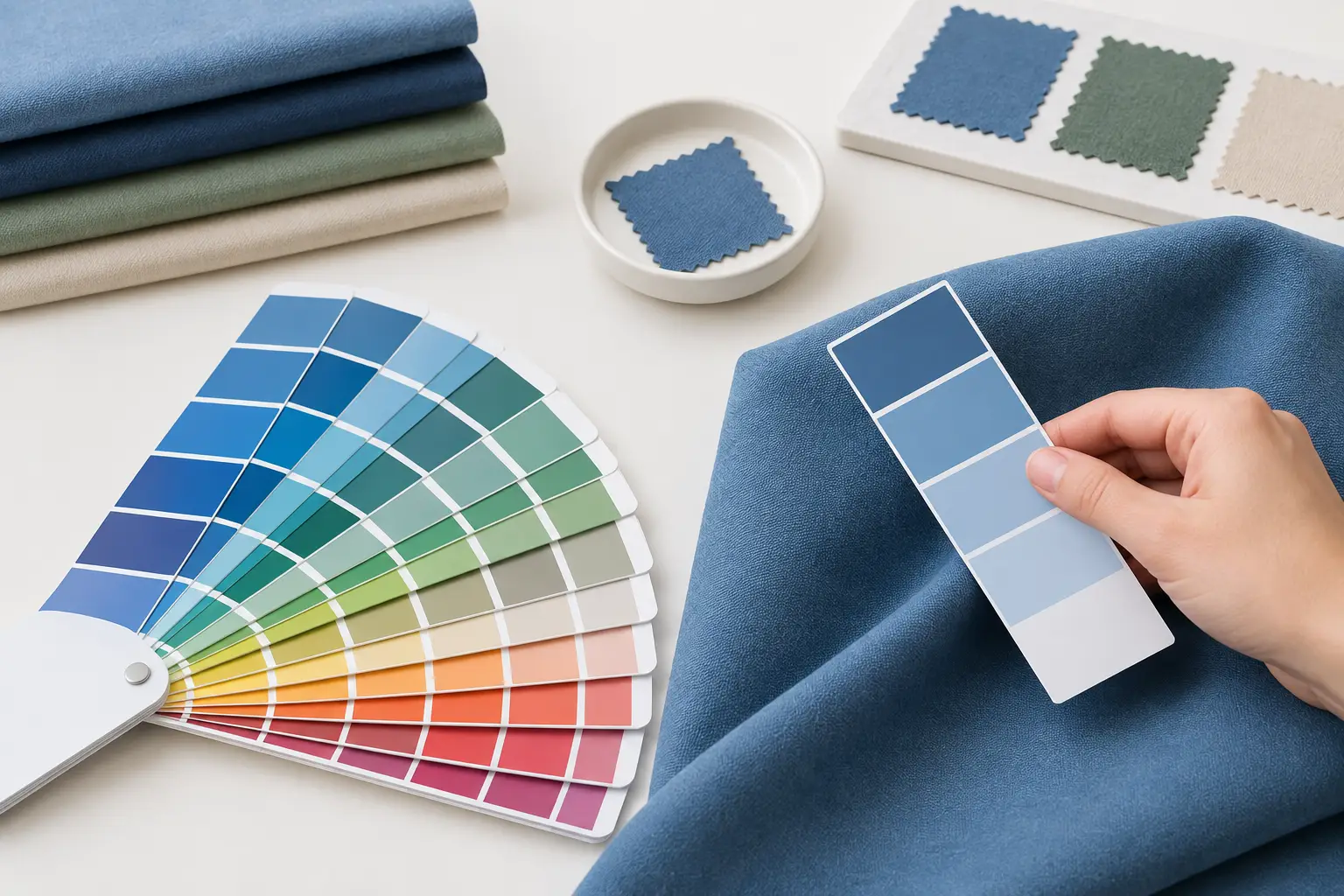
Fabric choice has a direct impact on comfort, durability, and print performance. Cotton-rich options can feel soft and breathable, while polyester blends often offer better color retention, moisture management, and shape stability. For high-activity teams, performance fabrics may be the better fit. For hospitality or front-facing staff, the priority may be a cleaner structure and more refined finish.
This is where many bulk orders go wrong. Buyers focus on price per piece and overlook wear conditions. If uniforms will be washed often, exposed to heat, or worn through long shifts, fabric performance matters more than small savings upfront.
Lock in branding details early
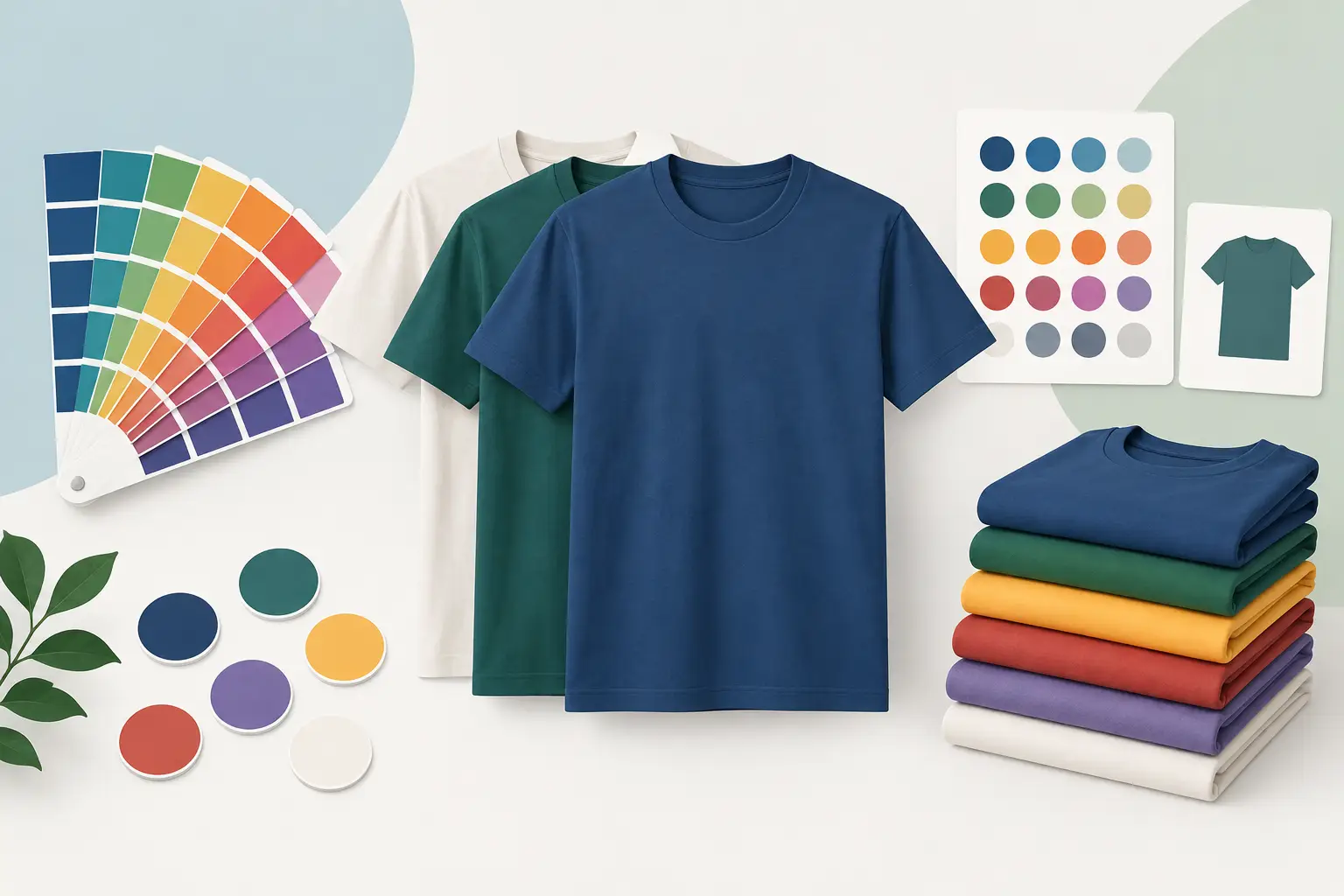
Logo size, placement, print method, and thread or ink colors should all be approved before production starts. If your brand uses specific Pantone values or has strict identity rules, share those details clearly. A uniform vendor can only match what has been defined.
Different decoration methods suit different outcomes. Embroidery offers a durable, premium finish and works well on polos, caps, jackets, and workwear. Screen printing is efficient for larger runs and bold graphics. Sublimation is ideal for all-over sportswear or designs with complex color coverage. Heat transfer and direct-to-garment can be useful depending on fabric type, artwork detail, and order volume.
There is no single best method for every project. The right choice depends on garment material, logo complexity, expected lifespan, and quantity.
Get sizing under control before bulk production
Sizing issues are one of the most common reasons uniform programs fail. Even when the garments look great, poor fit can lead to wasted stock, staff dissatisfaction, and expensive replacements.
The best approach is to work from a proper size chart tied to the exact garment being produced. If possible, arrange size sampling or fit confirmation before finalizing the full run. This matters even more if your team includes a wide range of body types or if the order covers multiple departments.
Do not assume that one supplier’s medium fits like another supplier’s medium. Measurements, cuts, and intended fit can vary. A slim-cut corporate polo and a relaxed event tee may technically share a size label, but they will not wear the same way.
When placing the order, provide a size breakdown based on real demand, not rough estimates. Procurement teams often over-order middle sizes and under-order extended sizes. A more accurate forecast reduces excess inventory and makes distribution easier.
Plan quantities, reorders, and lead times realistically
If you are learning how to order custom uniforms for an organization, think beyond the first delivery. A successful order should support future reorders with the same specifications, colors, and branding standards.
That means recording everything: approved artwork, garment codes, fabric details, measurements, embellishment positions, and packaging preferences. If your business expects new hires, seasonal staffing, or recurring events, building a repeatable uniform spec saves time and reduces inconsistency later.
Lead time also deserves more attention than most buyers give it. Production schedules depend on sample approval, material availability, decoration complexity, and order size. Custom dyed fabrics, special trims, personalized accessories, and multiple garment categories can extend timelines. That does not mean those options are a problem. It simply means they should be planned early.
Rush orders are possible in some cases, but they usually reduce flexibility. You may have fewer garment options, fewer revision rounds, or tighter delivery coordination. If the deadline cannot move, be clear about that from the start.
Work with a supplier that can guide the process
A uniform supplier should do more than take an order. They should help identify risks before production begins. That includes flagging artwork limitations, suggesting better fabric options, advising on print methods, and catching specification gaps that could create problems at scale.
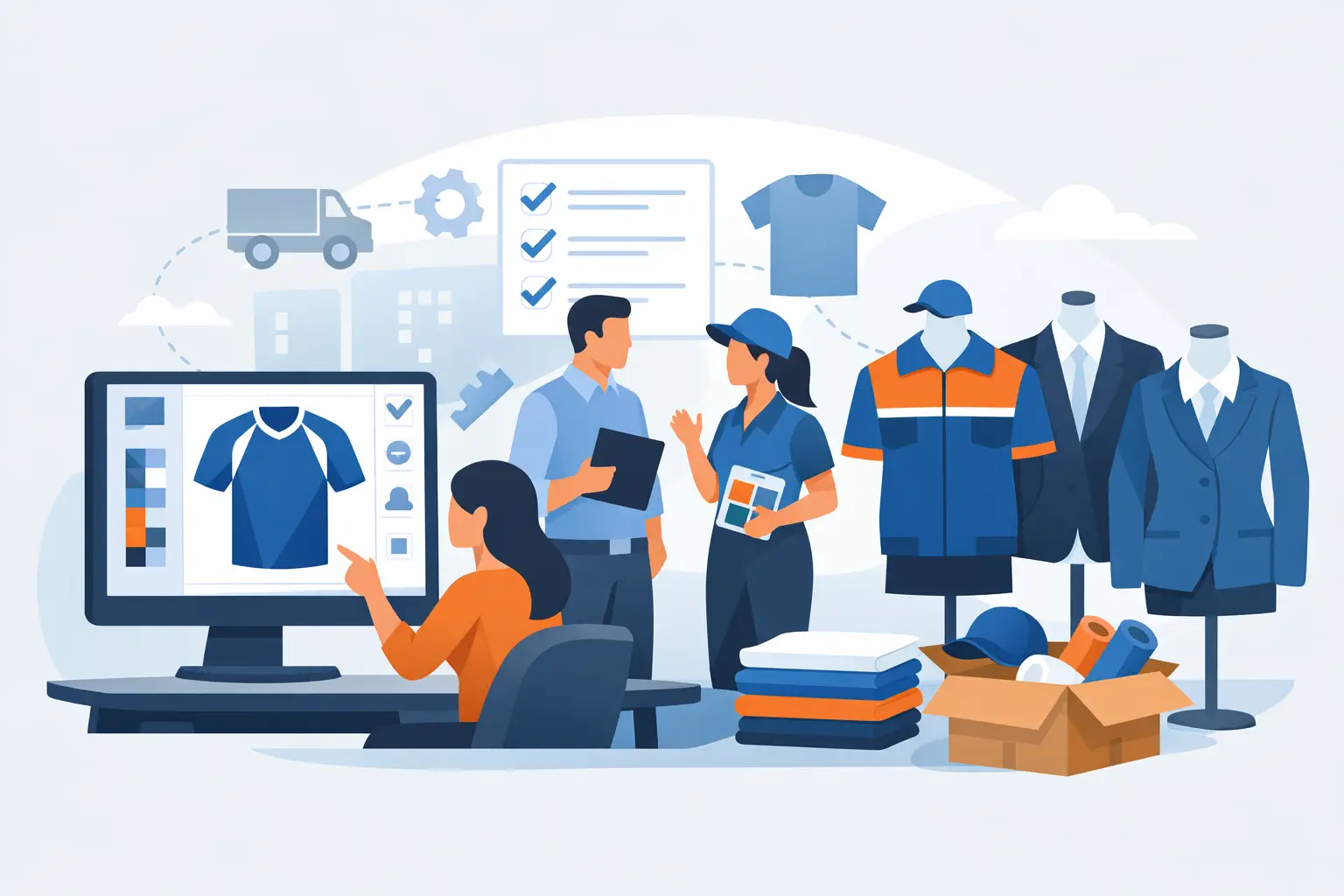
For buyers managing uniforms across multiple teams or product categories, this matters even more. Coordinating polos, T-shirts, jackets, caps, bags, and premium items through separate vendors creates room for mismatch in color, branding, and delivery timing. A full-service partner can simplify that process by aligning production standards across the order.
This is where manufacturing experience shows. A capable supplier does not just promise customization. They manage the details that protect consistency, including sampling, quality checks, decoration accuracy, and delivery coordination. Green Cotton is built around that end-to-end process, helping organizations move from concept to bulk production with tighter control and fewer surprises.
Questions to settle before you approve the order
Before signing off, make sure the final approval covers more than artwork. Confirm the garment style, material, exact color, decoration method, logo placement, size breakdown, quantity per item, and delivery timeline. If items are packed by department, location, or wearer, that should be specified as well.
It is also worth confirming what happens if the order includes mixed products. Uniform programs often expand beyond shirts into caps, bags, outerwear, or event merchandise. That can be efficient, but only if the branding stays consistent across every item.
One more point matters for long-term buyers: ask how the supplier handles repeat orders. If your original specs are documented properly, reordering becomes much faster and more accurate. That is especially valuable for growing teams, multi-branch businesses, and annual programs.
Custom uniforms work best when they stop being a recurring problem and start becoming a dependable system. The right order process gives your team the right fit, your brand the right presentation, and your operation the confidence that what was approved is exactly what gets delivered. Start there, and the uniforms will do what they are supposed to do – represent your organization well, every day.