A bulk T-shirt order looks simple until the details start stacking up. Fabric weight, print durability, fit consistency, color matching, delivery dates, packing requirements, and size breakdowns can turn a straightforward purchase into a costly production problem. That is why choosing the right custom t shirt manufacturer matters far beyond price.
For businesses, schools, event teams, and procurement managers, the goal is not just to get shirts made. The goal is to get the right shirts, branded correctly, delivered on time, and consistent from the first carton to the last. A reliable manufacturing partner helps you protect your brand standards while keeping ordering practical at scale.
What a custom t shirt manufacturer should actually do
A true manufacturing partner does more than print a logo on a blank garment. The right supplier should be able to support your project from concept to bulk production, helping you define the garment, decoration method, finishing details, and delivery plan before production begins.
That includes choices such as T-shirt style, fabric type, GSM, fit, collar construction, sleeve length, color, labeling, and branding placement. If your order is for staff uniforms, campaign merchandise, school wear, or event apparel, those decisions affect both appearance and day-to-day performance.
This is where many buyers run into trouble. Some vendors are strong at small-run decoration but limited in manufacturing control. Others can produce in volume but offer little guidance on specification accuracy. If your order needs consistency across hundreds or thousands of pieces, you want a supplier that can manage both customization and production discipline.
Start with the use case, not the shirt
The best buying decisions begin with how the shirts will be used. A promotional giveaway shirt does not need the same fabric standard as a retail-style merchandise run. A staff uniform has different demands than a one-day event shirt. Sports activity shirts call for different material behavior than corporate roadshow apparel.
When you define the use case first, it becomes easier to choose the right balance of cost, comfort, and branding. Cotton may work well for everyday wear and a softer hand feel. Performance fabrics may be better for active teams or outdoor events. A heavier fabric can feel more premium, but it may not be necessary for short-term campaign use.
The same logic applies to decoration. Screen printing is often a strong option for bulk runs with solid color artwork. Embroidery gives a more structured, professional finish for polos, uniforms, and caps. Sublimation suits all-over designs and sports jerseys. Heat transfer and direct-to-garment can work well in specific situations, but the right choice depends on artwork complexity, fabric, quantity, and budget.
How to evaluate a custom t shirt manufacturer
A dependable custom t shirt manufacturer should make your buying process clearer, not more confusing. If discussions stay vague around fabric specs, print methods, lead times, or quality checks, that is usually a warning sign.
Start by looking at production capability. Can the supplier support the quantities you need without pushing your job into a long queue? Do they offer in-house decoration, or are key steps outsourced? The more control they have over production, the easier it is to maintain consistency and timing.
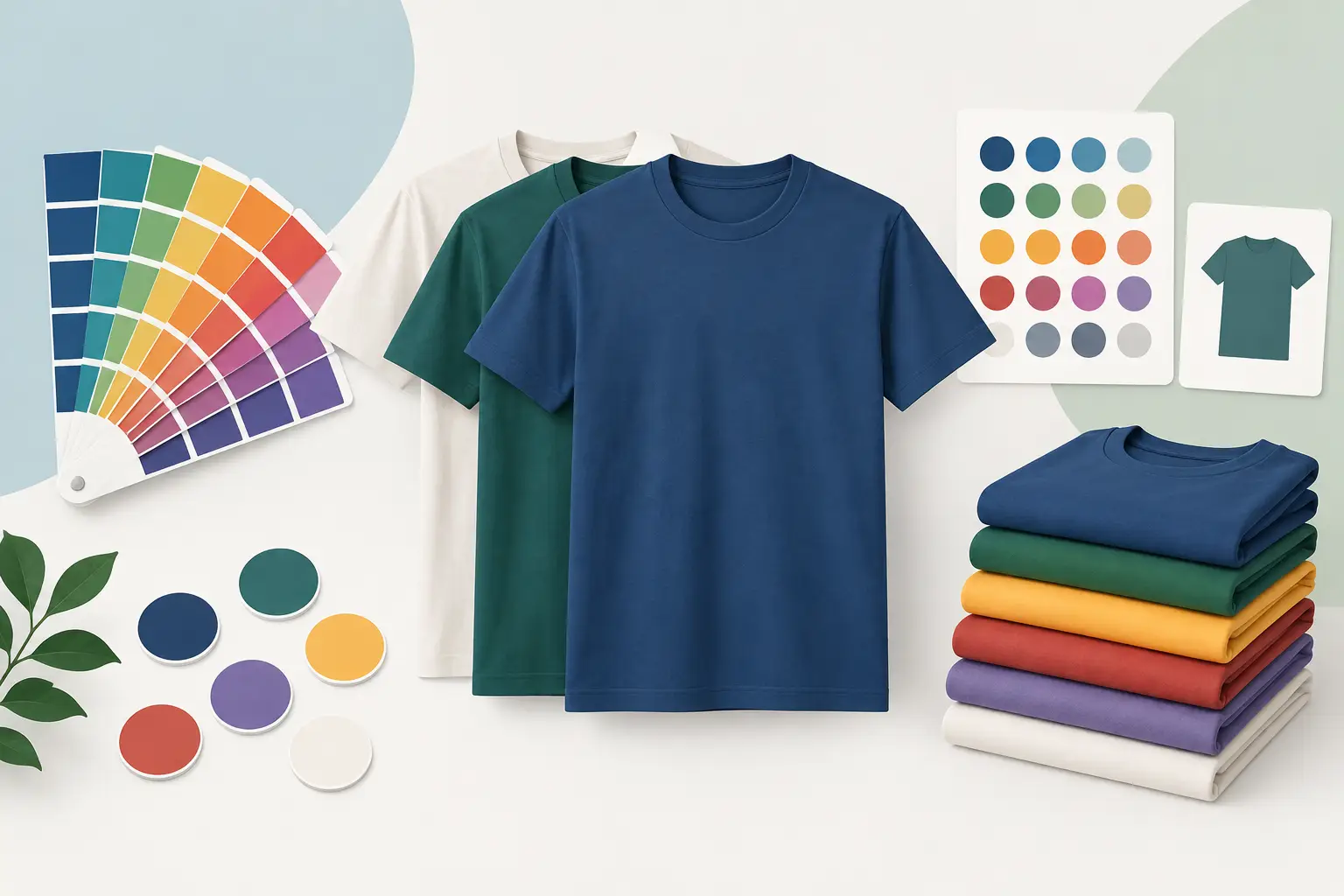
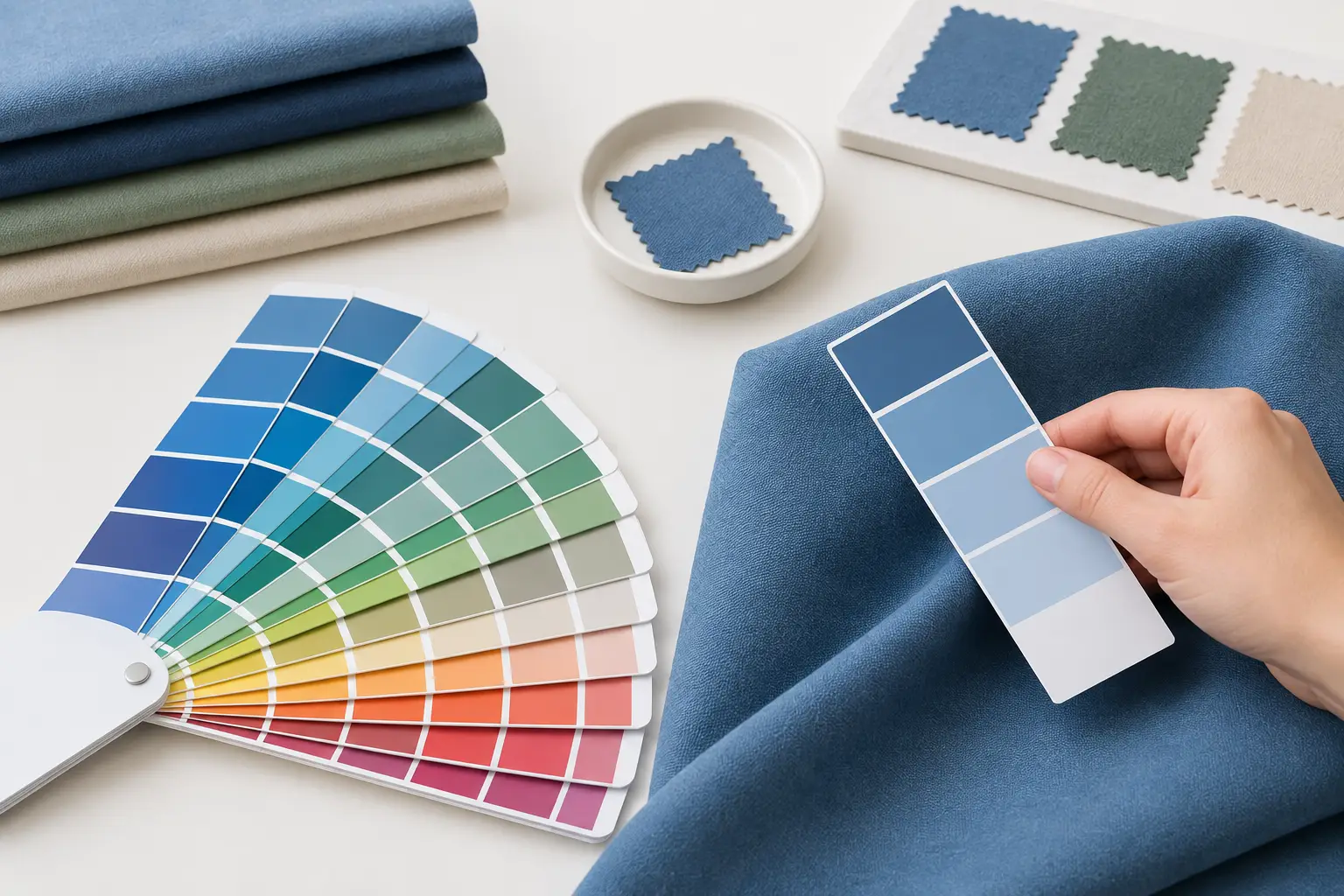
Next, assess customization depth. Many buyers need more than a standard chest print. You may need custom dyed fabric, specific Pantone alignment, woven labels, individual naming, packaging requirements, or accessories that support a campaign or uniform rollout. A stronger manufacturer can handle these details without treating them as exceptions.
Quality control is another major factor. Ask how approvals are handled before bulk production. You want a clear process for confirming artwork placement, garment measurements, color expectations, and decoration output. Good quality assurance is not just about catching defects at the end. It starts by getting the specification right before production begins.
Lead time deserves honest discussion. Fast turnaround is valuable, but unrealistic promises usually create bigger problems later. A capable partner should be able to explain sample timing, bulk production schedules, and dispatch planning in a way that matches your event or rollout date.
The real cost of choosing on price alone
Price matters. Every procurement team has a budget, and every marketing team needs value. But the lowest quote can become the most expensive order when reprints, delays, or inconsistent garments damage the outcome.
A shirt that shrinks excessively, prints that crack after a few washes, or mixed sizing that confuses your staff distribution all create hidden costs. There is also the brand cost. If your uniforms look uneven across locations, or your campaign merchandise feels cheap in customers’ hands, the savings disappear quickly.
This does not mean the highest price is automatically the best option. It means value should be judged against accuracy, reliability, decoration quality, and fulfillment confidence. A strong manufacturer helps you avoid preventable mistakes that would otherwise consume time and budget.
Why specification accuracy matters in bulk orders
In small orders, minor inconsistencies are frustrating. In large orders, they become operational issues. A wrong sleeve print placement repeated across 2,000 shirts is not a small error. Neither is a size ratio that leaves you short on common sizes for your staff or event crew.
That is why specification control is central to bulk customization. Buyers should expect a structured process that confirms artwork files, garment measurements, color direction, print positions, and packing details before production begins. The more organized the pre-production stage is, the less risk you carry later.
For organizations managing multiple departments or branches, consistency also supports internal trust. HR teams need uniforms that present the company professionally. Event organizers need merchandise that matches campaign visuals. Schools need apparel that reflects identity clearly and holds up to repeat use. Production accuracy makes those outcomes possible.
One supplier or several vendors?
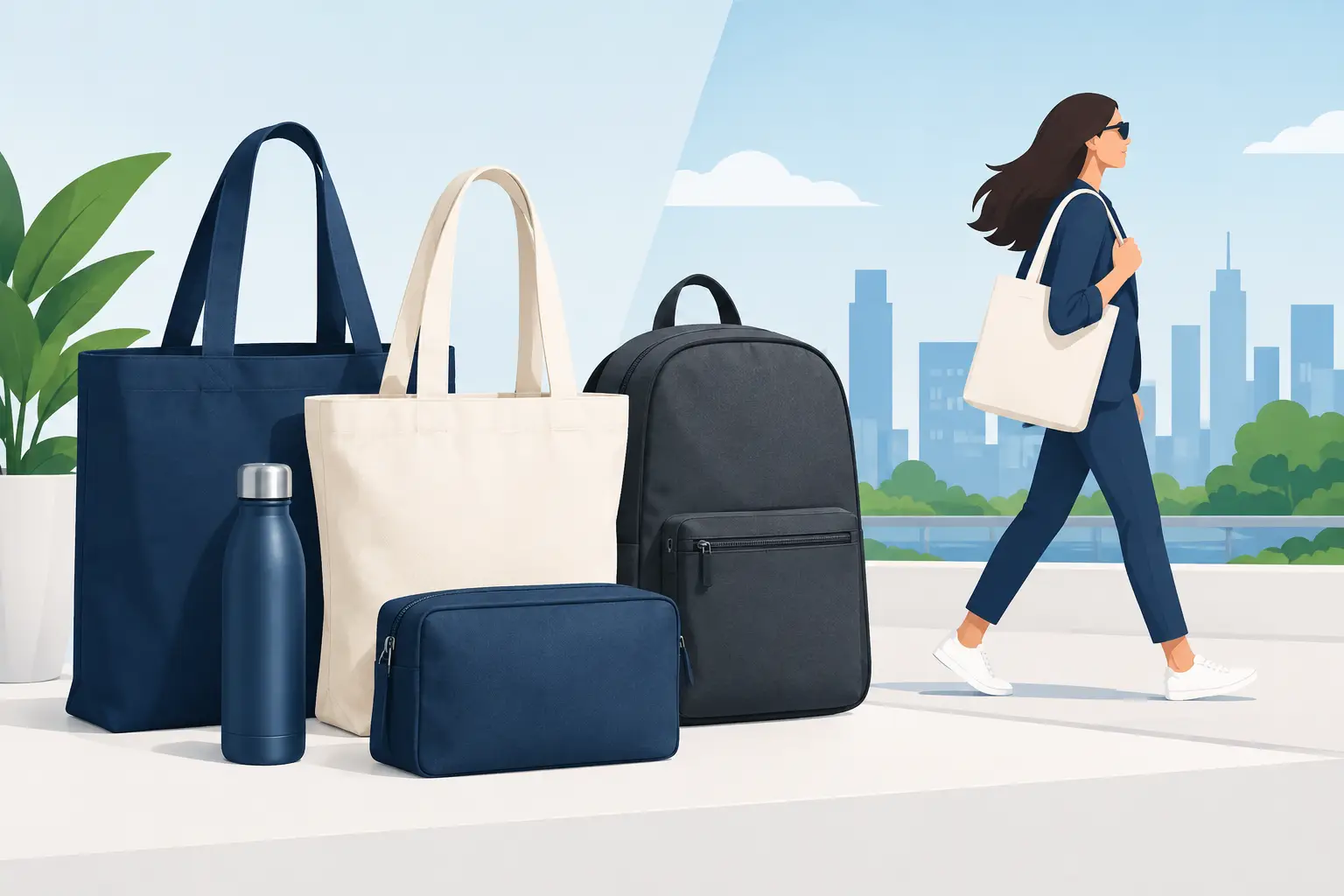
For many organizations, consolidating orders with one capable partner is more efficient than splitting work across multiple vendors. If your project includes T-shirts, polos, caps, tote bags, workwear, or premium gifts, working with one supplier can simplify approvals, branding consistency, and delivery coordination.
There are trade-offs, of course. A niche vendor may be excellent at one specific decoration method or product category. But if your priority is managing branded apparel and merchandise as a unified program, a full-service supplier usually creates fewer handoff problems.
This is especially useful when timelines are tight. Instead of chasing separate updates from separate vendors, your team works with one production partner accountable for the broader outcome. That is often the difference between a stressful rollout and a controlled one.
What strong manufacturers help you decide
Good suppliers do not just ask what logo you want printed. They help you make better production decisions. That may include recommending a fabric that fits your wear environment, advising against a print method that will not hold up on your chosen material, or adjusting a garment spec to stay within budget without weakening the result.
That consultative support matters because not every order should be treated the same way. A corporate anniversary tee, a field team uniform, a school club shirt, and a retail-style branded merchandise run all require different thinking. The right partner will explain the trade-offs clearly and keep the order aligned with your goals.
This is where experience shows. A manufacturer with broad product capability and in-house decoration knowledge can guide decisions before they become production problems. That is the kind of support organizations need when brand identity, deadlines, and quantities are all on the line.
Choosing a partner you can order from again
The best custom apparel relationships are repeatable. You should be able to come back for the next event, the next uniform cycle, or the next campaign without starting from zero. That requires reliable records, consistent specs, and a team that understands your standards.
Green Cotton works best in that kind of partnership model, where businesses and organizations need more than a one-off print job. They need a production team that can handle garment selection, decoration, quality control, and delivery with accountability.
If you are evaluating a custom t shirt manufacturer, look past the sample photo and the headline price. Ask who will manage your specifications, protect your brand details, and deliver when the order truly counts. When the answer is clear, the ordering process gets easier, and the result feels like it was built for your organization from the start.
The right shirts do more than fill cartons – they represent your team, your standards, and your name every time someone wears them.