A logo on a shirt can look sharp in a proof and still fail in production if the decoration method is wrong for the garment, budget, or use case. That is why screen printing vs embroidery is not just a design choice. For businesses, schools, and event teams ordering in volume, it affects cost, consistency, durability, and how your brand is perceived the moment people put the item on.
If you are sourcing staff uniforms, campaign merchandise, club apparel, or corporate gifts, the right answer depends on what you are decorating, how often it will be worn, and what kind of finish you want. One method is not better across the board. The best result comes from matching the decoration technique to the job.
Screen printing vs embroidery: the core difference
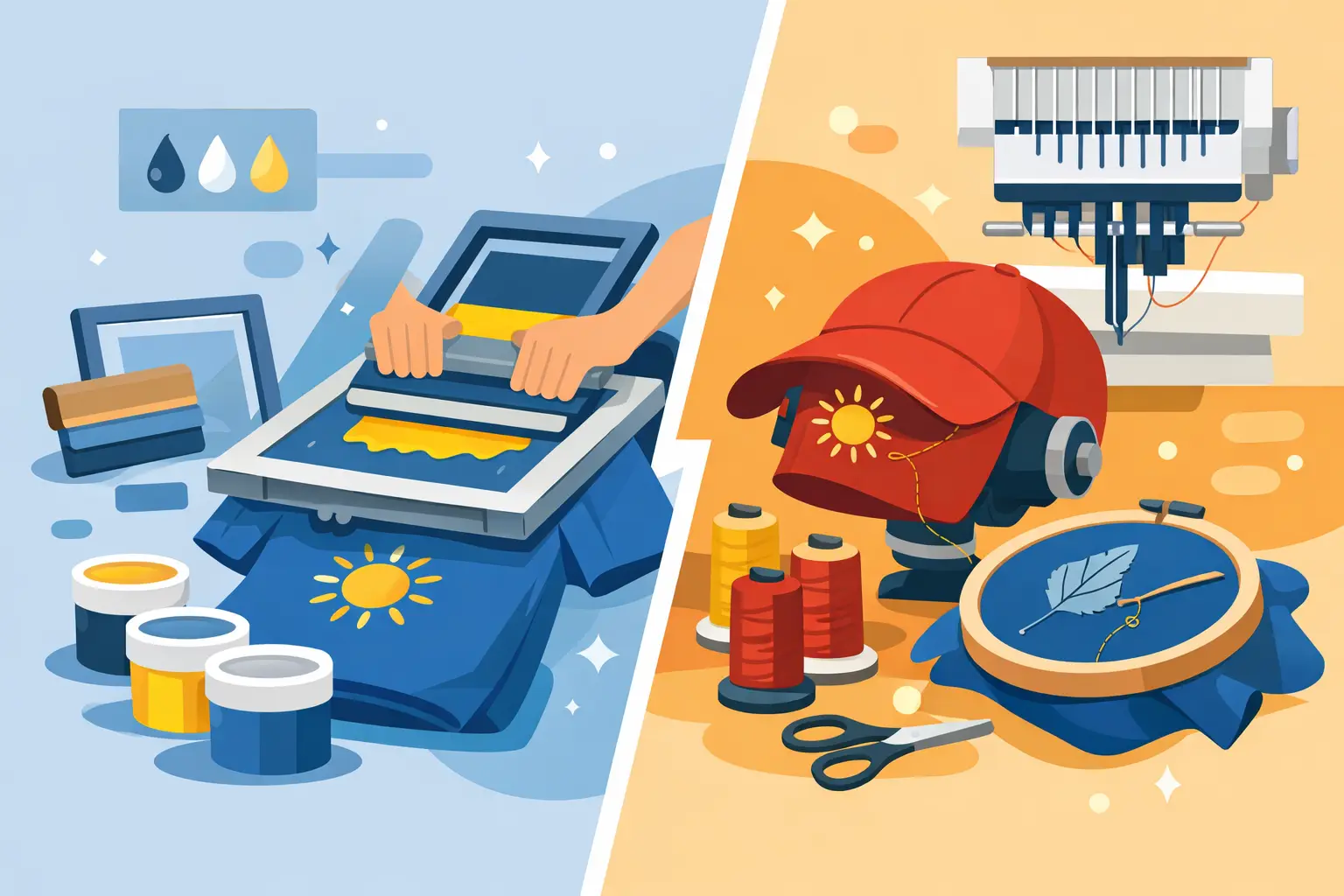
Screen printing applies ink directly onto the fabric surface. It is ideal for graphic designs, bold logos, large chest prints, back prints, and artwork with strong visual impact. The finish is flat, clean, and highly effective for T-shirts, event apparel, and promotional wear where brand visibility matters.
Embroidery uses thread stitched into the garment. It creates a textured, premium finish that is often chosen for polo shirts, caps, jackets, and workwear. Embroidered logos tend to communicate formality, durability, and a more established brand image.
At a glance, screen printing is usually the stronger choice for large, vibrant artwork and higher-volume apparel programs where cost efficiency matters. Embroidery is usually the stronger choice for smaller logo placements and garments that need a polished, professional look.
When screen printing makes more sense
Screen printing performs best when your design needs visual presence. If you are producing event shirts, campaign tees, school house shirts, team apparel, or promotional merchandise with larger artwork, this method gives you more room to create impact. It handles broad areas of color well and keeps the design readable from a distance.
It is also a practical option for bulk orders. Once screens are prepared, production becomes efficient, which helps control unit cost at scale. For organizations managing large staff rollouts or event distribution, that matters. You need a method that not only looks good, but also keeps the budget aligned with quantity.
Fabric choice matters here. Cotton and cotton-blend T-shirts are common matches for screen printing because the ink sits well on the surface and produces strong color results. For promotional shirts and casual uniforms, this is often the most commercially sensible route.
That said, screen printing is not ideal for every artwork type. If the logo is very small, has fine text, or needs to sit on a textured or heavier garment in a subtle way, the result may not feel as refined as embroidery. The design can still be effective, but the finish communicates a different brand message.
Best uses for screen printing
Screen printing is often the better fit for product launches, roadshows, staff T-shirts, school events, sports supporters’ shirts, and giveaway merchandise. It is especially useful when the design is part of the garment’s visual identity rather than a small brand mark.
If your priority is visibility first, screen printing usually leads.
When embroidery is the stronger choice
Embroidery works best when your logo needs to feel built into the garment rather than printed onto it. That difference matters for uniforms, hospitality wear, retail staff apparel, and corporate polos where presentation is tied to trust. A stitched logo gives the garment more structure and often makes the brand look more established.
This is one reason embroidery is so common on collared shirts, caps, jackets, aprons, and workwear. These garments already carry a more professional or premium positioning, and the decoration method should support that. A stitched chest logo on a polo shirt sends a different signal than a printed one.
Embroidery also holds up well with repeated wear. For uniforms used across shifts, departments, or long-term programs, durability matters beyond the first delivery. You want branding that stays intact through regular use and laundering while keeping the garment presentable.
Still, embroidery has limits. It is less suitable for large graphics, highly detailed artwork, or designs with soft gradients and photographic elements. Thread has physical thickness, so there is a point where detail becomes harder to reproduce cleanly. Large embroidered areas can also add weight and stiffness to lighter garments.
Best uses for embroidery
Embroidery is usually the better fit for company uniforms, hospitality apparel, executive merchandise, branded caps, outerwear, and premium gifts. If the goal is credibility, polish, and long-term wear, embroidery often delivers the stronger result.
Cost is not just about the unit price
Buyers often ask which option is cheaper. The more useful question is which option gives the right return for the purpose of the order.
Screen printing is generally more cost-effective for larger runs, especially when the same design is repeated across many garments. That makes it attractive for campaign apparel, event shirts, and broad team distribution. The economics improve as volume rises, which is why it is frequently chosen for bulk merchandise.
Embroidery is often worth the added cost when the garment itself carries more value or the logo placement is smaller and more formal. A branded polo for front-facing staff, for example, is not judged only on decoration cost. It is judged on whether the finished uniform looks consistent, credible, and appropriate for the brand.
So yes, there is a price difference. But procurement decisions should account for use, expected lifespan, garment type, and impression. A lower decoration cost does not automatically mean better value.
Design detail changes the answer
Artwork is one of the biggest deciding factors in screen printing vs embroidery. Large logos, slogans, and graphics with strong shapes usually translate well in screen print. If your design relies on bold presentation, printed ink gives you more flexibility.
Embroidery favors simpler logo structures. Clean icons, initials, badges, and compact corporate marks are usually excellent candidates. Fine lines, tiny text, and complex shading may need adjustment before stitching. In some cases, artwork that looks perfect on a digital file needs to be simplified for embroidery so it remains clear on fabric.
This is where production guidance matters. A decoration method should support your brand identity, not force a compromise that weakens it. The right recommendation starts with the logo, then works outward to the garment and quantity.
Garment type matters more than many buyers expect
A T-shirt and a structured cap should not be treated the same way. Neither should a lightweight event tee and a durable work jacket. The base garment affects how the decoration sits, wears, and looks over time.
Screen printing is often the natural choice for tees and casual apparel because it keeps the garment flexible and comfortable while giving enough room for larger artwork. Embroidery is often the better match for thicker or more structured items where a stitched logo enhances the garment rather than weighing it down.
If you are sourcing across multiple categories, such as uniforms, caps, tote bags, and gifts, the best program may use both methods. That is often the smartest production decision. You keep the branding consistent while choosing the decoration that makes sense for each item.
How to choose for your order
If your project is driven by visibility, large quantities, and graphic impact, screen printing is usually the right move. If it is driven by professionalism, texture, and a more elevated finish, embroidery is often the better investment.
For many organizations, the decision comes down to four practical questions. What garment are you decorating? How complex is the logo? How many units do you need? And what impression should the item create when worn?
A startup team at a trade show may benefit more from printed T-shirts that stand out across a crowded floor. A hotel group or sales team may benefit more from embroidered polos that reinforce a polished presentation. A school may even need both, with printed event shirts and embroidered staff apparel serving different purposes under the same brand.
At Green Cotton, this is where production planning creates real value. You are not simply picking a decoration method. You are choosing the finish that supports your brand, your use case, and your delivery goals at scale.
The best custom apparel programs are rarely built on a one-size-fits-all answer. They are built by choosing the right method for the right product, so every piece works harder for your brand after it leaves the box.