
A bulk apparel order can look simple on a spreadsheet: 200 shirts, three sizes, one logo. In production, small missing details can create expensive delays, inconsistent branding, or boxes of garments that do not suit the people wearing them. Knowing how to plan bulk apparel means turning a broad idea into a clear production brief that protects your budget, your timeline, and your brand identity.
Whether you are ordering staff uniforms, event T-shirts, corporate polos, school apparel, or teamwear, the best orders begin before artwork reaches the print floor. The goal is not merely to choose a shirt and add a logo. It is to create apparel people will want to wear while making sure every approved detail can be produced accurately at scale.
Start With the Job the Apparel Must Do
Before comparing garment styles or decoration methods, define the purpose of the order. Apparel for a one-day product launch has different priorities than uniforms employees wear five days a week. A sports jersey needs movement and moisture management. A hospitality uniform may need a polished appearance, easy care, and color consistency across new hires. A trade show shirt may need high visual impact at a practical per-unit cost.
Ask who will wear the apparel, where they will wear it, how often it will be washed, and what you need it to communicate. These answers guide nearly every production decision that follows.
For example, a marketing team planning giveaway tees may prioritize broad size availability and a bold screen-printed graphic. An HR team ordering office polos may prefer durable fabric, embroidery, and a style that works across customer-facing roles. The right product is always tied to the role it serves.
Build One Clear Bulk Apparel Specification
A reliable supplier can advise on choices, but they need a complete brief to quote and produce accurately. Avoid sending scattered messages with partial quantities, old logos, and changing color notes. Put the critical requirements in one approval-ready specification.
Your brief should state the garment type, fabric preference, color, total quantity, size breakdown, artwork placement, decoration method, target delivery date, and delivery location. If there are different departments, teams, or name personalization requirements, identify them from the beginning.
The most useful briefs also separate what is fixed from what is flexible. Your corporate logo colors and event date may be non-negotiable. The exact garment weight, sleeve style, or print placement may have room for alternatives that improve cost or lead time. This gives the production team a practical way to offer solutions without compromising the identity of the order.
Choose the garment before choosing the decoration
A logo can look excellent on one fabric and disappointing on another. Cotton tees offer a familiar feel and work well for many promotional and casual applications. Polyester is often preferred for activewear and sublimation jerseys because it is lightweight and manages moisture well. Blended fabrics can balance comfort, durability, and cost for daily uniforms.
Consider the working environment too. Staff working outdoors may need breathable, quick-drying fabric. Warehouse teams may need more durable workwear. For executive gifting, premium polo shirts, jackets, caps, or travel bags may carry the brand more effectively than a basic T-shirt.
Request fabric details and color references early. Digital screens can alter the appearance of navy, red, gray, and other brand-sensitive shades. If a color match is essential, confirm it through physical swatches or a documented production standard rather than relying on a screen image alone.
Plan Quantities and Sizes With Real Data
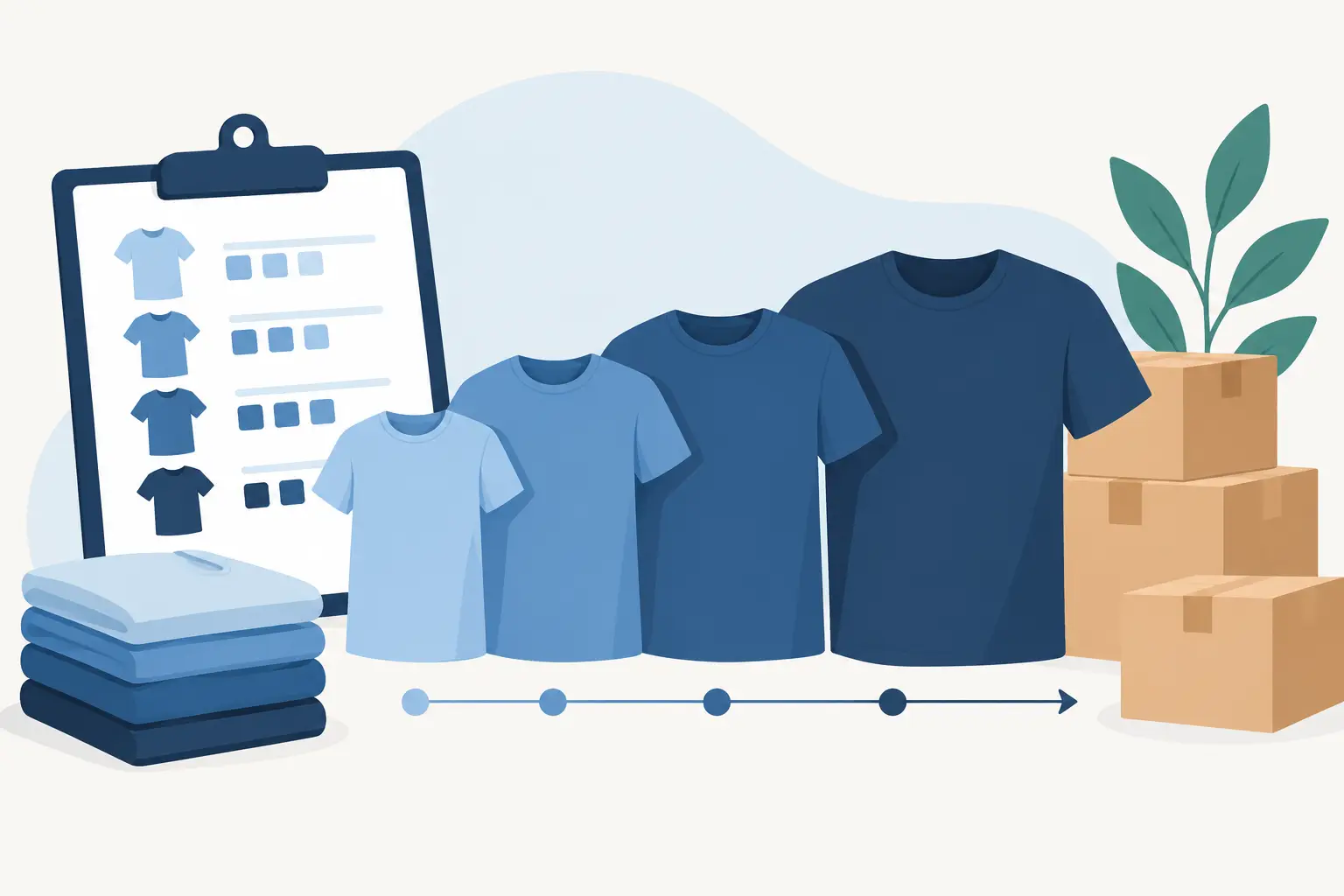
Ordering the right total quantity is only half the job. A weak size curve can leave your organization short on common sizes while surplus stock sits unused. Use previous order records whenever possible, especially for recurring uniforms or annual events. They are more reliable than assumptions.
If you do not have historical data, collect sizes through a simple internal form with a firm deadline. Provide the actual garment size chart, not a generic small-through-extra-large list. Fit can vary significantly between cuts, fabrics, and manufacturers.
For orders that need a buffer, add extra units in the sizes most likely to be needed later. This is especially helpful for staff onboarding, last-minute event registrations, and replacement uniforms. The correct buffer depends on your organization, but it should be intentional. Ordering an extra 5% without considering which sizes people wear often creates the wrong kind of surplus.
When multiple garments are involved, keep the size data organized by item. A person who wears a medium T-shirt may choose a large outerwear piece or a different polo cut. Treat each product as its own fit decision.
Match the Decoration Method to the Design
The decoration method affects appearance, durability, minimum quantities, cost, and turnaround. It should be selected based on the artwork and garment, not simply on what was used for the last order.
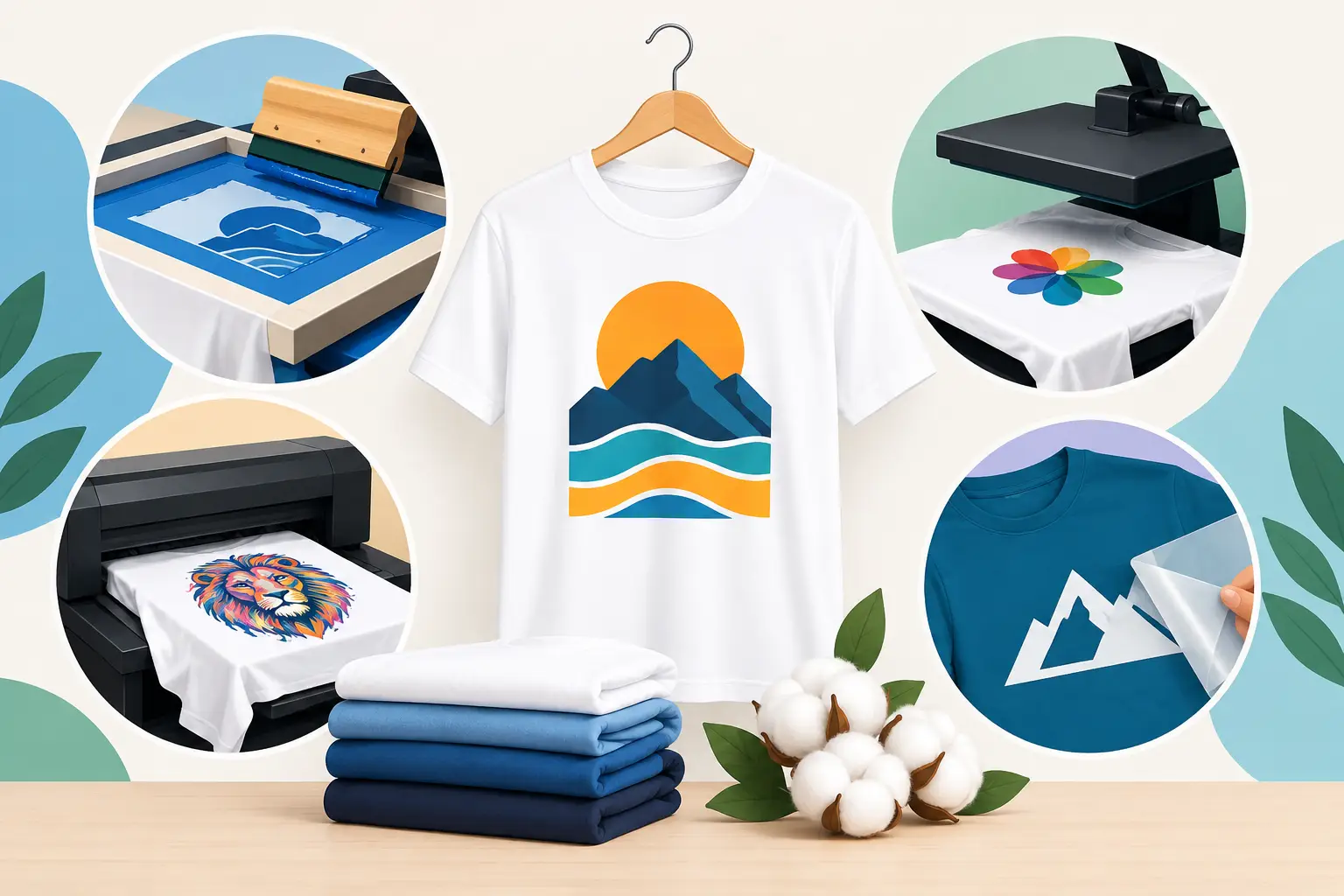
Screen printing is a strong option for larger runs with bold artwork and limited colors. It can deliver consistent, durable results at an efficient unit cost when the quantity supports the setup. Embroidery creates a textured, premium finish that suits polos, caps, jackets, bags, and corporate uniforms, although fine detail and very large designs may not translate as cleanly.
Sublimation is well suited to polyester apparel and all-over sportswear designs because the artwork becomes part of the fabric. Heat transfer can be practical for names, numbers, smaller runs, or designs that require precise placement. Direct-to-garment printing can work well for detailed, full-color art on suitable fabrics and quantities.
Do not treat a logo file as automatically production-ready. Ask for an artwork review before approval. Thin lines, small text, gradients, and color effects may need adjustment to reproduce clearly. A capable production partner will flag these issues before the order is committed, not after the garments are decorated.
Confirm placement and scale
A left-chest logo, full-back graphic, sleeve mark, and personalized name each need exact placement instructions. Measurements should be taken from recognizable points on the garment, such as the collar seam or center chest, rather than described only as “small” or “centered.”
Scale matters as much as placement. A design that looks balanced on a size medium can appear undersized on 3XL or overwhelming on a youth shirt. For mixed-size orders, discuss whether the print size will remain fixed or be adjusted for smaller garments. There is no universal answer, but it should be a documented decision.
Create a Timeline That Includes Approvals
The date you need the apparel in hand is not the date production should begin. Work backward from the event, distribution date, or employee start date and include time for design discussion, quotation, sample review, artwork approval, production, quality checks, packing, and delivery.
The biggest timeline risk is usually delayed approval. A supplier cannot responsibly start full production while quantities, artwork, garment colors, or placements are still changing. Assign one internal decision-maker who can consolidate feedback and issue final approval. This prevents conflicting instructions from marketing, procurement, HR, and event teams.
If your deadline is fixed, disclose it at the first conversation. That allows the supplier to recommend available garments, realistic decoration options, and an order sequence that supports the required date. A rush request may be possible, but it can limit product choices or increase cost. Planning earlier preserves flexibility.
Control Costs Without Weakening the Order
The lowest quote is not always the lowest total cost. A cheaper garment may have inconsistent sizing, poor color retention, or a shorter wear life that creates replacement costs later. On the other hand, premium fabric may not be necessary for a single-use event shirt. The right choice depends on expected wear, audience, and brand purpose.
Look at the full cost drivers: garment quality, quantity, number of print colors, embroidery stitch count, personalization, packaging, and delivery requirements. Consolidating items with one production partner can also simplify approvals and help maintain a consistent brand standard across T-shirts, polos, caps, tote bags, and premium gifts.
Green Cotton supports this process from garment selection through decoration and bulk production, helping organizations turn approved specifications into apparel that is ready for distribution.
Approve a Sample and Protect the Final Details
For high-visibility campaigns, new uniforms, or large first-time orders, a sample or pre-production confirmation is worth the time. Review the garment color, fabric feel, fit, logo position, thread or ink colors, spelling, and any personalized data. Make sure the sample reflects the actual chosen garment and decoration method whenever possible.
Before production begins, check the final approval document line by line. Confirm purchase order details, item quantities, size breakdowns, color codes, artwork versions, placement instructions, delivery address, and required date. Keep one final file as the source of truth. Verbal changes and untracked chat messages are where specification errors begin.
Bulk apparel succeeds when every person involved can answer the same questions in the same way: what is being made, for whom, in what quantities, and by when. Give the production process that clarity, and your apparel will arrive as a confident extension of your organization, not another last-minute task to manage.