
A giveaway can disappear into a tote bag within minutes, or become the item attendees use at work, on campus, and long after the event ends. The difference is rarely the logo alone. Knowing how to customize event giveaway items means making practical decisions about audience, function, decoration, quantity, and production timing before an order reaches the factory floor.
For event organizers, HR teams, marketing departments, and procurement managers, the goal is not simply to hand out more merchandise. It is to put a useful, well-made representation of your organization into the right hands. Your identity is our responsibility, and every detail should support it.
Start With the Event Outcome, Not the Product
Before choosing tote bags, caps, T-shirts, or premium gifts, define what the giveaway needs to achieve. A conference giveaway may need to start conversations at a booth. A company family day item may need to create team unity. A client appreciation gift should feel considered and durable, while a school event item may need to work within a fixed budget and suit a wide range of ages.
This decision affects everything that follows. If visibility is the priority, a wearable item such as a custom T-shirt or cap gives your logo repeated exposure. If attendees will carry materials throughout the day, a tote bag has immediate utility. For executive guests or key partners, a travel bag or premium gift can better reflect the value of the relationship.
Think about where the item will be used after the event. A practical item with a clean design often stays in circulation longer than a novelty product. That extended use is where branded merchandise continues delivering value.
How to Customize Event Giveaway Items for the Right Audience
The best giveaway matches the recipient’s routine. A broad audience at a public event may respond well to universally useful items, while a defined audience allows for more targeted choices. Do not assume every attendee values the same thing just because they attend the same event.
For example, a trade show visitor may appreciate a compact tote bag for brochures and samples. Employees participating in an outdoor team activity may value breathable performance shirts, caps, or insulated drinkware. Students may prefer practical bags or apparel that feels current enough to wear beyond the event. Corporate clients may respond better to refined gifts with subtle branding.
Budget matters, but cost per piece should not be the only measure. A low-cost item that is quickly discarded can be more expensive in brand terms than a slightly higher-value item people keep. Balance expected quantity, audience size, and intended lifespan. It depends on your event: a large awareness campaign may require reach, while a smaller relationship-building event may justify a more premium selection.
Build a Clear Brand Brief Before Design Begins
Customization works best when the production team receives complete specifications rather than a rough logo file and a last-minute instruction to “make it look good.” Prepare a brand brief that states the event name, item type, quantity, required delivery date, logo files, approved colors, key messages, and the intended placement of each design element.
Your logo should not always be the largest feature. A large mark may work on a simple event T-shirt, but it can overpower a cap, pouch, or premium gift. Consider whether the event title, campaign theme, department name, sponsor logos, or a short callout should share the space. Keep the hierarchy clear so recipients can recognize the brand at a glance.
Color selection deserves the same discipline. Use approved brand colors where possible, but adapt them to the item material and decoration method. A dark logo may disappear on navy fabric. Fine white details may not reproduce cleanly on certain textured surfaces. If the event has its own theme, use complementary colors without losing brand recognition.
Request a digital artwork proof before production. Review spelling, dimensions, color references, logo placement, and sponsor details carefully. This is the stage to make corrections. Once bulk production begins, changing specifications can affect cost, timing, and consistency.
Choose Decoration Methods That Suit the Item
The right customization method depends on the artwork, fabric or material, order quantity, and expected use. Decoration is not interchangeable. A design that looks excellent in one method may be less effective in another.
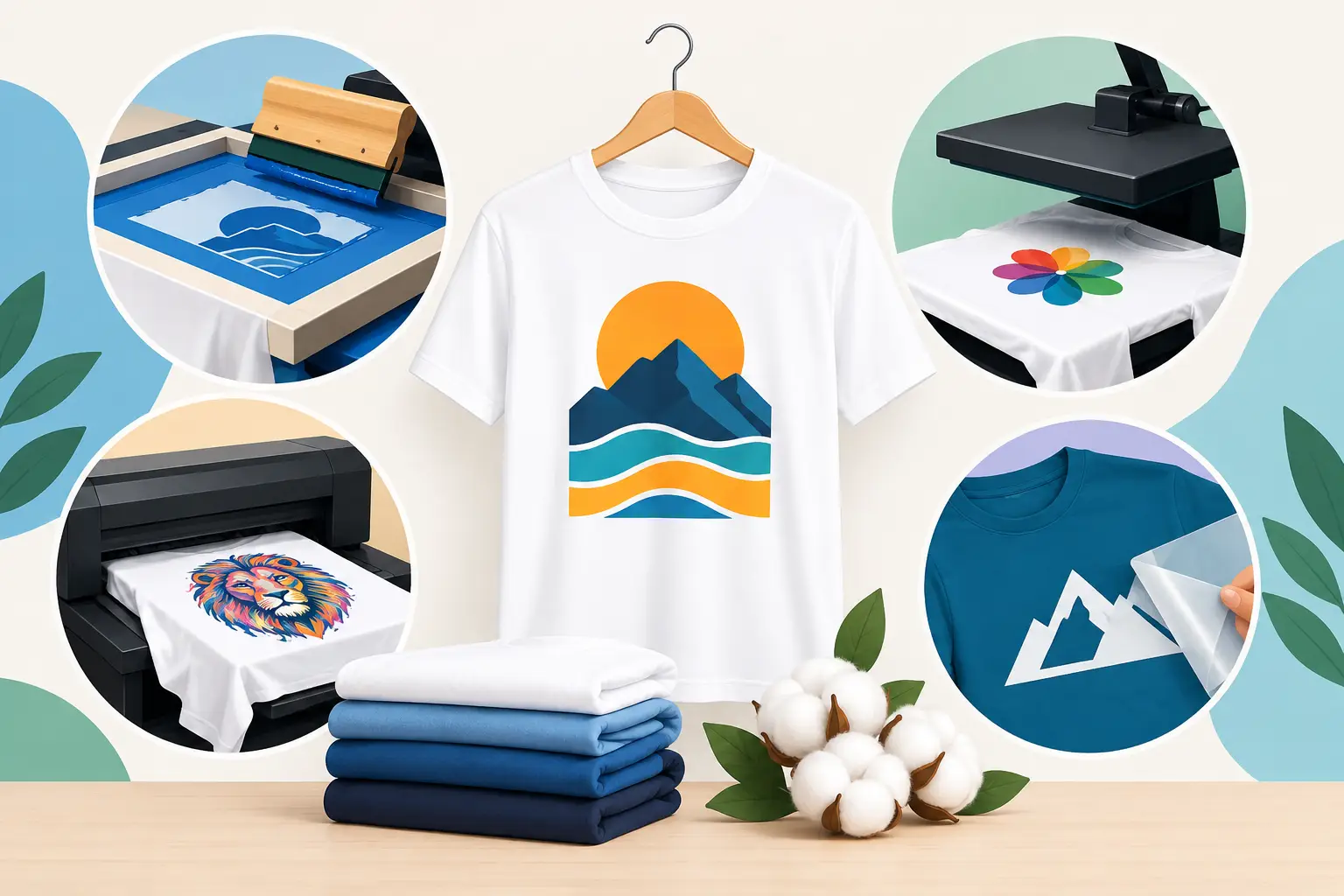
Screen printing is a strong choice for bold artwork and bulk orders, especially on event shirts, tote bags, and fabric items. It delivers clear, durable color and can be highly cost-effective when quantities are higher. However, designs with many colors can increase setup requirements.
Embroidery gives caps, polo shirts, workwear, and premium apparel a textured, professional finish. It is ideal for simpler logos and lettering, but very small text, gradients, and highly detailed artwork may need to be simplified. Embroidery also adds weight to the fabric, which is worth considering for lightweight garments.
Sublimation is well suited to all-over designs and sports jerseys, particularly when you need vivid colors integrated directly into suitable fabric. Heat transfer can accommodate certain detailed or personalized graphics, while direct-to-garment printing works well for full-color artwork on compatible apparel in appropriate quantities.
Ask your supplier to recommend the method based on the actual item and artwork, not just the lowest initial price. A capable production partner will explain the trade-offs and make sure the decoration supports the finished product.
Make Wearable Giveaways Easy to Wear
Custom apparel has high visibility, but it must fit well enough for recipients to choose it again. For event T-shirts, select a fabric weight and fit that suit the setting. Cotton can feel familiar and comfortable for casual events, while moisture-wicking performance fabric may be the better choice for sports days, outdoor campaigns, or active team programs.
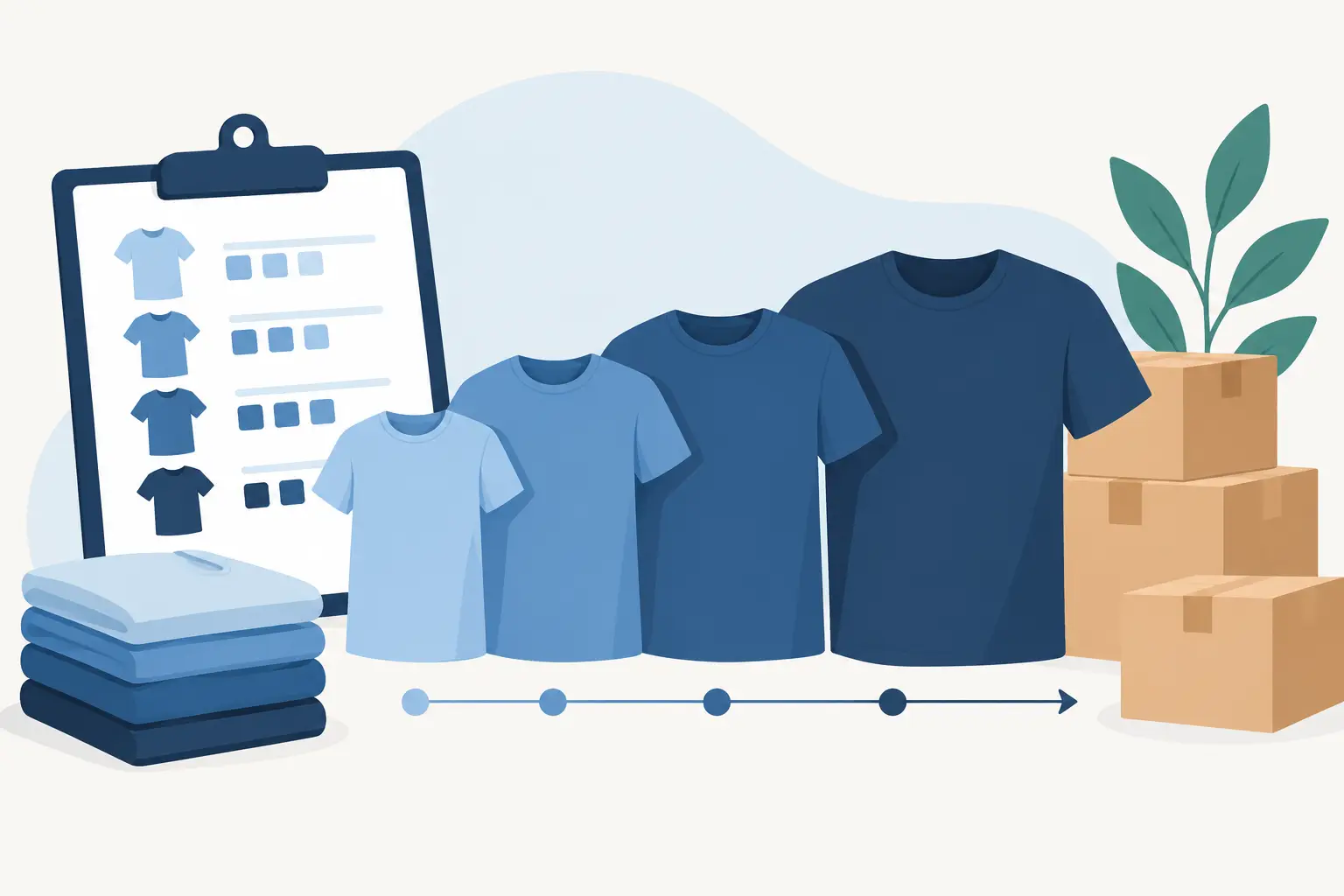
Plan sizes using audience data whenever possible. For staff events or registered participants, collect size information in advance. For open-distribution events, create a sensible size run based on expected attendees rather than ordering equal quantities of every size. This reduces leftover stock that cannot be used.
Do not overlook finishing details. Neck labels, sleeve prints, custom tags, contrast panels, and personalized names can elevate an item when the event and budget justify it. For a major campaign or internal launch, these details make the apparel feel made for the occasion rather than pulled from generic stock.
Control Quantity, Packaging, and Distribution
A well-customized item still creates problems if quantity planning is poor. Start with confirmed registrations, expected walk-ins, staff needs, speakers, sponsors, and a reasonable contingency. Ordering too close to the exact attendee number leaves no room for damaged items, late additions, or operational changes. Ordering far beyond need ties up budget and storage space.
Distribution should influence item choice. If attendees will collect products at registration, folded apparel and packed gift sets can work well. If staff will hand out items at a busy booth, choose products that are easy to carry, identify, and replenish. For mail-out events, consider the packed size and shipping practicality before selecting bulky products.
Packaging can strengthen the experience without becoming excessive. A coordinated paper band, simple event card, or custom bag can make a gift set feel intentional. For premium recipients, individual packaging protects the product and reinforces presentation. Keep sustainability and disposal in mind, particularly when the giveaway itself is designed for long-term use.
Allow Time for Sampling, Approval, and Production
Fast turnaround is valuable, but reliable event merchandise depends on realistic planning. Artwork preparation, product selection, sampling, approvals, material availability, decoration, quality checks, packing, and delivery all require time. The more customized the item, the earlier the project should begin.
For a straightforward bulk order using available stock and approved artwork, timelines can be shorter. Custom-dyed fabric, specialized accessories, personalized names, multiple decoration locations, or fully custom bags require additional production coordination. State your event date early, but also identify the date when goods must be in hand for packing and venue delivery.
Before final approval, confirm the specification sheet: item model, fabric or material, colors, size breakdown, artwork locations, decoration method, quantities, packaging, and delivery details. This protects both your organization and the production process from avoidable errors.
Treat Quality Control as Part of Brand Protection
Event giveaways represent your organization in public. Loose threads, uneven printing, incorrect logo colors, or inconsistent sizing can undermine a campaign even when the concept was strong. Quality control should include checking the approved sample or proof against the final specifications, reviewing decoration placement, and inspecting packing counts before dispatch.
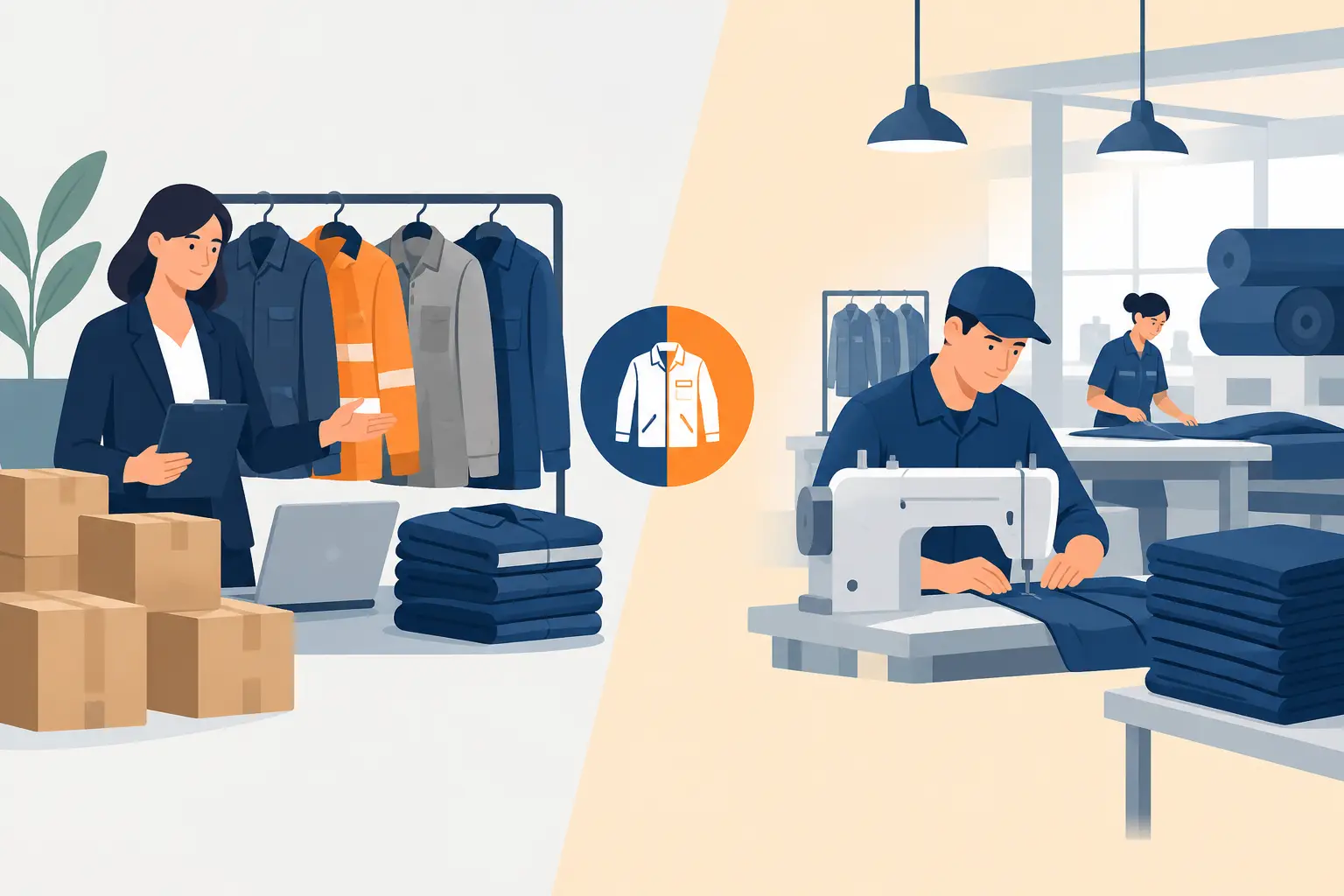
Green Cotton supports this process from concept through bulk manufacturing, helping organizations align product choice, decoration, and delivery requirements under one accountable production workflow. That matters when your event involves multiple giveaway categories, such as shirts for crew members, caps for participants, tote bags for guests, and premium gifts for partners.
A giveaway earns its place when it is useful, recognizable, and made to the standard your brand promises. Plan it as a physical extension of the event experience, and recipients will have a reason to keep carrying your message after the venue lights are off.