
A uniform order can look straightforward until the first samples arrive. A logo may be slightly off-center, a fabric may feel too heavy for an active role, or different staff sizes may not have been planned correctly. The right corporate uniform supplier prevents these issues before production starts, turning your brand requirements into garments that look consistent, feel appropriate, and arrive when your team needs them.
For HR, procurement, operations, and marketing teams, uniforms are not simply apparel. They influence first impressions, employee comfort, workplace safety, and how confidently people represent the organization. Selecting a supplier should therefore involve more than comparing a unit price. It requires a close look at production capability, customization control, communication, and delivery discipline.
What a Corporate Uniform Supplier Should Deliver
A capable supplier does more than place a logo on a standard shirt. They should help you define a complete uniform specification: garment category, fabric composition, color, fit, branding placement, decoration method, sizing, quantities, and delivery schedule. That level of detail matters because each decision affects cost, comfort, durability, and visual consistency.
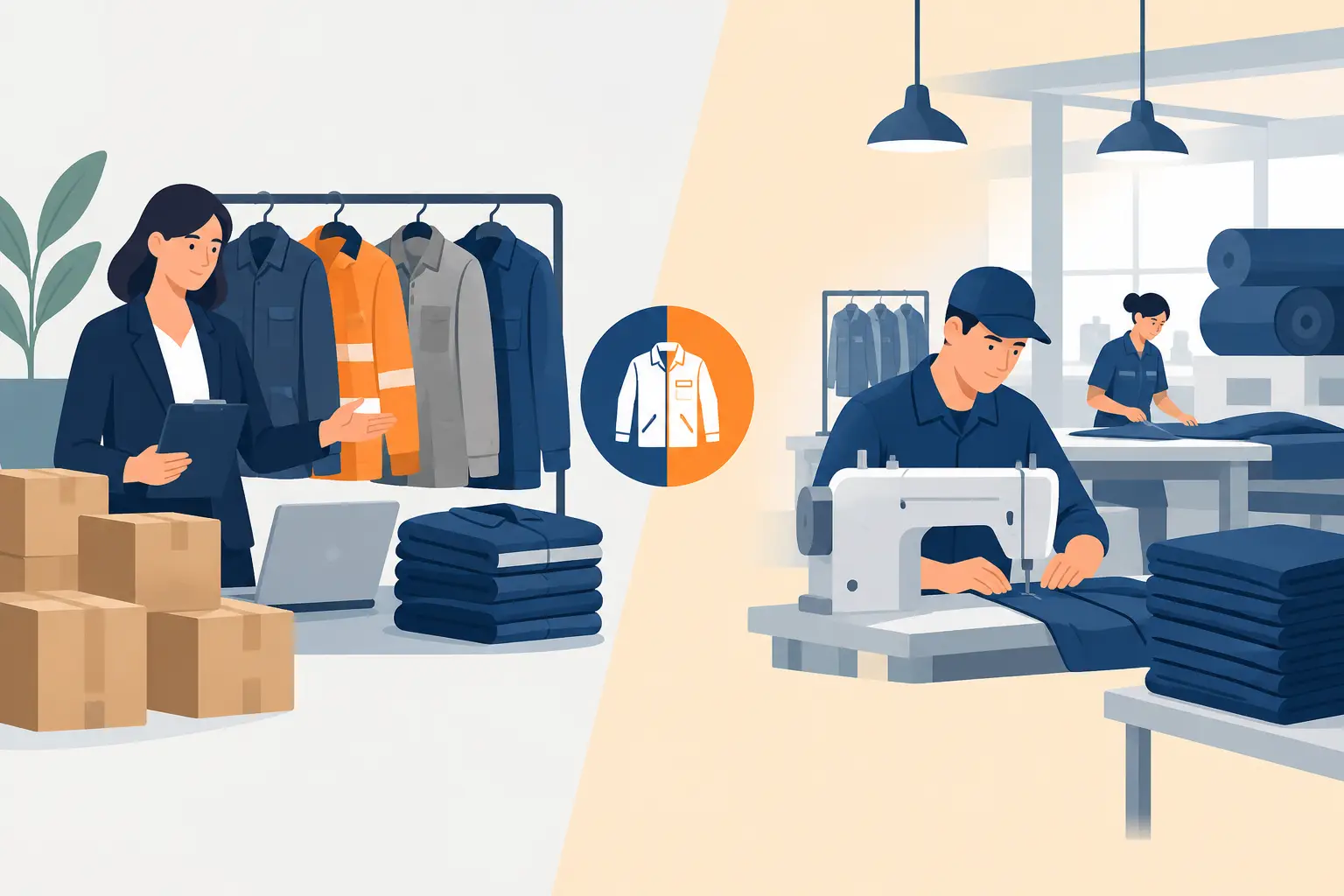
A front-desk team, for example, may need polished polos or button-down shirts with refined embroidery. A warehouse crew may need durable workwear designed for movement and repeated washing. A field sales team may need lightweight, breathable apparel that remains presentable through long days. One organization can require all three, which is why product range and production coordination are valuable.
The best supplier approaches uniforms as an operational program, not a one-time purchase. They retain approved specifications, support repeat orders, and help you maintain a consistent look as your team grows.
Start With the Work, Not the Garment
Before requesting quotes, identify what employees actually do while wearing the uniform. A garment that works well in an air-conditioned office may be impractical on a hot event site or in a production facility. Comfort is not a secondary consideration. If employees avoid wearing the uniform because it is restrictive, too warm, or poorly fitted, the investment loses value.
Consider the working environment, physical activity level, washing frequency, and expected lifespan. Cotton-rich shirts can offer a familiar, comfortable feel, while performance fabrics may be better for active crews, outdoor teams, or roles where moisture management matters. Blended fabrics often balance comfort, shape retention, and durability. There is no single best fabric – the right choice depends on the job.
Also think beyond the main shirt. A complete program may include jackets, caps, tote bags, name patches, aprons, or travel bags for staff and events. Sourcing related items through one experienced production partner can simplify brand control and reduce the risk of mismatched colors or logo treatments.
Evaluate Customization Beyond the Logo
Your uniform should make your organization recognizable at a glance, but branding needs to withstand daily use. Ask potential suppliers how they manage logo files, color matching, placement measurements, and approval stages. A supplier that can provide artwork guidance and pre-production confirmation gives your team more control before bulk manufacturing begins.
Choose the right decoration method
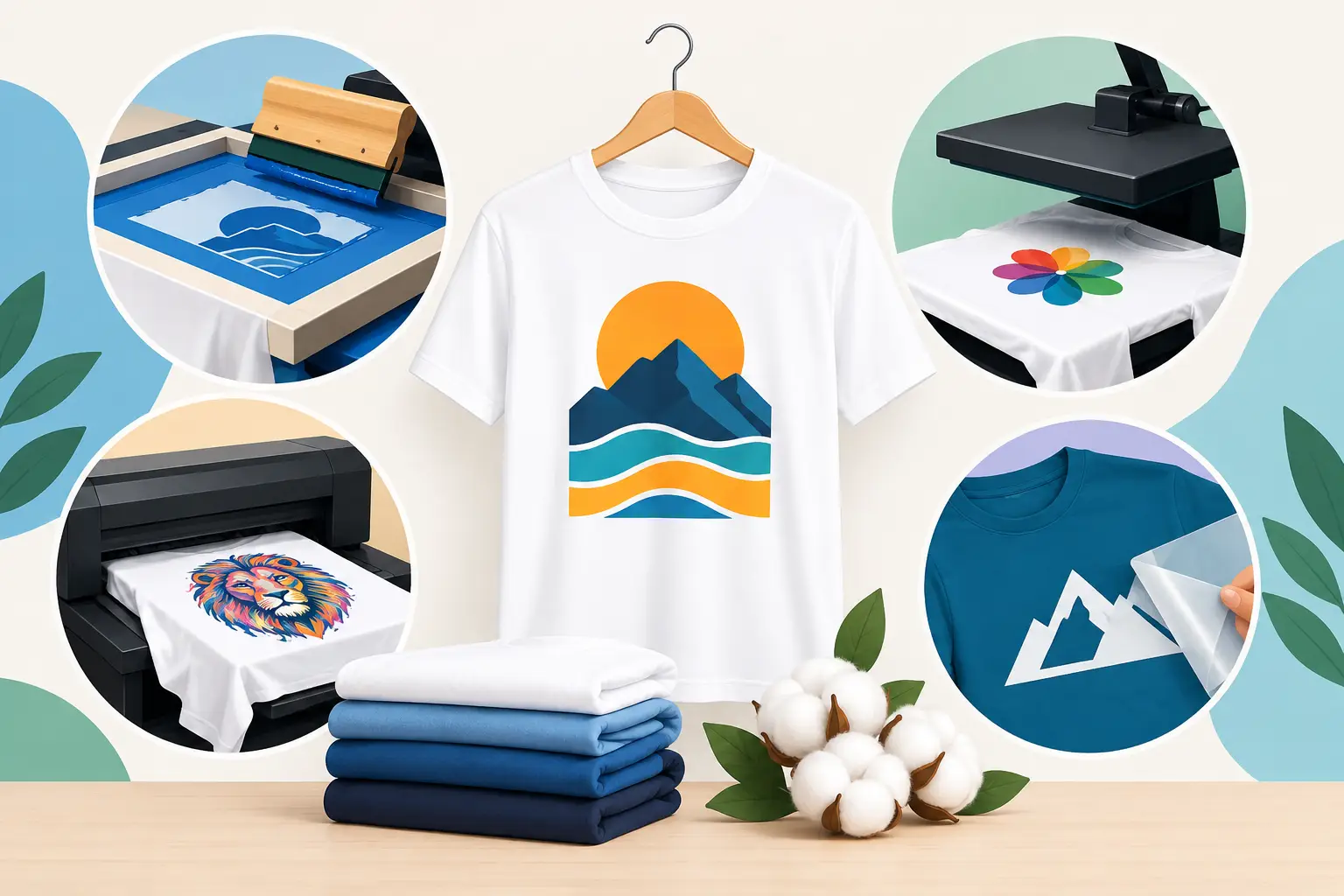
Embroidery creates a textured, premium finish that works especially well for polos, woven shirts, jackets, and caps. It is durable, but very small text or highly detailed artwork may need adjustment to stitch cleanly.
Screen printing is a practical option for bold designs and larger quantities, particularly on T-shirts and event apparel. Sublimation can produce full-color, all-over graphics on compatible polyester garments, making it useful for jerseys and highly customized teamwear. Heat transfer and direct-to-garment printing can suit selected designs, quantities, and garment types. A knowledgeable supplier should recommend the method based on the artwork, fabric, wear conditions, and order volume rather than pushing one method for every project.
Look for real color control
Brand colors can shift noticeably across fabrics and decoration techniques. Navy thread, printed navy ink, and dyed navy fabric may not appear identical without careful matching. If your corporate identity relies on specific colors, ask about swatches, fabric options, and color approval processes. For larger or more distinctive programs, custom-dyed fabric and personalized trims can create a more cohesive result than selecting the nearest stock color.
Details such as contrast piping, custom labels, buttons, zipper pulls, or embroidered names can also make a uniform feel intentional. These additions should serve a purpose. They can improve brand presentation, but they may increase lead time, minimum quantities, or unit cost.
Check Production Capability and Quality Control
A polished sample is useful, but it does not prove a supplier can produce hundreds or thousands of matching garments. Ask how quality is checked throughout production. The supplier should be able to explain how they inspect fabric, verify measurements, review decoration quality, and pack finished goods against the approved order specification.
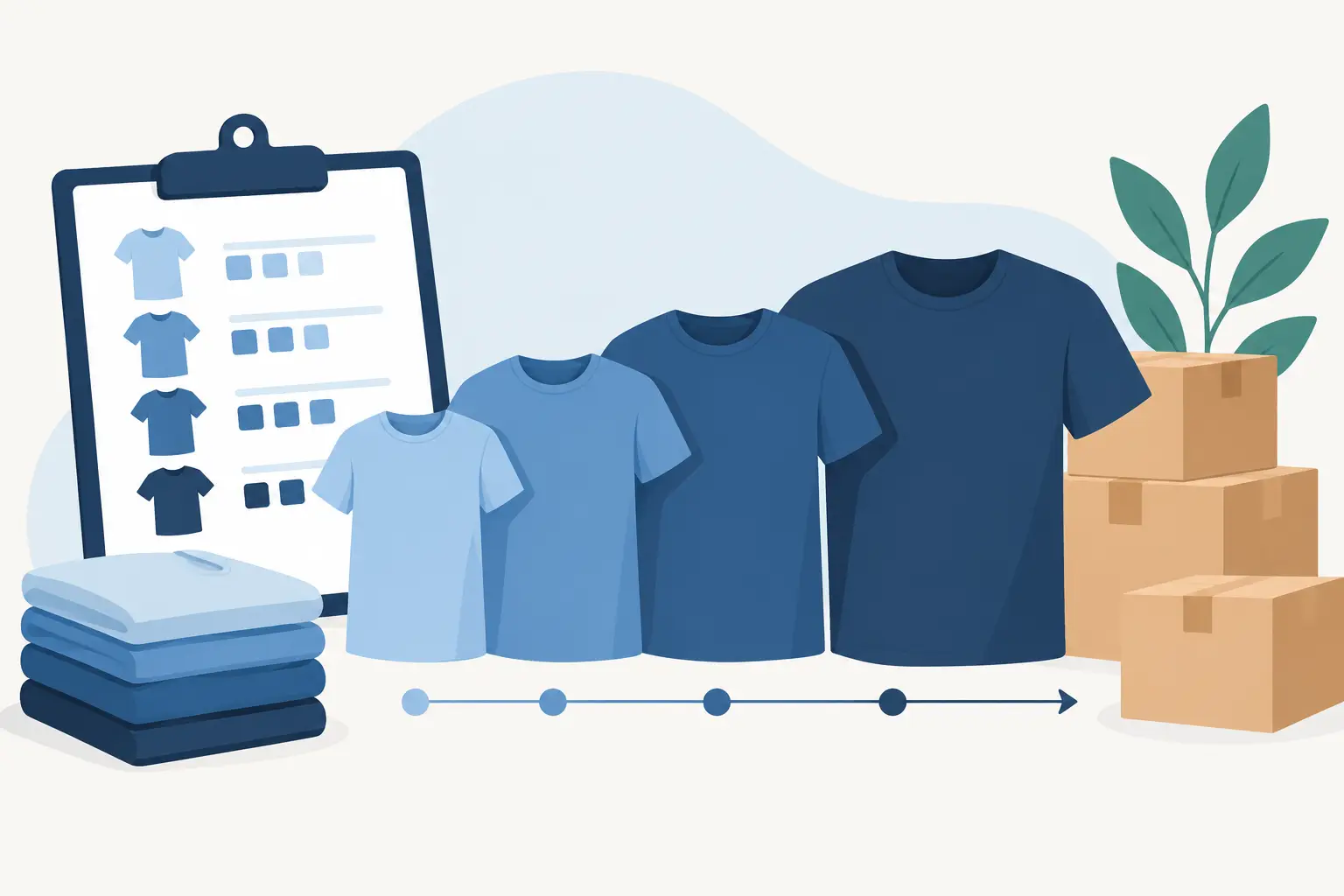
Sizing deserves special attention. Uniform programs often involve a broad range of body types, and a limited size run can create unnecessary friction for employees. Request a size chart early, confirm whether fit samples are available, and allow enough time for staff sizing collection. If your order includes both men’s and women’s cuts, confirm that the styles provide comparable brand presentation without forcing everyone into the same fit.
It is also wise to clarify tolerances. Minor variations can occur in garment manufacturing, especially with bulk orders, but you should understand what is acceptable for sizing, color, logo placement, and quantities. Clear specifications protect both the buyer and the supplier from assumptions that become costly later.
Compare Quotes on Scope, Not Just Price
The lowest quote can become the most expensive choice if it excludes artwork preparation, individual packaging, size sorting, delivery coordination, or required revisions. Compare proposals line by line and make sure every supplier is pricing the same garment quality, decoration method, quantity, and service level.
A useful quote should state the garment specification, branding locations, estimated lead time, minimum order requirements, sample process, and any setup charges. It should also identify what happens if artwork changes after approval or if quantities change close to production. Transparent details indicate a supplier that understands the realities of bulk manufacturing.
Price still matters, especially for recurring orders or large teams. However, value comes from receiving the correct product at the agreed standard and date. A slightly higher-cost uniform that lasts longer, fits better, and requires fewer replacements may offer better total value than a cheaper alternative.
Treat Timelines as a Production Plan
Uniform projects often have fixed deadlines: a store opening, staff onboarding date, trade show, school term, conference, or sports event. Work backward from the required delivery date and allow time for design, quotation, sample approval, sizing, production, quality checks, and shipping.
Rush orders are sometimes possible, but they reduce flexibility. Custom fabric colors, specialty accessories, complex embroidery, and large multi-item orders generally require more planning than standard printed T-shirts. Be direct about your deadline from the first conversation, and ask the supplier to confirm whether it is achievable before finalizing the design.
Communication is just as important as the schedule itself. You need a clear contact who can answer questions, flag risks early, and confirm approvals in writing. This is particularly important when several stakeholders are involved, such as HR choosing sizes, marketing approving brand artwork, and procurement managing budgets.
Build a Program That Can Grow With You
A one-off uniform order may solve an immediate need, but a structured program saves time later. Keep approved artwork, garment references, thread or print colors, placement details, and size records organized. When new employees join or another location opens, the reorder process becomes faster and more accurate.
Green Cotton supports this process with end-to-end customization across corporate uniforms, workwear, team apparel, promotional products, and premium gifts. From fabric and style selection to embroidery, printing, quality control, and bulk fulfillment, the goal is to give organizations a single accountable production partner.
Your identity is carried by the people who wear it. Give them uniforms designed for their work, built to your standards, and produced by a supplier that treats every approved detail as a responsibility.