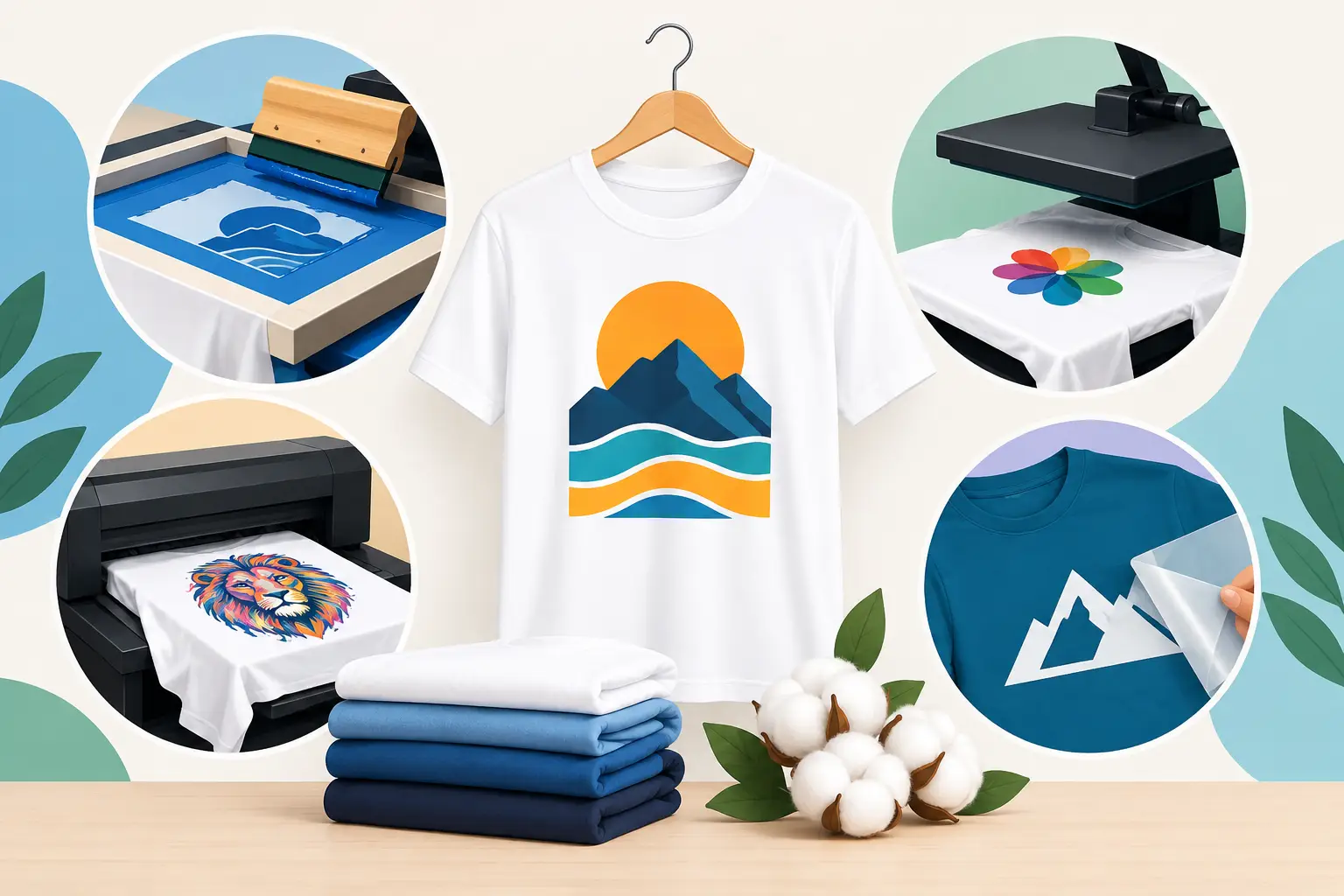

A logo on a generic desk item is no longer enough to make a client, employee, or event guest feel valued. Corporate gifting trends 2026 point toward gifts that solve a real need, reflect the recipient’s preferences, and carry a brand identity with restraint and quality. For HR, marketing, procurement, and event teams, that raises the standard: the gift must look good, arrive on time, and be worth keeping.
The strongest programs will not be built around what is cheapest per unit. They will be built around relevance, presentation, and reliable execution. A well-made custom polo, travel bag, insulated drinkware piece, or curated work-from-home kit can extend a relationship far beyond the moment it is handed over.
Corporate Gifting Trends 2026: Usefulness Comes First
The most visible shift is away from novelty for novelty’s sake. Recipients are more likely to keep gifts they can wear, carry, or use repeatedly. That makes custom apparel and practical accessories especially valuable, provided the item has a quality feel and fits the occasion.
For employee recognition, consider premium cotton T-shirts, lightweight jackets, embroidered polos, caps, or tote bags that people would choose outside the office. For client appreciation, travel bags, quality notebooks, drinkware, and carefully selected apparel can feel more considered than a one-size-fits-all gift box. Event organizers can combine useful branded items into welcome packs that work during and after the event.
Utility does not mean every gift needs to be purely functional. It means the function should be clear. A bag should carry what the recipient needs. A shirt should fit well enough to wear again. A gift should earn space in a desk drawer, gym bag, or wardrobe rather than become clutter.
Better Quality Over More Items
A common procurement question is whether to stretch the budget across more products or invest in fewer, better pieces. The answer depends on the audience and objective, but 2026 favors a more selective approach for relationship-driven campaigns.
A premium embroidered polo for a top customer may carry more impact than several low-cost promotional items. A durable custom tote paired with a useful event essential may outperform an oversized gift pack full of forgettable products. Quality also protects the brand. Weak stitching, inaccurate colors, poor print durability, or packaging that arrives damaged can undo the goodwill a gift was meant to create.
Personalization Is Moving Beyond the Logo
Branding still matters, but logo placement alone is not personalization. The best gifting programs balance a recognizable company identity with recipient-centered details. That could mean names embroidered on apparel, department-specific colorways, role-based gift sets, custom message cards, or merchandise designed around an event theme.
For larger organizations, personalization must also remain operationally manageable. Individual names may be appropriate for leadership gifts, service awards, or sports teams, while grouped personalization works better for a company-wide campaign. A sales kickoff, for example, might use a shared event graphic across all apparel while assigning different accent colors to regions or teams.
The practical challenge is collecting accurate names, sizes, and delivery details early. Personalization creates value, but it also creates more production variables. A supplier that can manage artwork approval, size breakdowns, decoration methods, and quality checks becomes part of the gifting strategy, not just the order process.
Apparel Is Becoming a Higher-Value Gift Category
Corporate apparel is gaining ground because it can feel personal without becoming overly individual. It gives recipients something useful while turning everyday wear into long-term brand visibility. The key is to avoid treating it like a uniform when the goal is appreciation.
Choose garment styles that suit the audience. A polished polo can work well for client-facing teams and corporate golf events. Soft custom T-shirts are a natural fit for internal culture campaigns, volunteer days, and company celebrations. Performance jerseys and caps make sense for team-building activities and sports events. Fabric, cut, color, and decoration should all support the intended use.
Small design choices make a major difference. A subtle chest embroidery, sleeve detail, tonal print, or inside label message can feel more premium than a large logo across the front. When the gift looks like branded merchandise people would buy for themselves, it has done its job.
Responsible Sourcing Needs Proof, Not Just a Claim
Responsible gifting remains a priority in 2026, especially for organizations with ESG commitments or employees who expect less waste. But buyers are becoming more careful about vague sustainability language. A reusable item is not automatically a responsible choice if it is poorly made, unused, or shipped in excessive packaging.
The practical approach is to choose durable products with a clear purpose, order quantities based on realistic attendance or recipient lists, and avoid overpackaging. Apparel and bags that hold up to frequent use can be a stronger choice than disposable event giveaways. Reusable drinkware, quality totes, and long-lasting work accessories can also support waste-reduction goals when they fit the audience.
Responsible sourcing also includes production planning. Accurate specifications, approved samples, and realistic lead times reduce the risk of reprints, rush shipping, and unused stock. Better planning is not only better for the budget. It is better for the overall footprint of the campaign.
Curated Gift Kits Will Be More Strategic
Gift kits continue to work because they create a complete experience. In 2026, the strongest kits will be tighter and more purposeful rather than packed with unrelated items. A new-hire kit may include a branded polo, notebook, drinkware, and tote. A client travel kit might pair a travel bag with a cap and a useful on-the-go accessory. A conference kit can combine event apparel with a bag that attendees use throughout the venue.
Each item should have a role. When every product reinforces the same audience need or campaign message, the kit feels intentional. It also gives marketing and procurement teams a clearer basis for deciding where to spend: on a better garment, a stronger bag, improved packaging, or personalization.
This approach requires coordination across categories. Working with one production partner for apparel, bags, and promotional merchandise can help maintain consistent colors, artwork, and packaging standards while simplifying approvals and delivery schedules.
Fast Fulfillment Still Matters, but Planning Wins
Short timelines are common in corporate gifting. A merger announcement, a last-minute event, a recognition milestone, or an urgent client visit can quickly create demand for branded items. Fast turnaround matters, but a rushed order should not mean accepting unclear specifications or inconsistent output.
The better approach is to create a gifting plan before the urgent request arrives. Keep core artwork files ready, identify approved product categories, document brand colors, and establish size and quantity assumptions for repeat programs. For events, confirm attendance estimates early and build in time for samples, artwork revisions, and quality control.
There are occasions when speed should take priority, such as a time-sensitive activation. In those cases, simplify the design and select products with dependable availability. For high-value client or employee gifts, allow more time for custom fabrics, embroidery, custom accessories, or individual personalization. The level of customization should match the lead time and the importance of the relationship.
Measure the Gift Beyond Distribution Day
The final trend is accountability. Organizations increasingly want to know whether gifting influenced engagement, event participation, customer relationships, or employer brand perception. Not every gift needs a complex measurement plan, but every campaign should have a defined purpose.
For employee gifts, look at participation rates, internal feedback, social sharing, and retention-related sentiment. For events, assess registration, on-site engagement, post-event survey responses, and how many attendees continue using the merchandise. For client gifting, account teams can track follow-up meetings, responses, and relationship movement after delivery.
A gift is not successful simply because every box was shipped. It is successful when the recipient feels recognized and the brand is represented with care.
For 2026, choose gifts with a clear use, a confident design, and production standards that match your organization’s reputation. Green Cotton can help turn that direction into custom apparel, bags, and branded merchandise built to your exact specifications, because your identity is our responsibility.