A branded merchandise case study is most useful when it shows more than a logo printed on a product. For procurement teams, HR leaders, marketers, and event organizers, the real question is whether every item arrived on time, matched the approved specification, and gave recipients something they would actually use.
This composite example reflects the kind of planning required for a multi-item corporate campaign. It does not rely on inflated claims or a one-size-fits-all product choice. Instead, it follows the decisions that turn a broad campaign idea into coordinated, production-ready merchandise.
The Brief: One Campaign, Several Audiences
A growing company was preparing for an annual sales conference that brought together employees, channel partners, and prospective clients. The event team needed apparel for staff, practical welcome items for attendees, and premium gifts for selected partners. All products had to carry a consistent visual identity while serving different purposes.
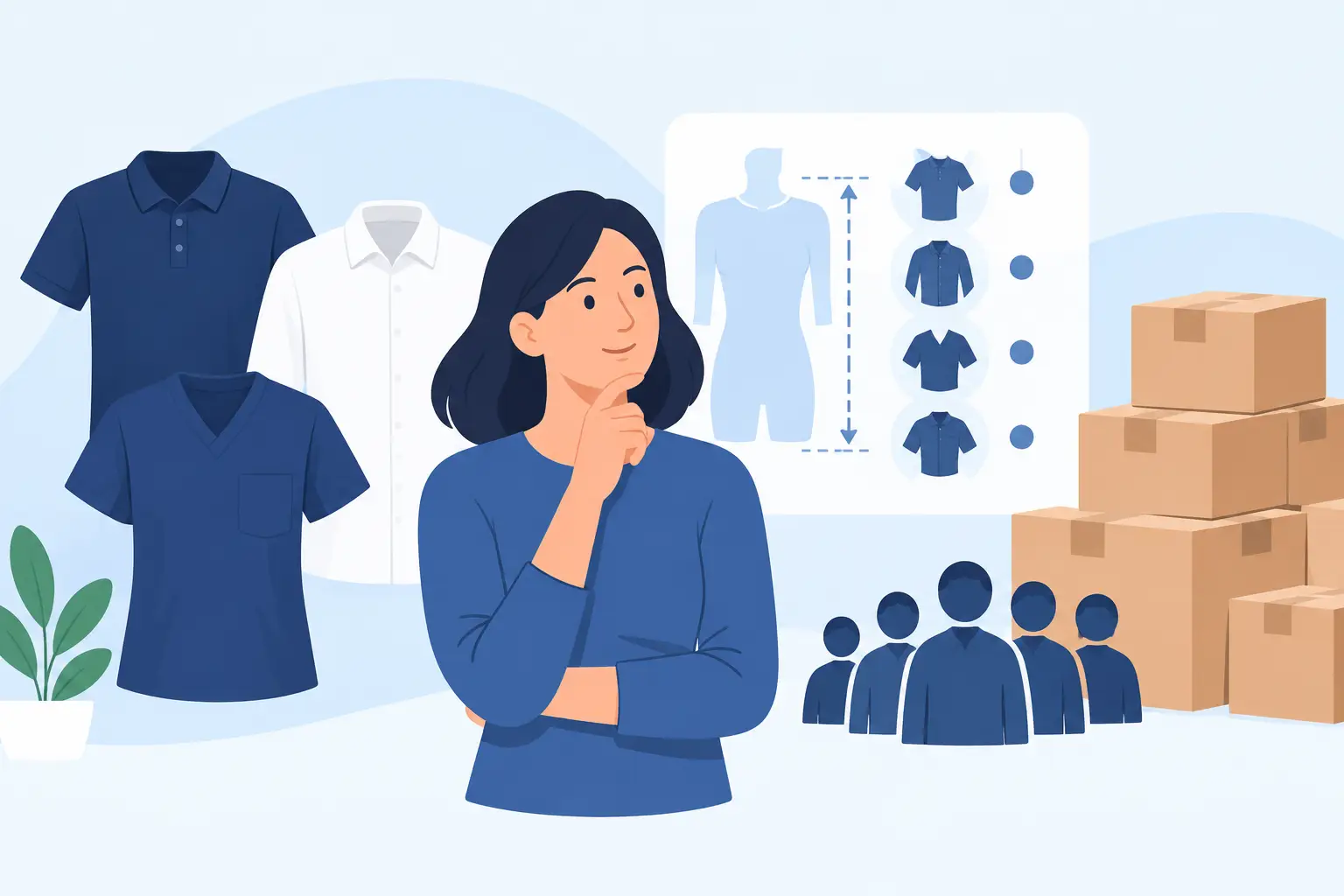
The initial brief called for branded T-shirts, staff polo shirts, tote bags, caps, and executive gift sets. That sounds straightforward until the practical requirements appear. Staff apparel needed to look professional over three long event days. Tote bags had to carry conference materials without feeling disposable. Caps needed a clean finish that worked with the event logo. Premium gifts had to feel considered, not generic.
The key constraint was timing. The full order needed to be delivered before the event setup date, leaving room for internal sorting and distribution. The project therefore required clear approvals, accurate quantities by size and product type, and production methods selected early enough to protect the schedule.
Building a Merchandise Plan Around Use, Not Just Visibility
The strongest branded merchandise programs start with the recipient’s experience. A product that fits the campaign artwork but has no practical role is unlikely to stay in use. In contrast, useful merchandise can continue representing the brand after the event ends.
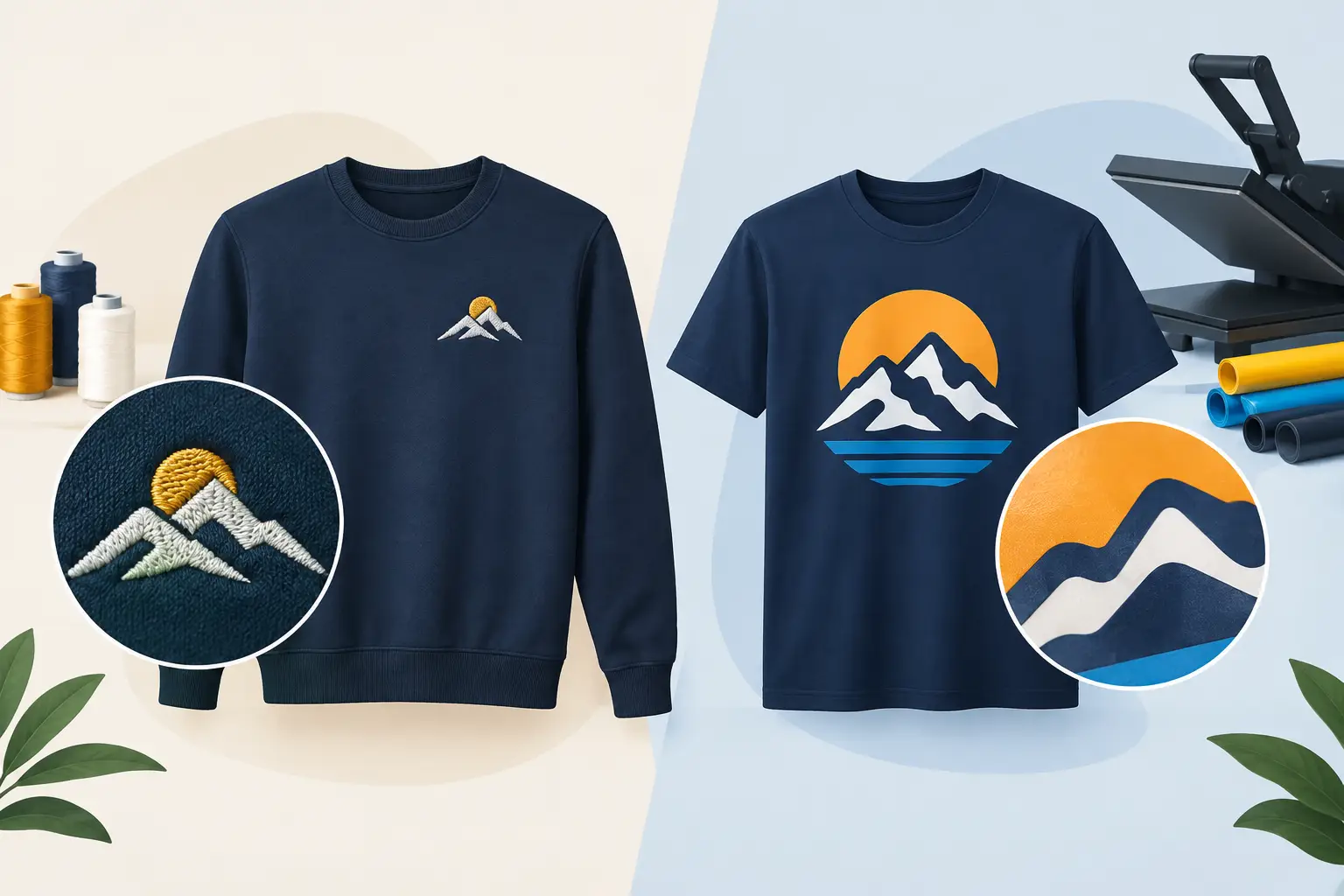
For this campaign, the apparel plan was split by function. Event staff received polo shirts in a consistent brand color to make them immediately recognizable on the conference floor. The fabric selection prioritized comfort and presentability, since the team would be moving between registration, meeting rooms, and client-facing sessions. Embroidered logos were chosen for the polos because the finish supported a polished, durable uniform look.
Attendees received cotton T-shirts as part of their welcome packs. Here, screen printing was the better fit for the larger front graphic and the higher quantity. The design was simplified for clean reproduction, using a limited color palette that retained the campaign’s character without adding unnecessary production complexity.
The tote bag was not treated as a free giveaway. It was sized around the actual materials attendees would carry: a notebook, water bottle, agenda, and personal items. A structured canvas-style option gave the bag more perceived value than a thin promotional alternative, while a one-color print kept the branding clear and cost-effective.
This is where product selection becomes a business decision. Higher-spec materials can improve perceived quality and repeat use, but they also affect budget and lead time. For a short, local activation, a simpler item may be appropriate. For a partner conference or executive audience, the material and finishing details matter more.
Branded Merchandise Case Study: Matching Decoration to the Product
Decoration methods should support the item, the artwork, and the intended life of the merchandise. Selecting a method based only on price can create avoidable quality issues, especially when the same campaign appears across apparel, bags, and accessories.
For the staff polos and caps, embroidery created a dimensional finish suited to corporate uniforms. It works especially well for logos with clear shapes and limited fine detail. Very small text, gradients, or intricate artwork may need adjustment before embroidery, so approving a digitized proof is essential.
For the attendee T-shirts, screen printing offered strong color coverage and dependable consistency across a bulk run. It is an efficient choice when the artwork stays consistent and the order quantity is substantial. If the campaign required personalized names, numbered apparel, or multiple individual designs, heat transfer or direct-to-garment printing could be a better production route, depending on fabric and order volume.
The tote bags used screen printing for a bold, visible logo. The premium gifts used subtler branding, with the mark placed where it complemented the product rather than competing with it. Not every item needs the largest possible logo. A well-placed mark on a useful product often feels more premium and is more likely to remain in circulation.
The Production Detail That Protected the Deadline
Campaign merchandise often gets delayed before manufacturing even begins. Late artwork, unclear color references, missing size splits, and unapproved samples can turn a manageable order into a rush job. This project was managed through a structured approval process before bulk production.
First, the event team confirmed product specifications: garment styles, fabric composition, colors, size ranges, bag dimensions, and gift selections. Next, the artwork was reviewed for each decoration method. The team checked logo placement, print dimensions, thread colors, and whether small elements would reproduce clearly at the requested size.
A physical sample or carefully reviewed pre-production proof is particularly valuable for larger orders. It confirms more than appearance. It allows the buyer to assess fabric hand feel, fit, stitching, color contrast, print placement, and the general impression recipients will receive.
Quantity planning also included a sensible size allocation for staff apparel and a controlled buffer for last-minute team additions. Ordering too little creates distribution problems. Ordering excessive quantities creates waste and ties up budget. The right buffer depends on the organization, attendee certainty, and whether the items can be reused for future campaigns.
Once the approvals were complete, production could move forward with fewer interruptions. Quality control focused on the agreed specifications: correct garment colors, decoration alignment, thread and print consistency, stitching condition, size labeling, and packing quantities. For a multi-item campaign, organized packing matters. Separating staff uniforms from attendee kits and premium gifts reduced sorting time at the event venue.
What Made the Campaign More Effective
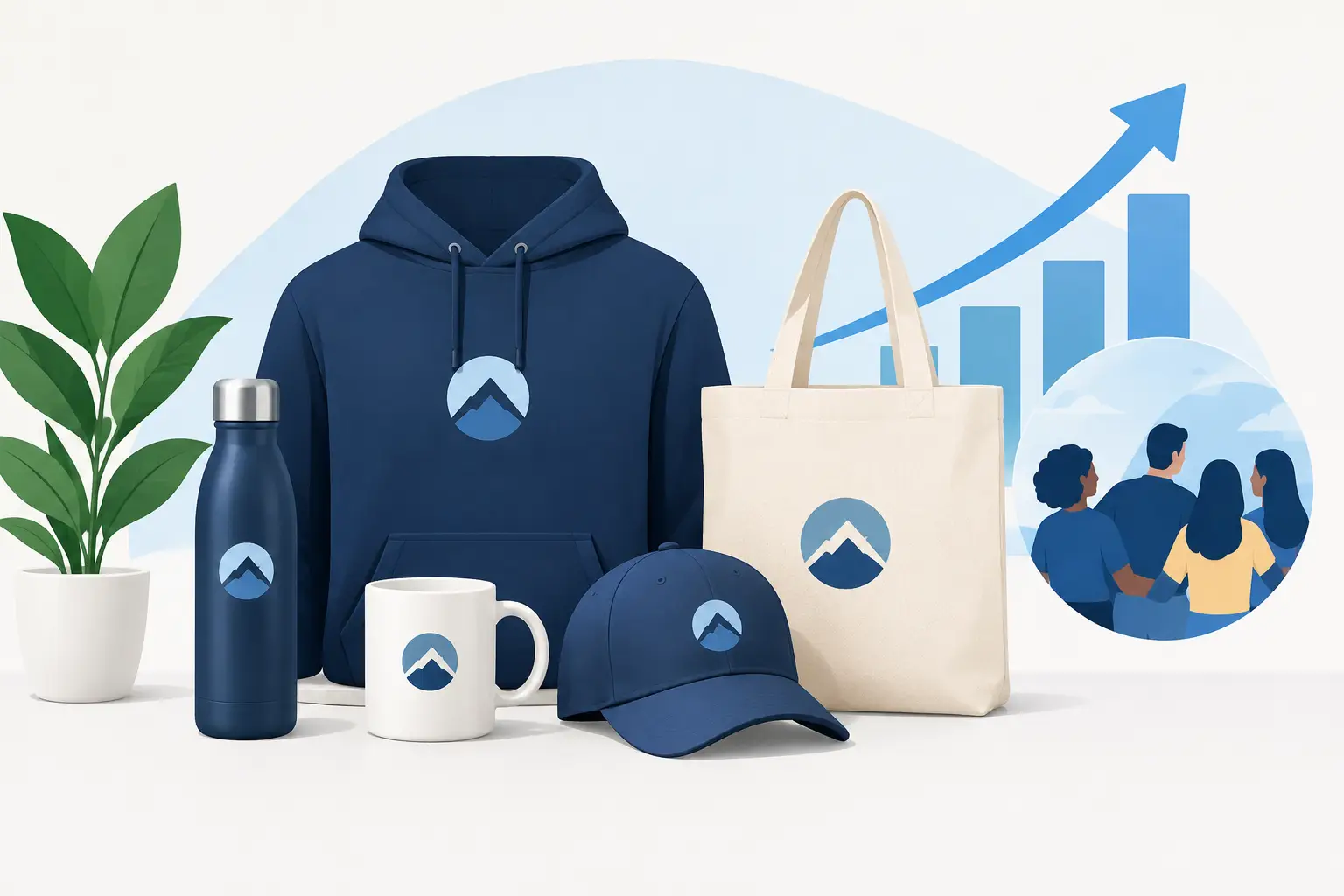
The value came from coordination. The staff looked like one team, attendees left with items designed for real use, and partner gifts reinforced the company’s attention to detail. Each category had a distinct role, but the colors, logo treatment, and material choices made the complete program feel intentional.
The campaign also avoided a common mistake: treating branded merchandise as an isolated purchase. Apparel, event bags, and gifts were planned as parts of one attendee journey. A visitor first saw recognizable staff uniforms, then received a welcome pack, then encountered the same brand identity in meeting spaces and take-home items.
That consistency is useful beyond events. The same approach can support employee onboarding, school programs, product launches, sports teams, roadshows, and client appreciation campaigns. The product mix changes, but the operating principle remains the same: every item should have a purpose, a clear specification, and a production plan that respects the delivery date.
Questions to Ask Before Placing a Bulk Order
Before finalizing a branded merchandise order, decision-makers should establish the campaign objective, intended recipients, distribution method, available timeline, and budget range. These answers guide the product selection much better than starting with a catalog page alone.
It also helps to identify which details are fixed and which can flex. A logo color may be non-negotiable, while a bag handle style or garment fabric blend may have alternatives that improve lead time or budget. Clear priorities make it easier to choose the right customization route without compromising the campaign’s purpose.
Green Cotton supports this process from concept through bulk production, helping organizations align product choice, decoration method, specifications, and delivery requirements. Your identity is our responsibility, and getting the details right before production is how that responsibility is delivered.
The best merchandise is not the item with the biggest logo. It is the item people keep, use, and associate with an experience your organization delivered well.