A missed delivery date can derail an event launch, delay staff onboarding, or leave a campaign short on visibility. That is why choosing the right custom printed t shirt factory is not just about getting shirts made. It is about protecting timelines, brand standards, and budget at the same time.
For business buyers, schools, event teams, and procurement leads, the real question is not who can print a logo on a shirt. Many vendors can do that. The better question is who can handle your order from specification to final packing without errors, quality drift, or last-minute surprises. When apparel is tied to your public image, internal culture, or campaign execution, production discipline matters as much as design.
What a custom printed t shirt factory should actually handle
A capable factory should do more than decorate blank stock. It should help you move from idea to production with fewer risks. That starts with garment selection, fabric guidance, sizing support, and print method recommendations based on how the shirts will be used.
A staff uniform has different requirements from a roadshow giveaway. A sports event shirt needs different performance characteristics than a corporate campaign tee. If your supplier does not ask about wear conditions, wash frequency, fabric preference, or target quantity, you may end up with the wrong product even if the artwork looks correct.
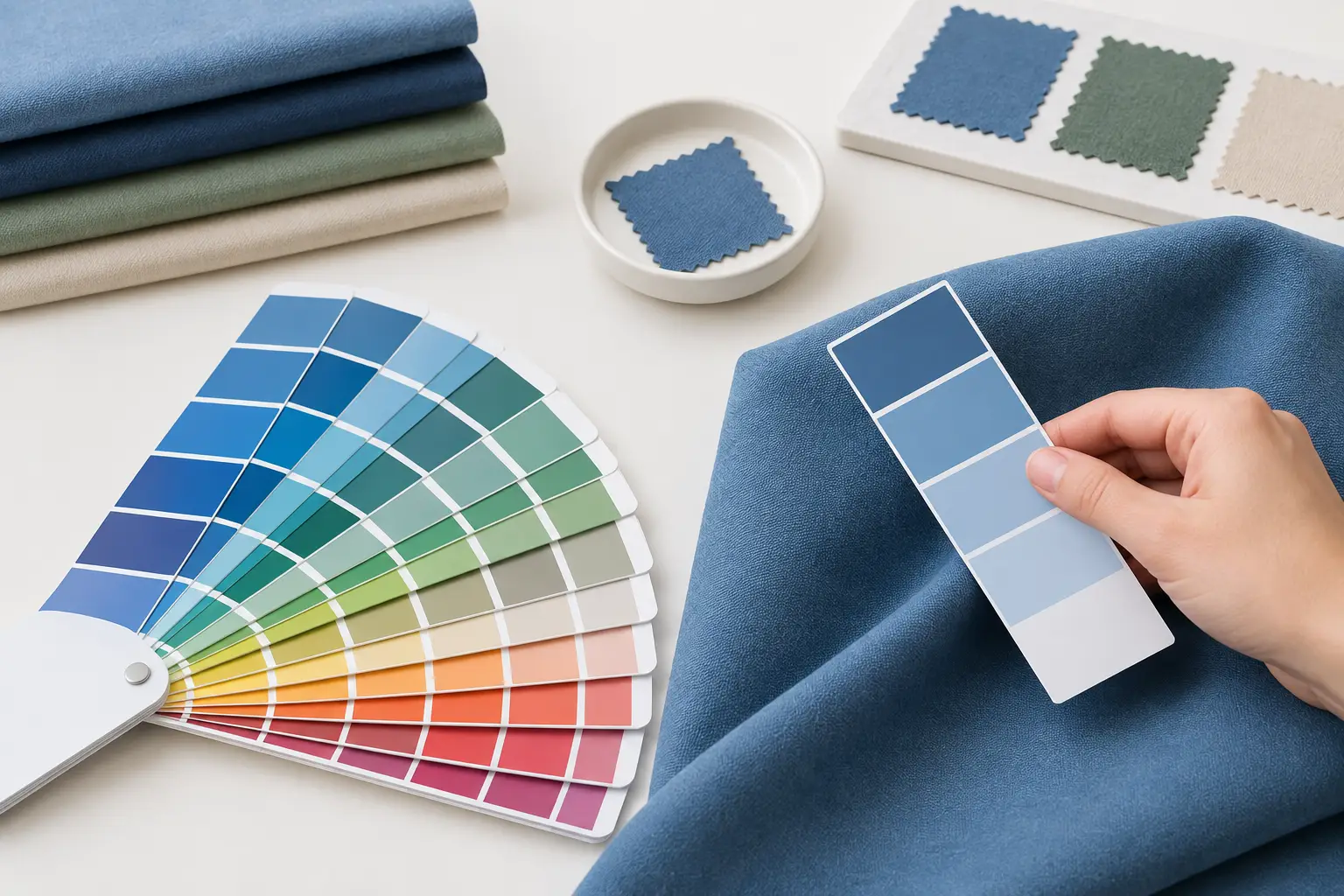
A strong production partner also manages practical details that many buyers only notice when something goes wrong. These include print placement consistency, color matching, shrinkage control, label options, measurement tolerances, and packing by size or department. For bulk orders, those details separate a smooth rollout from a logistical headache.
How to evaluate a custom printed t shirt factory
The safest way to assess a factory is to look past price first. Low pricing can be attractive, but it often hides trade-offs in fabric weight, print durability, finishing, or delivery reliability. That does not mean the highest quote is best either. It means the quote needs to match the job.
Start with production capability. Ask whether the factory handles screen printing, embroidery, heat transfer, sublimation, or direct-to-garment in-house. This matters because the right decoration method depends on artwork complexity, fabric type, order volume, and expected wear. A one-color logo on 1,000 cotton shirts is a different production job from full-color artwork on performance jerseys.
Then look at order management. Can the factory support size breakdowns by team, branch, or department? Can it produce sample approvals before bulk manufacturing? Can it maintain consistent specs if you need repeat orders later? Many organizations do not place one order and disappear. They reorder for new hires, annual events, or campaign extensions. Repeatability matters.
Quality control is another major checkpoint. A factory should be able to explain how it checks fabric, print alignment, shade consistency, sewing quality, and packing accuracy before delivery. If the answer is vague, the process may be too.
Printing methods and when each one makes sense
Choosing the right print method is where many bulk buyers either save money or create avoidable problems. There is no single best option for every job.
Screen printing for scale and durability
Screen printing is often the most practical choice for bulk orders with simple or moderately complex artwork. It offers strong color opacity, reliable durability, and cost efficiency at higher volumes. For uniforms, event shirts, and promotional runs, it remains a dependable standard.
The trade-off is setup. For small quantities or artwork with many colors, setup costs can make it less efficient. It also needs experienced handling to keep placement and color consistent across a large run.
Direct-to-garment for detailed artwork and smaller runs
Direct-to-garment works well for highly detailed prints, gradients, and lower minimums. It is useful when designs are artistic or when quantities are not large enough to justify screen setup.
That said, it depends heavily on fabric compatibility and garment preparation. For some business buyers, the finish and long-term wear may not match what they want for uniform programs or hard-use applications.
Heat transfer for names, numbering, and flexible customization
Heat transfer is a strong option when orders need individual personalization, such as staff names, event roles, or team numbers. It adds flexibility without requiring an entirely separate production line.
The trade-off is that not all transfers perform equally over time. Material quality and application precision make a difference, especially for garments that see frequent washing.
Sublimation for performance apparel
Sublimation is ideal for polyester-based sportswear and full-coverage designs. If your project involves jerseys, high-color graphics, or branded athletic wear, it can deliver excellent visual impact.
However, it is not the right fit for every fabric or every shirt category. A factory that understands this will steer you toward the correct method instead of forcing one process onto every order.
Fabric and fit matter more than many buyers expect
A print can look sharp on day one and still fail the job if the shirt feels uncomfortable, shrinks after washing, or wears out too quickly. Fabric choice should reflect the use case, not just the budget line.
For daily uniforms, comfort and wash performance often matter most. Cotton or cotton-blend shirts can provide a familiar feel, but blends may offer better shape retention and durability. For outdoor promotions or active events, moisture management and lighter weight fabric may be a better fit.
Fit is another practical issue. Standard unisex sizing may work for some campaigns, but not always for mixed teams or customer-facing staff. If your order includes a broad size range or multiple user groups, a factory that can guide fit selection and measurement standards reduces returns, complaints, and waste.
Why end-to-end coordination saves time and reduces risk
Many apparel problems are not caused by printing alone. They happen in handoffs between design, sourcing, decoration, and delivery. That is why working with a factory that manages the full process can be more efficient than splitting the order across multiple vendors.
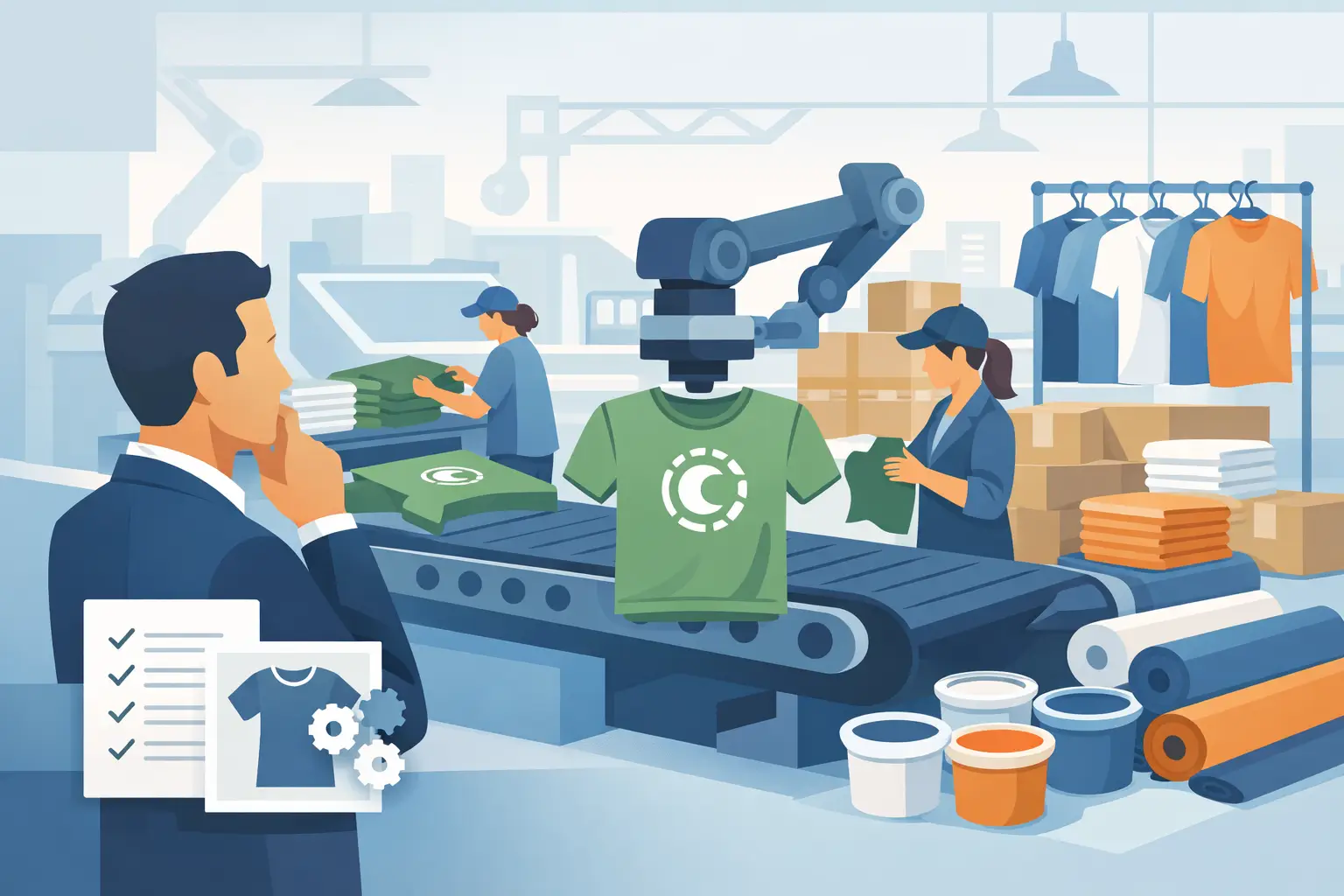
When one team oversees garment sourcing, color approval, decoration, production scheduling, quality checks, and packing, there are fewer gaps. Artwork issues are caught earlier. Fabric limitations are identified before production starts. Delivery planning becomes clearer because the timeline is controlled under one workflow.
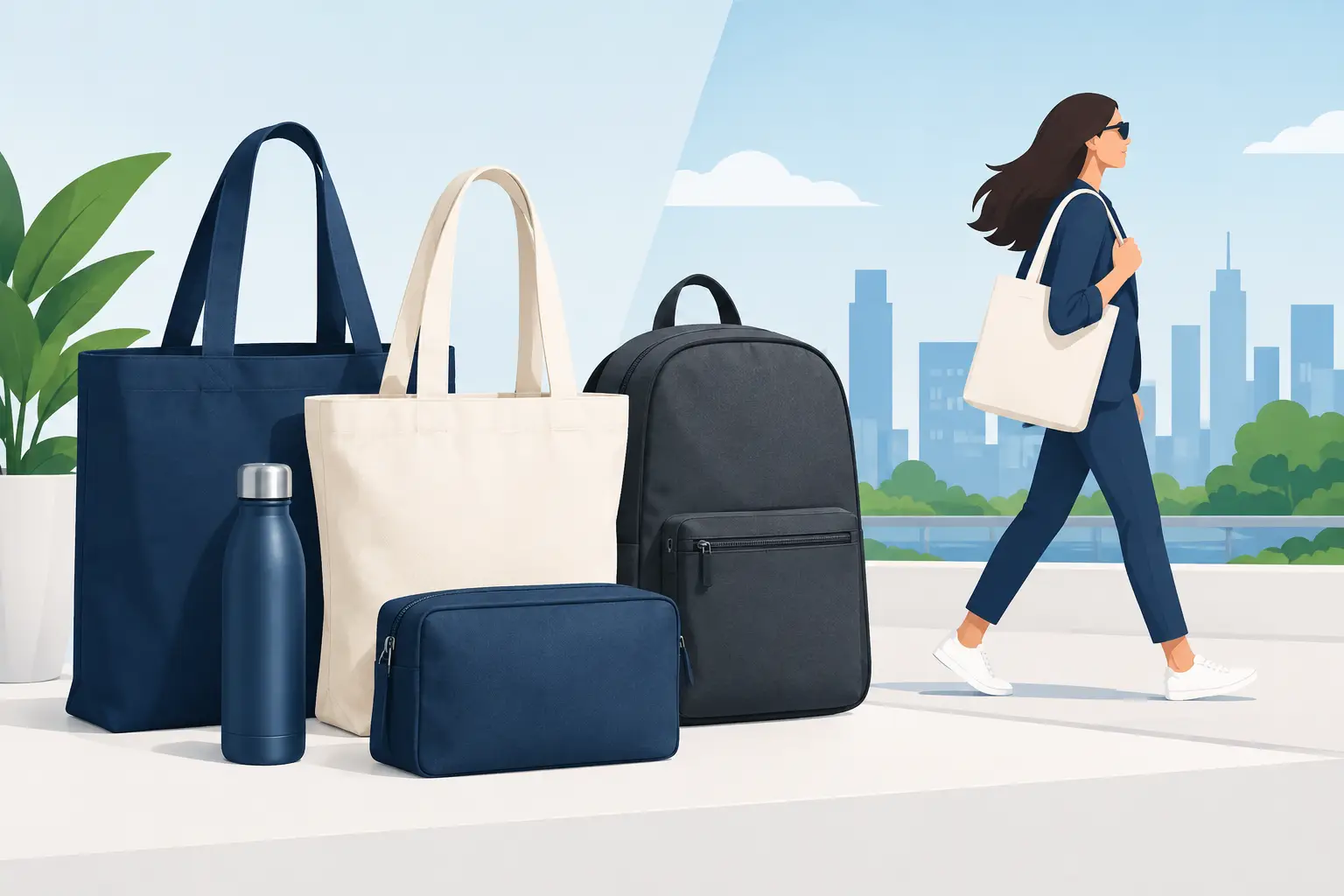
For organizations ordering across multiple product categories, this matters even more. If you need T-shirts, polos, caps, bags, and premium gifts for the same campaign, managing brand consistency across every item can become difficult when each supplier works differently. A full-service production partner simplifies that process.
Questions worth asking before you approve a bulk order
A serious custom printed t shirt factory should be comfortable answering practical questions. What is the exact fabric composition and weight? Which print method is being recommended, and why? Will you receive a sample or mockup approval? What are the tolerance levels for sizing and color variation? How is the order packed and labeled? What happens if there is a defect or discrepancy at delivery?
These are not minor details. They affect internal distribution, event readiness, and whether the finished shirts represent your brand well. The more specific the conversation before production, the fewer assumptions will create problems later.
It is also worth asking about lead time in realistic terms. Fast turnaround is valuable, but only if quality remains stable. Some factories promise speed and recover the time by cutting corners in inspection or finishing. A reliable supplier gives you a delivery window that it can actually meet.
The value of a factory partner, not just a vendor
At scale, apparel buying becomes an operations decision, not a one-time creative purchase. You need a partner that can interpret briefs correctly, flag risks early, and deliver with consistency. That is especially true when branded apparel supports hiring, events, campaigns, retail promotions, or public-facing teams.
This is where an experienced manufacturer stands apart. Green Cotton, for example, approaches custom production as a full-service responsibility, not just a decoration task. That means helping buyers choose the right garment, the right method, and the right production path for the outcome they need.
The best custom printed T-shirt projects are rarely the ones with the cheapest unit cost. They are the ones that arrive on time, match the approved specs, wear well, and make distribution easy. When your shirts represent your organization, every production decision shows.
Choose a factory that treats those decisions with the same seriousness you do, and your order will do more than fill boxes. It will carry your brand the way it should.