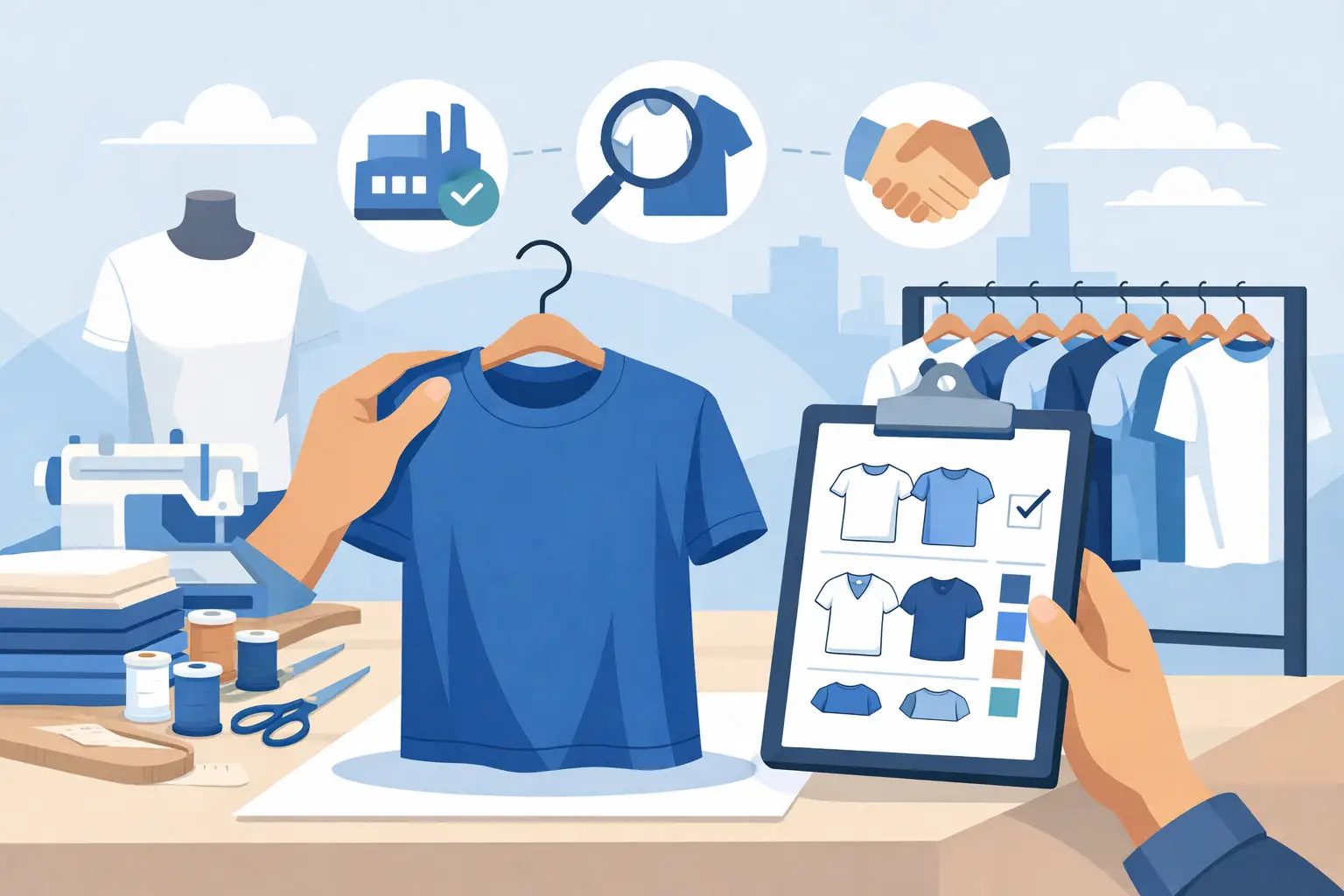
A missed sizing run, off-brand colors, or late delivery can turn a simple apparel order into a problem that affects your whole organization. That is why choosing the right custom made t shirt manufacturer is not just a sourcing decision. It is a brand decision, an operations decision, and in many cases, a deadline-sensitive one.
For companies, schools, event teams, and procurement leads, custom T-shirts are rarely just T-shirts. They may be staff uniforms, campaign merchandise, corporate gifts, teamwear, event apparel, or part of a broader branding rollout. When the order is tied to a product launch, school function, staff onboarding, or public event, there is very little room for guesswork. You need a manufacturing partner that can translate a concept into consistent, wearable, on-spec production.
What a custom made t shirt manufacturer should actually provide
A true manufacturing partner does more than print a logo on ready stock. The difference matters. If your order has specific requirements around fabric weight, fit, color matching, labeling, decoration method, packaging, or bulk sizing, the manufacturer needs to control those variables from the start.
That usually begins with garment selection. Some buyers need basic cotton tees for promotions. Others need premium combed cotton for retail-style presentation, moisture-management fabric for sports use, or blended materials that balance comfort with durability. A capable manufacturer should be able to guide that decision based on use case, not just price.
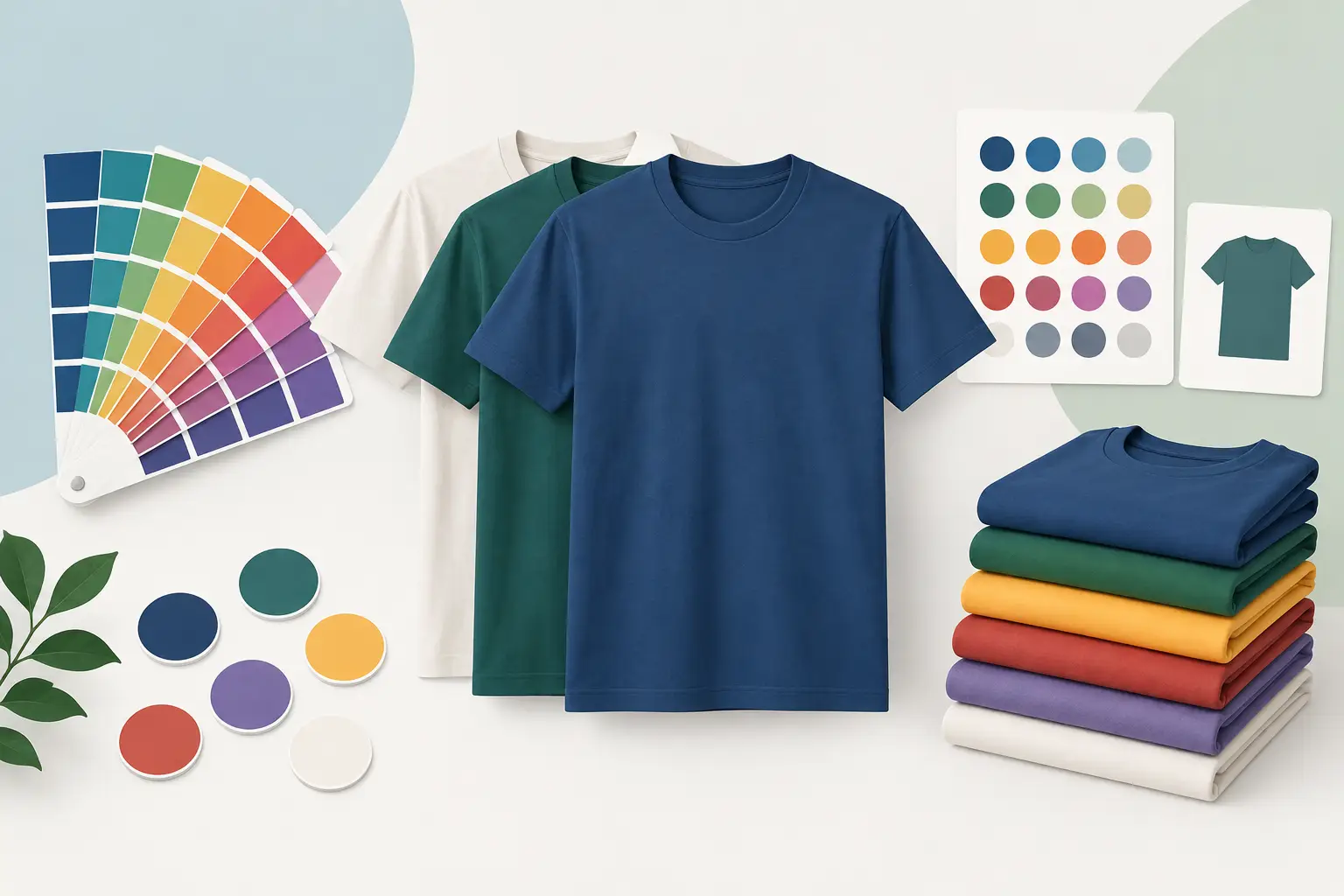
Customization should also extend beyond the front chest print. Neck labels, sleeve branding, woven tags, individual names, department coding, custom dyed fabric, and coordinated accessories can all matter depending on the project. If you are ordering for a national campaign or a large internal rollout, these details affect how polished and consistent the final result feels.
Just as important, the manufacturer should be able to explain what is realistic. Some artwork works beautifully in screen printing but loses clarity in embroidery. Some fabric colors affect print vibrancy. Some deadlines are manageable only if approvals happen quickly. Reliable suppliers do not overpromise. They help you make choices that protect quality and timing.
How to evaluate a custom made t shirt manufacturer
The strongest suppliers are easy to identify once you know what to look for. Start with production capability. If a manufacturer offers multiple decoration methods such as screen printing, embroidery, heat transfer, sublimation, and direct-to-garment printing, that gives you more control over finish, cost, and garment compatibility.
This flexibility matters because the best method depends on the order. Screen printing is often the right fit for high-volume runs with bold artwork and cost efficiency. Embroidery creates a more formal, durable finish that suits uniforms and corporate wear. Sublimation works well for all-over designs on suitable synthetic fabrics. Direct-to-garment can help with detailed graphics, but it is not always the best choice for every fabric or large bulk production. A manufacturer that can advise across methods is more useful than one pushing a single solution.
Quality control is another major factor. Ask how specifications are checked before production and during manufacturing. For bulk orders, consistency is everything. That includes color accuracy, print placement, stitching, sizing tolerance, and finishing. A sample may look good, but you need confidence that the 500th piece will match the first.
Lead time deserves equal attention. Fast turnaround is valuable, but only when it is supported by planning and production discipline. A dependable manufacturer should be clear about artwork approval stages, sampling timelines, production windows, and delivery scheduling. If timing is critical, you want a partner who treats deadlines as operational commitments, not flexible estimates.
Communication often makes the biggest difference of all. Large orders involve moving parts: design confirmation, quantity breakdowns, size allocations, branding positions, and sometimes multiple product categories under one project. You need responsive coordination, accurate documentation, and a team that notices issues before they become expensive corrections.
Why bulk buyers need more than a printer
Many organizations start by comparing unit prices, which is understandable. But for B2B orders, the lowest quote is not always the lowest cost. If colors are inconsistent, garments shrink unexpectedly, logos peel after washing, or the shipment arrives too late for the event, the savings disappear quickly.
That is why experienced buyers look at total execution. Can the supplier handle apparel and related merchandise together? Can they support uniforms, event shirts, caps, bags, and premium items under one production workflow? Can they keep branding consistent across different products? Consolidating with one capable partner often reduces complexity, shortens coordination time, and improves visual consistency.
This is especially useful for companies managing multi-department needs. HR may need onboarding uniforms. Marketing may need campaign merchandise. Operations may need workwear. Event teams may need participant shirts and giveaway items. Working with a manufacturer that understands end-to-end customization makes the process more efficient and easier to control.
Matching the T-shirt to the job
Not every custom T-shirt project has the same purpose, so the manufacturing approach should change accordingly. Promotional giveaways usually prioritize cost control and visual impact. Staff uniforms need durability, repeat-order consistency, and a fit that works across varied body types. Event apparel often needs quick turnaround and clear size planning. Teamwear may require names, numbering, and performance fabric.
This is where consultation matters. The right custom made t shirt manufacturer will ask how the shirt will be used, how often it will be worn, what environment it will be worn in, and what impression it needs to create. Those answers influence fabric choice, print method, garment cut, and finishing details.
For example, a roadshow T-shirt may only need lightweight comfort and strong logo visibility. A premium company anniversary shirt may need better hand feel, refined finishing, and packaging that suits presentation. A warehouse or technical team uniform may need more practical construction and color choices that hold up under repeated washing. Different jobs call for different specifications.
The role of design support and specification accuracy
A lot of ordering delays happen before production starts. Artwork files are incomplete, logo placement is unclear, or the approved mockup does not match the intended garment. When that happens, timelines tighten and mistakes become more likely.
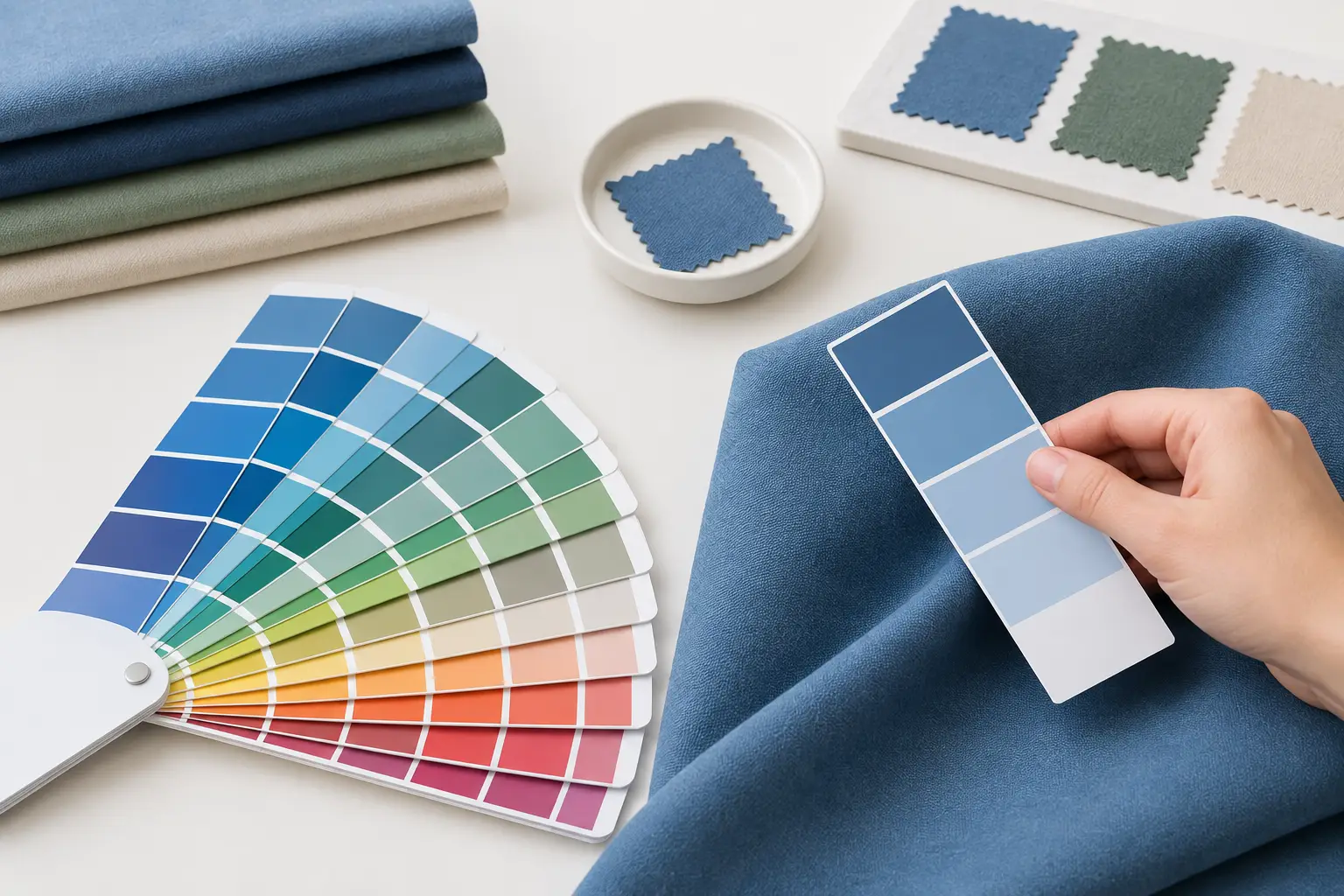
A manufacturer with guided design support helps reduce this risk. That support may include artwork checks, mockups, color recommendations, size guidance, swatch references, and advice on print area limitations. It is a practical service, not an extra. The cleaner the specification process, the smoother the production run.
Specification accuracy is particularly important for organizations ordering at scale. If your shirt is part of a broader brand system, details like Pantone matching, trim consistency, and logo proportion are not small matters. They affect professionalism and recognition. Your identity is carried by the product, so the production team must treat those specifications seriously.
At Green Cotton, this execution mindset is what bulk buyers value most. The job is not simply to decorate garments. The job is to produce apparel that represents the customer accurately, consistently, and on schedule.
Common trade-offs buyers should consider
There is no single perfect formula for every order. Most apparel decisions involve trade-offs, and a good manufacturer will be upfront about them.
If you want the lowest price, fabric and finishing options may need to be simplified. If you want premium softness and retail-like presentation, the unit cost will usually rise. If you need a very fast turnaround, customization complexity may need to be reduced. If your artwork is highly detailed, the best decoration method may not be the cheapest one.
None of this is a problem as long as expectations are set early. The right partner helps you choose where to spend, where to simplify, and what will protect the result. That balance is often what separates a smooth project from a disappointing one.
When a manufacturer becomes a long-term asset
The best custom apparel relationships improve over time. Once a manufacturer understands your brand standards, preferred fits, past order history, and internal approval process, repeat projects become faster and more accurate. Reordering uniforms is easier. Launching event merchandise is less stressful. Expanding into related products becomes more practical.
This matters for growing organizations. Today you may need T-shirts for a conference team. Next quarter you may need polos, tote bags, caps, or premium gifts for a client campaign. Working with a production partner that can scale with your requirements saves time and reduces risk.
The right custom made t shirt manufacturer should make your job easier, not add another layer of vendor management. They should bring clarity to fabric, decoration, sizing, and lead time. They should protect your specifications and respect your deadlines. Most of all, they should treat your brand as something they are responsible for delivering properly.
If you are ordering in volume, that is the standard worth holding. A well-made shirt does more than carry a logo. It carries your reputation the moment someone puts it on.