
A staff uniform can look polished on delivery day and still fail the real test: repeated wear, frequent washing, heat, movement, and close-up brand scrutiny. That is why the choice between sublimation vs heat transfer should happen before artwork is approved or garments are ordered. Both methods can produce sharp, professional branded apparel, but they perform differently because the ink, film, fabric, and production process are not the same.
For procurement teams, HR departments, schools, and event organizers, the right method is rarely about choosing the “best” print in isolation. It is about selecting the best result for your garment fabric, design requirements, quantity, budget, and how the apparel will be used.
Sublimation vs Heat Transfer: The Core Difference
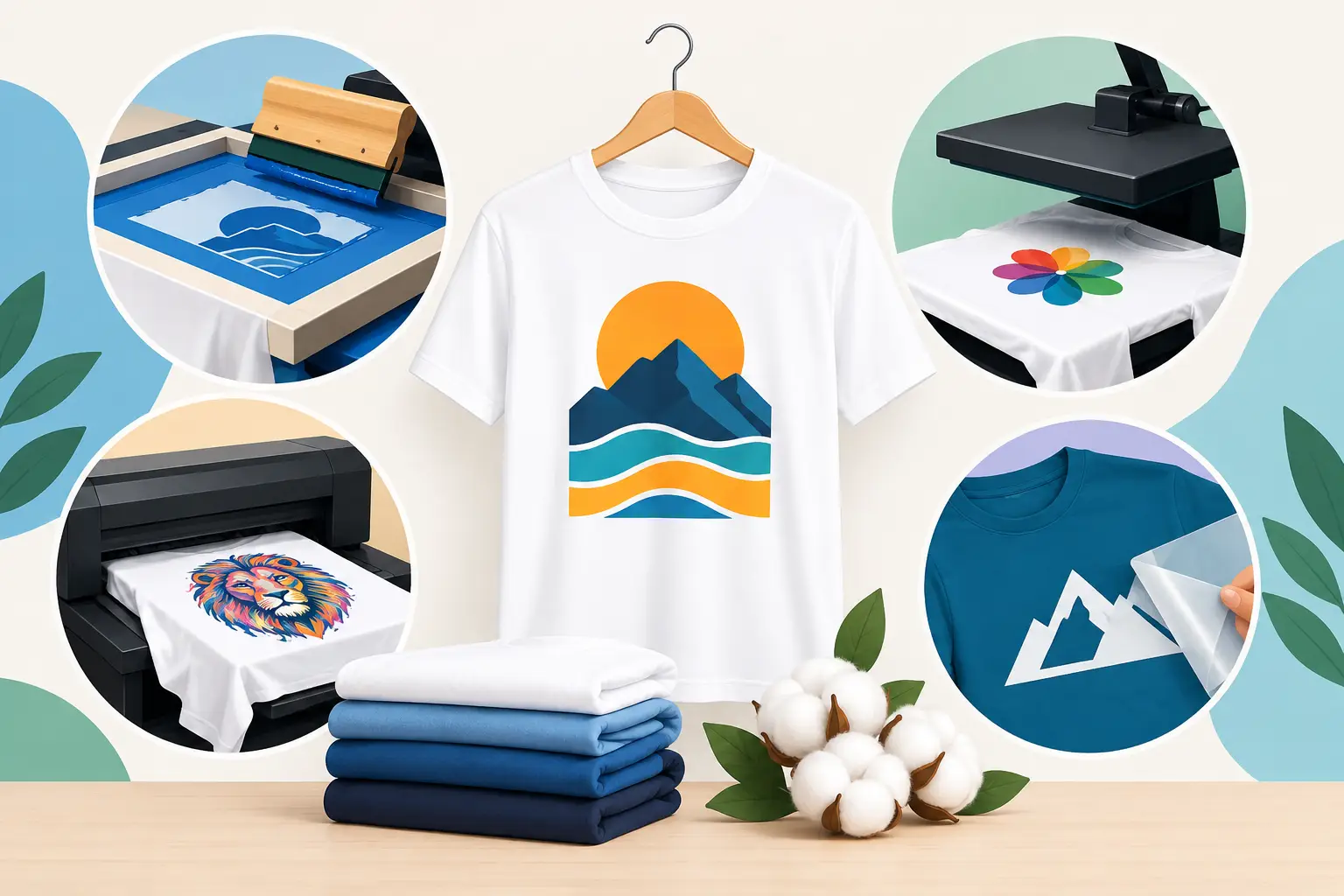
Sublimation is a dye process. Under heat and pressure, specialized inks turn into gas and bond directly with polyester fibers. The design becomes part of the fabric rather than a layer placed on top of it. This creates a smooth finish with no noticeable print texture, making sublimation a strong choice for performance jerseys, activewear, all-over graphics, and long-term teamwear.
Heat transfer applies a printed design or cut vinyl transfer to the surface of a garment using heat and pressure. Depending on the transfer type, the design may use vinyl, ink, adhesive powder, or a carrier film. It is highly versatile and works on a far wider range of materials, including cotton, polyester blends, canvas, and many dark-colored garments.
The practical distinction is simple: sublimation changes the color within suitable polyester fabric, while heat transfer adds a branded graphic on top of the fabric.
When Sublimation Is the Better Choice
Sublimation is built for designs that need lasting color, freedom of movement, and full-garment visual impact. It is particularly effective for custom sports jerseys, cycling shirts, running apparel, esports teamwear, and staff uniforms made from moisture-wicking polyester.
Because the dye is embedded in the fibers, there is no film to crack, peel, or feel heavy during wear. A full-color logo, player name, number, sponsor artwork, or repeating pattern can remain breathable and flexible. This matters for active teams and outdoor events, where comfort is as visible as the branding.
Sublimation also gives organizations much more control over garment design. Instead of adding a logo to a ready-made shirt, the garment itself can be designed around the brand. Panels, sleeves, collars, side inserts, gradients, and pattern details can be planned as one coordinated visual system. For companies that need strong brand recognition across uniforms, that flexibility is valuable.
Fabric and color limitations to plan for
Sublimation has a clear technical requirement: it performs best on high-polyester or polyester-rich fabrics. It does not produce the same result on cotton because the dye needs polyester fibers to bond properly.
It is also best suited to white or very light base fabrics. Sublimation ink is transparent, not opaque, so it cannot print a bright yellow logo over a black shirt in the way a heat transfer can. Dark polyester garments can still be decorated through other methods, but they are not the natural starting point for traditional sublimation.
This is where specification accuracy matters. If your design depends on dark garment colors, opaque white artwork, or cotton fabric, choosing sublimation simply because it looks premium may create an avoidable production mismatch.
Durability in high-use apparel
For the right fabric, sublimation is one of the most durable decoration methods available. The color will not add bulk, and the artwork moves with the garment. That makes it well suited to uniforms that are washed often, sportswear that stretches during activity, and long-running programs where replacement pieces need to match the original order.
However, durability also depends on the garment construction and care instructions. A well-sublimated design cannot compensate for a low-quality fabric or poorly matched sizing. The best outcome starts with selecting a suitable polyester fabric weight, fit, and construction for the job.
When Heat Transfer Is the Better Choice
Heat transfer is often the practical choice when fabric flexibility is the priority. Need a crisp white logo on a black cotton T-shirt? A full-color campaign graphic on a mixed-fabric hoodie? Individual names and numbers on a small batch of staff apparel? Heat transfer can handle those requests efficiently.
It is especially useful for promotional shirts, event merchandise, branded workwear, school apparel, retail-style designs, and one-off personalization. Since transfers can be prepared from digital artwork, they can reproduce detailed logos, gradients, small text, and photographic images without requiring a separate screen for every color.
For organizations ordering multiple garment types, heat transfer can help maintain visual consistency across cotton T-shirts, polyester polos, tote bags, caps, and selected workwear. The decoration method changes to suit the product, while the logo treatment remains aligned.
The benefits of opaque color
Unlike sublimation, heat transfer can place bright colors over dark fabrics. White ink or white transfer layers provide the opacity needed for logos to remain visible on black, navy, dark green, or red garments.
That capability is important for corporate uniforms. Many organizations choose dark garments for a professional appearance, stain resistance, or alignment with established brand colors. Heat transfer allows the logo to retain contrast without forcing a change in garment color.
Feel, wash performance, and placement
A quality heat transfer can be durable, flexible, and visually impressive, but it remains a decoration layer on the garment. Large solid designs may feel warmer or heavier than sublimation, particularly on lightweight activewear. Very detailed artwork should also be reviewed at actual print size so fine lines and small lettering remain clear.
Wash performance depends on the transfer material, correct heat application, garment compatibility, and proper care. A professionally produced transfer, applied at the right temperature and pressure, can deliver reliable results. Still, it needs reasonable care: turn garments inside out, avoid excessive heat, and do not iron directly over the design.
For compact chest logos, sleeve branding, names, numbers, and medium-size promotional graphics, the feel is usually not a concern. For a full-front, full-back, and all-over artwork concept, sublimation may be more comfortable if polyester is acceptable.
How to Choose Between Sublimation and Heat Transfer
The fastest way to make a sound decision is to start with the garment, not the artwork. Identify whether you need cotton, polyester, a blend, or a specialty fabric. Then consider the garment color. These two decisions immediately narrow the suitable decoration options.
Next, look at how the apparel will be used. A corporate fun run jersey, worn outdoors and washed repeatedly, has different demands from a two-day product launch T-shirt. A school sports team needs flexible, breathable numbering. A retail event crew may need dark cotton shirts with bold white branding. Neither requirement is better, but each points toward a different production solution.
Quantity and personalization matter as well. Sublimation is highly effective for coordinated custom garments and variable details such as individual names and player numbers. Heat transfer is also excellent for personalization, particularly when a standard garment is being customized with small batches of unique names, roles, or campaign graphics.
Finally, assess the artwork honestly. All-over patterns, edge-to-edge graphics, and integrated panel designs favor sublimation. Dark garments, vivid opaque logos, cotton products, and mixed merchandise programs often favor heat transfer.
Cost Is More Than the Unit Price
Comparing decoration costs without comparing the full specification can lead to the wrong conclusion. The unit price is affected by garment type, fabric, print size, colors, quantity, artwork complexity, finishing requirements, and whether the garment is stock-based or custom made.
Sublimation can be cost-effective when producing custom polyester apparel with detailed, full-color designs, especially when the artwork is part of the garment construction. There is no need to limit the visual design to a small logo area. But it may require a different garment program than a standard cotton T-shirt order.
Heat transfer can be economical for short runs, multi-color artwork, and variable personalization. It also reduces the need to compromise when a client requires dark fabrics or different garment materials. For large-volume, simple-logo orders, another decoration method may sometimes be worth evaluating, depending on the product and production schedule.
The right comparison is not “Which print is cheaper?” It is “Which method delivers the required appearance, wear performance, and production efficiency for this order?”
Artwork Preparation Makes the Difference
Both methods reward clean artwork and early approvals. Supply vector artwork when possible for logos, and confirm brand colors before production. For sublimation, remember that colors interact with the garment base and fabric finish. For heat transfer, consider the final size of small text, thin lines, and detailed elements.
A pre-production review should cover logo placement, print dimensions, garment color, sizing range, individual personalization, and expected use. If an order includes several departments, teams, or locations, establish a clear naming and approval process before production begins. This prevents inconsistent branding and costly rework later.
Green Cotton approaches this stage as a production partnership, helping organizations align garment choice, decoration method, and final specifications before bulk manufacturing begins. Your identity is a working asset, and every shirt should carry it accurately.
Build the Apparel Around the Job
Choose sublimation when you need breathable, long-lasting graphics on light polyester apparel, particularly for sportswear and fully customized uniforms. Choose heat transfer when you need strong color on dark garments, broad fabric compatibility, or flexible personalization across promotional and workwear products.
The strongest apparel programs do not force every order into one printing method. They match the method to the job, approve details early, and give the finished garment a clear purpose – to represent your people and your brand with confidence.