
A rushed gift order usually shows. The packaging feels generic, the item has little relevance to the recipient, and your brand ends up being remembered for the wrong reason. The best corporate gift ideas do the opposite – they feel considered, useful, and aligned with the occasion, while still working within real budgets, deadlines, and brand guidelines.
For HR teams, marketers, procurement managers, and event organizers, gifting is rarely just about giving something away. It is about representing the company well, creating a positive impression, and managing delivery at scale without mistakes. That means the right gift is not simply the most expensive item on the table. It is the item that matches your audience, your timeline, and your brand standards.
What makes the best corporate gift ideas actually effective
A good corporate gift has a job to do. Sometimes that job is client retention. Sometimes it is employee appreciation, event visibility, or partner recognition. Before choosing a product, it helps to define the intended outcome because that will affect everything from item type to decoration method.
Usefulness is usually the safest starting point. Products people can wear, carry, or keep on their desk tend to stay in circulation longer than novelty items. That matters because repeated use creates repeated brand exposure. A premium tote bag, embroidered polo shirt, or well-made travel bag often delivers more value over time than a flashy item with short-term appeal.
Perceived quality also matters. Even simple items can feel premium when the material, finish, print clarity, and packaging are handled well. On the other hand, a low-cost item with poor stitching or inconsistent branding can weaken trust. For business buyers ordering in volume, consistency is not a minor detail. It is part of brand control.
Best corporate gift ideas for clients, teams, and events
Custom apparel with practical wearability
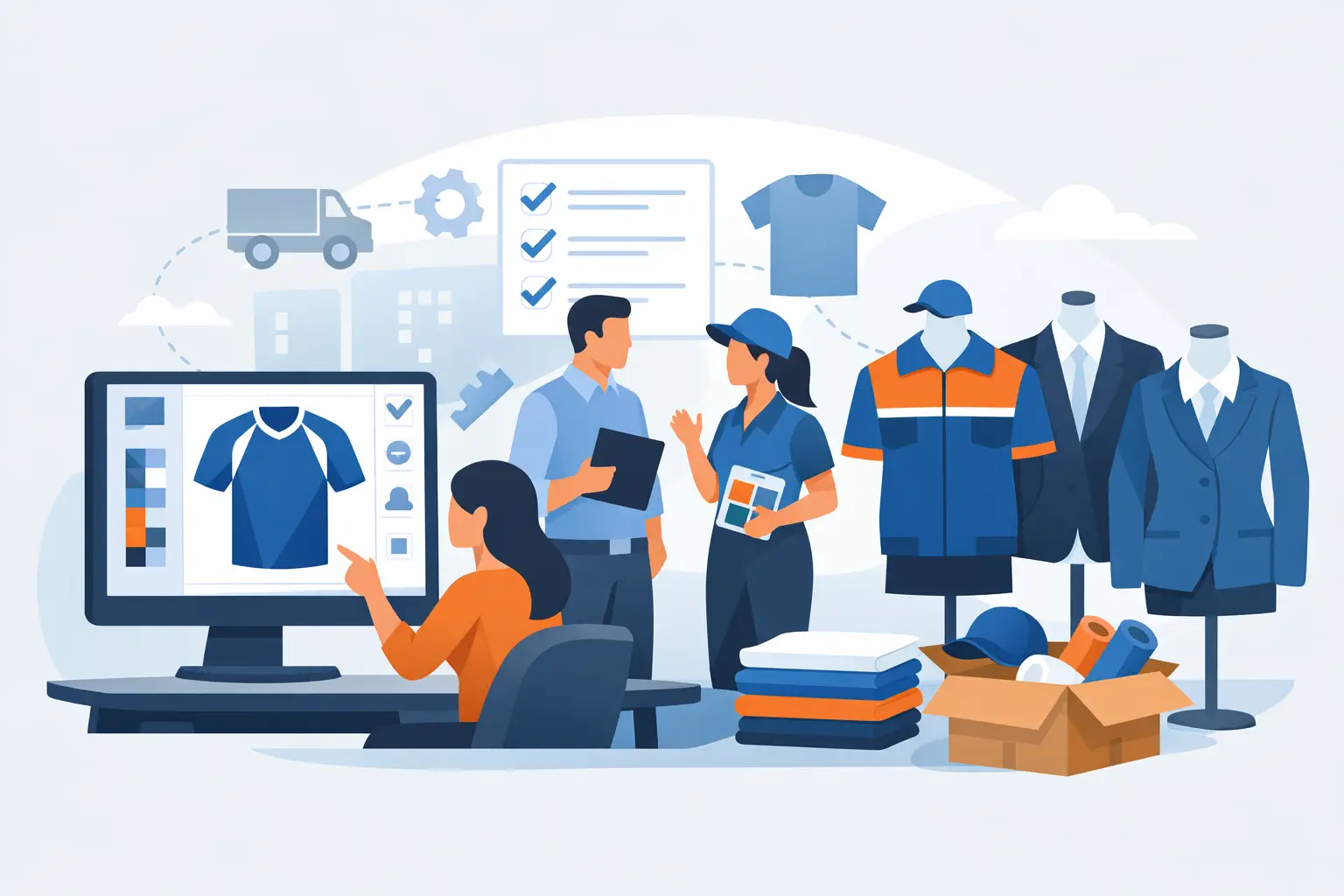
Custom apparel remains one of the best-performing categories because it combines function with visibility. Branded polo shirts, jackets, T-shirts, and lightweight outerwear work especially well for staff appreciation, client welcome kits, and event uniforms that recipients will keep using.
The key is choosing apparel people will actually want to wear. Fit, fabric weight, and decoration style make a big difference. A clean embroidered logo on a quality polo can feel professional and polished. A bold sublimation jersey may be the stronger choice for team activities, sports days, or campaign-based events. It depends on where the item will be used and how formal the brand presentation needs to be.
Premium tote bags and travel bags
Bags are reliable because they are visible, useful, and easy to adapt to different audiences. A durable tote bag works for trade shows, school programs, employee onboarding, and retail-style merchandise packs. A travel bag or duffel bag feels more premium and suits executive gifting, conference kits, or milestone recognition.
This category also gives buyers room to shape the final impression. Material choice, zipper quality, handle construction, inner compartments, and print placement all influence how premium the product feels. If your brand is aiming for longevity rather than one-day event use, bag construction matters more than a slightly lower unit price.
Caps and headwear for broad appeal
Caps are practical, size-flexible, and easy to distribute in bulk. They work well for campaigns, outdoor events, school communities, and employee merchandise. Embroidery often gives caps a stronger retail look than basic print, especially when you want the branding to feel durable rather than disposable.
That said, caps are more casual than some other gifts. For a formal client segment, they may not fit the occasion. For internal culture programs, sports-related events, and public promotions, they can be a strong choice.
Work-ready corporate uniforms as appreciation gifts
Uniforms are not always discussed as gifts, but in the right setting they can be highly effective. High-quality custom uniforms for front-line staff, retail teams, hospitality crews, and operations teams communicate professionalism while also showing investment in employee presentation and comfort.
This is especially relevant when businesses want to improve team appearance across multiple branches or departments. A well-produced uniform package can support morale, reinforce brand identity, and reduce the mismatch that happens when apparel is sourced inconsistently.
Drinkware and desk essentials
Classic gift categories still have value when they are executed well. Drinkware, notebooks, and office-use items continue to work because they fit daily routines. They are often chosen for conferences, welcome kits, and appreciation campaigns where broad compatibility matters.
The trade-off is differentiation. These categories are common, so quality and branding treatment need to carry more weight. If the item feels generic, it will be forgotten quickly. If it is well designed and paired with thoughtful presentation, it can still perform strongly.
How to choose the best corporate gift ideas for different audiences
The same product will not work equally well for every recipient group. Client gifting often benefits from a more premium, restrained approach. Clean branding, subtle embroidery, and better materials usually outperform loud promotional styling. Employees may appreciate practical products with more personality, especially if the item supports company culture or team identity.
For events, visibility becomes more important. You may need products that are easy to distribute, simple to size, and suitable for large quantities. In these cases, the best corporate gift ideas are often the ones that balance cost control with visible branding and reliable production.
Procurement teams should also consider storage and logistics. Apparel programs require size planning. Bag programs need carton and freight consideration. Multi-item gift sets may create a stronger impression, but they also increase assembly complexity. There is no universal best option. The right choice depends on who is receiving the gift and how much coordination the order requires.
Customization is where a standard item becomes a branded asset
A product off the shelf is just a product. Customization is what makes it represent your company properly. That includes logo placement, color matching, fabric selection, decoration method, trim details, packaging, and labeling.
For some projects, screen printing is the efficient choice for bold graphics and larger runs. For others, embroidery gives a more elevated finish, especially on polos, caps, and bags. Sublimation is ideal when full-color edge-to-edge design matters, particularly for jerseys and highly visual event wear. Heat transfer and direct-to-garment can also make sense depending on artwork complexity and order size.
This is where many bulk buyers save or lose value. Choosing the wrong decoration method can affect durability, appearance, and lead time. A capable supplier should not only produce the item but also guide the specification so the result fits the use case.
Budget, timing, and quality control matter as much as the product
A strong gift concept can still fail if execution slips. That is why planning should start with three questions: what is the deadline, what is the quantity, and what level of customization is required? These factors affect sourcing, sampling, decoration, packing, and delivery.
Budget should be treated as a framework, not the only decision driver. The cheapest option may reduce unit cost while increasing complaint risk, replacement cost, or brand damage. A better approach is to separate must-haves from nice-to-haves. If fabric quality and logo consistency are essential, protect those first. If custom packaging stretches the budget too far, it may be the feature to scale back.
Quality control becomes especially important when multiple sizes, colors, or product categories are involved. Bulk gifting programs need specification accuracy. That means approved artwork, confirmed measurements, production checks, and a clear understanding of tolerances before mass production starts. For organizations managing multiple campaigns, working with one supplier that can coordinate across apparel, bags, and premium merchandise can reduce errors and save time.
When gift sets are worth it
Gift sets can be effective when you need a stronger presentation for onboarding, executive gifting, or campaign launches. A branded polo paired with a tote bag and cap, for example, can create a complete welcome pack with practical value. A travel bag combined with premium accessories can suit higher-tier recipients.
The caution is that sets should feel coherent. Random item combinations can look like leftover inventory rather than a deliberate brand experience. The products should make sense together, and the branding should be consistent across all components.
For businesses that need flexibility, Green Cotton supports this kind of coordinated production well because multiple product categories and decoration methods can be managed under one process, which helps keep branding and delivery aligned.
Common mistakes buyers can avoid
One common mistake is choosing based only on appearance in a mockup. A product may look excellent on screen but disappoint in actual material quality or fit. Another is underestimating lead time for custom development, especially when dyed fabric, custom accessories, or mixed-product orders are involved.
There is also the issue of over-branding. A gift should carry your identity clearly, but not every item needs oversized artwork. In many cases, a cleaner logo application creates a more premium result and increases the chance the recipient will keep using it.
The best results usually come from treating gifting as part of brand execution, not as a last-minute purchasing task. When product choice, customization, and production planning work together, the gift does more than fill a budget line. It carries your standards into someone else’s hands.
If you are choosing from the best corporate gift ideas, start with the recipient, stay disciplined on quality, and build around products people will actually use. A gift that gets used keeps working long after it is delivered.