
A uniform order becomes wasteful long before a garment reaches the end of its life if the fabric is unsuitable, the sizing is inconsistent, or the branding fails after repeated washing. That is why sustainable uniform trends are moving beyond surface-level material claims. For businesses, schools, event teams, and procurement departments, sustainability now means specifying apparel that stays useful, looks professional, and can be reordered with confidence.
The practical goal is not to make every uniform from one “perfect” fabric. It is to make better decisions across material selection, garment construction, decoration, wear life, and ordering. A uniform program that employees actually wear for two years can be a stronger sustainability choice than a poorly specified “eco” shirt that needs replacing after one season.
Sustainable Uniform Trends Start With Longer Wear Life
Durability is becoming one of the most meaningful measures in uniform purchasing. Organizations are looking closely at fabric weight, stitch quality, shrinkage control, colorfastness, and how garments perform under the real conditions of the job.
For hospitality, retail, corporate teams, and school groups, that may mean breathable cotton blends or performance polos that retain their shape after frequent laundering. For logistics, field operations, and industrial settings, it can mean heavier workwear with reinforced stress points and fabrics selected for abrasion resistance. The right answer depends on the wearer, the work environment, and washing frequency.
A lower-cost garment can appear attractive at quotation stage, but replacement orders quickly change the total cost. Sustainable purchasing should account for cost per wear, not only cost per piece. When uniforms fit well, maintain their color, and keep the logo looking sharp, teams are more likely to keep wearing them.
Better Fit Reduces Unnecessary Reorders
Fit is not a minor operational detail. It directly affects garment use and waste. When staff receive apparel that is too tight, too loose, too short, or uncomfortable for their role, it often stays in storage or is replaced early.
More organizations are responding with broader size runs, clearer measurement guidance, and sample approvals before bulk production. For large teams, a controlled size collection process can prevent costly over-ordering and reduce the number of unworn pieces. It also supports a more inclusive uniform program, which matters for employee confidence and brand presentation.
Recycled and Lower-Impact Materials Are Becoming More Specific
Recycled polyester remains a visible part of sustainable uniform trends, especially for sportswear, event shirts, jackets, bags, and performance-driven apparel. It can help reduce reliance on virgin polyester while delivering moisture management, durability, and color consistency. It is particularly useful for sublimation jerseys, where vivid all-over graphics and athletic performance are priorities.
However, recycled content alone does not settle the sustainability question. Buyers should ask how the fabric is intended to perform, whether it suits the decoration method, and how long the final garment is expected to last. A recycled fabric that pills quickly or does not meet the required workplace standard may not be the best commercial or environmental choice.
Organic cotton and responsibly sourced cotton are also gaining attention for T-shirts, polos, tote bags, and casual staff apparel. Cotton can offer familiar comfort and a natural hand feel, but fabric weight and construction still matter. A lightweight promotional tee may be suitable for a one-day campaign. A daily uniform shirt needs a different specification.
Blended fabrics also require practical judgment. They can improve durability, stretch, drying time, and shape retention, all of which can extend a garment’s useful life. The trade-off is that some blends are more challenging to recycle at end of life. For many organizations, the best decision is a balanced one: choose a fabric that meets the role, then make it last through correct construction and care.
Smarter Decoration Protects the Garment and the Brand
A sustainable uniform is not sustainable if its logo cracks, peels, bleeds, or fades while the base garment is still wearable. Decoration selection should be part of the initial product specification, not an afterthought.
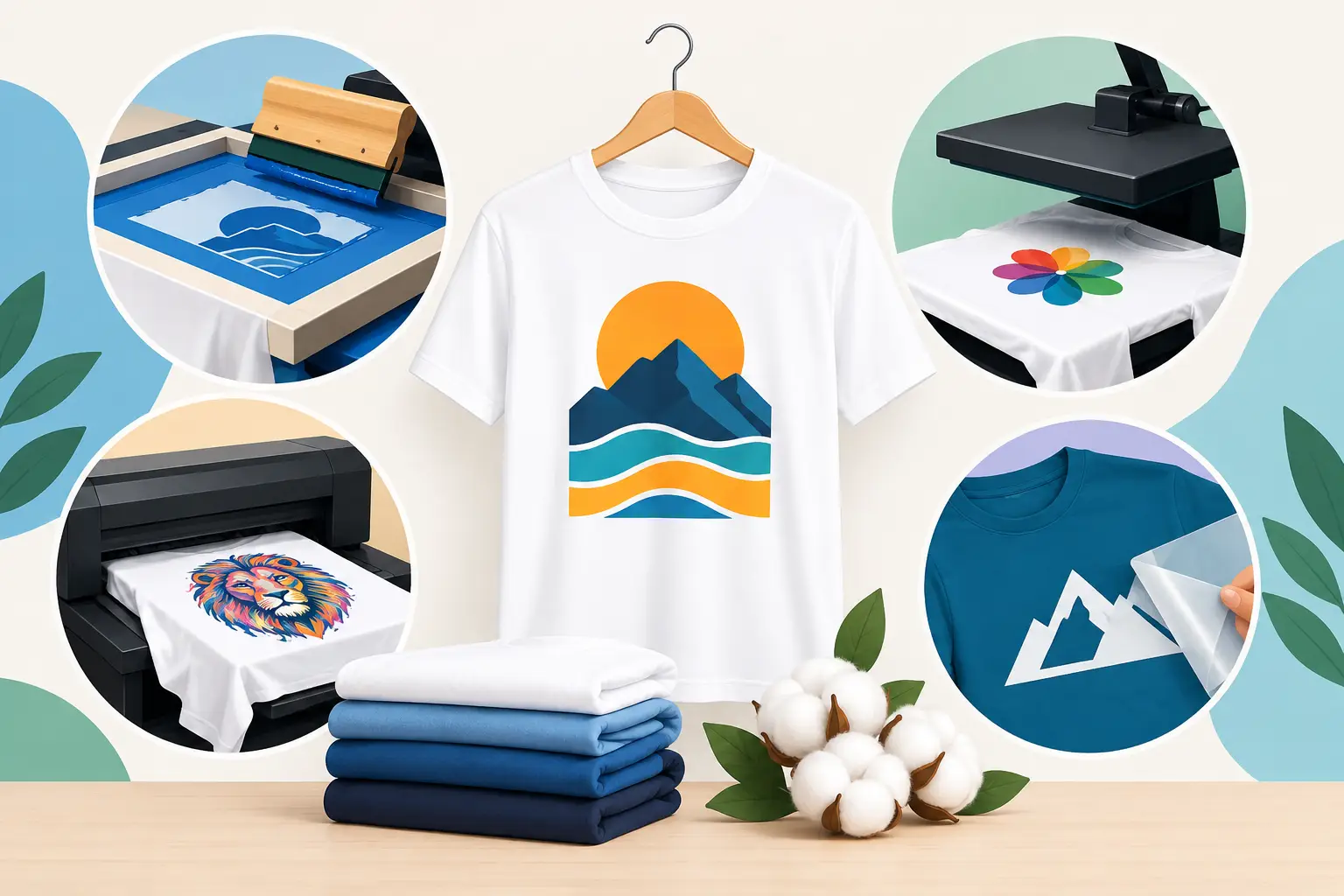
Embroidery is often a durable option for corporate polos, workwear, caps, jackets, and premium uniforms. It creates a polished finish and can withstand repeated washes when properly digitized and applied. Screen printing remains effective for bold graphics and larger-volume orders, especially where a consistent color result is required. Direct-to-garment printing can suit detailed, smaller-run designs, while heat transfer may be practical for names, numbers, and variable data.
Each method has limits. Heavy embroidery can affect drape on lightweight fabrics. Large screen prints can reduce breathability. Heat-applied graphics need the right temperature, pressure, and garment compatibility to avoid premature lifting. The right production partner will match the design, fabric, order volume, and use case before recommending a method.
Design choices matter too. A clean logo placement and a controlled color palette are easier to reproduce consistently across polos, tees, jackets, caps, tote bags, and event merchandise. That consistency reduces rejected goods and makes future replenishment more efficient.
Fewer, Better-Managed Orders Replace Excess Stock
One of the clearest shifts in sustainable procurement is away from speculative volume. Ordering too many uniforms “just in case” creates dead stock, outdated branding, and storage problems. Ordering too little can lead to fragmented reorders with mismatched shades or decoration.
The solution is not always smaller quantities. It is better forecasting. Organizations are increasingly building uniform programs around planned reorder cycles, core garment ranges, approved colors, and documented specifications. This gives HR, procurement, and marketing teams a clearer picture of what is needed for new hires, seasonal demand, events, and replacement stock.
A practical uniform specification should record the garment style, fabric composition, color reference, size range, branding position, decoration method, artwork version, and any personalized details. This makes repeat production faster and helps maintain brand accuracy even when orders are placed months apart.
For campaigns and events, consider whether every item needs to be dated. A shirt printed only with a single event year has a limited future. A more enduring design can still carry campaign branding while remaining useful for future volunteer events, staff activities, or casual teamwear.
Modular Uniform Programs Are Gaining Ground
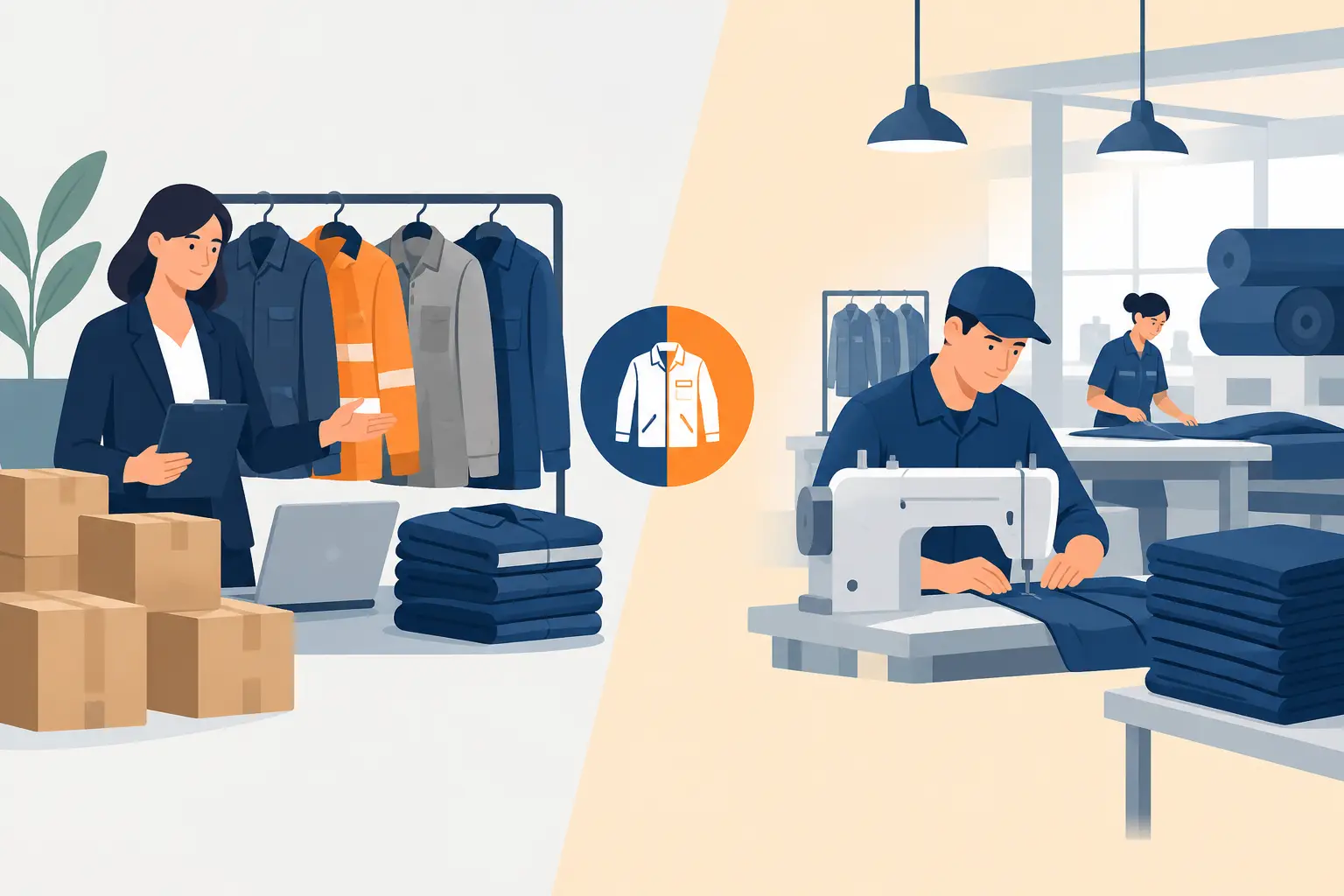
Rather than issuing a single fixed outfit to every employee, many organizations are adopting modular uniform systems. A core polo or work shirt may be paired with optional outerwear, caps, performance tees, aprons, or bags according to job role and climate.
This approach can reduce unnecessary purchasing because employees receive items that match how they work. It can also simplify branding: the logo, color standards, and decoration placement remain controlled across multiple garment types.
Modularity works best when the range is disciplined. Too many fabric options, logo versions, and shades can create production complexity and make reorders difficult. Start with a small approved collection that covers the real needs of the team. For example, a corporate field team may need a breathable polo, a long-sleeve option, a lightweight jacket, and a cap. A hospitality group may need front-of-house polos, kitchen aprons, and event tees. The range should be purposeful, not oversized.
Traceability and Honest Specifications Matter More
Buyers are asking better questions about where products come from, what materials they contain, and how they are made. This is a positive trend, but sustainability claims must be clear enough to support a purchasing decision.
Avoid broad labels that do not explain the product. Ask for fabric composition, recycled content where applicable, garment weight, care requirements, color options, and production lead time. If a certification or material claim is central to the project, request documentation that supports it before final approval.
Transparency also means recognizing limits. A custom-dyed fabric may create an exact brand color and reduce the risk of unusable off-brand stock, but it may require higher minimum quantities. A premium recycled performance fabric may improve the product story, but it can affect budget and lead time. The strongest uniform programs make these trade-offs visible early, before production begins.
Build Sustainability Into the Approval Process
The most effective change is operational: add sustainability checkpoints to the normal uniform approval workflow. Before bulk manufacturing, teams should confirm who will wear the garment, how often it will be washed, what decoration it needs, how long it should remain in service, and whether the design will still be relevant next year.
Sampling is valuable here. It allows decision-makers to check fit, fabric feel, logo scale, color accuracy, and construction before committing to volume. It also gives internal stakeholders a chance to flag issues that may otherwise result in an entire order sitting unused.
At Green Cotton, the production conversation starts with the real requirements behind the brief. A branded shirt is not just a shirt. It is a daily representation of your organization, and the specification needs to support that responsibility from fabric selection through final delivery.
The next time you plan a uniform order, do not treat sustainability as a logo on a hangtag. Treat it as a performance standard: apparel your people are proud to wear, your brand is proud to show, and your organization can rely on long after the first distribution day.