
A tote bag earns its place when it leaves the event, office, or store and keeps appearing at grocery runs, commutes, trade shows, and weekend errands. To design branded tote bags that deliver that kind of visibility, the bag has to work as a useful product first and a marketing surface second. Material, handle length, print method, artwork scale, and finishing details all influence whether recipients carry it again.
For procurement teams and marketing managers, the goal is not simply to put a logo on a bag. The goal is to produce a branded item that reflects your standards, fits the campaign, and arrives on schedule in the right quantity. A well-specified tote turns a practical giveaway into a long-term brand impression.
Start With the Job Your Tote Bag Must Do
The strongest tote bag design begins with a clear use case. A lightweight cotton tote for a school open house has different requirements from a heavy canvas bag used for client gifts, retail packaging, or conference materials. Starting with the purpose prevents a common ordering mistake: choosing a bag that looks appealing in a mockup but cannot comfortably carry what recipients need.
Consider what will go inside the tote and where it will be used. Event attendees may carry brochures, water bottles, samples, and personal belongings. Employees may need a bag for laptops, uniforms, or daily essentials. Retail customers may expect a reusable replacement for single-use shopping bags. The intended contents determine the right bag dimensions, base construction, fabric weight, and handle strength.
Timing matters too. If the tote supports a short campaign, a simple promotional construction may be appropriate. If it is part of an executive welcome kit, anniversary gift, or premium retail program, stronger fabric, lined construction, inside pockets, or a zipper closure can justify a higher unit cost. The right choice depends on the life you expect the tote to have after distribution.
Define the audience before choosing the style
A bag designed for university students can carry a bolder illustration or campaign message. A corporate client gift often works better with restrained branding, refined colors, and high-quality decoration. For employee onboarding, the tote should feel inclusive, practical, and aligned with the organization’s day-to-day dress code and culture.
Ask one direct question: would the recipient choose to carry this bag when your event is over? If the answer is no, revisit the style or the design rather than adding more artwork. Utility creates repeat use, and repeat use creates the brand exposure your budget is paying for.
Choose Materials That Match Your Brand Standard
Fabric is not a minor production detail. It affects appearance, durability, print results, feel, and cost. Cotton is a familiar, versatile option for many promotional applications. It accepts screen printing well and gives artwork a natural, approachable look. Canvas offers a heavier, more structured feel and is better suited to bags expected to carry heavier loads or serve as premium merchandise.
Non-woven materials can be cost-effective for high-volume events where a light, reusable carry bag is the priority. Recycled fabrics may support sustainability messaging, but the claim should match the actual material specification and documentation. A recycled-content bag should not be treated as a shortcut for a vague environmental message.
Color choice also begins with material. Natural cotton has a casual, recognizable texture that suits simple one- or two-color prints. Dyed fabric can better match corporate colors, but exact shade expectations should be discussed early, particularly for large orders. If your brand depends on precise color consistency across uniforms, gifts, and event materials, provide approved color references with the artwork.
Check construction, not only fabric weight
A heavy fabric does not automatically make a better tote. The strength of stitching, handle attachment, gussets, and reinforced stress points matters just as much. Long handles work well for shoulder carrying, while shorter handles give a more structured shopping-bag appearance. A gusset adds usable capacity and lets the bag stand more easily, which is valuable for retail, food, and gift-set applications.
Before approving production, confirm the finished dimensions, handle length, bag orientation, and load expectations. These details protect against a bag that is technically correct but awkward in real use.
Design Branded Tote Bags With a Clear Visual Hierarchy
Tote bags offer a generous print area, but that does not mean every inch should be filled. The best branded tote designs communicate quickly from a few feet away. A recognizable logo, strong campaign line, or simple graphic usually performs better than a crowded collection of services, QR codes, phone numbers, and social media icons.
Choose the primary message first. For some organizations, that is the logo. For a product launch or event, it may be a campaign phrase with the logo placed in a supporting position. For schools and teams, a mascot, crest, or event identity may lead the design. Give that main element enough space to be read clearly when the bag is in motion.
Think about both sides of the bag. Printing one side is often the most efficient approach, especially for large promotional orders. Printing both sides can add value when the tote will be used in retail, gifting, or high-visibility events. The reverse side can carry a secondary message, sponsor recognition, or a pattern, but it should not compete with the front.
Use artwork that works with the print method
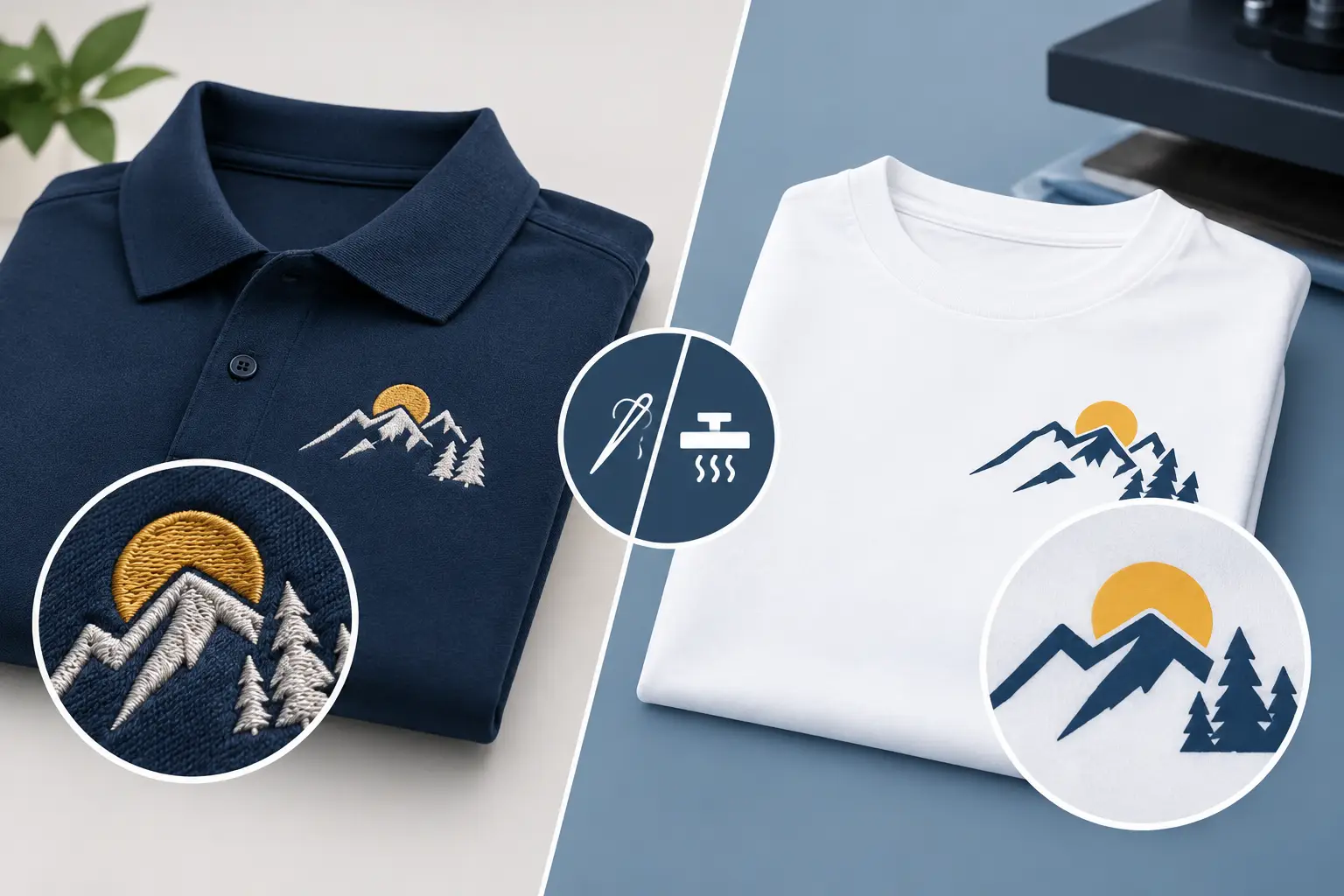
Screen printing is an excellent choice for bold artwork and solid colors, particularly when ordering in volume. It produces durable, high-impact results but works best with clean, separated colors rather than highly detailed photographic effects. Heat transfer can suit certain logos and full-color graphics, while direct-to-garment printing may be appropriate for detailed, lower-quantity artwork on compatible fabric.
Your decoration method should follow the artwork and order requirements, not the other way around. Fine lines, small type, gradients, and tiny logo details can lose clarity on textured fabric. A production partner should review the design before manufacturing and recommend adjustments that preserve the original brand intent.
For reliable results, submit vector artwork whenever possible. Keep text readable, avoid placing critical design elements too close to seams, and request a digital layout approval that shows the print size and placement. If the artwork includes licensed logos, partner brands, or sponsor marks, obtain approval before the order moves into production.
Build the Order Around Real Production Requirements
A successful tote bag order is managed through clear specifications, not assumptions. Procurement teams should confirm quantity by delivery location, artwork versions, bag colors, print colors, packing requirements, and the required in-hand date. If your program includes multiple departments, campuses, branches, or event sessions, separate quantities early rather than trying to divide stock after delivery.
Lead time should include more than the printing stage. Artwork preparation, sample approval, material sourcing, manufacturing, decoration, quality control, packing, and shipping all need space in the schedule. Rush production can be possible in some situations, but it may limit fabric choices, decoration options, or customization details. Planning ahead gives your organization more control over quality and cost.
Use a pre-production sample when the tote is a major campaign asset, a premium gift, or a first run with a new construction. A sample lets you review the fabric feel, handle comfort, print scale, color appearance, and finishing before approving the full quantity. For repeat orders, maintain an approved specification sheet so the bag can be reproduced consistently.
A Practical Approval Checklist
Before production begins, make sure the order confirms these essential points:
- Finished bag size, fabric type, fabric color, and construction details
- Handle style, handle length, gusset, pockets, zippers, or other added features
- Print method, print location, artwork size, and approved print colors
- Total quantity, packing instructions, delivery locations, and required delivery date
- Sample or digital artwork approval, plus the correct contact for final sign-off
This level of detail is not bureaucracy. It is how organizations avoid avoidable reprints, late changes, and brand inconsistencies.
Make the Tote Part of a Larger Brand Experience
A branded tote performs best when it belongs to a complete program. Pair it with custom T-shirts for a company day, team jerseys for a tournament, notebooks and drinkware for a conference, or curated premium gifts for client appreciation. Matching colors, typography, and decoration quality across these items makes the entire experience feel intentional.
Green Cotton supports this process from concept development through bulk production, helping organizations coordinate tote bags with uniforms, apparel, and promotional merchandise under one consistent specification. That reduces the risk of fragmented branding across multiple suppliers and gives your team one accountable production partner.
The bag itself can also carry a useful message beyond your logo. A thoughtful event graphic, an employee pride statement, or a design connected to a community initiative gives people a reason to keep it. Keep the message specific, credible, and relevant to the recipient.
A tote bag should never feel like leftover event inventory handed out at the door. Specify it as a product people will want to keep, and it can carry your identity far beyond the moment it was distributed.