
A branded polo that fades after two washes, a jersey run with inconsistent sizing, or event shirts delivered after the event can turn a straightforward order into an expensive problem. The best custom apparel manufacturer is not simply the supplier with the lowest quoted unit price. It is the production partner that can translate your brand requirements into accurate, repeatable apparel and deliver it when your organization needs it.
For HR teams, procurement managers, marketing departments, schools, and event organizers, the decision affects more than clothing. Uniforms shape how staff appear to customers. Teamwear influences pride and participation. Promotional merchandise carries your name long after a campaign ends. Choosing well means balancing garment quality, decoration capability, communication, lead time, and total order value.
What Makes the Best Custom Apparel Manufacturer?
A dependable manufacturer starts by asking the right questions. What will the apparel be used for? Who will wear it? How often will it be washed? Does the design need fine detail, bright all-over color, or a premium embroidered finish? These details determine the right garment, fabric, printing method, and production plan.
The strongest suppliers do not force every project into the same standard T-shirt and one-color print. They offer practical choices, then explain the trade-offs. A lightweight cotton shirt may suit a casual campaign, while a moisture-wicking performance fabric is better for an outdoor team. Embroidery gives polos, caps, and workwear a polished, durable look, but it may not be the right choice for large, highly detailed artwork. Sublimation produces vivid, permanent designs on suitable polyester garments, while screen printing can offer excellent value for high-volume orders with straightforward artwork.
Just as important, the manufacturer should be able to manage the full process. That includes garment sourcing or custom production, sizing, color selection, artwork preparation, decoration, quality checks, packing, and delivery coordination. When these moving parts are handled by separate vendors, accountability becomes unclear. A full-service partner keeps specifications aligned from approved concept to finished cartons.
Start With the Job the Apparel Must Do
Before requesting quotes, define the operating purpose of the order. “We need 500 shirts” is a starting point, not a complete brief. A clear use case helps the manufacturer recommend products that perform as expected and prevents costly revisions later.
For example, a restaurant group may need uniforms that feel comfortable through long shifts, withstand frequent laundering, and separate front-of-house from kitchen staff through color or garment style. A corporate event may prioritize visual impact, size availability, and delivery to a fixed date. A school sports team may need breathable jerseys, player names, numbers, and a replacement plan for late registrations.
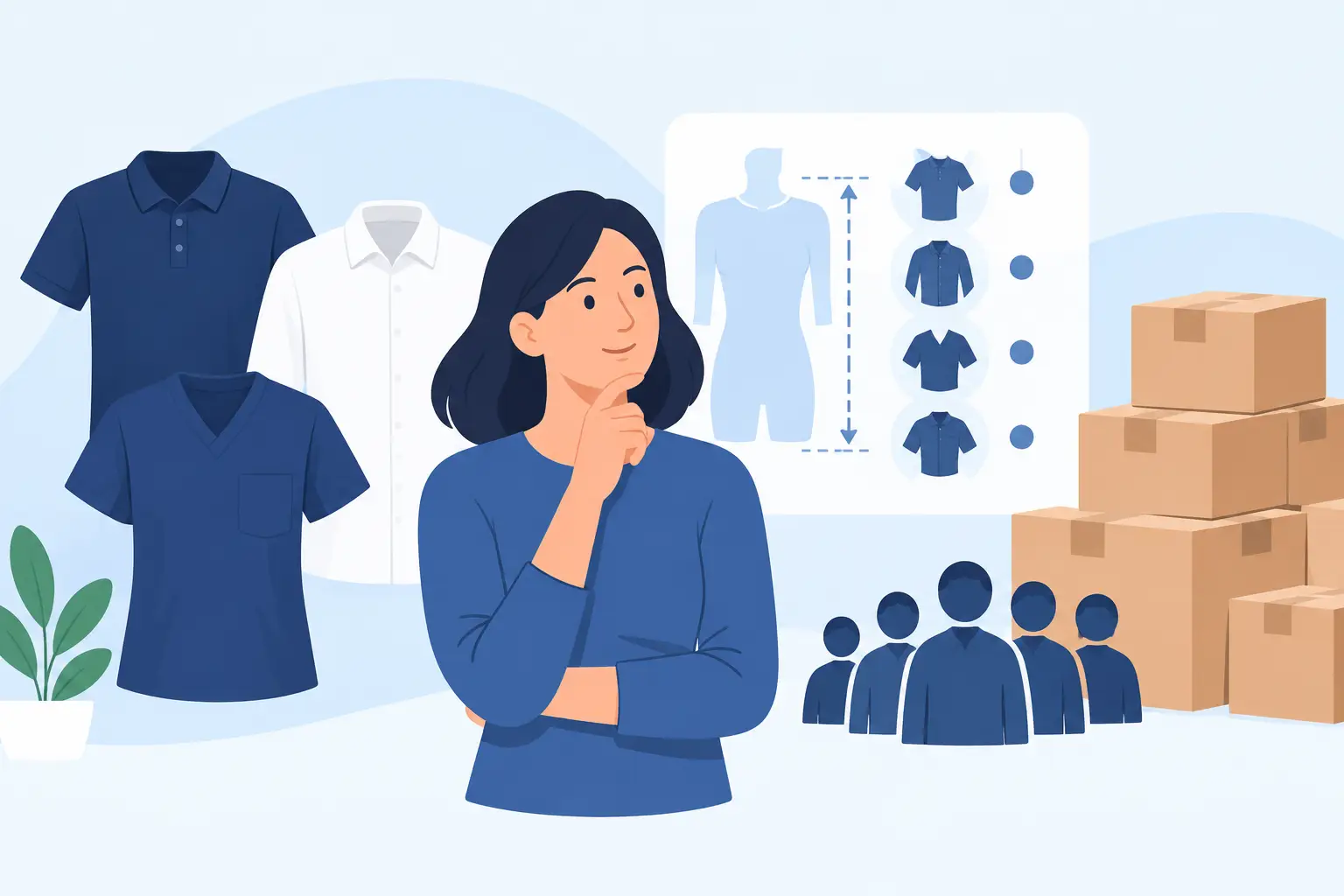
Your brief should cover the audience, expected wear conditions, quantity by size, required delivery date, brand colors, decoration locations, and any individual personalization. If there are multiple departments, campuses, or event groups, say so early. This allows production to build a workable plan rather than treating essential details as last-minute changes.
Fabric Is a Performance Decision
Fabric affects comfort, durability, print results, and perceived value. Cotton is familiar, comfortable, and well suited to many casual uniforms and promotional T-shirts. Cotton blends can add structure and durability while helping garments keep their shape. Polyester and performance fabrics are often better for sportswear, active teams, and jobs where quick drying matters.
There is no universally best fabric. A premium heavyweight cotton tee can communicate quality for retail merchandise, but it may feel too warm for a field crew. A lightweight performance polo may be ideal for a golf day, but not match the formal look expected in a reception area. Ask for fabric weight, composition, care guidance, and samples or swatches when the order is significant.
Decoration Method Must Match the Artwork
A logo that looks sharp on a screen may require adjustments for embroidery or small-scale printing. Fine lines, gradients, and tiny text need careful review before production. A responsible supplier will flag risks instead of producing a result that technically follows the file but fails in real use.
Screen printing is efficient for bulk runs and bold designs. Direct-to-garment printing can suit detailed, full-color artwork on compatible garments, especially where smaller quantities are needed. Heat transfer is useful for names, numbers, and variable data. Sublimation is a strong option for all-over sportswear graphics because the design becomes part of the fabric rather than sitting on top of it. Embroidery remains a trusted choice for corporate uniforms, caps, bags, and premium gifts.
The right question is not “Which method is best?” It is “Which method gives this design the right appearance, durability, and cost at our quantity?”
How to Evaluate a Custom Apparel Manufacturer Before Ordering
A polished quote alone does not prove production capability. Ask practical questions that reveal how the supplier controls quality and manages deadlines. The answers should be clear, specific, and matched to your project rather than vague assurances.
Look for these five signs of a capable manufacturing partner:
- Detailed specifications: The supplier confirms garment style, fabric, color, size breakdown, artwork placement, decoration dimensions, and finishing details in writing.
- Artwork review and approval: You receive a production-ready visual or sample approval process before bulk work begins.
- Relevant decoration capability: The manufacturer can recommend and execute the printing, embroidery, sublimation, or heat-transfer method your project requires.
- Quality control checkpoints: There is a defined process for checking color, placement, sizing, workmanship, and quantity before dispatch.
- Realistic lead times: The delivery promise accounts for artwork approval, material availability, production capacity, packing, and shipping rather than only machine time.
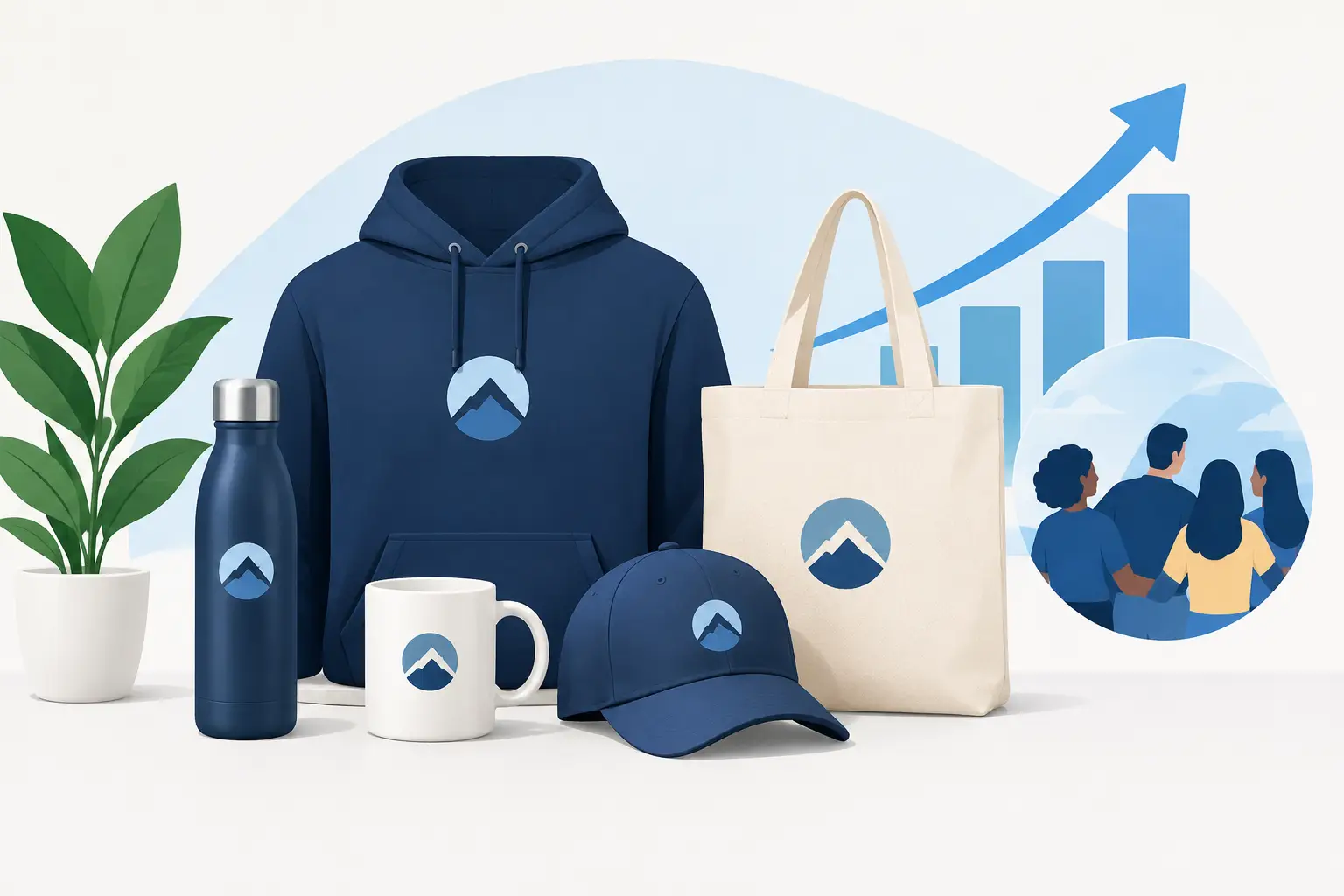
It also helps to understand where responsibility sits if something changes. Can the supplier manage custom-dyed fabric, personalized labels, individual names, or branded accessories? Can it consolidate shirts, caps, tote bags, travel bags, and corporate gifts in one coordinated order? For organizations managing several branded items at once, this capability reduces administrative work and helps maintain a consistent identity across every item.
Price Matters, but Total Value Matters More
Comparing unit prices without comparing specifications is one of the fastest ways to make a poor buying decision. One quote may include a heavier fabric, larger print area, individual packing, and embroidery backing, while another covers only a basic garment and a smaller decoration. Neither is automatically wrong, but they are not equal products.
Request quotes against the same brief and review what is included. Check minimum order quantities, setup charges, color limits, personalization costs, sample fees, revisions, packaging, and delivery. If a price appears unusually low, ask what has been simplified. It may be a sensible adjustment, or it may be a compromise in fabric quality, print durability, or production control.
The best value often comes from choosing the right specification the first time. A slightly higher investment in a durable uniform can reduce replacement needs. A well-made promotional item may remain useful longer and deliver more impressions than a low-cost giveaway. For large orders, consistency is especially valuable because a small mistake repeated across hundreds of pieces becomes costly quickly.
Protect the Timeline With Earlier Decisions
Custom apparel production has dependencies. Artwork cannot be finalized until garment colors and decoration methods are confirmed. Bulk manufacturing cannot proceed responsibly until sizes, quantities, and approvals are complete. Personalized orders need extra control because each name or number must match the correct garment.
Build time into your schedule for internal approvals. Marketing may need to approve logo usage, HR may need to validate size ranges, and event teams may still be collecting attendee data. Give the manufacturer one approved point of contact whenever possible. This keeps instructions consistent and prevents conflicting changes from slowing production.
For repeat programs, keep approved artwork, color references, garment specifications, and size data on file. A manufacturer such as Green Cotton can support this kind of structured production approach across uniforms, teamwear, promotional apparel, bags, and premium gifts. The benefit is not simply faster reordering. It is brand consistency across locations, campaigns, and future events.
Choose a Partner That Treats Your Identity as a Deliverable
Your logo is not just decoration. It represents the standards customers, employees, students, and partners associate with your organization. That is why the right manufacturer pays attention to details that may seem small at the quotation stage: thread color, print positioning, collar construction, size labeling, garment folding, and carton identification.
A strong apparel partner will guide you toward the appropriate solution, document what has been agreed, and take ownership of producing to that standard. Bring a complete brief, ask direct questions, and choose the supplier that demonstrates control over the details. When the finished apparel reaches your people, it should feel like your brand was made for them.