
A missed size breakdown, a logo stitched in the wrong thread color, and a delivery that lands after onboarding day – that is how a uniform order becomes a business problem. Choosing the right bulk corporate uniform supplier is not just about getting shirts made at scale. It is about protecting brand standards, keeping teams presentable, and making sure procurement runs without avoidable rework.
For HR teams, operations managers, and procurement buyers, the stakes are practical. Uniforms need to fit different roles, climates, and work conditions. They need to hold up after repeated washing. They need to match brand guidelines closely enough that every branch, department, or event team looks consistent. When volume increases, those details matter more, not less.
What a bulk corporate uniform supplier should actually handle
A capable supplier should do more than quote a unit price. At bulk level, the job starts earlier and runs deeper. You need support on garment selection, fabric suitability, sizing structure, branding method, sampling, production planning, and delivery coordination.
That matters because a corporate uniform is rarely one product. A front desk team may need polos, button-downs, jackets, and name embroidery. Warehouse staff may need durable workwear in a different fabric and fit. Sales teams may need event apparel that still aligns with the main brand identity. If your supplier can only process simple repeat orders, your internal team ends up carrying the complexity.
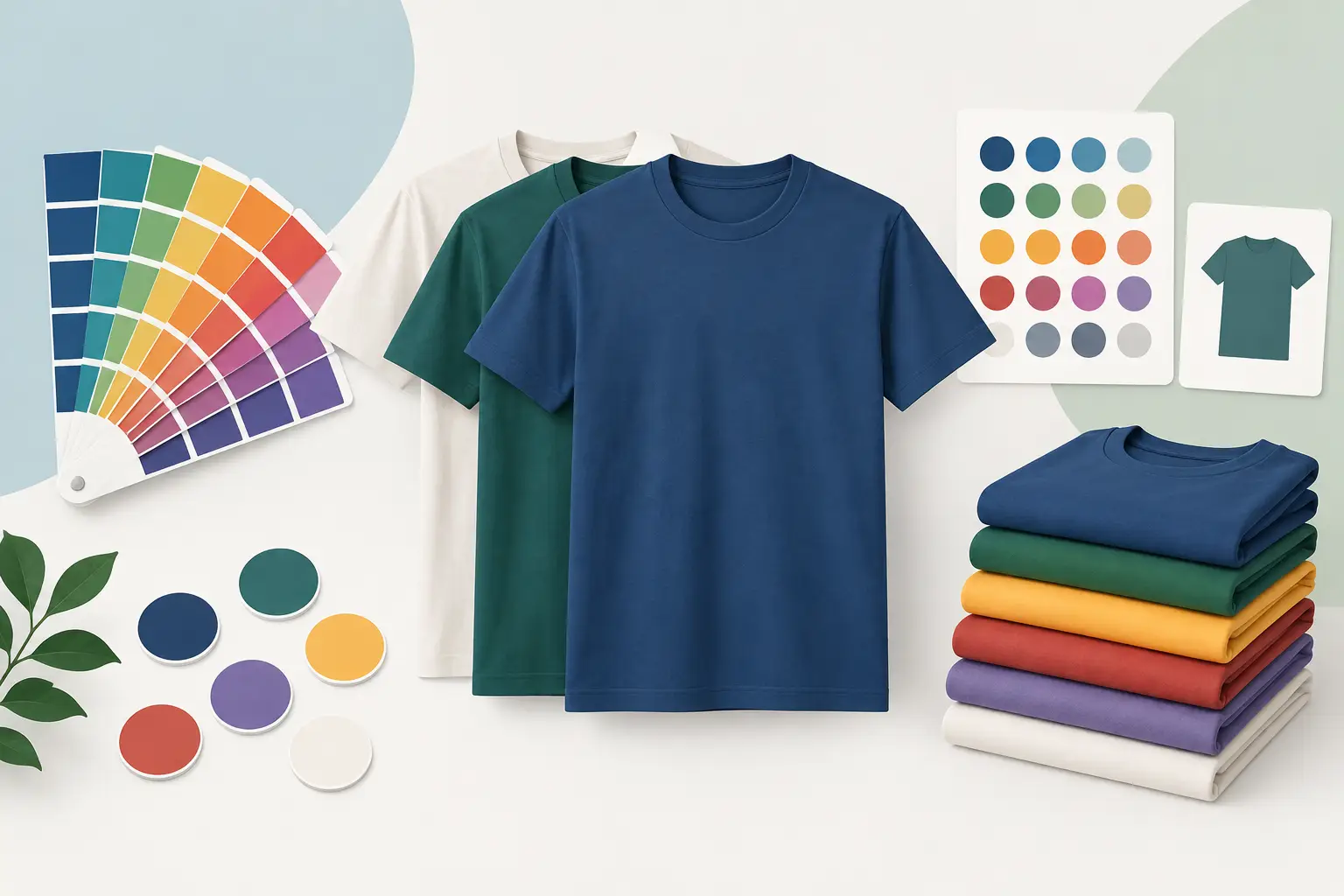
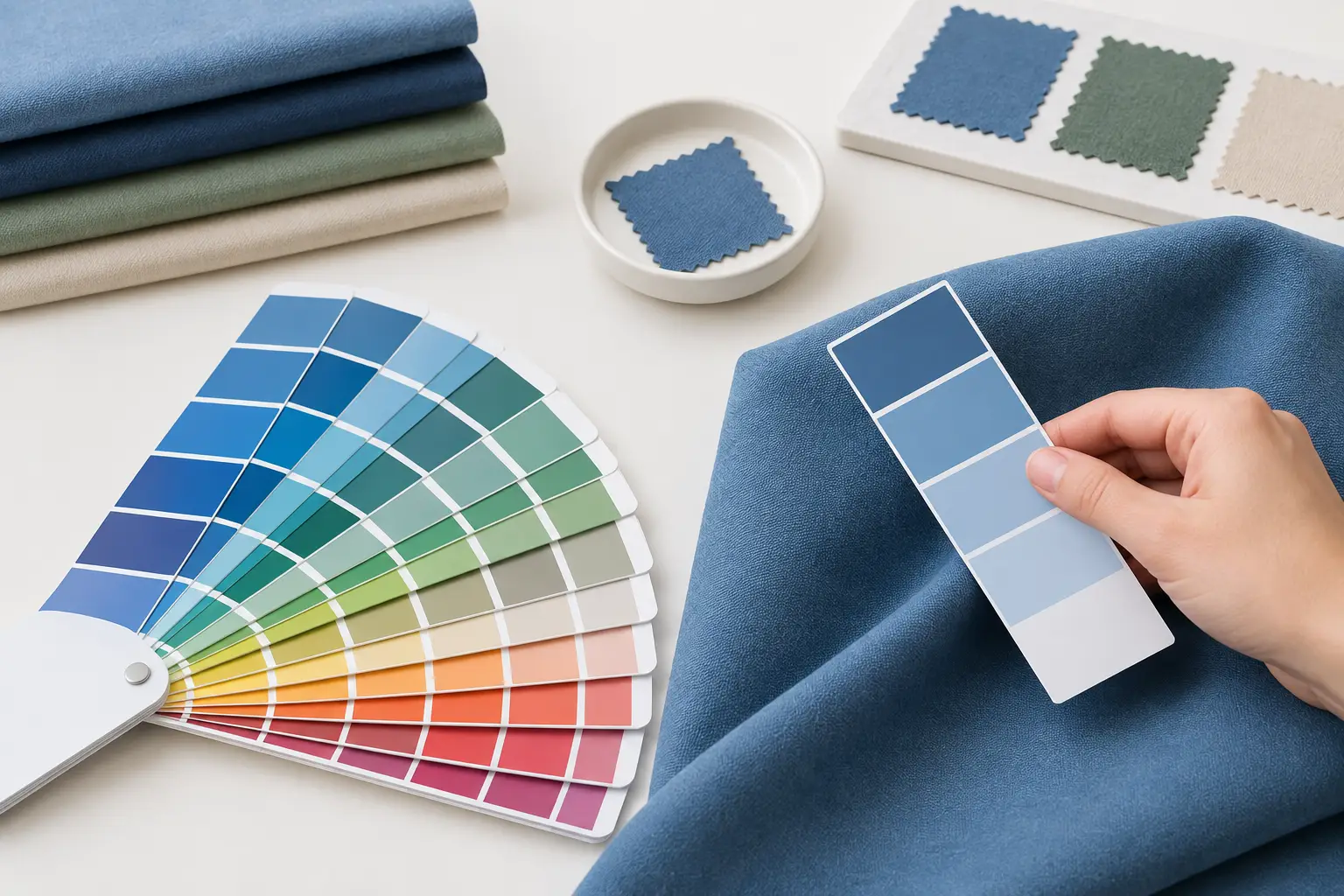
A stronger production partner helps translate brand requirements into manufacturable specifications. That includes color matching, placement consistency, trim details, and decoration methods that suit both the garment and the workload. It also means identifying issues early, before they become expensive at scale.
How to evaluate a bulk corporate uniform supplier
The easiest mistake is choosing based on price alone. Unit cost matters, but bulk apparel is full of hidden variables. A lower quote can lead to thinner fabric, inconsistent sizing, slower communication, or avoidable replacements. The better question is whether the supplier can deliver the order accurately, on schedule, and at the quality level your team expects.
Fabric and garment suitability
Not every uniform should be made from the same base material. Office-facing apparel usually prioritizes presentation, comfort, and easy care. Field and industrial uniforms often need durability, breathability, stain resistance, or heavier construction. Event apparel may lean toward lightweight, cost-efficient options that still carry strong branding.
A good supplier will walk you through those trade-offs. Cotton-rich garments may feel better and present well, but they can behave differently from performance blends in heat, moisture, and wash cycles. Polyester blends can offer color retention and shape stability, but they may not suit every role or brand expectation. The right answer depends on how the garment will actually be worn.
Decoration method and logo quality
Your logo is where buyers notice quality first. Embroidery gives a premium, durable finish, especially on polos, shirts, caps, and outerwear. Screen printing works well for bold graphics in larger quantities. Heat transfer and direct-to-garment can make sense in specific cases, especially when design complexity or order mix changes the economics.
There is no universal best method. Small chest logos on structured garments often suit embroidery. Large back prints usually point toward print methods. If a supplier pushes one technique for every project, that is usually a limitation in capability, not a strategic recommendation.
Sizing accuracy at scale
Sizing is one of the biggest friction points in uniform procurement. It is not enough to offer S through XXL. You need size consistency across batches, fits that reflect your workforce, and a supplier that can guide measurement standards before bulk production begins.
This is where samples, size sets, and clear approval steps earn their value. A cheap order with high exchange rates is not a saving. It creates admin work, delays team rollout, and weakens confidence in the supplier.
Lead time and production control
Bulk uniforms are often tied to fixed deadlines – store openings, onboarding cycles, campaign launches, school terms, conferences, and corporate rollouts. A realistic lead time is better than an optimistic one that slips.
Ask how production is managed. Is decoration done in-house or outsourced? Are garments stocked, custom made, or a mix of both? How are approvals handled? What happens if one size or color faces a delay? Reliable suppliers answer these questions clearly because they already manage them every day.
Why customization matters in corporate uniforms
Uniform buying is often treated like a simple reorder exercise. In reality, customization is what turns apparel into a brand asset. The right supplier helps you choose details that improve both appearance and function, rather than just adding a logo to a standard garment.
That might include custom dyed fabric to match brand color more closely, contrast trims for department distinction, personalized accessories, role-based garment variations, or coordinated apparel across office, operations, and event teams. When done well, these choices create consistency without forcing every employee into the same unsuitable garment.
This is especially valuable for organizations managing multiple touchpoints. A receptionist, a driver, and a booth crew member represent the same company, but their uniform needs are different. Customization lets you keep one visual identity while matching the garment to the job.
Bulk orders succeed when specifications are clear
Most uniform issues trace back to vague approvals. A supplier can only produce accurately when the specification is complete. That includes garment style, fabric composition, color reference, logo size, placement, decoration method, size ratio, packaging needs, and delivery schedule.
The more locations or stakeholders involved, the more important this becomes. Procurement may approve pricing, marketing may own brand standards, HR may manage sizing, and operations may define performance requirements. If those inputs are not aligned early, the supplier receives conflicting priorities and the order becomes harder to control.
This is where an execution-focused partner adds real value. Instead of simply taking instructions, they help clarify the brief, flag conflicts, and structure approvals in a way that supports smooth production. That reduces revisions and shortens the path from concept to bulk manufacturing.
One supplier vs multiple vendors
Some organizations split uniforms across different vendors to chase category-specific pricing. Sometimes that works. More often, it creates inconsistency in shade, branding, fit logic, and delivery timing.
Working with one supplier across apparel categories usually gives you stronger control. It is easier to standardize thread colors, logo proportions, fabric references, and packaging requirements. It also simplifies communication when you need polos, T-shirts, jackets, caps, tote bags, or event merchandise under the same brand system.
The trade-off is that the supplier must genuinely be able to support that breadth. If they offer variety but lack production discipline, consolidation becomes a risk instead of an advantage. The right partner combines range with operational control.
What experienced buyers ask before placing the order
Serious buyers tend to move past surface-level questions quickly. They ask to review samples. They confirm whether branding methods are chosen based on garment performance or just convenience. They check how repeat orders are matched to previous production. They want to know who owns quality checks and what happens if delivered goods do not meet approved specs.
Those questions are not about being difficult. They are about reducing downstream problems. Uniforms touch employees directly and represent the business publicly. If something goes wrong, the cost is not limited to replacement garments. It shows up in delays, complaints, inconsistent presentation, and extra coordination across teams.
That is why dependable production matters more than impressive sales language. Buyers need a supplier that can move from concept to sample to scale with control. At Green Cotton, that is the standard we build around – tailored production, specification accuracy, and delivery timelines you can plan around.
The best supplier is the one that makes repeat orders easier
Your first order matters, but your second and third orders reveal the real quality of the relationship. Can the supplier reproduce the same color standard? Can they maintain sizing consistency? Can they support new branches, new hires, and seasonal updates without rebuilding the process from scratch?
That is the real test of a bulk corporate uniform supplier. Not just whether they can manufacture apparel, but whether they can become a stable extension of your brand operations.
If your team is evaluating options, look for the partner that asks better questions, manages details carefully, and treats your brand identity like a production responsibility. The right uniform program should make your business look more organized long before anyone notices the logo.