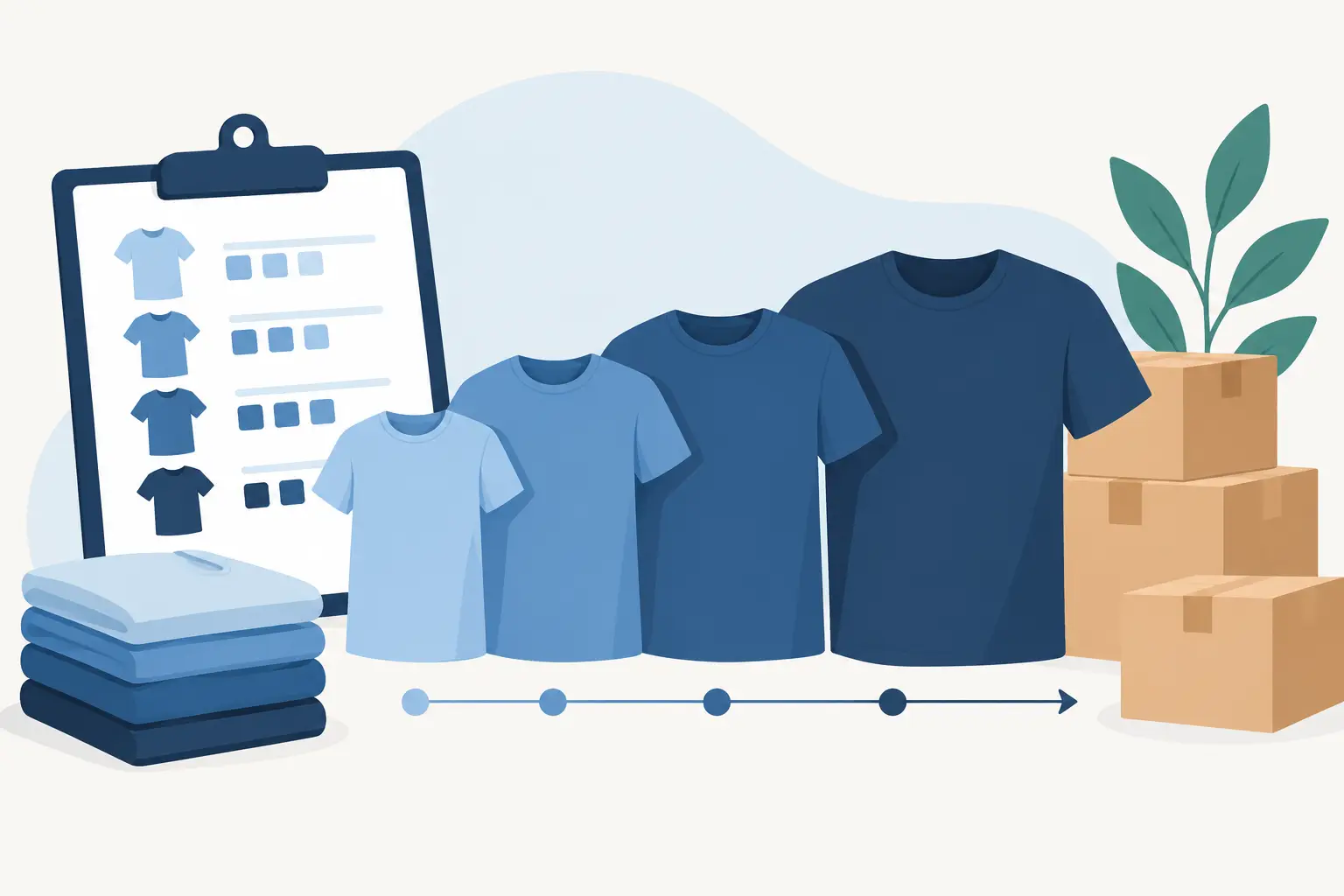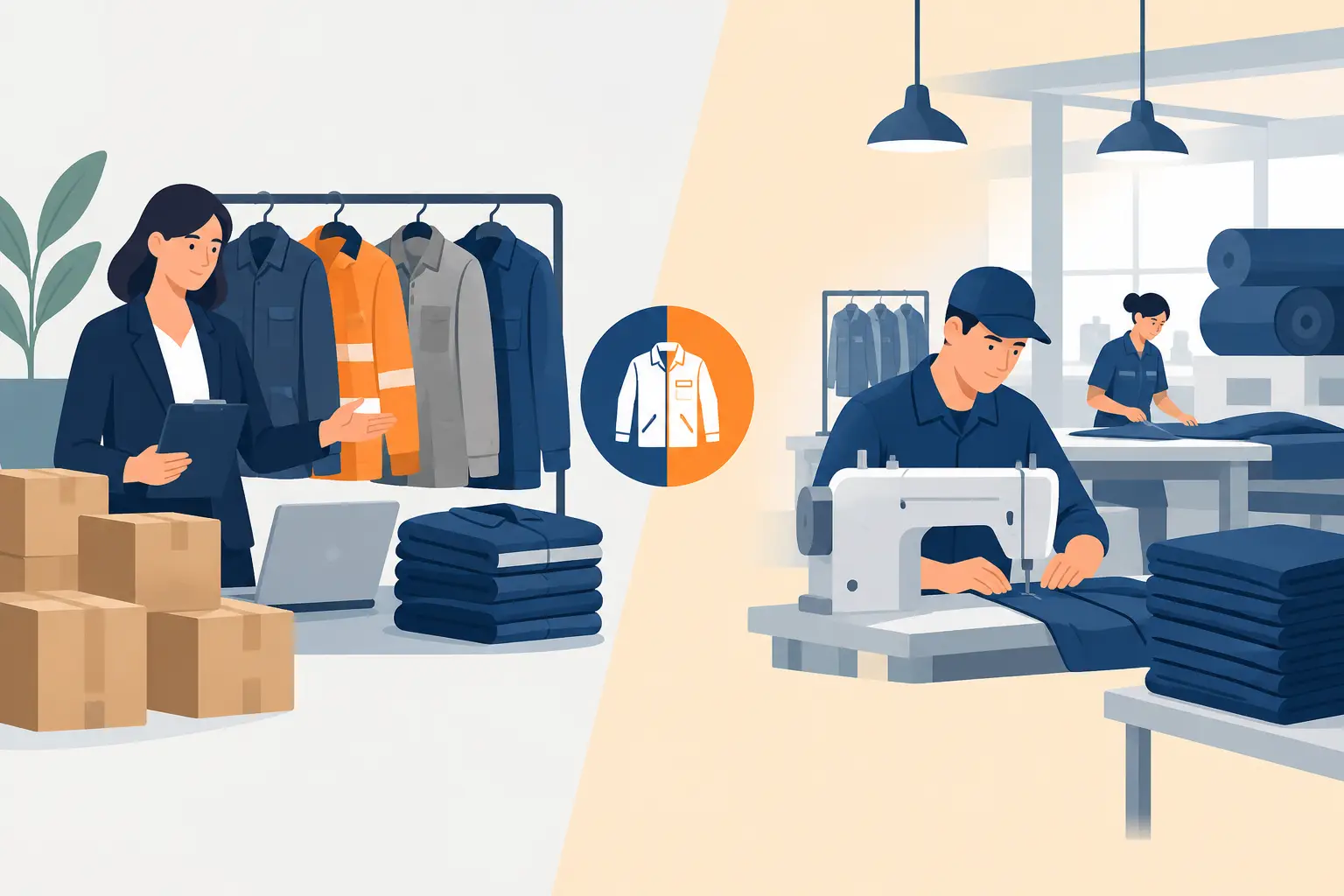

A new hire’s first day is full of signals. Is the company organized? Does the team take pride in its work? Will they feel like they belong here? Custom employee welcome kits answer those questions before the first orientation session ends. When the apparel, gifts, and packaging feel considered, employees see that the organization has made room for them.
For HR, procurement, and operations teams, the challenge is not simply choosing branded items. It is building a kit that represents the business accurately, fits the role, arrives on time, and stays practical at scale. The strongest welcome kits are not overloaded with giveaways. They are useful, consistent, and made to support a confident start.
Why custom employee welcome kits matter
A welcome kit is a physical extension of your employer brand. It gives a new employee something tangible to wear, carry, and use while they learn the culture, meet their colleagues, and settle into their role. For customer-facing teams, it also establishes a professional standard from day one.
A branded polo shirt or workwear set creates visual consistency. A quality tote or travel bag helps employees carry daily essentials. A notebook, drinkware item, or desk accessory can make a workstation feel prepared rather than temporary. These details may appear small, but together they communicate that your organization values preparation and presentation.
There is also an operational benefit. Standardized kits reduce last-minute scrambling when new employees join. Instead of sourcing a shirt from one supplier, a bag from another, and printed materials elsewhere, your team can work from an approved kit specification. That makes budgeting, reordering, and maintaining brand standards much easier.
Start with the employee’s actual workday
The best kit begins with a simple question: what will this person need during their first 30 days? The answer changes by role, location, and working environment.
A retail, hospitality, or field-service employee may need branded uniforms that are comfortable through long shifts, easy to care for, and available in a full size range. A corporate employee might benefit more from a polished polo, a laptop-friendly tote bag, and useful desk items. Event crews and temporary teams often need a clear visual identity, lightweight apparel, and accessories that can be distributed quickly on-site.
Avoid choosing products only because they look impressive in a presentation. A heavy jacket may be a poor fit for a warm workplace. A premium leather item may not make sense for a high-volume seasonal hiring program. The right choice depends on use, budget, expected wear, and the message your company wants to send.
Build around one anchor item
For most organizations, the anchor item is branded apparel. A custom T-shirt provides a relaxed, approachable look for onboarding days, team activities, and internal events. Polo shirts tend to suit client-facing, corporate, and operational teams that need a more polished uniform. For demanding environments, purpose-built workwear may be the better investment.
Choose fabric and decoration methods with the garment’s purpose in mind. Embroidery creates a refined, durable finish on polos, caps, and uniform pieces. Screen printing works well for bold artwork and larger-volume orders. Heat transfer and direct-to-garment printing can support detailed graphics or more flexible design needs. Sublimation is particularly effective for all-over teamwear and vivid, integrated designs.
The goal is not to use the most elaborate decoration method. It is to select the method that gives your logo the right finish, durability, and value for the intended item.
What to include in an employee welcome kit
An effective welcome kit typically combines identity, utility, and a small personal touch. It should feel complete without becoming difficult to store, ship, or replenish.
Consider these core categories when planning your kit:
- Branded apparel: T-shirts, polo shirts, jackets, caps, or role-specific workwear that employees can wear with confidence.
- Carry items: Tote bags, travel bags, or laptop-friendly bags that keep the kit useful beyond the first day.
- Daily-use merchandise: Drinkware, notebooks, pens, lanyards, umbrellas, or accessories selected for the employee’s work setting.
- Onboarding materials: A welcome note, policy guide, team introduction, or first-week schedule prepared by HR.
- Personalized details: An employee name, department identifier, or role-specific item where the program and budget justify it.
Personalization can make a kit feel more meaningful, but it requires tighter production control. Names, individual sizes, and department variations must be collected early and checked carefully. For large hiring waves, a standardized kit with size-based apparel packs may offer a more reliable turnaround. For leadership hires, long-service awards, or smaller teams, individually personalized pieces may be worth the added effort.
Create a kit system, not a one-time order
The most successful programs are designed for repeatability. Rather than ordering a new mix of items whenever someone joins, establish a kit system with approved products, artwork files, colors, size ranges, and packaging rules. Your team then has a clear reference for future orders.
Start by defining two or three kit levels. For example, a standard new-hire kit can cover most employees, while a field-team kit includes required uniform pieces and a manager kit adds a premium gift or travel item. This approach controls costs while giving each group what it genuinely needs.
Keep your brand guidelines close to the production process. Logo placement, thread colors, print colors, garment shades, and label requirements should be documented before manufacturing begins. If your company uses specific brand colors, consider whether stock garments are close enough or whether custom-dyed fabric is needed for a more exact result. Stock options are usually faster and more cost-effective. Fully custom apparel gives greater control, but requires more planning and may involve higher minimum quantities.
Packaging deserves the same attention. A clean, well-organized box or bag makes distribution easier and protects the items inside. It does not need to be extravagant. It needs to fit the kit, carry the right visual identity, and make the new hire feel expected.
Plan production around the details that cause delays
Welcome kit timelines are often affected by information gaps, not manufacturing alone. Missing size data, unapproved artwork, unclear logo positions, and changing item quantities can delay an otherwise straightforward order.
Before production, confirm the final item list, quantities by size, decoration locations, color references, delivery date, and packaging requirements. If hires are starting in stages, decide whether to produce all kits at once or schedule batch deliveries. A full production run can improve consistency and purchasing efficiency, while smaller batches may reduce storage needs and help accommodate changing headcount.
It is also wise to order a modest number of spare apparel pieces in common sizes. New hires may need exchanges, late additions can happen, and a replacement process should not require starting a new production run for one item. The right spare quantity depends on team size and turnover, but planning ahead protects the onboarding experience.
Quality control is part of the welcome
Employees notice when a shirt fits poorly, a print is off-center, or a bag zipper fails during the first week. Those issues do more than create inconvenience. They weaken the message the kit was meant to send.
Ask for clear specifications and product samples when the program is new or the order is substantial. Review garment sizing, fabric feel, logo scale, print quality, embroidery density, and packing order before the full run is released. A capable production partner should guide these decisions, flag potential issues early, and maintain quality checks throughout manufacturing.
At Green Cotton, this is where end-to-end customization matters. Apparel, bags, and premium gifts can be coordinated through one production workflow, with decoration methods and specifications matched to the purpose of each item. Your identity is not a detail to add at the end. It is the standard the entire kit should meet.
Make the first handoff count
How the kit is delivered matters almost as much as what is inside. A manager handing over a prepared kit with a short welcome message creates a far better moment than a box left on an empty desk. For remote employees, use a shipping-ready format that protects apparel, keeps items organized, and includes clear instructions for any uniform or equipment items.
Do not treat the kit as a substitute for thoughtful onboarding. It is a supporting tool. Pair it with a clear first-day plan, introductions, access to the right resources, and a manager who is ready to welcome the person. The merchandise establishes pride and consistency; the experience around it builds trust.
A well-made welcome kit tells a new employee, without overexplaining it, that your organization is prepared for their contribution. Choose items people will use, specify every detail, and produce each piece to a standard your team will be proud to wear.