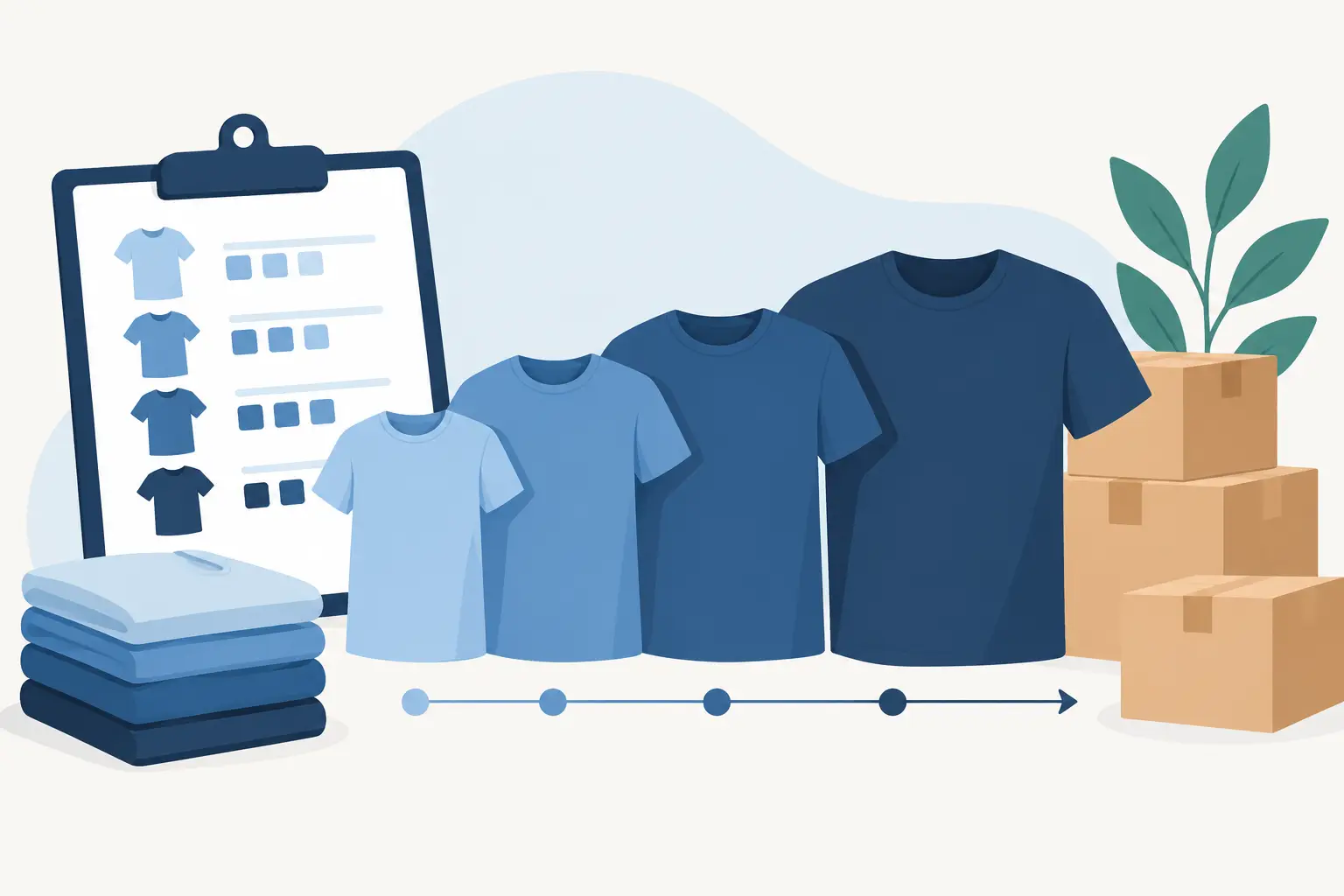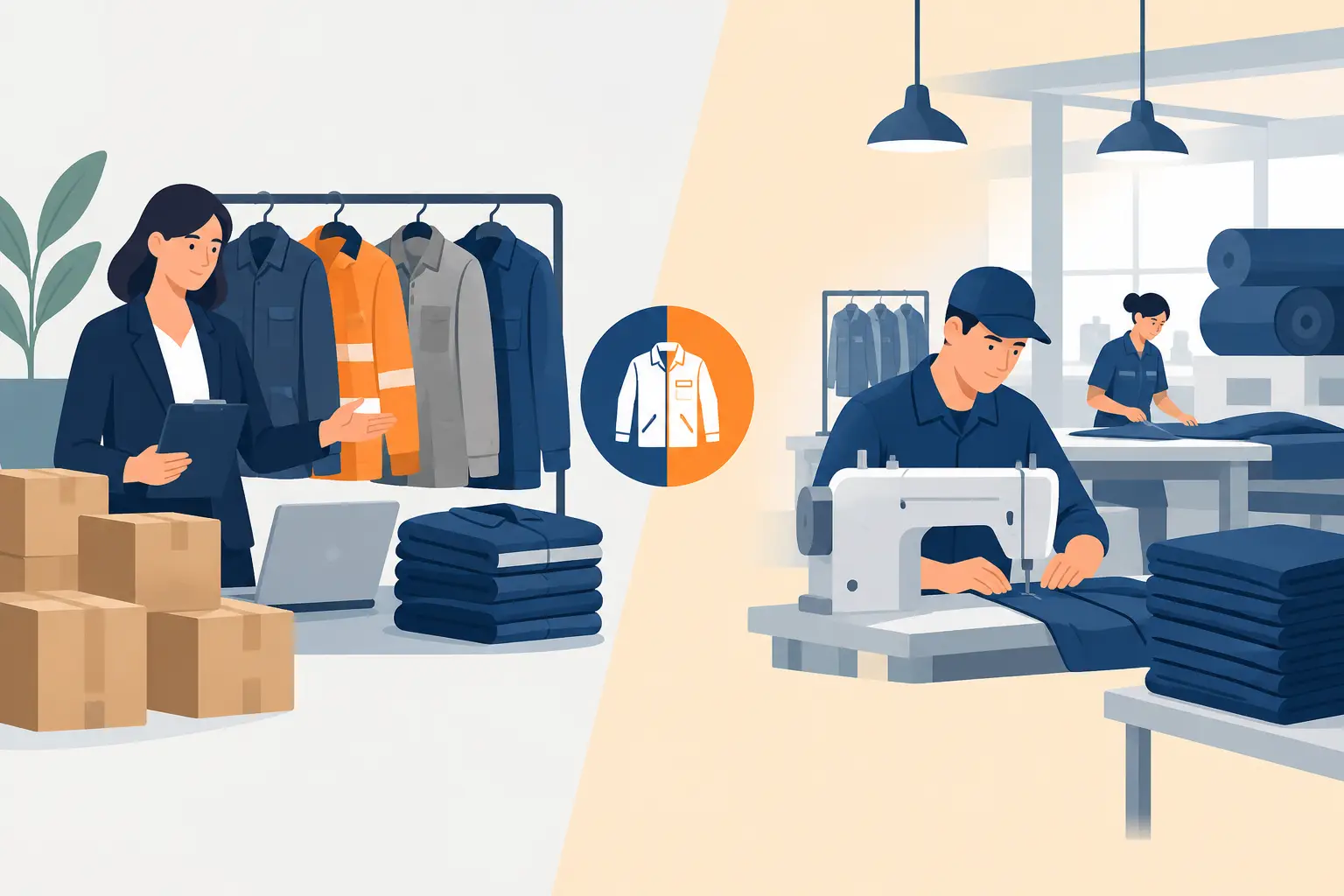

A logo that looks sharp on a single sample can lose its impact across 300 shirts if thread colors shift, placement moves, or the garment does not hold its shape. That is why choosing an embroidered uniforms supplier is not simply a purchasing task. It is a production decision that affects how customers, employees, guests, and partners recognize your organization.
For HR teams, procurement managers, school administrators, and event coordinators, the goal is straightforward: uniforms should arrive on time, fit the people wearing them, and represent the brand correctly from the first piece to the last. Getting there requires more than selecting a polo shirt and sending over a logo file. It requires a supplier that can manage specifications, decoration quality, sampling, and bulk fulfillment with clear accountability.
What an Embroidered Uniforms Supplier Must Control
Embroidery gives uniforms a durable, premium finish. It is especially effective for corporate polos, hospitality apparel, work shirts, jackets, caps, and school uniforms because the design becomes part of the garment rather than sitting on top of it. But embroidery also has technical limits. A supplier should be able to explain those limits before production begins, not after a large order has been completed.
The first area is logo digitization. Your original artwork, whether it is an AI, EPS, PDF, PNG, or JPEG, must be translated into a stitch file that tells the embroidery machine how to build the design. This process determines stitch direction, density, underlay, thread changes, and the sequence of colors. Poor digitization can create gaps, puckering, uneven lettering, or a logo that feels stiff and bulky.
The second is garment compatibility. A finely detailed logo may stitch beautifully on a structured cotton pique polo but perform differently on a lightweight performance fabric, stretch material, fleece, or a cap panel. The supplier should recommend appropriate backing, stabilizers, needle settings, and embroidery size for the selected garment. This is where manufacturing knowledge protects your budget. Forcing one design treatment onto every fabric can lead to avoidable rework.
The third is placement consistency. A chest logo that sits too high, too low, or too close to a placket is immediately noticeable when a team stands together. Placement should be measured from defined garment points, documented on an approval sheet, and checked throughout production. The same discipline applies to sleeve embroidery, back neck details, cap fronts, and name personalization.
Start With the Uniform’s Job, Not the Decoration Method
The best uniform program begins with the work people will do while wearing it. A front-desk team may need polished polos or button-down shirts that hold their shape through long shifts. A warehouse crew may need durable workwear with practical pockets and high-visibility options. A sports team may need breathable jerseys that manage movement and heat. An event crew may prioritize fast identification, bold color, and a garment that can be reused after the event.
Embroidery is often the right choice for a logo, but it is not automatically the right choice for every design or location. Large artwork with gradients, photographic effects, or extensive fine text may be better suited to screen printing, heat transfer, sublimation, or direct-to-garment printing. A capable supplier will guide you toward the method that gives the best visual result on the chosen fabric, rather than steering every request toward a single decoration process.
This is also the point to decide whether your program needs a standard off-the-shelf garment, a custom color, or fully custom-made apparel. Stock garments can be faster and more economical for time-sensitive orders. Custom manufacturing gives greater control over fabric, fit, collar construction, trim, color matching, labels, and accessories, but it requires more planning. Neither route is universally better. The right option depends on quantity, deadline, budget, and how distinct the uniform needs to be.
Ask for Specifications You Can Approve
Clear specifications prevent most uniform-order problems. A verbal description such as “navy polo with a white logo” leaves too much open to interpretation. A production-ready brief gives the supplier a standard to meet and gives your internal team confidence when approving the order.
At minimum, confirm the garment style, fabric composition, fabric weight where relevant, color reference, size range, logo location, embroidery dimensions, thread colors, and quantity by size. If your order includes multiple departments or locations, identify which variations apply to each group. For example, managers may need embroidered names, maintenance staff may need a different sleeve mark, and event volunteers may require a temporary role identifier.
A physical sample or pre-production approval is particularly valuable for large orders, new logos, custom garments, and detailed embroidery. Digital mockups help with layout, but they cannot fully show thread texture, fabric tension, logo scale, or how a color appears under normal lighting. Sampling adds time at the beginning of the project, yet it can prevent a much more expensive delay after production has started.
Watch the Details That Affect Brand Consistency
Small design choices can make a significant difference. Thread colors should be selected against the actual garment color, not only against a screen image. White thread on a pale gray polo may appear less defined than expected. A narrow typeface may need slight adjustment to remain readable when stitched. Very small text may need to be removed, enlarged, or replaced with a simplified logo mark.
Ask how the supplier handles thread charts and whether it can match approved brand colors closely. Exact color matching can vary by thread type, fabric texture, and lighting, so a practical supplier will set expectations honestly and provide options when an exact match is not possible. The objective is a uniform that looks consistent in real use, not a digital proof that looks perfect on a monitor.
Evaluate Production Capability Beyond the Quote
Price matters, especially when ordering for a growing workforce or a multi-site organization. However, the lowest unit price can become costly if the supplier cannot maintain quality, misses a critical deadline, or sends garments with incomplete size assortments. Compare quotes based on the full scope of work: garment quality, digitization, embroidery stitch count, personalization, packing, sampling, quality checks, and delivery schedule.
Ask practical questions about capacity. Can the supplier handle your current volume and repeat orders? How are approvals documented? What happens if a logo needs to be revised? Is there a quality-control process for embroidery defects, incorrect placement, loose threads, stains, or size sorting errors? The answers reveal whether you are dealing with a vendor that processes orders or a production partner that manages outcomes.
Turnaround time should also be discussed in stages. Artwork approval, garment sourcing, sample approval, embroidery setup, bulk production, quality inspection, and shipping all require time. A dependable supplier will build a realistic schedule instead of promising an aggressive date without confirming stock, specifications, and production capacity. For launches, conferences, school openings, or seasonal hiring, build in an approval buffer. The final deadline is rarely the only deadline that matters.
Make Sizing and Reordering Easier for Your Team
Uniforms succeed only when people are willing and able to wear them. That makes sizing more than an administrative detail. Request a clear size chart and, where possible, fit samples for employees to try. Garment cuts vary between brands and product categories, so assuming that every medium fits the same can create unnecessary exchanges and frustration.
For mixed teams, consider inclusive size availability, separate men’s and women’s fits when appropriate, and fabric choices that suit different work environments. Keep approved specifications on file after the first order, including garment codes, color references, logo files, embroidery size, thread selection, placement measurements, and size breakdowns. This creates a reliable basis for onboarding orders, replacements, and future expansions.
Reorder readiness is one of the clearest signs of a well-managed uniform program. Your supplier should be able to reproduce the approved result without asking your team to rebuild the brief each time. If a garment is discontinued, the supplier should identify alternatives early and provide an approval path before making substitutions.
Choose a Partner That Takes Ownership
A quality embroidered uniform is the result of coordinated decisions: the right garment, a technically sound stitch file, accurate colors, consistent placement, dependable production, and final inspection. When those steps are managed as one process, your uniforms become a practical tool for recognition, professionalism, and team confidence.
Green Cotton supports organizations from garment selection and design guidance through embroidery, bulk production, quality control, and delivery. Bring a clear brief if you have one, or bring the challenge if you do not. The right production partner will help turn your brand standards into uniforms your team can wear with confidence.