
A new employee starts Monday. Your event is three weeks away. The school term is approaching fast. In each case, the question is the same: how long do uniform orders take? The practical answer is that timing depends on what you are ordering, how customized it needs to be, and how quickly your team can approve the details.
For a straightforward bulk order using available garments and a finalized logo, production can move quickly. A fully custom uniform program with selected fabrics, custom colors, multiple decoration placements, and detailed accessories needs more time. The fastest route is not cutting corners. It is getting the specifications right before production begins.
How Long Do Uniform Orders Take From Approval to Delivery?
Most uniform orders follow a sequence: product selection, artwork confirmation, sizing and quantity approval, decoration setup, production, quality control, packing, and shipping. An order using in-stock apparel with a simple print or embroidery placement may be completed in roughly one to three weeks after final approval. Larger or more detailed orders often require three to six weeks.
Fully custom-made garments generally need a longer production window. This is especially true when your order includes custom-dyed fabric, made-to-order sizing, sublimation jerseys, special trims, woven labels, personalized names and numbers, or several branded items packed together. For launches, annual staff renewals, conferences, and school programs, allowing six to eight weeks provides better planning room.
These are planning ranges, not one-size-fits-all promises. A supplier should confirm a production schedule after reviewing your exact garment, quantity, decoration method, and delivery location. At Green Cotton, specification accuracy is treated as part of delivery reliability. Your identity is our responsibility, and that starts before the first garment enters production.
What Determines Your Uniform Lead Time?
A uniform is rarely just a shirt with a logo. Every decision made before production affects the schedule, from fabric availability to the number of names that need to be added to jerseys.
Garment type and stock availability
Standard T-shirts, polo shirts, caps, and workwear in available colors can often move into decoration sooner than custom-built garments. If a requested style, color, or size range must be sourced or manufactured, that adds lead time.
Organizations ordering for diverse teams should also check size availability early. Extended sizes, youth sizing, women’s cuts, and specialized safety workwear may have different supply timelines. Confirming the size breakdown before artwork goes to production prevents avoidable delays later.
Decoration method
The right decoration method is chosen based on your logo, garment material, quantity, intended use, and desired finish. It also affects the schedule.
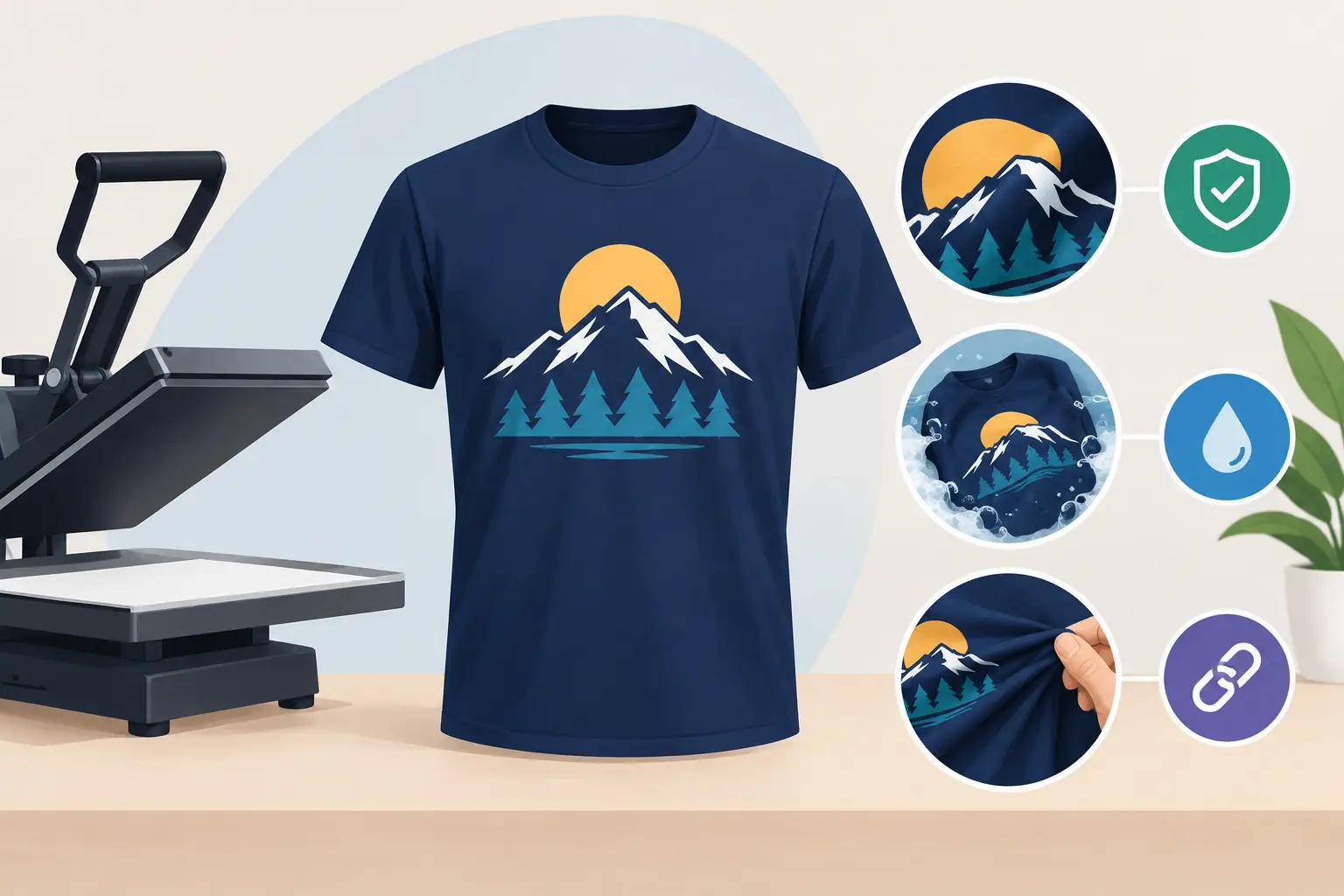
Screen printing is efficient for larger runs with consistent artwork, but it requires screen setup and color separation. Embroidery provides a durable, professional finish for polos, caps, jackets, and corporate uniforms, though the logo must be digitized and each stitch-out takes time. Heat transfer works well for variable names, numbers, and smaller-run personalization. Direct-to-garment printing suits detailed, full-color artwork on compatible fabrics, while sublimation is ideal for all-over designs on polyester teamwear.
A one-color chest logo takes less preparation than a multicolor design printed across the front, back, and sleeve. The more placements, colors, personalization fields, or garment types involved, the more coordination the order requires.
Artwork readiness and approval speed
Production cannot begin until the artwork is approved. A clean, print-ready logo in the correct format helps the process move faster, but even a simple image may need adjustment for embroidery, screen printing, or small-format placement.
Approval is where many timelines quietly stretch. If several departments need to review logo size, uniform color, staff titles, budget, or garment samples, set an internal approval deadline before requesting production. Assign one final decision-maker so feedback is consolidated rather than sent in separate rounds.
For branded uniforms, request a digital mockup that shows logo placement, scale, and colors on the chosen garment. For detailed embroidery, a stitch sample may also be worthwhile. Taking the time to approve a proof protects your investment and helps avoid rework after production starts.
Quantity and order complexity
Higher quantities can be efficient to manufacture, but they also require more material planning, printing cycles, embroidery time, sorting, and quality checks. A 50-piece polo order with one embroidered logo is very different from a 1,000-piece event package containing T-shirts, caps, tote bags, and individual name personalization.
The number of variations matters as much as the total quantity. For example, one design across 500 shirts is easier to organize than 500 shirts divided across six colors, four artwork versions, and individually labeled departments. Complex orders are entirely manageable, but they need a clear production plan.
Custom manufacturing details
Custom uniforms give you greater control over brand presentation. You can specify fabric weight, color, collar style, piping, button choices, zip details, inner neck printing, woven labels, and other finishing touches. Those details distinguish a uniform from an off-the-shelf garment, but they require pattern work, material sourcing, sampling, and manufacturing time.
For companies building a long-term uniform program, that extra lead time is often worthwhile. A consistent fit, durable fabric choice, and properly matched brand colors can reduce replacement issues and create a stronger professional appearance across every location and team.
Shipping and delivery requirements
Production completion is not the same as delivery in hand. Once quality checks and packing are complete, the order still needs transit time. Deliveries to multiple offices, event venues, or remote job sites should be planned even earlier.
If your deadline is fixed, such as an opening day or trade show, work backward from the date you need the uniforms on site. Include time for receiving, counting, distributing, and resolving any last-minute sizing changes. Asking for delivery the day before an event leaves no room for practical surprises.
A Better Way to Plan Your Uniform Order
The most dependable orders begin with a complete brief. Share your required delivery date, product types, estimated quantities, logo files, preferred colors, decoration locations, and whether each item needs individual names or numbers. If you are still deciding between polos, performance shirts, workwear, or sublimated jerseys, state the intended use. A warehouse team, hospitality staff, outdoor crew, and corporate event team have different performance needs.
It also helps to separate what is essential from what is optional. Your essential requirements may be navy polos, an embroidered chest logo, and delivery before onboarding. Optional details might include a sleeve print, custom neck label, or individual packaging. This gives your production partner room to recommend a solution that meets the deadline without compromising the parts of the uniform that matter most.
Avoid confirming quantities from informal estimates when possible. Collect sizes through a simple form or department coordinator, then add a small contingency for new hires or replacements. Once garments are decorated, size exchanges can be limited because branded apparel cannot always be returned to stock.
When You Need Uniforms Faster
A short deadline does not automatically mean your order cannot be completed. It means the available options may be narrower. Choosing in-stock garments, limiting the number of colors and decoration locations, using an existing logo without major revisions, and avoiding complex personalization can reduce preparation time.
There are trade-offs. A rush approach may rule out custom-dyed fabric, special accessories, or a made-to-order fit. It may also limit color and garment choices to available inventory. Be direct about your deadline at the first conversation so the supplier can recommend the most realistic route rather than discovering the timing issue after approvals are underway.
For urgent programs, prioritize the items your team needs first. A restaurant may need front-of-house polos immediately while aprons or outerwear can follow on a second delivery. An event organizer may need staff shirts first, then promotional tote bags and premium gifts. Phased delivery can protect the critical date while keeping the broader program intact.
Build Time Into Your Brand Standards
The best uniform programs are planned as an operational cycle, not an emergency purchase. Track when staff onboarding peaks, when seasonal teams arrive, when school terms start, and when major campaigns or events occur. Reordering early also gives you time to check color consistency, update branding, and review product performance from the previous order.
A well-timed uniform order does more than meet a deadline. It gives your people a consistent, professional identity from their first day on the job. Start with a clear brief, approve with confidence, and allow the production time your brand deserves.