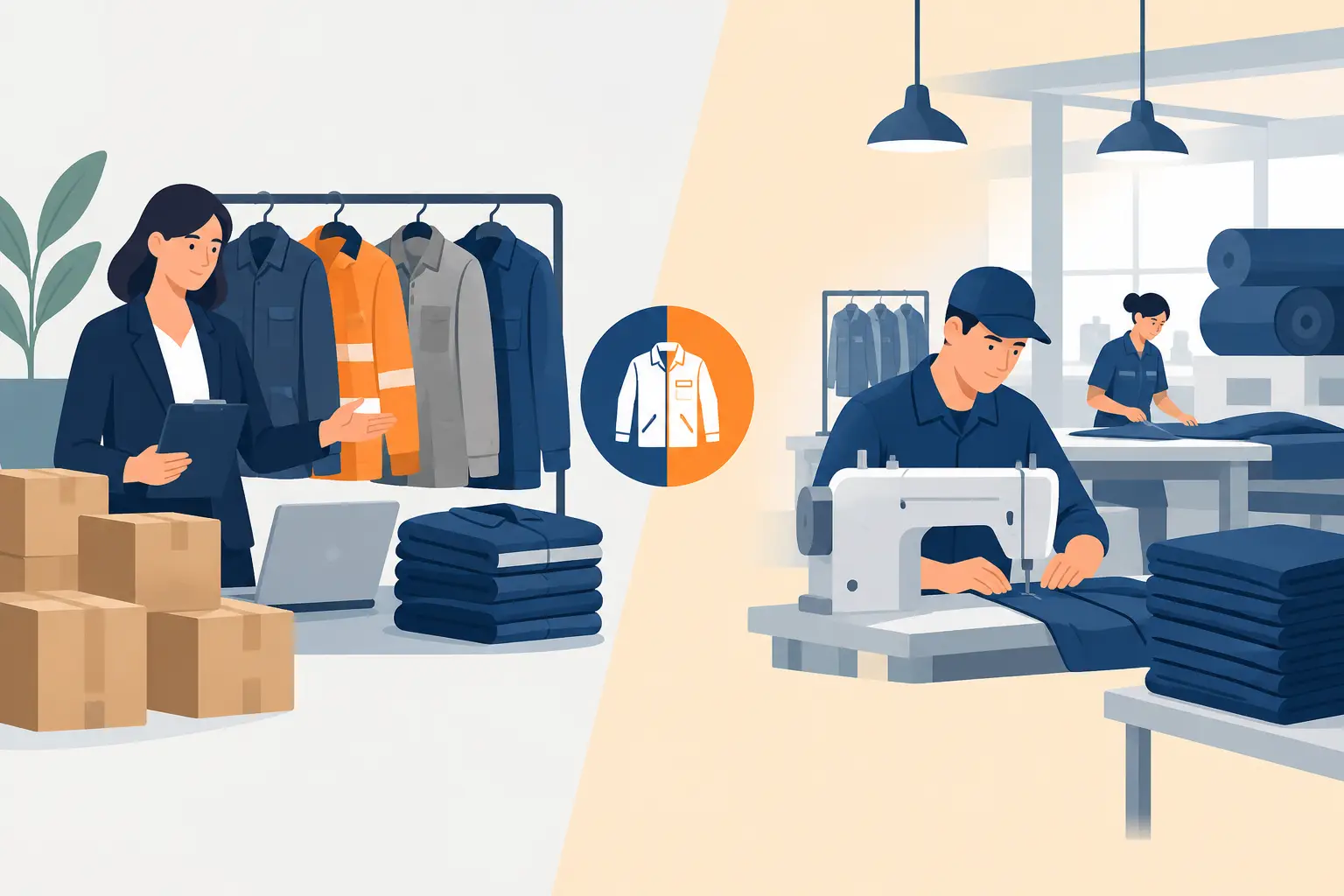

A product launch is set. A company event has a firm date. New hires need uniforms before their first shift. In each case, turnaround time for bulk merch is not a minor purchasing detail – it determines whether your branded apparel and promotional items arrive ready to perform when they are needed.
The right production timeline depends on more than quantity. Garment availability, customization method, artwork readiness, color requirements, quality checks, and shipping all affect the schedule. A dependable supplier helps you identify these requirements early, then manages each stage with clear specifications and realistic delivery expectations.
What Determines Turnaround Time for Bulk Merch?
Bulk merch moves through a production process, not a single print-and-ship step. The timeline begins when your order details are complete and your artwork is approved. From there, products are sourced or manufactured, decorated, inspected, packed, and dispatched.
For standard in-stock apparel with straightforward screen printing, heat transfer, or embroidery, production may take roughly 7 to 15 business days after final approval. This range can vary based on order volume, the number of print locations, thread colors, and current production capacity. Delivery time should be considered separately, especially when the order must reach multiple offices, event venues, or branches.
Custom-made apparel generally requires more lead time. A polo shirt or jersey built around a selected fabric, custom color, unique size run, personalized labels, or added accessories must go through material preparation and manufacturing before decoration and final inspection. Depending on complexity and quantity, this process may take three to six weeks or longer.
The fastest route is not always the best route. A simple stock T-shirt may be ideal for a short-notice campaign, while a fully customized uniform program gives your organization stronger brand consistency and longer-term value. The right choice depends on your deadline and the role the merchandise will play.
Artwork Approval Starts the Production Clock
Production cannot safely begin from a rough logo file, an unconfirmed mockup, or verbal instructions. Artwork needs to be reviewed for print size, placement, colors, and suitability for the chosen decoration method. Embroidery may require digitizing, while screen printing may require color separation and setup. Sublimation artwork must account for garment panels, seams, and design alignment.
Quick approval keeps an order moving. Delayed feedback, last-minute logo changes, and new color requests can shift the schedule because they may require a revised proof and a new production check. Assigning one decision-maker to consolidate feedback is one of the most practical ways to protect your delivery date.
How to Plan Turnaround Time for Bulk Merch
Start with the in-hand date, not the date you want to place the order. If your event is on September 20, determine when the merchandise must arrive at your office or venue. Then allow time for receiving, size sorting, distribution, and a buffer for any unexpected logistics issue.
Work backward from that date and share the full requirement with your supplier: product type, estimated quantity, size breakdown, decoration locations, artwork files, delivery address, and event deadline. A complete brief allows the production team to assess feasibility immediately. It also prevents avoidable back-and-forth that consumes valuable business days.
For example, a staff uniform order may involve polos, jackets, caps, name embroidery, and separate size allocations by department. This is more complex than a single-logo T-shirt order, but it can still be managed efficiently when every specification is confirmed upfront. The same applies to corporate gift sets that combine tote bags, travel bags, drinkware, and apparel. Coordinating these items through one production partner makes timeline control easier because the order is managed as one program rather than several disconnected purchases.
A sensible schedule includes time for three checkpoints: artwork approval before production, a production update while the order is in process, and final confirmation before dispatch. These checkpoints create accountability without slowing the work down.
Decoration Method Changes the Schedule
Different decoration methods deliver different visual results and require different preparation. Screen printing is highly effective for larger quantities and bold graphics, particularly when the design uses a limited number of colors. However, each color and print location adds setup and production considerations.
Embroidery gives polos, caps, workwear, and corporate uniforms a polished, durable finish. It is especially suitable for logos that need a premium appearance, though stitch count and the number of embroidered positions influence production time. Small text and highly detailed logos may need adjustment to reproduce cleanly.
Heat transfer and direct-to-garment printing can be useful for detailed artwork, smaller runs, names, or variable data. Sublimation is a strong option for all-over jerseys and performance apparel because the design becomes part of the fabric. Each method has advantages, but selecting one simply because it appears fastest can compromise the intended finish. A production partner should recommend the method that fits the garment, design, quantity, and deadline together.
A Practical Lead-Time Strategy for Organizations
Organizations that order bulk merch regularly should treat apparel and promotional products as a planned procurement category, not an emergency purchase. Seasonal campaigns, annual conferences, school activities, sports programs, employee onboarding, and festive gifting all have predictable demand cycles. Forecasting these needs gives you more choice in fabrics, colors, decoration, and packaging.
For time-sensitive orders, prioritize the elements that matter most. If brand color accuracy is non-negotiable, allow time to confirm the correct shade and fabric. If the event date is fixed, consider an in-stock garment and a decoration approach that can be completed within the available window. If the order includes individual names, collect and verify spelling before the artwork stage rather than after samples are approved.
It also helps to build a small contingency into the quantity. Ordering a few additional units in common sizes can prevent a shortage when staffing changes or registrations increase. Reorders are often easier when the original artwork, specifications, and size records are organized, but they should still be placed early enough to account for stock availability and production scheduling.
At Green Cotton, the production conversation begins with the practical details: what you need, how it will be used, what must be customized, and when it must arrive. That approach allows the team to recommend suitable products and decoration methods while keeping specifications accurate from concept to bulk production.
When a Rush Order Makes Sense
Rush production can be a useful solution when an event has been confirmed late, a new branch is opening, or a campaign opportunity appears unexpectedly. It works best when the product is available, the artwork is final, and the design is uncomplicated. A rush request is less likely to succeed when it involves custom fabric dyeing, multiple product categories, highly detailed embroidery, or extensive individual personalization.
Be direct about the deadline from the first conversation. Ask whether the date refers to production completion or actual delivery to your location. Confirm any added cost for expedited production or freight, and make sure the final proof reflects every approved detail. A realistic answer is more valuable than a vague promise.
The best bulk merchandise orders feel effortless to the people receiving them because the planning happened early. Give your supplier a clear brief, approve decisively, and leave enough room for quality control. Your identity is carried by every garment, gift, and promotional item – it deserves a production schedule built to deliver it right.