
A company polo is often the most visible part of your team’s presentation. It is worn at customer meetings, trade shows, retail counters, site visits, company events, and in the everyday moments when employees represent your business. Knowing how to design company polo shirts means balancing brand impact with comfort, durability, and a fit your people will actually want to wear.
A polished polo should do more than carry a logo. It should make your staff look coordinated, help customers recognize your team, and hold up through repeated washing. The strongest results come from making practical decisions early, before artwork reaches production.
Start With the Role of the Polo Shirt
Before selecting a fabric or color, define where and how the shirt will be used. A front-of-house hospitality team needs a different polo than a field crew, sales team, school committee, or charity event team. Usage affects nearly every specification, from fabric weight to decoration method.
For office-based staff and corporate events, a refined cotton piqué or cotton-blend polo can create a classic, professional appearance. For outdoor teams, sports activities, and warm working environments, moisture-wicking performance fabric may be the better choice. It dries faster, feels lighter, and helps employees stay comfortable during active shifts.
Consider how frequently the polo will be washed. If it is a daily uniform, prioritize colorfast fabric, stable stitching, and a decoration method that can withstand regular laundering. If it is primarily for a one-day event or promotional campaign, you may have more flexibility to focus on a striking visual concept and a cost-efficient garment.
Choose Fabric for Comfort and Performance
Fabric is not a detail to leave until the end. It determines how the shirt feels, drapes, breathes, and performs after months of wear.
Cotton polo shirts are soft, breathable, and familiar. They suit customer-facing teams, schools, clubs, and organizations that prefer a natural hand feel. However, pure cotton can retain moisture and may show wear faster in highly active roles.
Polyester polos are lightweight, durable, and highly suitable for active teams. They resist wrinkles, retain color well, and work especially well with sublimation for all-over designs. The trade-off is that some wearers prefer the softer texture of cotton, particularly in more formal environments.
Cotton-polyester blends offer a practical middle ground. They combine much of cotton’s comfort with polyester’s durability and shape retention. For many company uniforms, a blend is the safest all-purpose choice because it looks professional without demanding excessive care.
Fabric weight matters as well. A lighter polo is usually better for hot venues and physically active jobs. A heavier piqué knit can feel more structured and premium, making it suitable for reception teams, retail staff, and corporate uniforms. Request fabric swatches whenever possible. Colors, texture, and thickness are easier to evaluate in hand than on a screen.
Build a Color System Around Your Brand
Your polo color should support your identity, not compete with it. The simplest approach is to start with your core brand colors, then decide whether they are best used as the garment color, logo color, or smaller design accents.
A dark navy, black, charcoal, or deep green polo can create a sharp uniform look and is forgiving in operational environments. Lighter colors can feel more open and approachable, but they may require greater care in food service, logistics, outdoor work, or any role with regular contact with dirt and equipment.
If your logo includes several colors, do not assume all of them need to appear on the shirt. A restrained palette is often more professional. For example, a navy polo with a white embroidered logo and a small accent color on the sleeve can look more intentional than a shirt crowded with bright artwork.
Contrast is essential. A dark logo on a dark polo may be technically accurate but nearly invisible from a few steps away. Ask for a digital mockup, but also consider thread or print samples against the actual garment color. What looks clear on a bright computer display may lose impact under office, showroom, or outdoor lighting.
Design the Logo Placement Before Adding Extras
The left chest remains the standard placement for company polo shirts for good reason. It is familiar, visible in conversation, and suitable for embroidery or printing. For most corporate uniforms, a clean left-chest logo is enough.
Other placements can add value when they serve a purpose. A sleeve logo can identify a sponsor, department, event, or campaign. A small back-neck print can add a branded finishing touch. A larger back design may help staff stand out at exhibitions, roadshows, or outdoor events where visitors need to identify them quickly.
Avoid treating every available area as advertising space. Large front prints, oversized back logos, sleeve graphics, and multiple messages can make a polo feel like a giveaway rather than a uniform. Choose one primary branding point, then add secondary details only when they improve recognition or fulfill a campaign requirement.
Logo size should also match the garment size range. An embroidered logo that looks balanced on a medium shirt can feel too large on an extra-small size or too small on a 4XL. A production partner should help set a logo size that remains consistent and readable across your order.
Select the Right Decoration Method
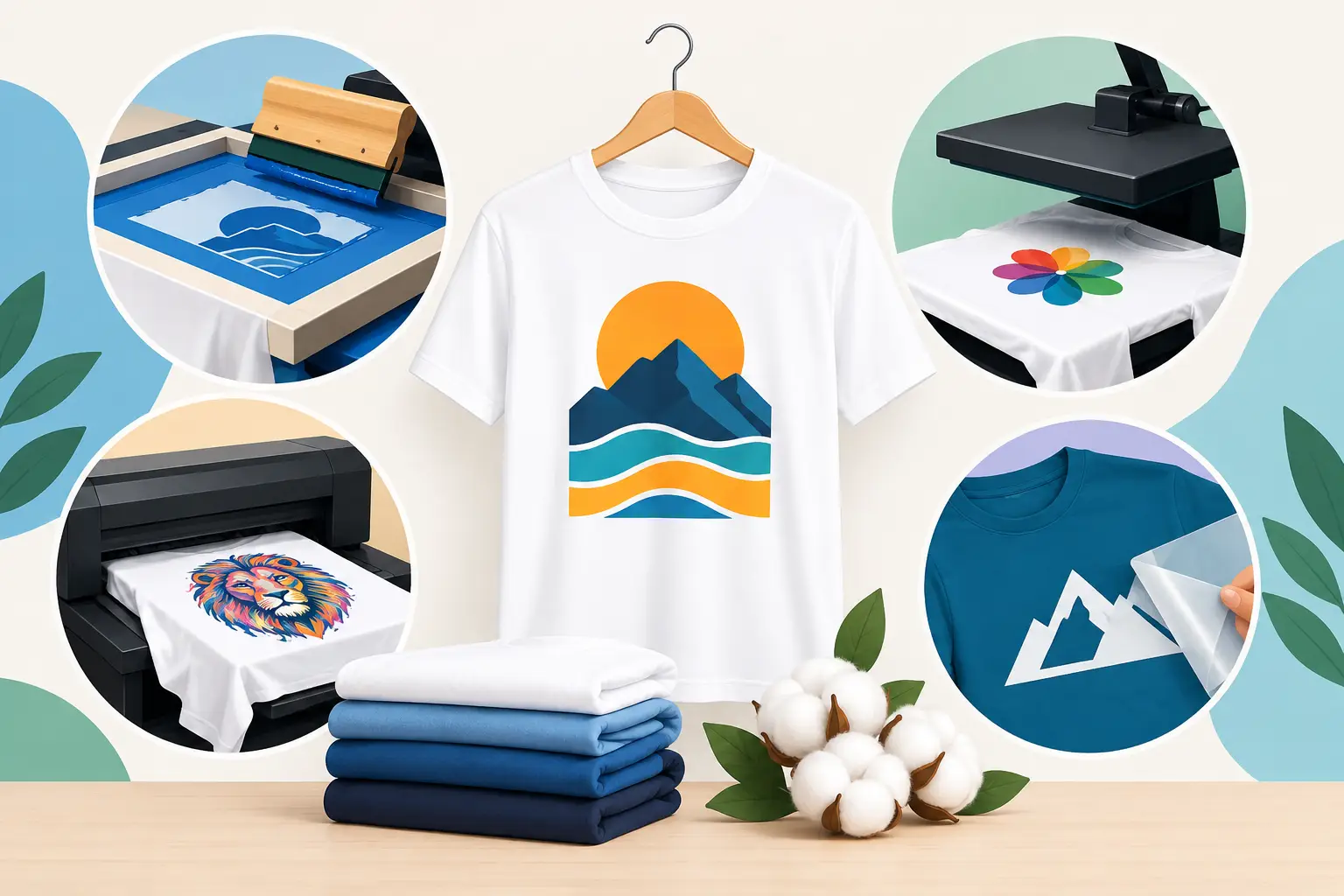
The best way to design company polo shirts depends partly on how your artwork will be applied. Each method has strengths, and the right choice depends on the logo, fabric, quantity, and intended lifespan of the garment.
Embroidery for a premium uniform finish
Embroidery is a strong choice for company logos, names, and simple icon marks. It creates texture and a professional finish that suits corporate, hospitality, retail, education, and service uniforms. It is particularly effective on piqué cotton and cotton-blend polos.
Fine details, tiny text, and gradient-heavy artwork may not translate well into thread. Simplifying a logo for embroidery can improve clarity and prevent a dense, stiff result. Good digitizing is critical because it controls how the stitched design sits on the fabric.
Screen printing for bold, high-volume graphics
Screen printing works well for simple artwork, solid colors, and larger designs. It is often a cost-effective option for larger quantities, especially when the design uses only a few colors. It can be ideal for event polos, promotional campaigns, and staff shirts with bold back graphics.
The method is less suited to highly detailed photographic artwork or small, intricate chest logos on textured fabric. In those cases, embroidery, heat transfer, or another method may produce a cleaner result.
Heat transfer and sublimation for specialized designs
Heat transfer can reproduce detailed logos, names, and multicolor graphics with flexibility. It is useful for smaller runs, personalized items, and designs that would be difficult to embroider. The finish depends on the transfer material and garment fabric, so testing is worthwhile for uniforms that will see heavy use.
Sublimation is best for polyester garments and allows full-color, all-over designs without creating a heavy surface layer. It is popular for sportswear, event teams, and bold branded jerseys. Because the ink becomes part of the fabric, the design remains breathable and will not crack like a surface print can.
Do Not Overlook Fit, Sizing, and Finishing Details
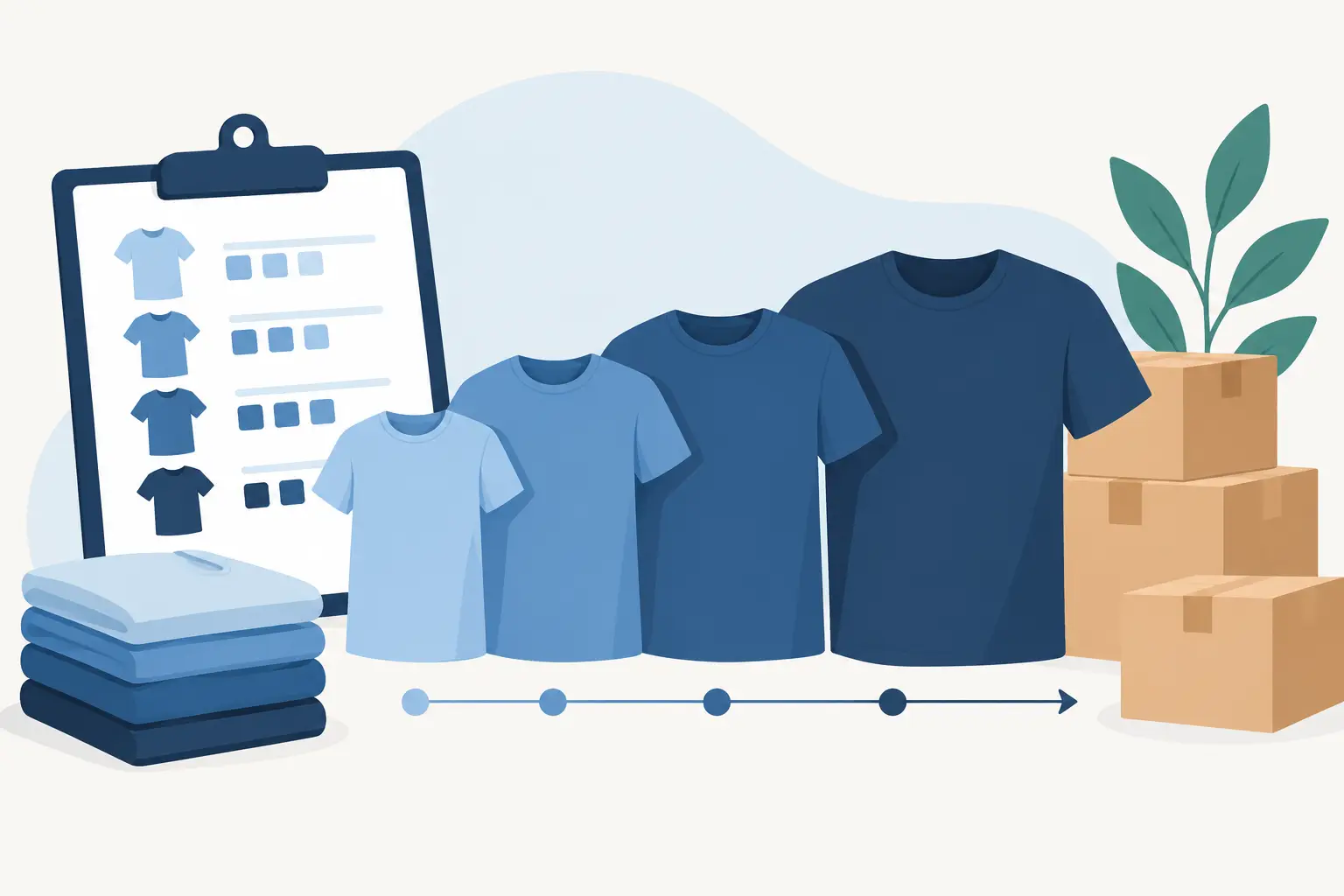
A uniform program only works when employees can wear it comfortably. Offer a broad size range and review the supplier’s size chart rather than relying on standard retail assumptions. Polo sizing can vary by cut, fabric, and manufacturer.
If your workforce includes different roles or preferences, consider offering men’s, women’s, and unisex cuts. A women’s cut can provide a better fit for some employees, while a unisex option may simplify ordering for event teams. The right approach depends on your team size, budget, and the level of uniform consistency you need.
Finishing details make a noticeable difference. Collar construction, placket style, button color, side vents, ribbed cuffs, contrast tipping, and custom neck labels can all reinforce your brand. These details should support the overall design rather than turn a professional polo into a complicated product specification.
For larger orders, custom-dyed fabric and personalized accessories can help create a truly distinctive uniform. This requires more planning and usually a higher minimum order quantity, but it gives organizations tighter control over brand color and presentation.
Approve Samples Before Bulk Production
A digital mockup is useful, but it is not a substitute for a physical sample. Before committing to bulk production, review a sample for fabric feel, fit, color accuracy, logo placement, thread or print quality, and overall appearance.
Have different stakeholders inspect it. HR may focus on sizing and wearability, marketing may assess brand consistency, and operations may identify practical concerns such as heat, movement, and washability. Resolving these issues during sampling is far easier than correcting them after hundreds of shirts have been produced.
Provide your supplier with approved logo files, preferably vector artwork for clean reproduction. Confirm quantities by size, decoration locations, garment colors, delivery date, and packaging requirements in writing. Specification accuracy protects your budget and keeps the production schedule on track.
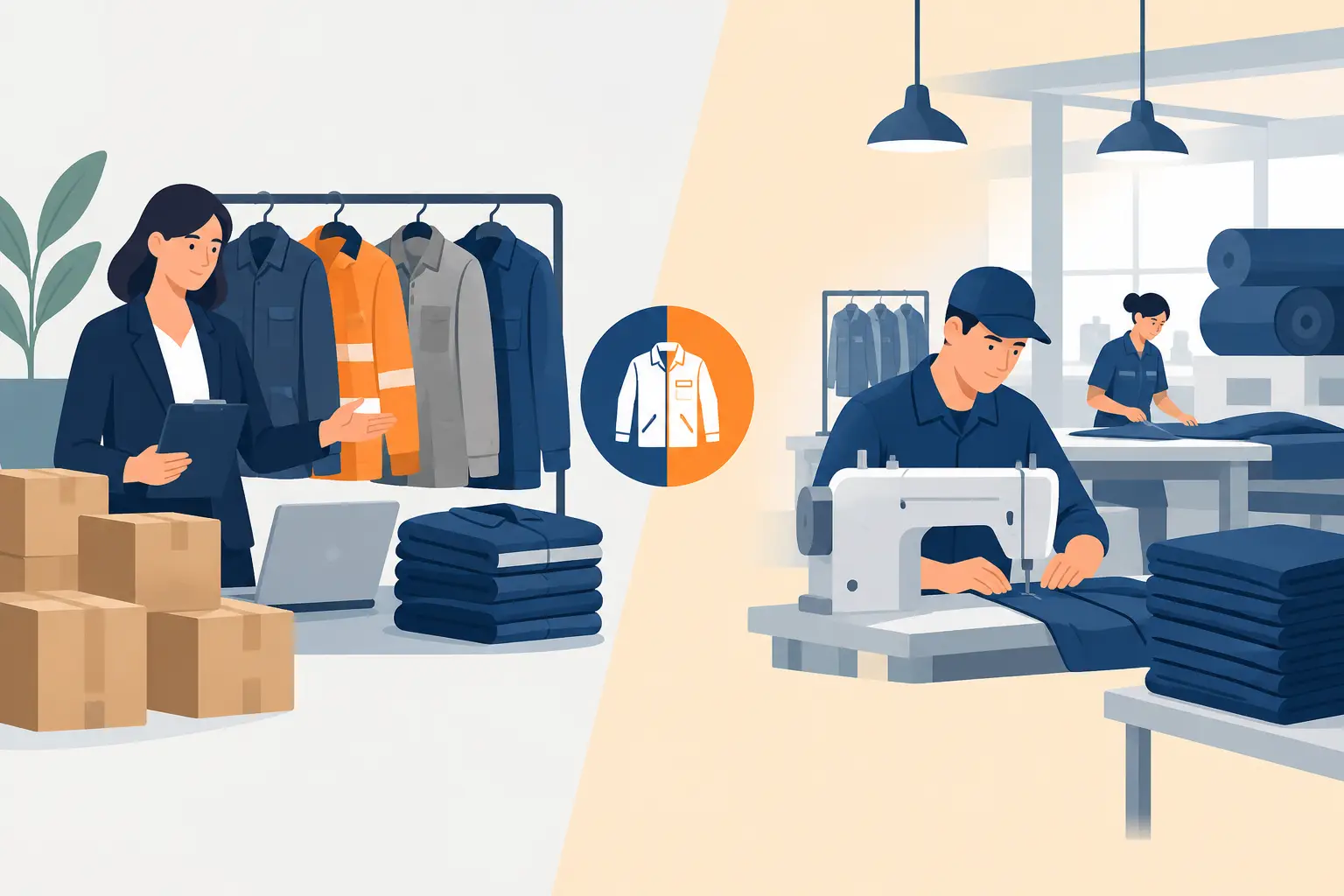
Green Cotton helps organizations turn these choices into production-ready polo programs, from fabric and color selection to decoration, sampling, quality checks, and bulk delivery. Your identity is carried by every shirt your team wears, so give it the planning and production attention it deserves.