
A polo shirt can make a front desk team look instantly credible, help volunteers stand out in a crowded venue, or give a sales crew a consistent presence in the field. But bulk custom polo shirts only deliver that result when the garment, decoration, sizing, and production details are planned as one complete specification. A logo on a basic polo is easy. Creating apparel people are comfortable wearing and proud to represent is where the real work begins.
For HR teams, procurement managers, marketing departments, schools, and event organizers, the goal is not simply to place a large order. It is to get every wearer in the right shirt, with consistent branding and a finish that holds up through the work or activity it was made for. Your identity is our responsibility, and the right planning protects it at every stage.
Why Bulk Custom Polo Shirts Need a Clear Purpose
Start by defining where and how the polos will be worn. A customer-facing retail team has different needs from a golf event, a warehouse crew, a school club, or a corporate roadshow. The environment affects the material, color, fit, and branding method you should choose.
For office uniforms and client meetings, a structured pique polo with a clean embroidered chest logo often creates the polished, dependable look organizations want. For outdoor promotions, sports days, and active staff roles, lightweight moisture-wicking fabric may be the better choice. It dries faster, feels cooler, and supports movement, though its surface may call for a different decoration approach than a classic cotton-rich polo.
Color should also serve a practical purpose. Darker shades can be more forgiving in operational settings, while brighter colors improve visibility at events and make campaign teams easier to identify. A brand color that looks excellent on a digital screen may not produce the same result on textured fabric, so reviewing physical color references and decoration samples before bulk production is a smart safeguard.
Fabric Choice Affects Comfort, Appearance, and Cost
There is no single best polo fabric. The right choice depends on wear conditions, expected garment life, and budget. Cotton or cotton-blend polos offer a familiar soft feel and a more traditional uniform appearance. They are a strong option for hospitality, administration, retail, and organizations that want a natural-hand fabric.
Polyester performance polos are built for hotter conditions and active wear. They can offer better moisture management and color retention, particularly when produced through sublimation. The trade-off is that the fabric may feel lighter and less formal than a heavier pique polo. A cotton-poly blend often sits in the middle, balancing comfort, durability, shape retention, and price.
Consider the weight and knit construction as well. A dense, heavier fabric can feel more substantial and last well in high-use roles, but it may be less comfortable for outdoor staff. A lighter fabric is easier to wear in warm conditions, though it can reveal wrinkles or require more careful color selection. Your supplier should help you match the fabric to the actual use case instead of pushing a one-size-fits-all option.
Fit and Sizing Are Part of Brand Presentation
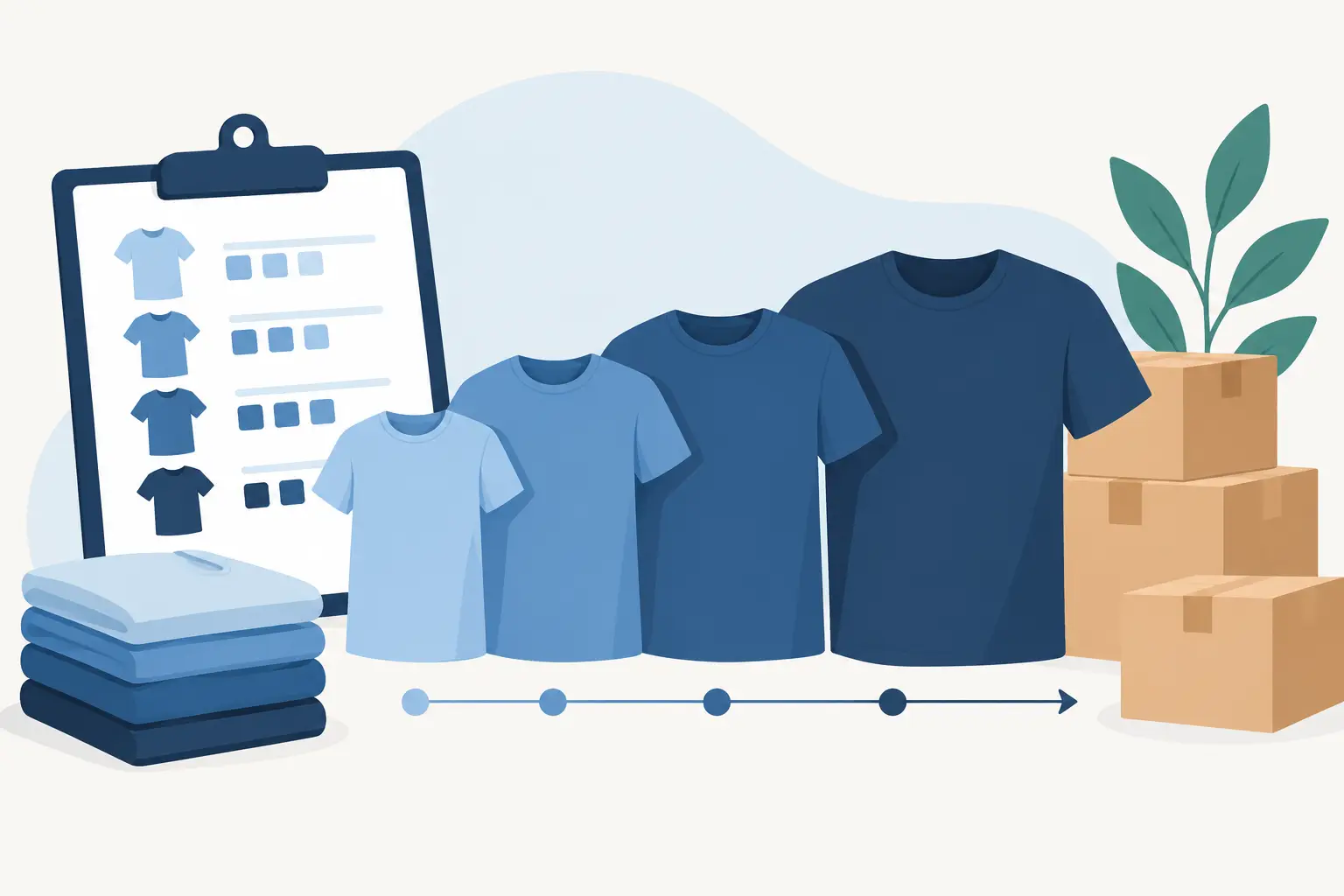
A well-decorated polo does not look professional if the sizing is inconsistent. Before approving production, confirm the size chart, garment measurements, and fit category. Unisex, men’s, women’s, youth, and extended sizing may all be needed depending on your organization.
Avoid relying only on familiar size labels. A medium can vary significantly between manufacturers and cuts. For larger orders, build your size breakdown from employee data or registration information, then add a sensible buffer in common sizes where budget allows. If the order is for a team with frequent turnover, keeping a few undecorated or lightly branded replacement polos can also reduce future ordering pressure.
Choose Decoration for the Polo and the Brand
The decoration method should be selected based on the artwork, fabric, placement, and intended impression. It is not simply a question of what looks good on a sample.
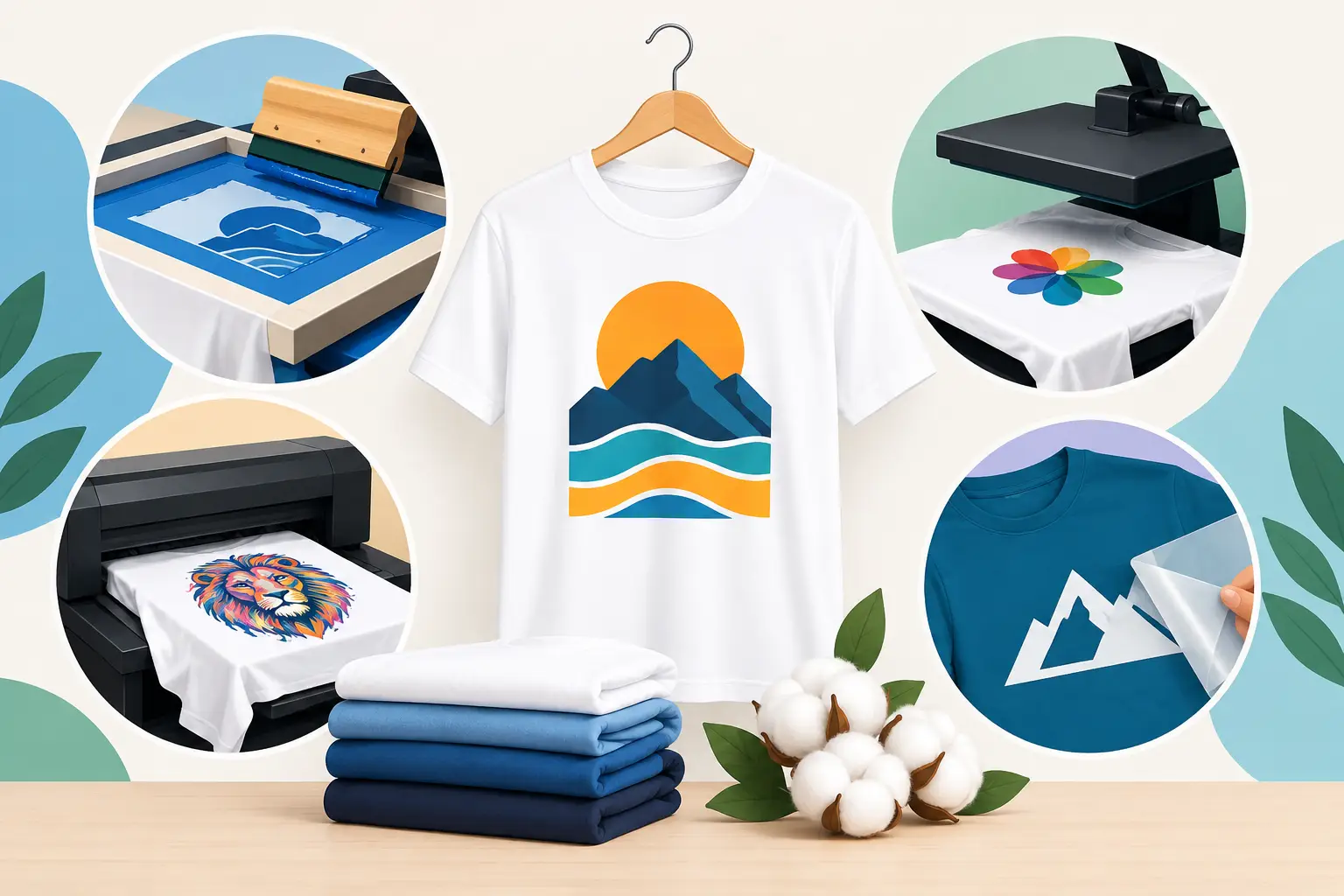
Embroidery is a proven choice for left-chest logos, names, and small brand marks. It has depth, creates a premium uniform finish, and performs well over repeated washing. However, very small text, fine gradients, and intricate artwork may lose clarity when converted to thread. Heavy embroidery can also pull on lightweight fabric, especially if the logo is oversized.
Screen printing works well for bold, simple artwork and larger designs, particularly when ordering in volume. It can be cost-effective for event polos or promotional campaigns, but the print needs to suit the fabric and the design should be prepared with clear color separations. Heat transfer can be effective for names, numbers, limited quantities, or detailed logos, while direct-to-garment printing is better suited to certain cotton-based garments and full-color artwork.
Sublimation is particularly valuable for polyester polos that require full-coverage graphics, custom patterns, sponsor layouts, or brand colors integrated into the garment itself. Because the design becomes part of the fabric, it will not sit on top of the shirt like a traditional print. It depends on using compatible light-colored polyester fabric, so it is not the same solution as printing on a dark cotton polo.
Build a Production-Ready Specification
The fastest way to prevent delays is to make decisions before the order reaches production. A clear specification gives your supplier a single source of truth and reduces the risk of assumptions about colors, logo positions, sizes, or accessories.
Your approval should cover the polo style, fabric composition, base color, size range, quantity by size, logo files, decoration method, placement, and placement dimensions. It should also state whether individual names, departments, numbers, or job titles are required. If those details vary by wearer, provide the data in a clean, checked format rather than leaving manual interpretation to the production team.
Think beyond the front logo. Collar tipping, contrast plackets, custom buttons, woven labels, sleeve branding, hem tags, and personalized packaging can turn a standard uniform into a complete brand asset. These details are especially useful for corporate launches, premium gifting, and teams that need a distinct look. They also add lead-time considerations, so they should be raised early rather than introduced after artwork approval.
A pre-production sample is often worth the extra step for large, high-visibility, or fully custom orders. It allows you to check the true fabric color, logo scale, thread or print quality, and overall fit before the full run moves forward. For a simple re-order with an established specification, a sample may be unnecessary. For a first-time uniform program, it can prevent a costly mismatch.
Plan Quantities and Timing Without Guesswork
Bulk pricing usually improves as quantity increases, but ordering more is not automatically the right financial decision. Consider how long the design will remain current, whether staff changes are frequent, and how much storage your organization can manage. A large event order may require an exact count with a small contingency. An ongoing uniform program may benefit from phased orders or an agreed re-order process.
Production timing should include more than manufacturing days. Artwork preparation, sample approval, fabric sourcing, custom dyeing, decoration, quality control, packing, and shipping all affect the delivery date. Custom elements such as all-over sublimation, special trims, or personalized names generally require more coordination than a stock polo with a standard embroidered logo.
Work backward from the date the shirts must be in hand, not the date they are needed on stage or at the worksite. Event organizers should leave time for sorting and distributing sizes. HR teams need time to issue uniforms to new hires. Marketing teams may need a buffer for campaign changes or internal approval cycles. A reliable supplier will be direct about what can be delivered on time and which design choices affect the schedule.
Quality Control Should Protect Every Unit
Large apparel orders are judged one shirt at a time. A strong quality process checks fabric consistency, garment construction, color accuracy, print or embroidery placement, spelling, size labels, and packing counts. It should also verify that the approved artwork is the artwork actually used in production.
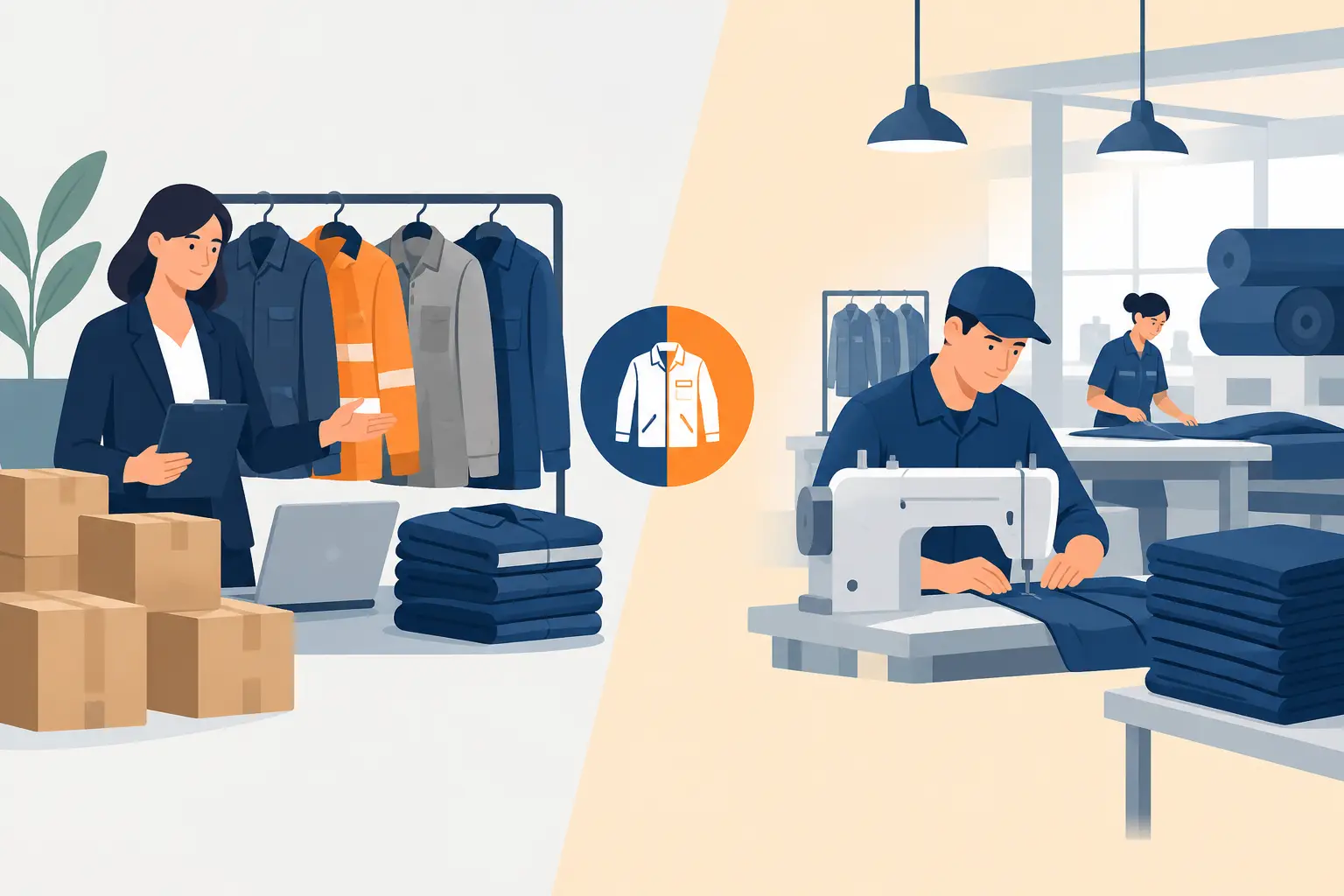
This is especially important when your order contains multiple logos, departments, names, or garment colors. The more variations involved, the greater the need for organized files, clear approvals, and accountable production coordination. Green Cotton supports this process from garment selection through decoration and bulk fulfillment, helping organizations move from a concept to a controlled, production-ready order.
Make the Polo Worth Wearing
The most successful custom polos do more than display a logo. They make people feel prepared for their role, keep teams recognizable, and extend your brand into every customer interaction, event photo, and field visit.
Choose a garment your people will actually want to wear, give production the details it needs to get the job right, and allow enough time for careful execution. When those pieces are in place, a bulk polo order becomes a dependable part of how your organization shows up.