A staff apparel rollout example is most useful when it reflects the pressure of a real order: several departments, different job requirements, a fixed launch date, and no room for inconsistent branding. A uniform program is not simply a bulk shirt purchase. It is a visible operational decision that affects how employees work, how customers recognize your business, and how confidently your team represents your brand.
Consider a growing hospitality company preparing to open two new locations. It needs apparel for 180 employees across front desk, food service, housekeeping, maintenance, supervisors, and delivery staff. The opening is eight weeks away. Leadership wants one clear brand identity, while department managers need garments that can withstand the actual work.
This practical scenario shows how a well-managed rollout moves from a brand brief to staff-ready apparel without last-minute size shortages, unsuitable fabrics, or rushed decoration decisions.
The Staff Apparel Rollout Example: 180 Employees, Six Roles
The company begins with a simple objective: every employee should look recognizably part of the same business, but no one should be asked to work a demanding shift in clothing selected only for appearance.
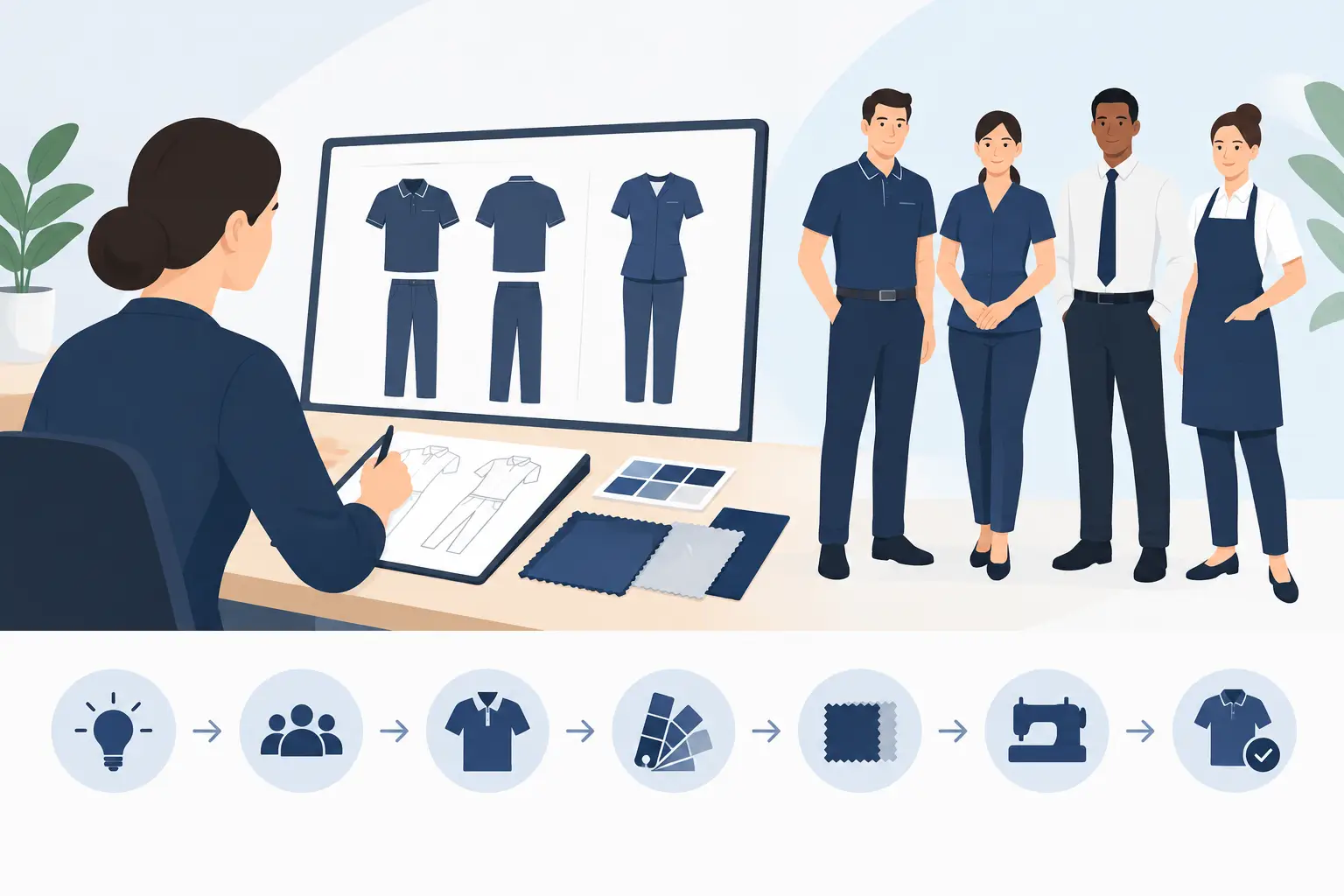
Rather than choosing one polo shirt for everyone, the procurement lead separates the order by role. Front desk and supervisors receive structured cotton-blend polos with embroidered logos. Food service staff receive lightweight, easy-care polos and branded aprons. Housekeeping receives durable T-shirts in a darker color that is practical for daily work. Maintenance staff receive workwear shirts with a stronger fabric weight, while delivery staff receive moisture-managing tees and caps for outdoor visibility.
The common thread is controlled brand use. Each garment carries the same approved logo, color standards, and placement rules. The garments differ because the work differs.
That decision prevents a common rollout failure: treating uniformity as identical clothing. Consistency comes from a disciplined identity system, not from forcing every department into the same item.
Start With the Job, Then Select the Garment
The first production meeting focuses on who wears the apparel, where they work, and what each role needs during a full shift. A polished polo may suit reception, but it may be a poor choice for a warehouse employee handling inventory in warm conditions. Likewise, a thin promotional T-shirt may look appealing for a campaign but may not last through repeated commercial laundering.
For this example, department leads provide practical input before product selection. Food service identifies heat and stain exposure. Housekeeping asks for flexible movement and easy replacement options. Maintenance requires durable fabric and a design that does not interfere with protective equipment. Supervisors need a more elevated look because they regularly meet customers and vendors.
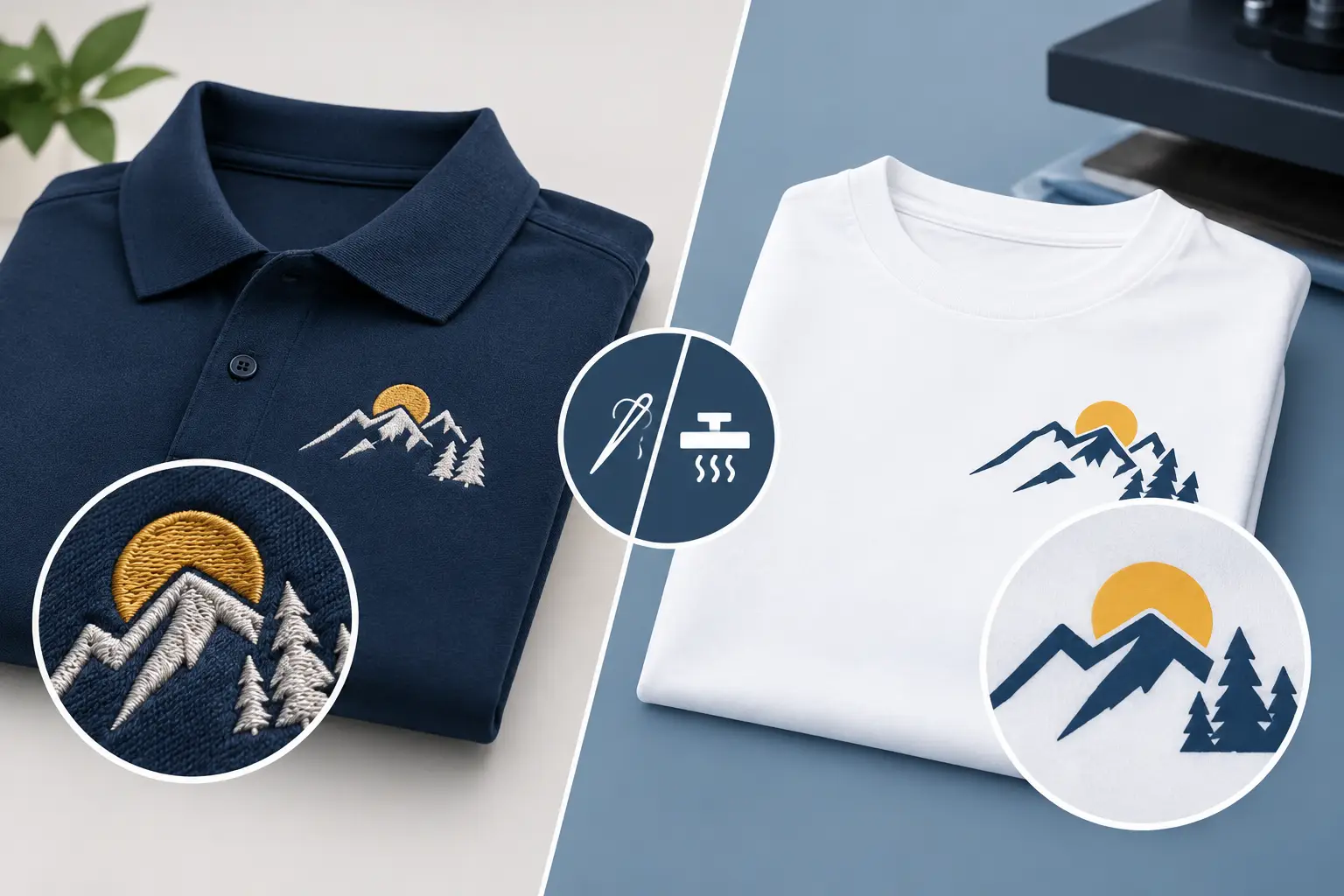
This is where fabric, fit, and decoration method must work together. Embroidery gives polos and work shirts a premium, long-lasting finish, especially for smaller chest logos. Screen printing can be efficient for larger graphics and higher quantities. Heat transfer may be suitable for names, numbers, or variable data. Sublimation works well when an all-over design or vibrant teamwear look is part of the brief.
The right choice depends on the garment material, artwork, quantity, intended use, and budget. Asking for the most economical method without checking those factors can create avoidable quality issues later.
Build a role matrix before requesting quotes
A role matrix turns broad requirements into clear production specifications. For every employee group, document the garment type, color, logo location, decoration method, size range, quantity, and any personalization requirement. In this rollout, the matrix also identifies managers who need name embroidery and new hires who will require an initial reserve stock.
This document gives HR, procurement, and the apparel supplier one shared version of the order. It also makes approval easier because decision-makers can see the full program rather than reviewing garments one at a time.
Protect Brand Standards Before Production Begins
The hospitality company has a logo file, but that alone is not a production specification. The artwork must be checked for clarity at the chosen size, and the approved brand colors must be translated appropriately for thread, ink, fabric dye, and print processes.
For example, the company’s signature green may appear slightly different when embroidered on navy fabric than when screen printed on a white apron. That does not automatically mean the supplier made an error. Thread, ink, texture, and garment base color all influence the final appearance. A production partner should flag these differences early and recommend the closest dependable match.
In this staff apparel rollout example, the team approves a physical sample set before authorizing the full run. The sample includes the reception polo, housekeeping tee, apron, work shirt, cap, and supervisor garment. It is reviewed under normal indoor lighting and photographed for the internal approval file.
This step may add a few days to the timeline, but it is far less costly than discovering an incorrect logo scale or an unsuitable color across hundreds of finished garments. If timing is extremely tight, a digital mockup can help move decisions forward, but it should not replace a physical sample when color accuracy and fabric performance are critical.
Make Sizing Collection a Managed Process
Sizing is one of the most underestimated parts of uniform ordering. Employees often select the size they usually buy at retail, even though garment cuts vary by style, fabric, and manufacturer. The result is predictable: exchanges, unused stock, and frustrated staff on launch day.
The company handles sizing through a three-part process. First, each garment style has a clear size chart. Second, department managers receive sample sizes for fit sessions. Third, employees submit their selections through a deadline-controlled form that records their name, role, style, and size.
The rollout lead does not accept vague entries such as “medium, I think.” If a fit sample is available, employees are encouraged to try it on. This is particularly valuable for workwear, fitted polos, and garments ordered in unisex or women’s cuts.
A sensible contingency is built into the final quantity. The company orders a small buffer in commonly requested sizes and retains a few undecorated or standard-logo garments for onboarding. The exact reserve level depends on turnover, hiring plans, and budget. A stable office may need little extra stock, while a high-growth retail or service operation benefits from holding more.
Set Approval Gates and a Realistic Delivery Schedule
An eight-week launch date sounds comfortable until the order passes through design confirmation, garment sourcing, sampling, size collection, artwork setup, decoration, quality checking, packing, and delivery. The best rollout plans establish decision deadlines, not just a desired delivery date.
For this project, week one is reserved for garment selection and the role matrix. Week two covers artwork review and quotation approval. Week three is for samples. Sizing is collected during weeks three and four. The final quantity is locked at the end of week four, leaving production and quality control time before delivery in week seven. Week eight remains available for internal distribution, exchanges, and opening-day preparation.
The critical discipline is preventing changes after approval without acknowledging their impact. Adding a second logo location, switching garment colors, or adding individual names may affect cost and lead time. These changes are possible in many cases, but they should be treated as production changes, not casual requests.
Clear accountability helps. One internal contact should consolidate feedback and issue final sign-off. When every department sends separate instructions, errors become more likely and production decisions slow down.
Deliver Apparel as a Rollout, Not a Box of Products
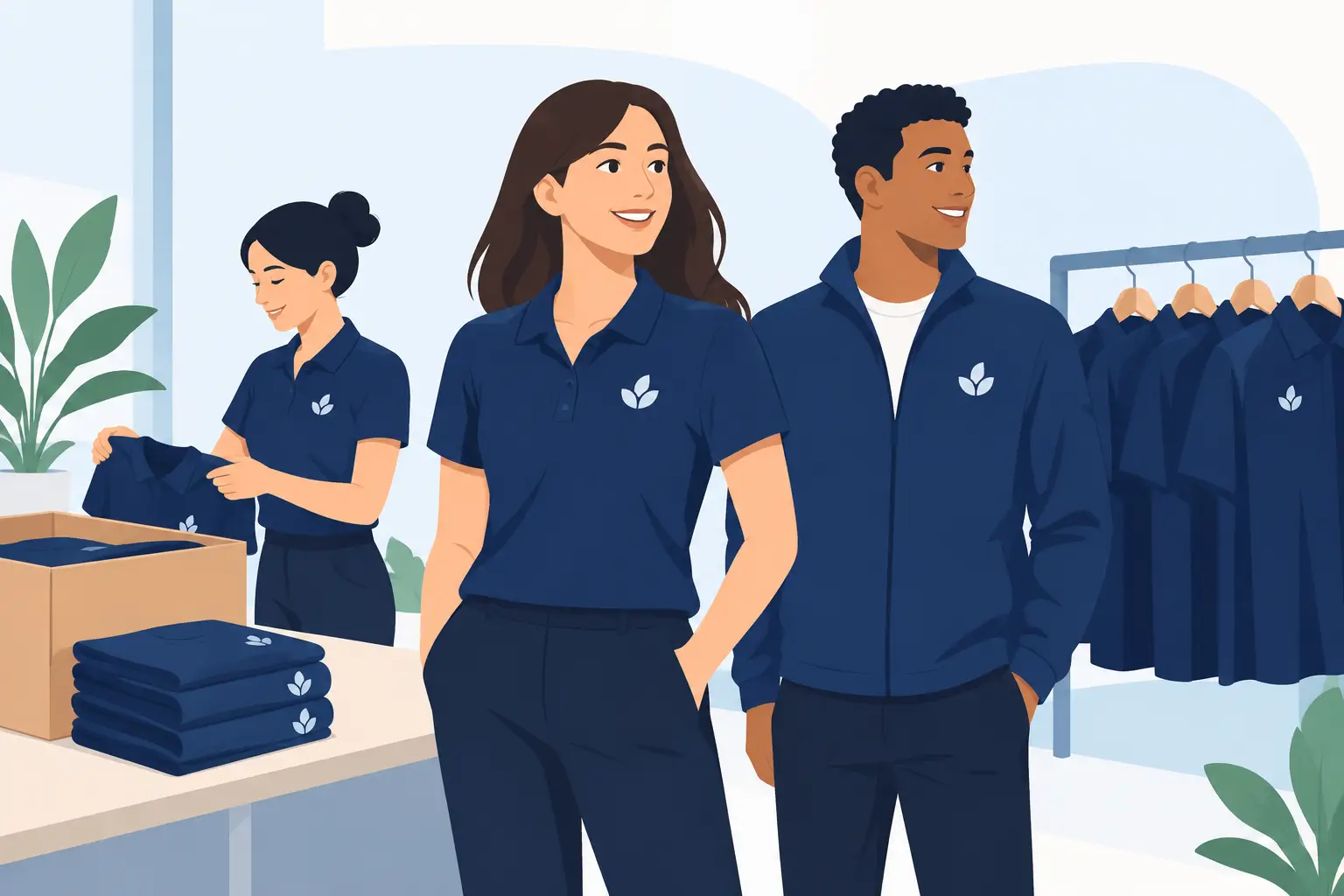
When the finished order arrives, the work is not over. In this example, garments are packed by department and labeled by employee name where personalization applies. Each location receives a packing list so managers can confirm quantities before distribution.
Staff also receive a short uniform guide. It explains which items are required, how garments should be worn, basic care guidance, and the process for requesting replacements. This may sound administrative, but it protects the investment. Employees are more likely to care for apparel properly when expectations are clear from day one.
The company schedules a distribution session before opening, allowing employees to try on their garments, identify immediate fit issues, and ask questions. Replacement requests are logged in one place rather than handled informally by different managers.
Measure What Worked Before Reordering
After the first month, the procurement lead checks what the rollout revealed. Which sizes moved fastest? Did employees report discomfort in any role? Did the decoration hold up after laundering? Were caps, aprons, or additional layers requested more often than expected?
These observations turn the next order into a stronger one. The company may decide to increase its reserve of large and extra-large sizes, change the housekeeping shirt fabric, or add a lightweight jacket for supervisors who work in cool reception areas. A rollout should improve with each cycle.
Green Cotton approaches this process as a production partnership, helping organizations align garment choice, branding, decoration, and fulfillment around the way their teams actually work. Your identity is our responsibility, but successful staff apparel also depends on clear internal decisions made early.
The strongest apparel programs do not ask employees to adapt to a logo. They give employees practical, well-made garments that let the brand show up consistently wherever the work happens.