
A premium gift can lose impact before it is even used. A carefully selected tumbler, embroidered jacket, custom tote bag, or event kit feels less considered when it arrives in a plain box with loose items and no clear connection to your organization. Branded packaging for gifts gives the recipient a complete experience, while giving your team control over presentation, protection, and brand consistency.
For procurement teams, HR departments, marketers, and event organizers, packaging is not an afterthought. It is part of the order specification. The right package helps a client feel valued, makes employee recognition more meaningful, and turns campaign merchandise into something people are more likely to keep, photograph, and share.
Why branded packaging for gifts earns its place in the budget
Gift packaging carries a practical job and a brand job at the same time. Practically, it keeps products organized and protected during handling, storage, and delivery. From a branding standpoint, it extends your logo, colors, and message beyond the product itself. The recipient sees your identity before they reach the gift.
That first moment matters most when the gift represents a relationship. A welcome kit for a new employee signals how seriously the company takes onboarding. A year-end appreciation gift reflects the care behind the partnership. A sponsor gift at a corporate tournament supports the event’s perceived quality, not just its visibility.
The goal is not always an elaborate luxury box. It is an intentional presentation that suits the gift, recipient, and occasion. A premium leather notebook may call for a rigid box with a subtle logo. A large order of promotional T-shirts for a community event may be better served by branded paper bags that are easy to distribute. Spending should follow purpose, not assumptions about what looks expensive.
Start with the recipient and the delivery moment
The best packaging decisions begin before artwork is created. Consider who will receive the item, where they will receive it, and whether the package will be handed over, shipped individually, or placed at an event registration table.
Client and partner gifts
For clients and partners, packaging should feel polished without becoming overly promotional. A restrained logo placement, a brand-color tissue wrap, or a printed thank-you card can create a strong impression. This audience often values useful, well-made products, so the packaging should support the quality of the item rather than distract from it.
If gifts will be delivered to offices or shipped to home addresses, durability matters. Products should remain secure inside the package, especially when combining several items such as an insulated bottle, polo shirt, notebook, and snack selection. Internal dividers, tissue, or fitted inserts can prevent movement and reduce the risk of damage.
Employee recognition and onboarding
Employee gifts often benefit from a more personal approach. A printed welcome message, a card from leadership, or packaging organized by use can make an onboarding kit feel immediately useful. For example, a new-hire package might present a custom polo shirt, ID lanyard, tote bag, and notebook in a sequence that feels orderly rather than like a collection of loose merchandise.
When the order includes apparel, confirm sizes early and label each set accurately. The presentation may be premium, but the employee will remember whether the shirt fits and whether every requested item is included.
Event, school, and team distribution
Speed is the priority for many event and team orders. Packages need to be recognizable, easy to carry, and simple to sort by attendee, team, or size. Branded drawstring bags, tote bags, sleeves, or labeled cartons can be more effective than individual gift boxes when hundreds of people need to receive items within a short window.
In these cases, packaging becomes part of event operations. Choose formats that can be packed efficiently, stacked safely, and handed out without slowing registration or check-in.
Specify the packaging as carefully as the gift
A logo file alone is not a packaging brief. Clear specifications prevent production delays and help suppliers recommend the most suitable materials and decoration methods. Your packaging plan should identify the product assortment, finished dimensions, quantity, logo placement, required colors, print areas, and delivery method.
Also think about what the recipient should see first. A logo on the lid may be enough for a formal executive gift. For a campaign kit, the exterior may need a bolder message, event name, or QR code supplied by your marketing team. Keep the main message focused. Packaging with too many logos, taglines, and design elements can look crowded quickly.
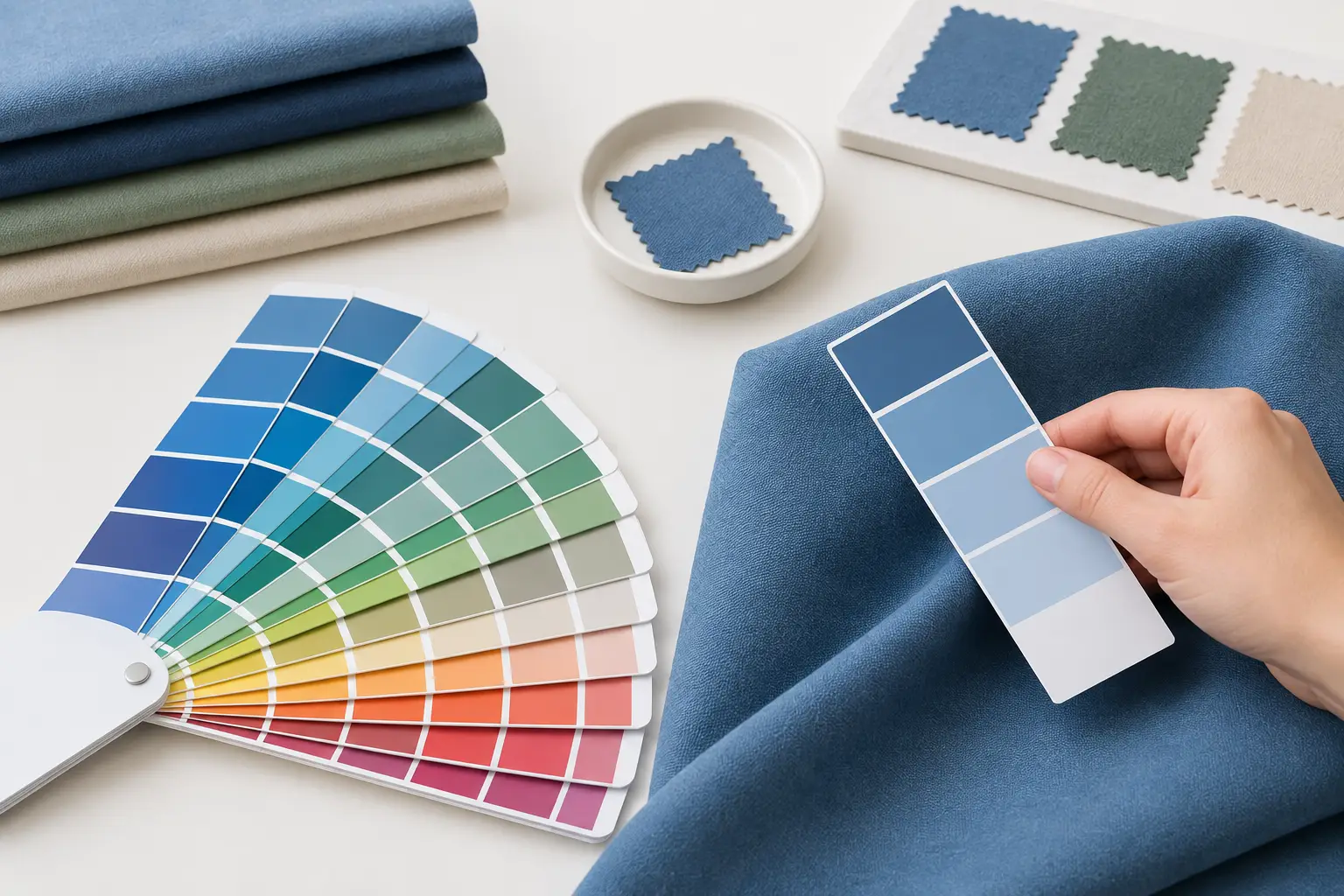
Color consistency deserves special attention. Brand colors can shift across kraft paper, coated boxes, fabric bags, and printed cards. If a precise color match is required, request a proof or sample and provide approved color references. This is especially important when the gift includes custom apparel, caps, bags, and packaging that must look like one coordinated program.
Select a format that fits the product and the budget
Packaging materials should be chosen for function first, then finish. Rigid gift boxes create a high-end presentation and work well for premium client gifts, awards, and curated kits. They also cost more to produce, store, and ship, particularly when the box is large or includes custom inserts.
Foldable cartons offer a more efficient option for many corporate orders. They can be printed with your branding, sized for apparel or smaller merchandise, and packed flat before assembly. For shirts, polos, caps, and lightweight accessories, this format often balances presentation and cost effectively.
Branded tote bags and drawstring bags have a second life after the gift is received. That continued use can provide more brand exposure than a disposable box, making them a strong choice for events, schools, sports teams, and employee programs. The trade-off is that soft packaging provides less protection and may not create the same formal reveal as a box.
Paper bags, mailers, sleeves, and tissue wraps are useful supporting pieces. They can add identity to a straightforward product order without requiring a fully custom box. A branded sticker or printed card may be enough when timelines are tight or quantities are modest.
If sustainability is part of your organization’s purchasing criteria, ask about recyclable materials, reusable bag formats, and packaging designs that avoid unnecessary layers. The most responsible choice is not automatically the one with the most environmental claims. It is the option that fits the shipment, protects the product, and is likely to be reused or responsibly discarded by the recipient.
Create a deliberate unboxing sequence
A well-packed gift should feel organized from the outer layer to the final item. This does not require excessive materials. It requires a clear order of presentation.
For a multi-item corporate gift, start with a clean exterior that carries your main brand mark. Inside, use a card or message as the first point of contact, then place the highest-value item where it is immediately visible. Supporting merchandise can sit beneath it or in separate compartments. Tissue paper, a fabric pouch, or a simple belly band can hold items in place while adding a finished look.
Avoid filling a package with promotional pieces that have no clear use. Recipients appreciate a thoughtful message and practical information, but too many inserts can make a gift feel like a sales package. Let the quality of the apparel or merchandise do most of the talking.
Plan packaging production alongside merchandise production
Custom packaging has its own lead times, print approvals, material availability, and minimum quantities. Treating it as a last-minute addition can create avoidable compromise. A box may be ready after the apparel order, or the selected tote bag may not accommodate the final folded size of a jacket. These issues are easier to solve when packaging and products are developed together.
Begin by confirming the final product dimensions, including folded apparel, accessories, and inserts. Then approve packaging artwork with the same care given to embroidery placement or screen-print colors. Ask for a physical sample when the project involves premium gifts, complex inserts, multiple products, or an important launch date. A sample reveals problems that a digital proof may not show, such as tight fit, weak closure points, or logo placement that feels too small in real life.
For bulk orders, establish a packing checklist before assembly begins. It should identify every item per set, size or recipient labels where needed, card placement, and outer carton quantities. This protects specification accuracy and makes final quality checks faster. It also helps your team receive and distribute the order with confidence.
Green Cotton can coordinate customized apparel, promotional merchandise, and gift presentation as one production program, helping organizations keep branding aligned from the product itself to the package in the recipient’s hands.
A memorable gift does not need to be extravagant. It needs to arrive complete, well protected, and clearly connected to the organization that chose it. When packaging is planned with the same discipline as the merchandise, every handover becomes a stronger reflection of your brand.