A 500-shirt order can go smoothly or turn into a costly delay based on a few early decisions. That is why screen printing for bulk orders is less about picking ink colors and more about getting the production plan right from the start. For businesses, schools, event teams, and procurement managers, the real priority is simple: consistent branding, reliable quality, and delivery that lands when you need it.
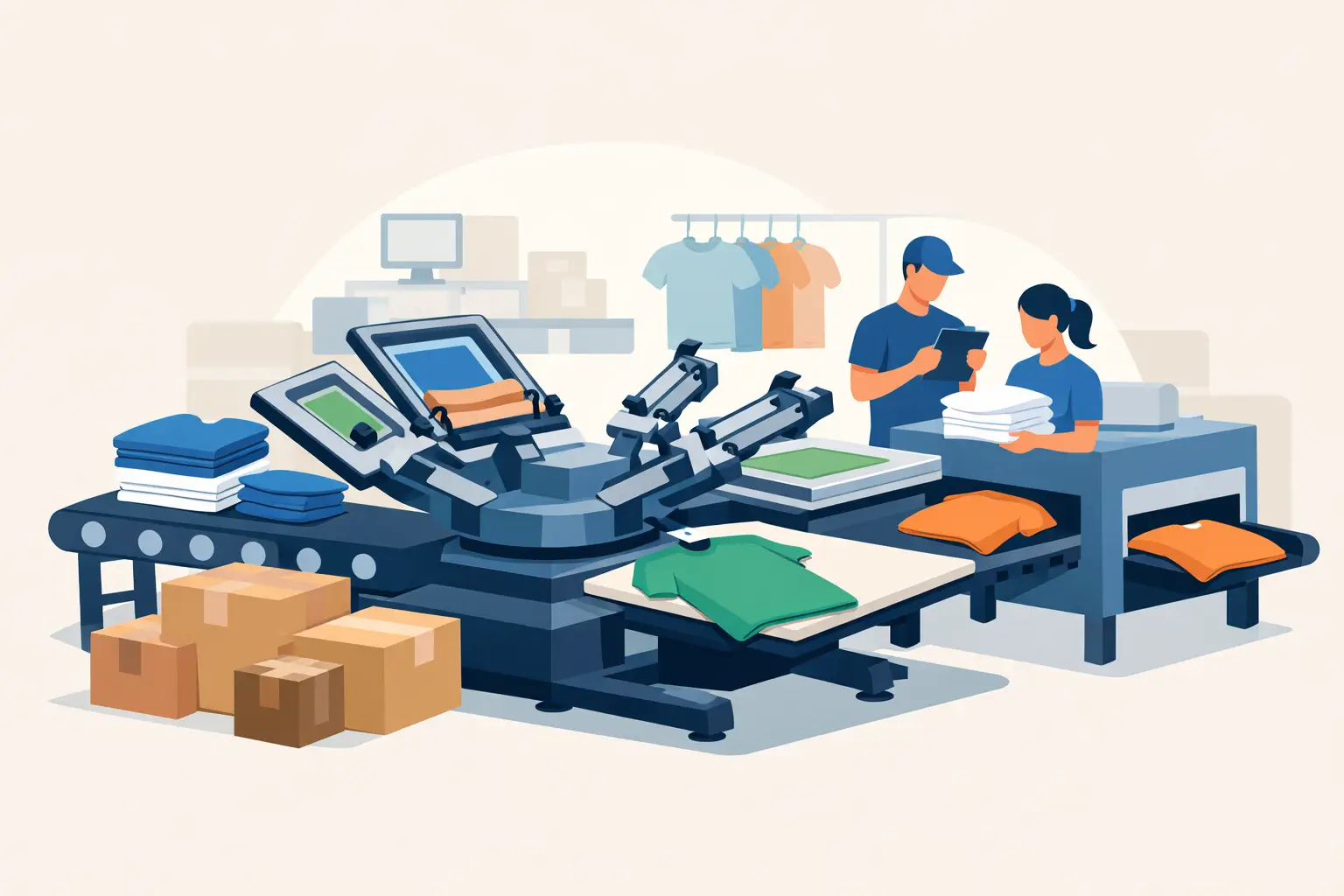
Screen printing remains one of the strongest decoration methods for large apparel runs because it is built for repeatability. Once the setup is complete, the process moves efficiently across high quantities with strong color coverage and dependable results. If your order includes staff uniforms, campaign shirts, event merchandise, or team apparel, screen printing usually offers the best balance of appearance, durability, and cost at scale.
Why screen printing for bulk orders makes sense
For larger quantities, setup costs are spread across more pieces, which drives down the cost per unit. That makes screen printing especially attractive when you need 100, 500, or several thousand garments with the same artwork. A business ordering branded tees for a nationwide promotion is solving a different problem than a startup ordering 12 samples. Bulk production rewards methods that are fast, consistent, and economical once the job is in motion.
There is also a branding advantage. Screen printing produces bold, solid graphics that hold up well over time. Logos stay visible, text remains sharp, and color blocks come out clean when the artwork is prepared properly. For uniforms and promotional apparel, that consistency matters because every shirt, hoodie, or tote bag represents your organization in public.
The trade-off is that screen printing is not the best fit for every design. If the artwork has highly detailed photographic gradients or every item needs a different name or number, other methods may be more practical. But for repeat logos, slogans, event graphics, and standard branded layouts, it is hard to beat.
What determines success on a bulk print run
Bulk apparel orders are won or lost before production starts. The best outcomes come from clear specifications, realistic lead times, and decoration choices that match the garment and use case.
Artwork quality comes first
Vector artwork is usually the safest starting point for screen printing. It keeps lines sharp and allows the production team to separate colors accurately. If your logo exists only as a low-resolution image pulled from a website or screenshot, that can slow approval and affect print quality.
Color count matters too. A one-color chest logo prints differently from a six-color event graphic. More colors can create a stronger visual impact, but they also add setup complexity. For high-volume orders, simplifying the art where possible often improves both speed and cost without weakening the brand.
Garment selection affects print performance
Not every fabric behaves the same way under ink. Standard cotton tees are usually straightforward, while blends, performance fabrics, and specialty materials may need different inks or curing conditions. If the order includes multiple garment styles, that should be discussed early because a print that looks perfect on a ringspun cotton shirt may not behave the same on a lightweight polyester polo.
This is where a full-service production partner adds value. Instead of treating the garment and the print as separate decisions, the better approach is to match fabric, fit, color, and decoration method as one coordinated specification.
Placement and sizing need consistency
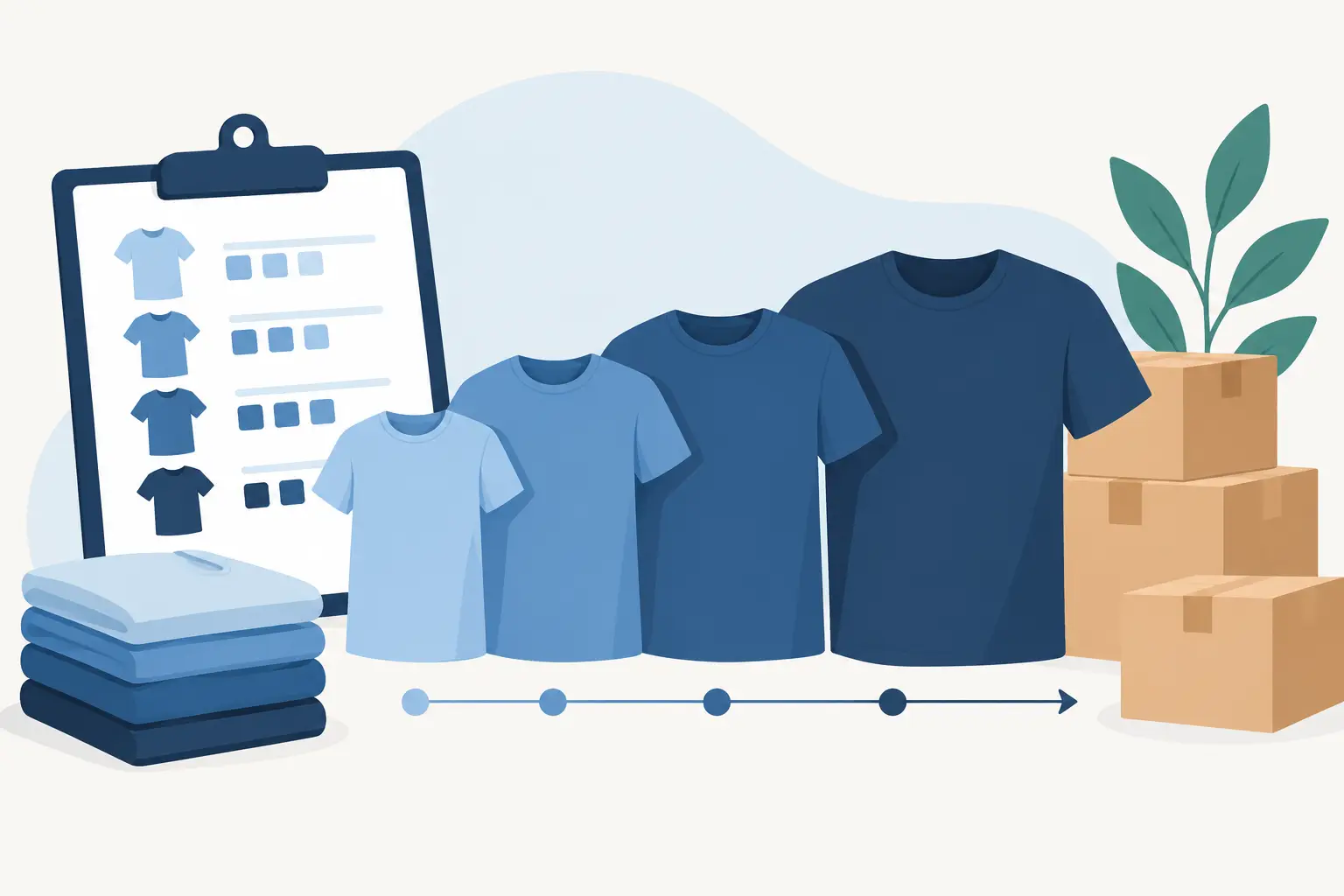
A left chest logo, full front print, sleeve branding, or oversized back graphic each comes with different setup needs. In bulk manufacturing, consistency across every piece is critical. That means print placement measurements, artwork size, and garment size breakdown should be approved before production begins.
It also helps to think about the wearer. Staff uniforms may need a more restrained logo size for a polished appearance. Event shirts may benefit from larger graphics that read clearly from a distance. The right print is not just technically correct. It should match the purpose of the garment.
The cost side of screen printing for bulk orders
Most buyers want two things at once: dependable quality and controlled spending. Screen printing can support both, but only when the quote reflects the real scope of the job.
The biggest cost drivers usually include quantity, number of print colors, number of print locations, garment type, and timeline. A 1,000-piece order with one-color front prints is a very different production job from 300 polos with front, back, and sleeve branding. Both can be handled well, but they should not be priced or planned the same way.
Rush timelines also affect cost. If your event is fixed and the order approval comes late, production may need schedule adjustments to meet the deadline. That is why it pays to lock artwork, quantities, and size breakdowns early. Last-minute changes are one of the fastest ways to disrupt efficiency on a bulk order.
For procurement teams comparing vendors, the cheapest unit price is not always the best value. If print consistency is poor, garments arrive late, or specifications are off, the hidden cost shows up quickly. Replacements, missed events, and damaged brand presentation can cost more than a slightly higher but properly managed quote.
How to plan a smoother order
A strong bulk order starts with a complete brief. That means sharing the intended use, target quantity, delivery date, garment preferences, branding guidelines, and size ratio upfront. The more complete the information, the faster the production team can recommend the right solution.
Approvals should be treated seriously. Artwork proofs, garment colors, print placement, and estimated production timing should be confirmed before the job moves ahead. For large organizations, this often means aligning internal stakeholders early so marketing, HR, procurement, and operations are not giving conflicting feedback midway through the run.
Sampling can also help when the order is substantial or brand-sensitive. A pre-production sample is useful when exact color feel, print hand, or placement needs review before full manufacturing begins. It adds a step, but in many cases it reduces risk.
When screen printing is the right choice and when it is not
Screen printing is ideal when you need volume, design consistency, and durable branding across many identical pieces. It is especially effective for company T-shirts, school event apparel, promotional merchandise, teamwear, and campaign uniforms.
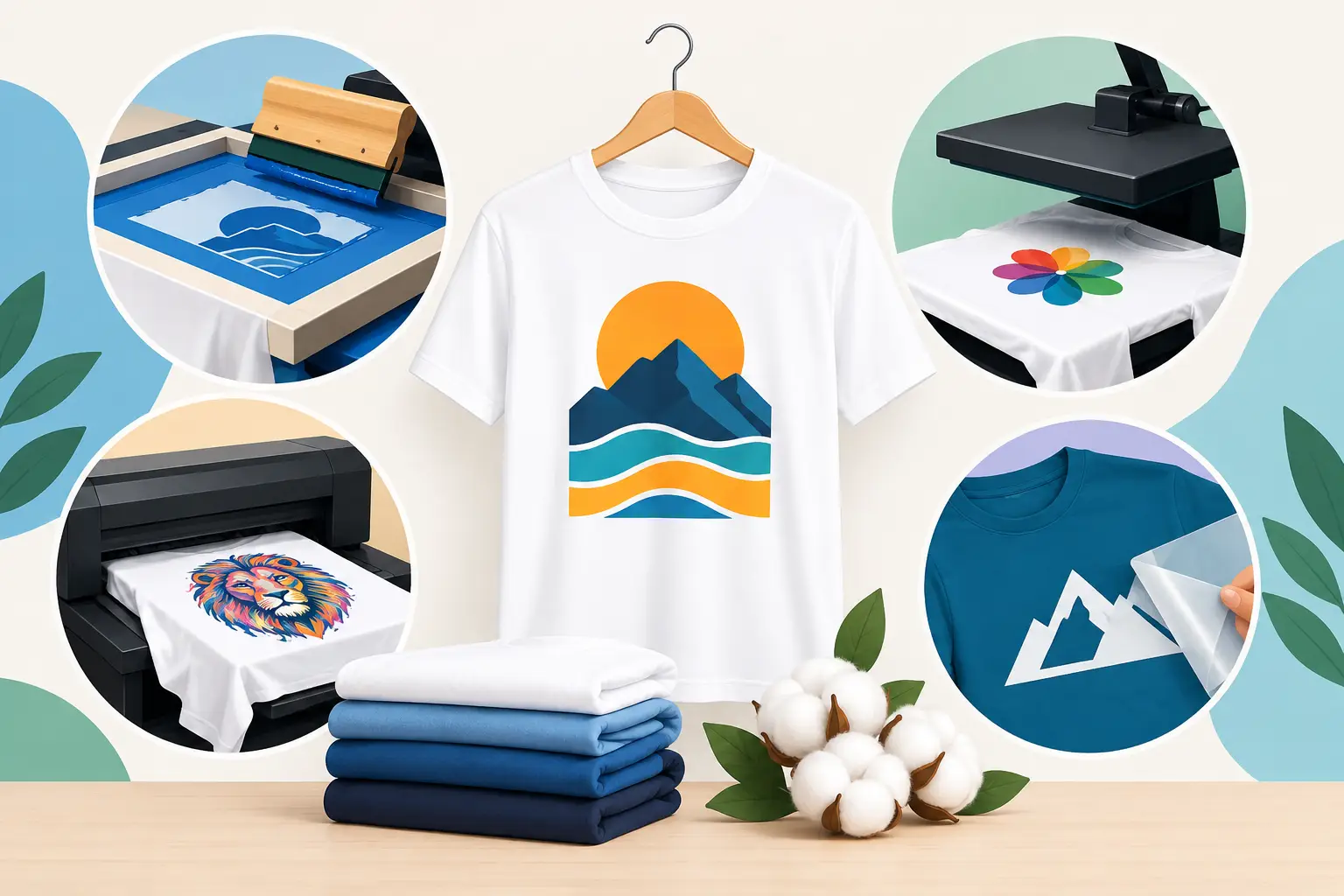
It becomes less ideal when the order requires highly individualized output, such as unique names on every item, or when the artwork depends on photographic detail with many tonal transitions. In those cases, a mixed-decoration strategy may be smarter. A capable supplier should be willing to recommend embroidery, heat transfer, sublimation, or another method when it better suits the garment and graphic.
That honesty matters. The goal is not to force one method onto every project. The goal is to produce the right item, at the right quality level, on the right timeline.
Why operational discipline matters more than promises
Bulk customization is not just about printing. It is about controlling the full chain – garment sourcing or manufacturing, color matching, size allocation, decoration setup, quality checks, packing, and delivery coordination. A supplier that handles these steps with discipline protects your timeline and your brand.
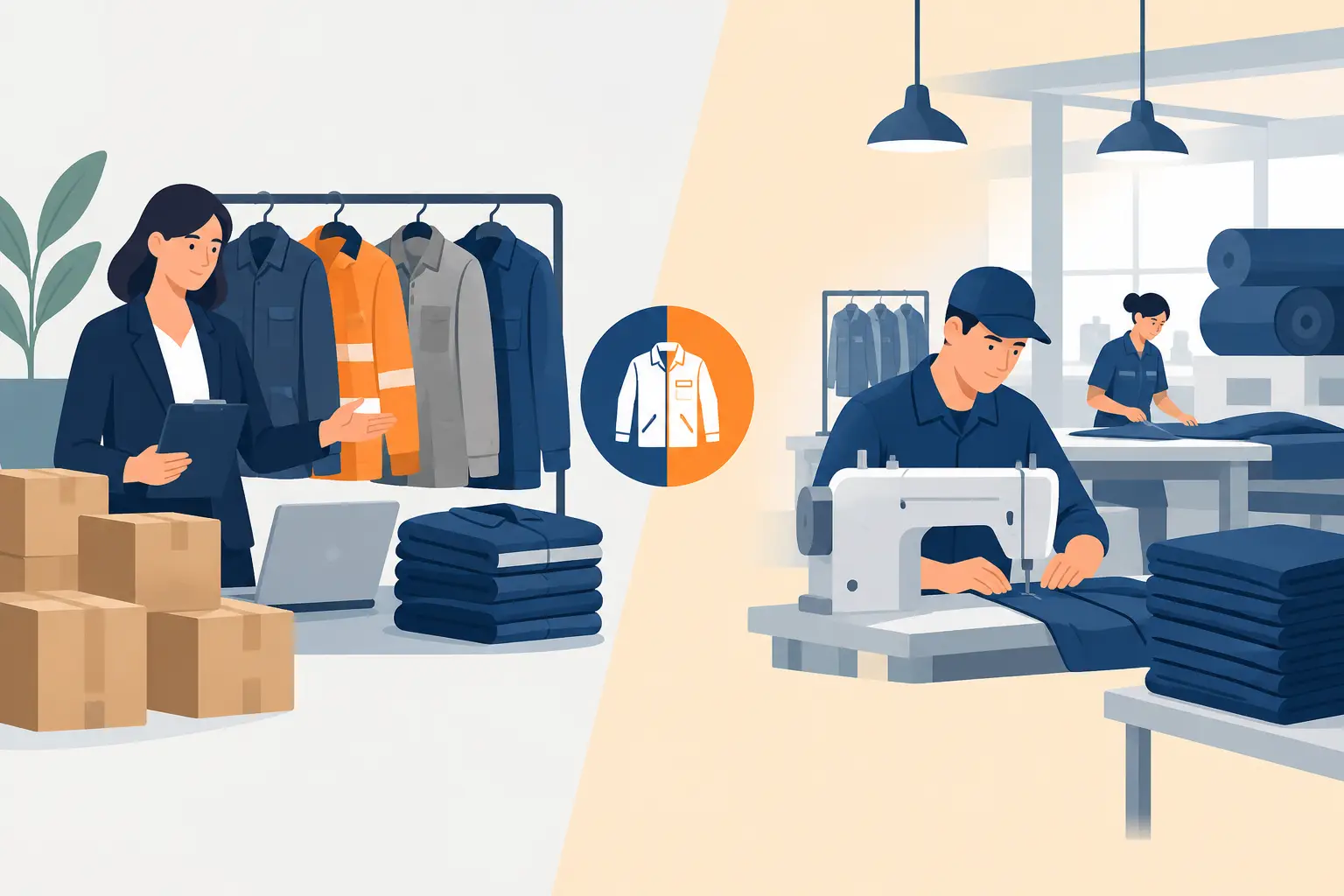
This is where buyers often see the difference between a print shop and a production partner. A print shop may focus on applying artwork. A production partner helps manage specifications, flags risks early, and builds the order around your actual use case. For organizations ordering at scale, that support is not a bonus. It is part of making the project work.
Green Cotton approaches custom apparel this way because bulk orders require more than equipment. They require ownership. When multiple departments, event dates, or product categories are involved, accuracy and accountability matter just as much as the print itself.
What good bulk screen printing looks like in practice
Good results are easy to recognize. The logo is centered and consistent. Ink coverage is solid. Colors are close to approved expectations. The garments feel appropriate for the audience and use. Cartons are packed logically. Delivery happens when promised.
Poor results usually trace back to familiar issues: vague artwork files, rushed approvals, mismatched garments, unrealistic deadlines, or weak production controls. Most of these problems are preventable when the supplier asks the right questions early and the buyer provides clear direction.
If you are ordering for a staff rollout, trade show, fundraiser, school program, or large event, screen printing is still one of the most reliable ways to produce branded apparel at scale. The key is not simply choosing screen printing. It is choosing a process that respects your specifications, your schedule, and the fact that every piece carries your identity.
The best bulk order is the one you do not have to chase. When the planning is solid and the production team is accountable, screen printing becomes exactly what it should be – efficient, consistent, and ready to represent your brand with confidence.