
A packed registration desk, a long line at check-in, and staff members answering the same question over and over – “Where can I get the event shirt?” That moment tells you something useful. Good event merchandise is not an afterthought. If you want to know how to create event merchandise that people actually want, you need a plan that starts well before production.
For event organizers, marketing teams, schools, and corporate buyers, merchandise does more than fill a booth table. It supports brand visibility, creates a shared identity, gives sponsors more exposure, and can even recover part of your event cost. The difference between leftover stock and high-demand merchandise usually comes down to product choice, design discipline, and production timing.
Start with the job your merchandise needs to do
Before you pick a T-shirt color or compare printing methods, define the purpose. Event merchandise can serve very different roles. A conference giveaway has different requirements than a charity run race pack. Staff uniforms need consistency and comfort. VIP gifts need a more premium feel. Fan merchandise for a public event needs stronger visual appeal and clearer pricing.
This is where many teams lose time. They try to create one item for every audience. In reality, your merchandise mix should match the event structure. A practical setup might include staff polos for operations, branded T-shirts for participants, tote bags for registration kits, and premium gifts for sponsors or speakers. When each item has a clear purpose, your decisions become faster and your budget becomes easier to control.
How to create event merchandise around your audience
The most effective answer to how to create event merchandise is simple: build for the people attending, not for internal preferences. What looks good in a planning meeting may not be what attendees will wear after the event.
Start with a few direct questions. Who is receiving the item? Will they wear it, carry it, use it at the event, or take it home? Is the audience mostly employees, students, runners, families, or corporate guests? A youth sports event may do well with performance jerseys and caps. A trade event may get better results from tote bags, lanyards, notebooks, and clean corporate apparel. A community event may need accessible price points and broad size ranges.
Think about use beyond the event day. Merchandise that keeps working after the event gives you better value. A well-made polo, tote bag, cap, or travel accessory can continue carrying your brand long after banners come down.
Choose products based on function, not trend
There is always pressure to select whatever looks new or trendy, but event merchandise works best when it is useful, appropriate, and realistic to produce in bulk. Apparel remains the strongest category for most events because it creates instant visibility and team identity. T-shirts are flexible, cost-effective, and easy to distribute. Polo shirts and uniforms are better for staff, sponsors, and formal corporate settings. Sports or outdoor events often benefit from moisture-wicking jerseys or lighter performance fabrics.
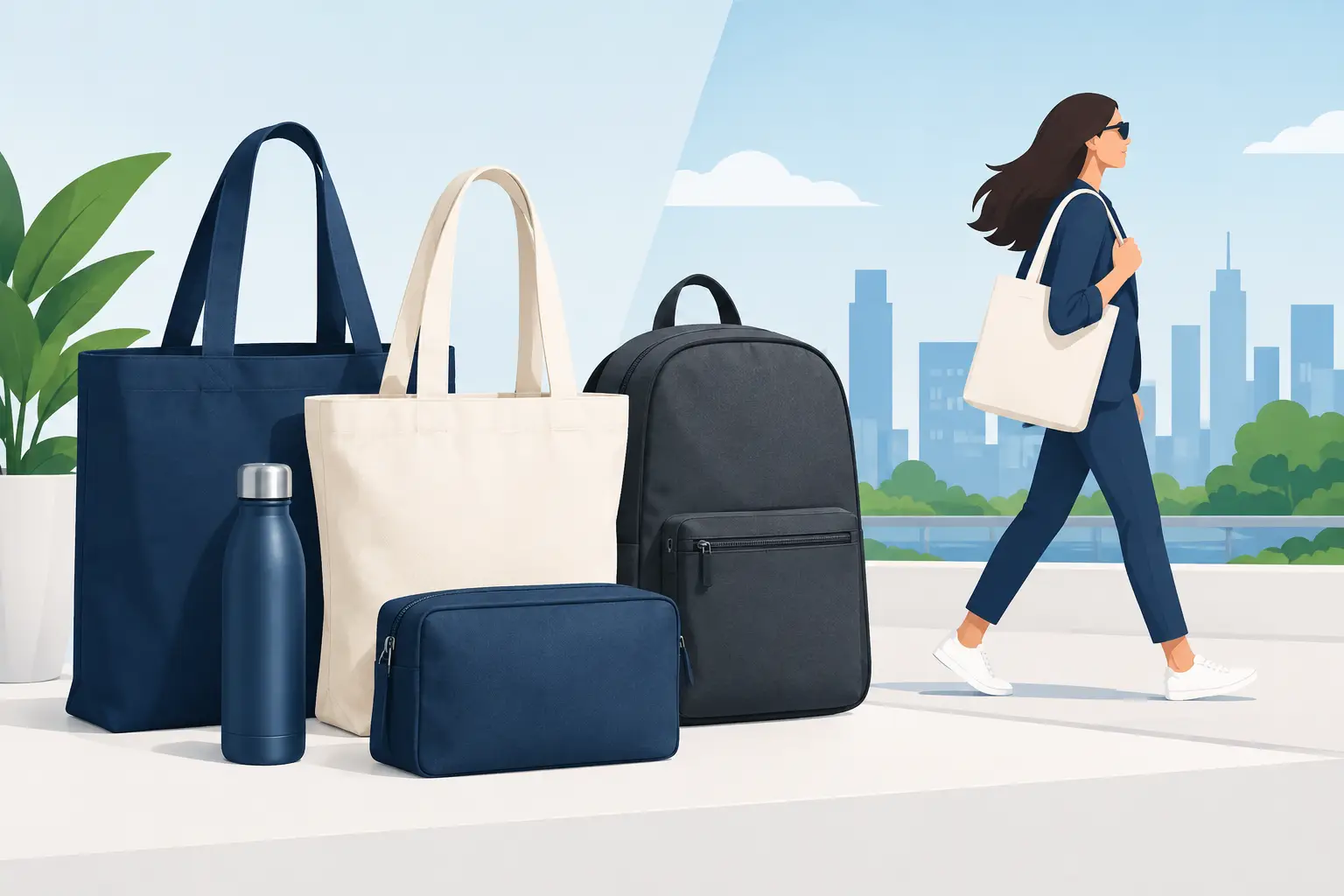
Non-apparel products matter just as much when they fit the event experience. Tote bags are practical for conferences and school events. Caps work well for outdoor use. Premium gifts make sense for executive audiences or sponsor appreciation. The key is not offering more items. It is offering the right items.
If your order volume is high, consolidating product categories with one production partner usually reduces risk. It helps you maintain color consistency, brand application standards, and delivery coordination across apparel and promotional items.
Build the design for production, not just approval
A design can look sharp on screen and still fail in production. That is why merchandise design needs to balance creativity with manufacturing reality. Strong event merchandise is recognizable from a distance, aligned with your brand, and suitable for the decoration method you plan to use.
Keep the message focused. Event name, year, sponsor placement, and logo hierarchy should be intentional. If everything is large, nothing stands out. For public-facing merchandise, simpler designs usually perform better because people are more likely to wear them again. For staff uniforms, clarity matters more than novelty. Your team should be easy to identify in a crowd.
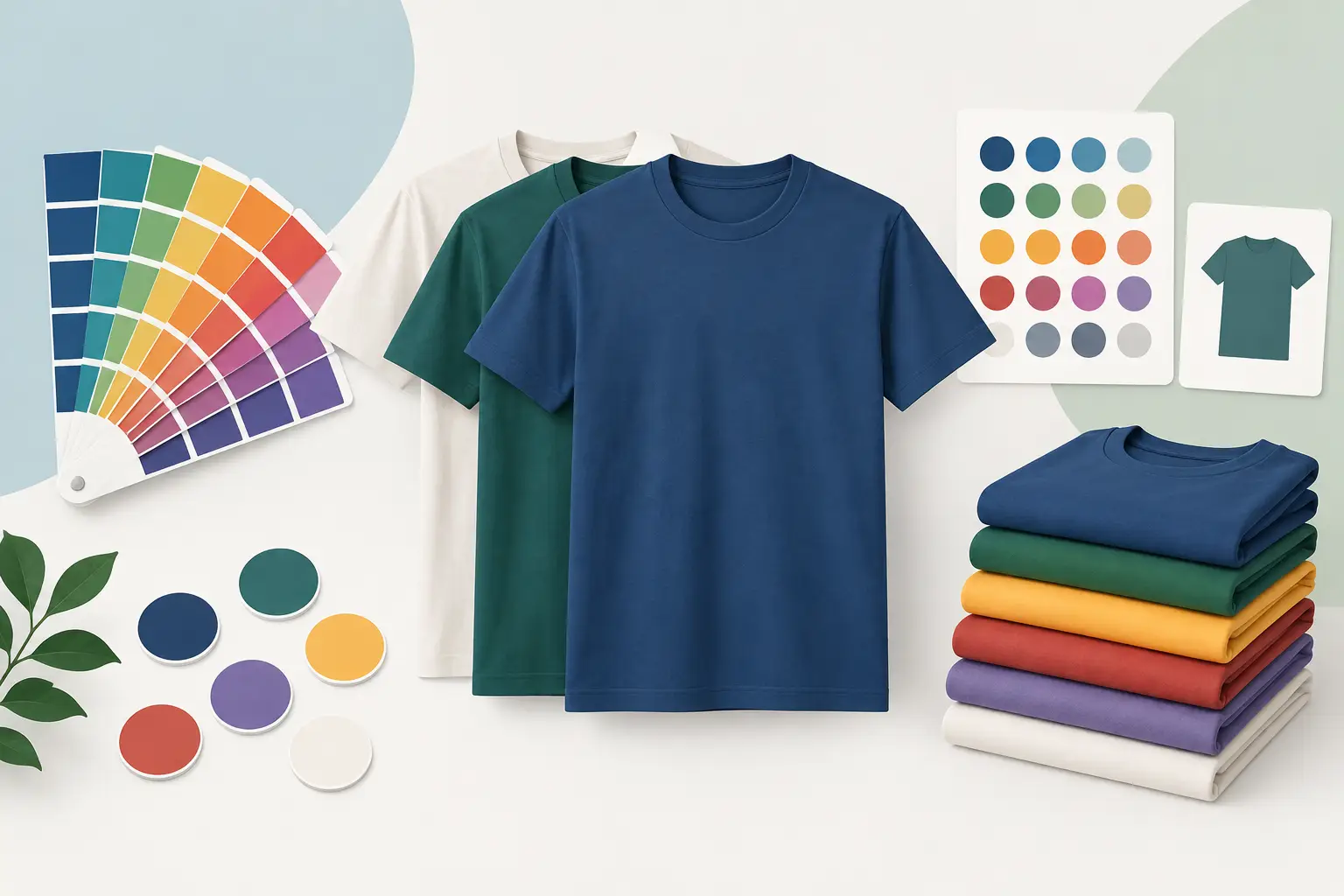
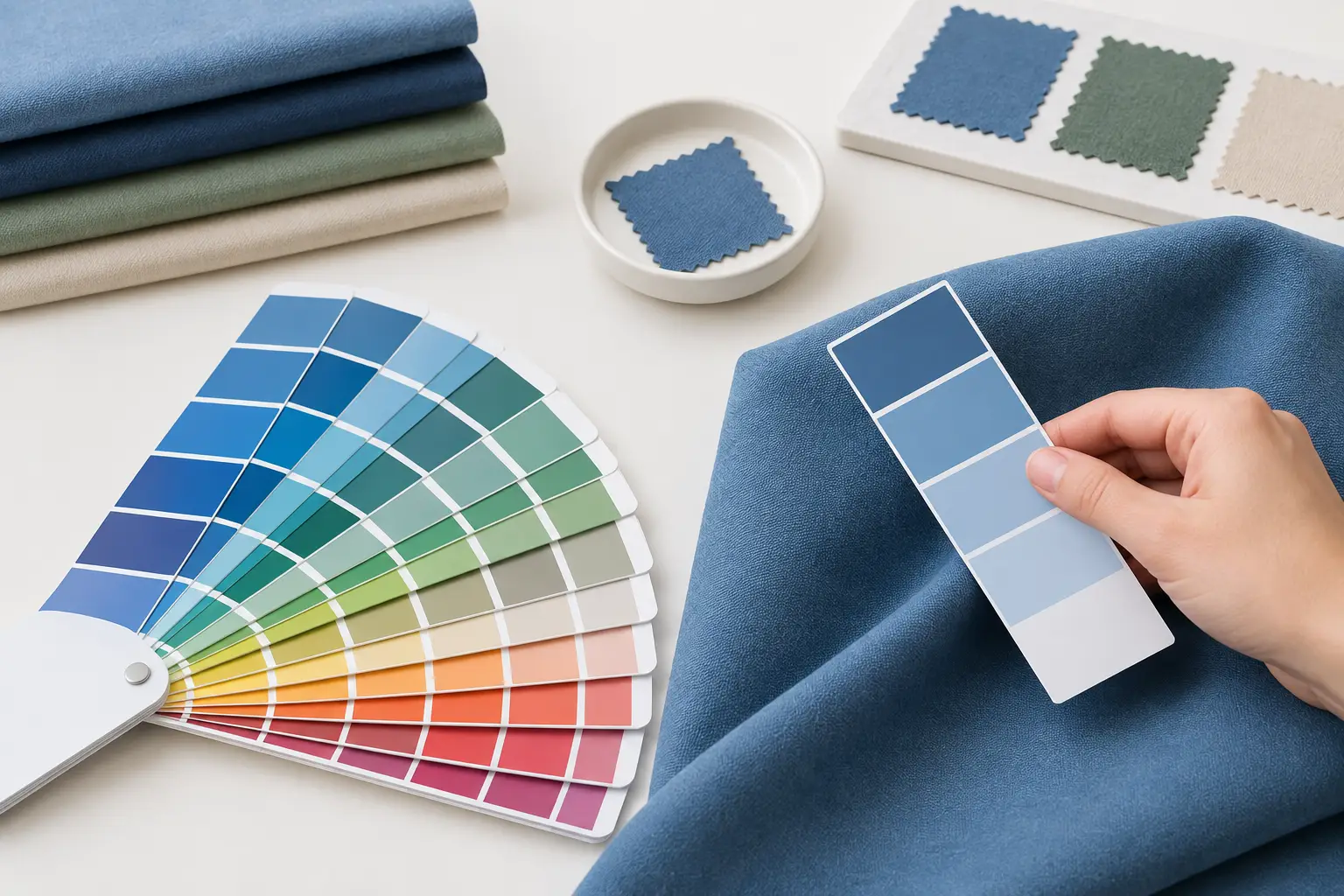
Fabric and product color also affect the final result. A light print on a dark shirt may require a different production approach than a dark print on a light shirt. Embroidery adds a premium finish, but it is better suited to logos and smaller design areas than large graphic artwork. Sublimation works well for full-coverage sportswear. Screen printing is often efficient for bulk apparel runs. Heat transfer and direct-to-garment can be useful depending on the artwork, material, and quantity.
If you are managing a large event, get digital mockups and specification confirmation before production starts. Sizes, logo position, print dimensions, garment color, and packaging details should all be approved clearly. Small specification errors become expensive at scale.
Budget with tiers, not one flat number
A common mistake in event planning is setting one broad merchandise budget without separating item types. A better approach is to create tiers. Your participant giveaway item should be budgeted differently from staff apparel or sponsor gifts.
This gives you room to spend where it matters. A high-volume registration T-shirt needs cost efficiency and reliable sizing. A VIP gift can justify higher unit value because the quantity is lower and the audience expectation is higher. Staff uniforms may require stronger fabric quality because they are worn for long hours and need a more professional finish.
Budgeting this way also helps when trade-offs appear, which they usually do. If you face a tighter budget, you may reduce print locations, simplify packaging, or shift one category to a different fabric. That is much better than cutting quality across every item.
Get your quantities and sizing right early
Merchandise planning often breaks down in quantity forecasting. Too few units create disappointment. Too many leave you holding dead stock. The right quantity depends on event type, ticketing certainty, audience profile, and whether items are free, bundled, or sold.
For apparel, size distribution matters as much as total quantity. Use past event data when possible. If there is no history, build a realistic size curve instead of ordering equal quantities across all sizes. Staff apparel should be confirmed individually. Participant merchandise may need a broader spread. Public sales merchandise needs more caution because demand can shift based on design appeal and price.
If you expect last-minute registration changes, discuss buffer quantities early. Production schedules are easier to manage when contingency is planned from the start instead of added after approval.
How to create event merchandise on a workable timeline
If you want to know how to create event merchandise without production stress, start earlier than you think you need to. The timeline is not just printing time. It includes concept development, product selection, artwork revisions, sampling if required, quantity confirmation, size collection, approval, manufacturing, packing, and delivery.
Rush decisions tend to create avoidable problems. Buyers settle for available stock instead of the right product. Artwork gets approved too quickly. Delivery windows become narrow. If your event involves multiple product categories, custom colors, or special packaging, lead time becomes even more critical.
A dependable production partner should be able to guide this process, flag technical issues early, and keep the order moving against a clear schedule. That support matters when your event date cannot move.
Think beyond the item itself
The best merchandise programs do not stop at product selection. Distribution matters. Packaging matters. Presentation matters. A shirt handed out loosely at a table creates a different impression than a properly sorted, labeled, event-ready package.
You should also think about where merchandise fits into the attendee journey. Is it part of registration? A staff issue process? A retail booth? A sponsor bundle? A gift pack in hotel rooms? When merchandise is integrated into event operations, it feels intentional rather than added at the last minute.
This is where a full-service supplier can make a measurable difference. When design assistance, decoration, production, quality control, and bulk fulfillment are coordinated properly, you spend less time chasing details and more time managing the event itself. That is one reason many organizers work with experienced partners like Green Cotton for multi-category custom production.
Measure success after the event
The real test of event merchandise is not whether it arrived on time, although that matters. It is whether the products performed. Did staff look consistent and professional? Did attendees wear the apparel? Did sponsors get visibility? Did the merchandise support your brand the way it was meant to?
Review what moved, what got used, and what was left behind. Track feedback on fit, fabric, print quality, and product relevance. That information becomes your advantage for the next event. Merchandise improves when it is treated as an operational asset, not just a branding extra.
A strong event leaves people with something worth keeping. If your merchandise is useful, well-made, and aligned with the audience, it keeps doing its job long after the event floor is cleared.