
A late delivery can wreck an event before the first guest even checks in. Branded shirts arrive in the wrong sizes, tote bags show up with off-color logos, or giveaway items clear customs too late to matter. That is why choosing a bulk merch supplier for events is not a small purchasing decision. It is an operations decision, a brand decision, and in many cases, a deadline decision.
For event organizers, marketing teams, HR departments, and procurement leads, the right supplier does more than print a logo on a product. The right partner helps you match merchandise to event goals, control quality across quantities, and keep production moving without constant follow-up. When hundreds or thousands of items are involved, details that seem minor at the quote stage become expensive very quickly.
What a bulk merch supplier for events should actually handle
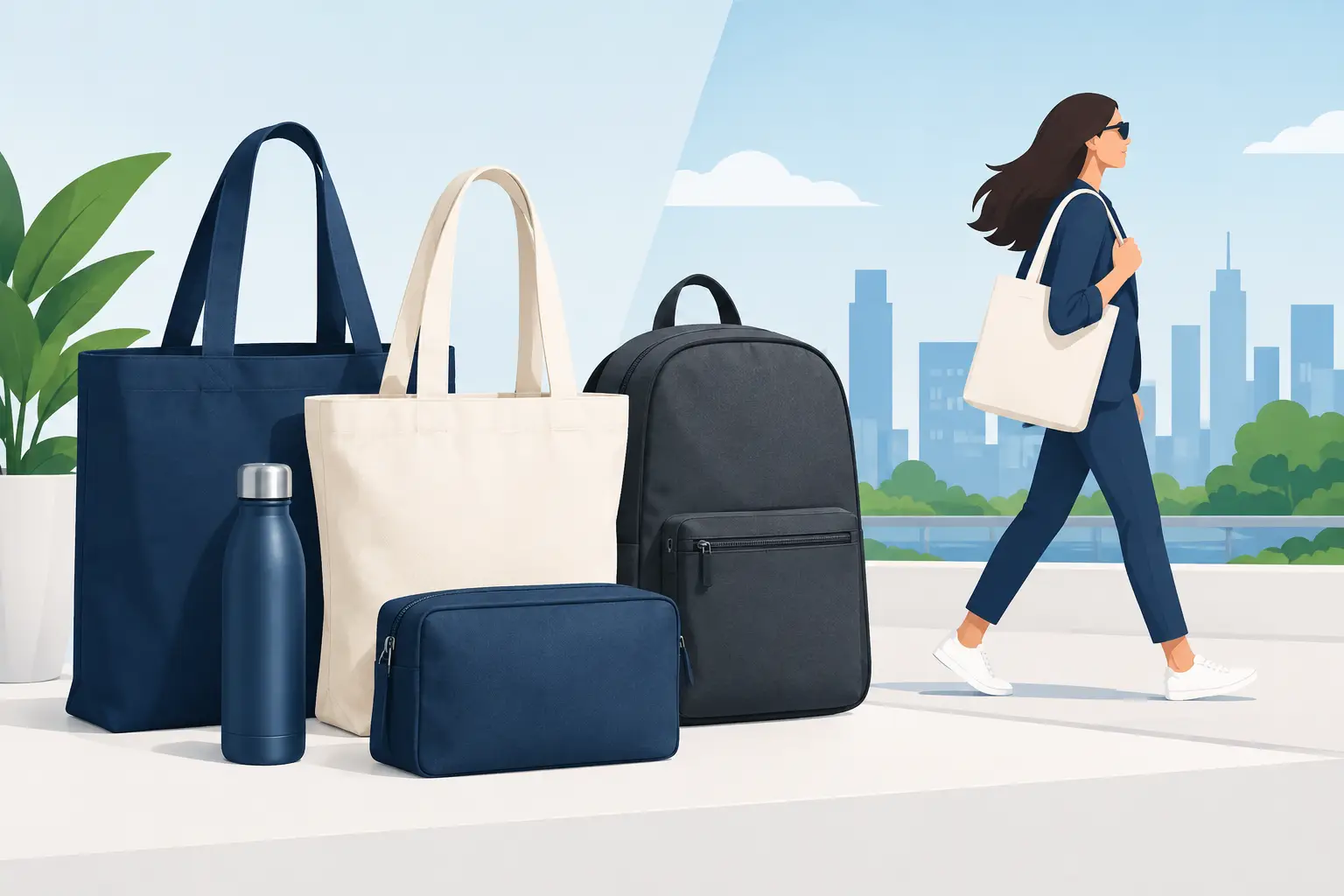
Event merchandise is rarely just one item. A conference may need staff polos, exhibitor kits, attendee T-shirts, welcome bags, lanyards, notebooks, and premium gifts for VIPs. A school event may need house shirts, caps, tote bags, and medals or supporting accessories. A company roadshow may require different products for internal teams, customers, and media.
That is why a bulk merch supplier for events should be able to manage product range and production coordination, not just decoration. If you have to source shirts from one vendor, bags from another, and gifts from a third, you increase the risk of brand inconsistency, timeline overlap, and approval delays. A single capable supplier simplifies communication and makes accountability clearer.
The strongest suppliers also guide you through product fit. A lightweight cotton T-shirt may work for a community run, while a moisture-wicking jersey is better for an outdoor team event. A premium gift set may suit a client appreciation dinner, but it is the wrong spend profile for a mass sampling campaign. Good suppliers do not force every event into the same catalog answer. They align the product to the use case.
Start with the event objective, not the item list
Many bulk orders go wrong because the buying team starts with products before defining purpose. If the goal is brand visibility, wearable items and reusable bags may carry more value than desk accessories. If the goal is staff presentation, uniform consistency and comfort matter more than novelty. If the goal is attendee retention, practical items people use after the event usually outperform disposable giveaways.
This matters because your supplier should be helping you make those calls early. A production partner with real event experience will ask who the audience is, how the merch will be distributed, whether the event is indoors or outdoors, and what timeline the approvals need to meet. Those questions are not sales filler. They reduce rework.
When a supplier pushes straight to pricing without discussing event goals, that is often a warning sign. Cheap unit cost can look attractive until the product underperforms, the branding method is unsuitable, or the lead time is too tight for proper quality checks.
Product range matters more than most buyers expect
Broad product selection is not just about convenience. It affects how well your brand shows up across the event.
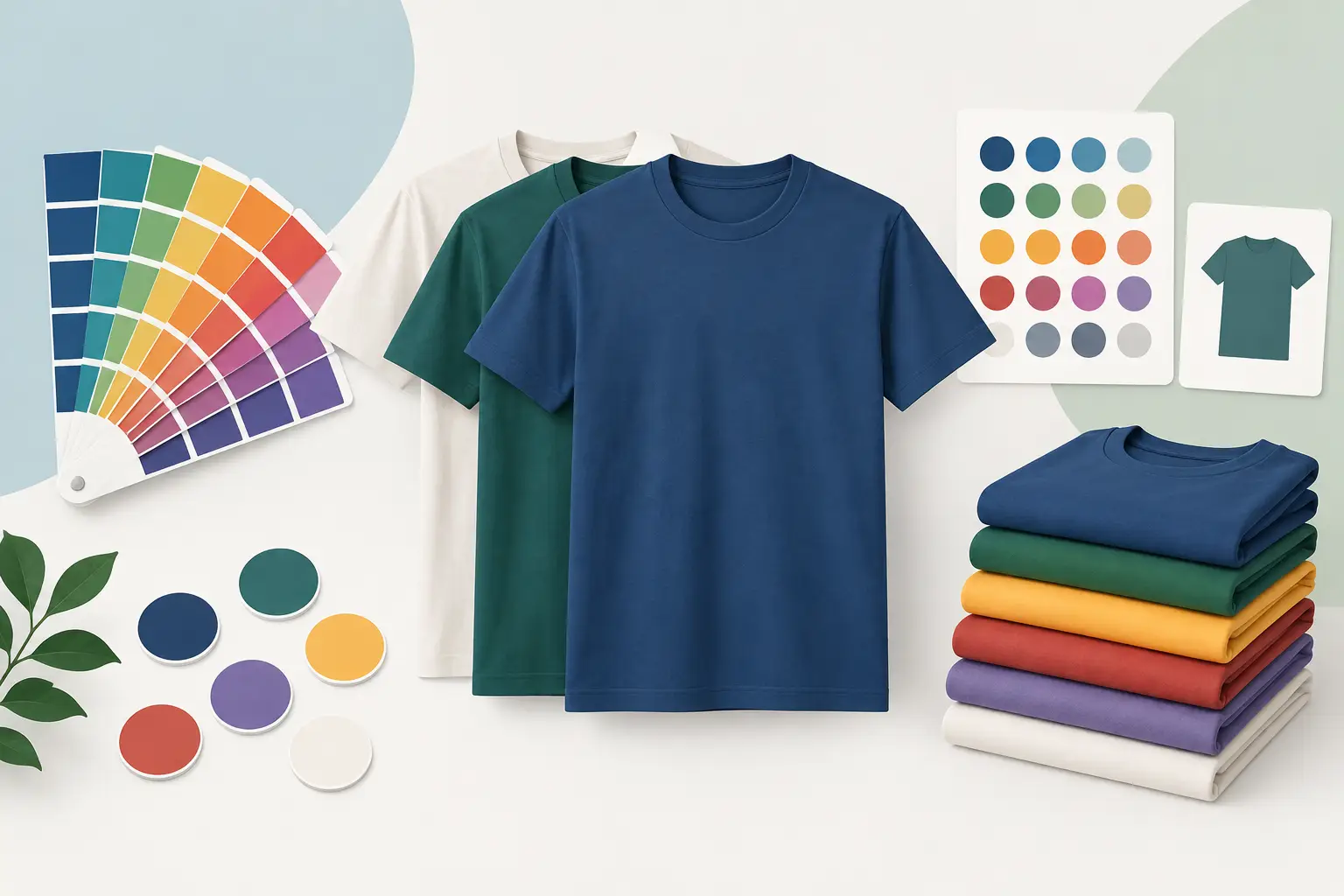
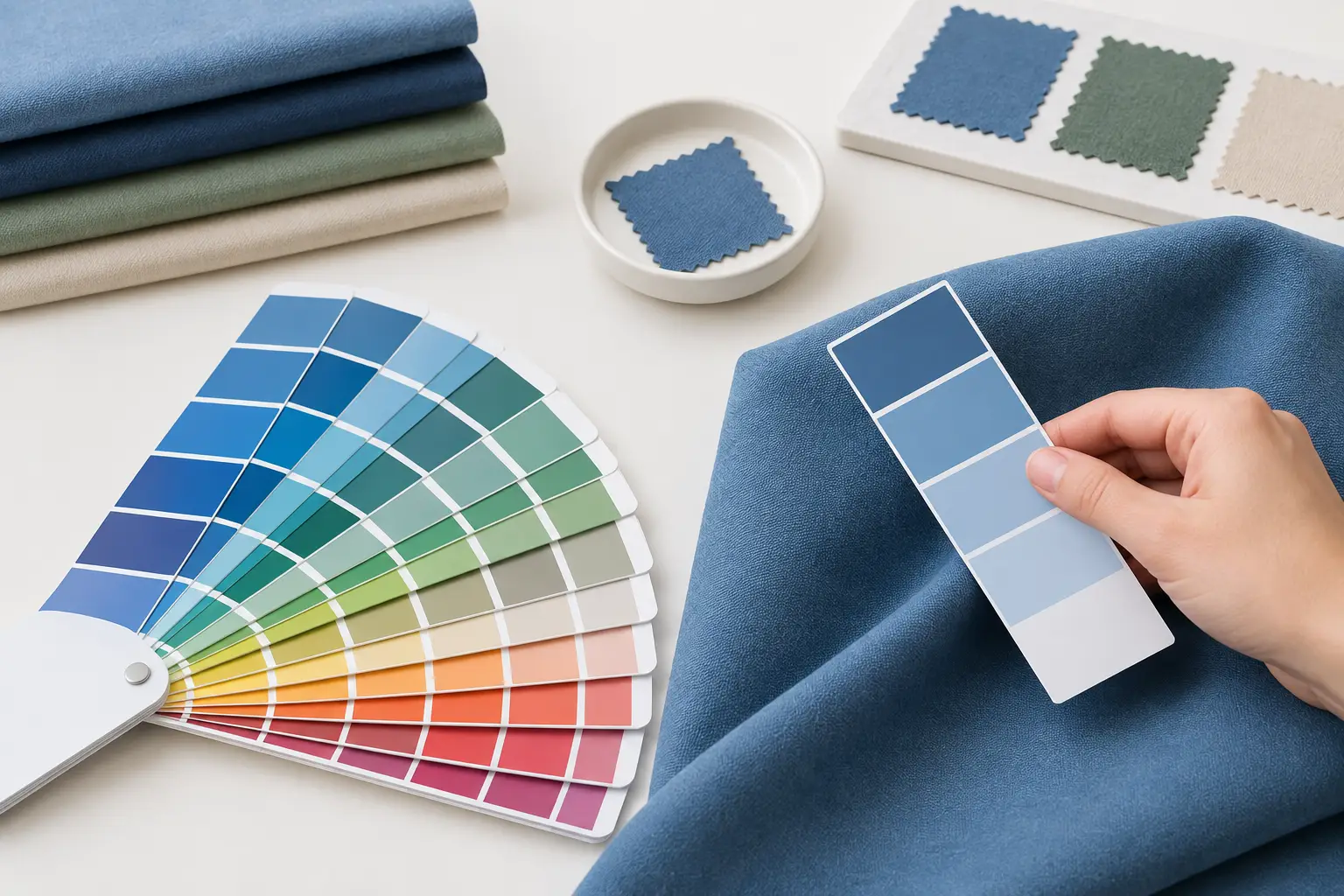
If your event requires custom T-shirts, polos, caps, tote bags, travel bags, and premium gifts, you want consistency in color matching, logo placement, packaging standards, and finishing. Working with a supplier that can support apparel and promotional merchandise together gives you a better chance of building a coordinated set instead of a pile of unrelated items.
This is especially important for businesses running multi-day events or recurring programs. Sales kickoffs, campus activations, annual dinners, sports days, onboarding events, and customer launches all create repeat demand. A supplier that can move from uniforms to giveaway items to premium gifting gives your team room to scale without rebuilding the sourcing process every time.
Decoration capability can make or break the result
Not every logo belongs on every material, and not every print method suits every quantity. This is where supplier capability becomes practical, not technical.
Screen printing is often a strong fit for larger apparel runs with simple color applications. Embroidery can elevate polos, caps, and uniforms when a more durable and premium finish is needed. Sublimation works well for full-coverage sportswear and designs that need vibrant all-over color. Heat transfer and direct-to-garment can be useful for specific artwork requirements, smaller runs, or more detailed image work.
A reliable supplier should explain the trade-offs clearly. Embroidery adds texture and perceived value, but it is not ideal for every fabric or oversized graphic. Screen printing is cost-effective at scale, but may not be the best route for small quantities with complex variation. Sublimation delivers bold visual impact, but it requires the right garment base from the start.
The point is simple: event merch should be produced with the method that fits the garment, design, budget, and quantity. If your supplier cannot guide that decision, you are left making technical choices without production context.
Timelines are not just about speed
Fast turnaround matters, but speed alone is not the best metric. What you really need is a supplier with a reliable production process.
That includes confirming specifications early, approving artwork before production starts, validating sizing, managing material availability, and building in quality control before dispatch. A supplier that promises impossible timelines may win the order and still lose your event.
It also helps to ask how the supplier handles changes. Event plans move. Headcounts shift, sponsors change, and dates get compressed. No supplier can absorb every revision without impact, but a strong one will tell you quickly what can still be done, what needs to be adjusted, and where the trade-offs are. That level of ownership is worth far more than vague reassurance.
Quality control is where bulk orders are won or lost
In event production, one approved sample does not guarantee one thousand acceptable units. Bulk consistency is the real test.
You should expect your supplier to control size breakdowns, fabric consistency, print positioning, stitching quality, color matching, and packing accuracy. If items are sorted by team, department, registration type, or event day, that sorting should be discussed well before fulfillment. Small packing errors create major distribution problems onsite.
This is where an experienced manufacturing partner stands out. The team should understand that specification accuracy matters as much as visual appeal. A shirt that looks good but runs two sizes small is still a failed order. A gift item with excellent branding but damaged packaging is still a poor event impression.
Suppliers that own the production process tend to perform better here because there are fewer handoffs and fewer chances for specifications to drift.
Price matters, but total order value matters more
Procurement teams are right to compare costs. But on event merchandise, the lowest unit price is rarely the full story.
A cheaper item with poor durability can weaken brand perception. A lower quote that excludes packing, artwork adjustments, or freight timing can become more expensive later. A vendor with no flexibility on quantity changes may lock you into waste. On the other hand, premium products are not automatically the right choice either. Sometimes a simpler item with better utility gives stronger event impact than a costly gift that feels disconnected from the audience.
The better question is this: what are you getting for the spend? Look at product suitability, branding quality, delivery confidence, and how much coordination burden stays with your team. A supplier that reduces mistakes and keeps the project moving often creates better commercial value than one that only looks cheaper on paper.
What to ask before you place the order
Before confirming a supplier, get clarity on the details that affect execution. Ask what product categories they can produce under one order plan. Ask which decoration methods they recommend for your design and quantity. Ask how they manage samples, approvals, size runs, and final packing. Ask what the production lead time assumes, and what could cause delays.
Also ask who is responsible for checking artwork placement, colors, and specifications before manufacturing starts. Accountability should never be fuzzy in a bulk order. If the answer sounds improvised, the production probably will be too.
For buyers who need a dependable, customization-led partner, Green Cotton reflects what strong event sourcing should look like: broad product capability, in-house decoration expertise, quality-focused production, and a process built around getting specifications right the first time.
The best event merchandise does not happen by luck. It comes from choosing a supplier that treats your deadline, your brand, and your order details like they own the outcome. When that happens, your merch stops being a procurement task and starts doing what it should – representing your organization well long after the event ends.