
A uniform fails fast when it looks good in a mockup but feels wrong on the job. A front desk team needs polish. A warehouse crew needs durability. Event staff need visibility, comfort, and fast identification in a crowd. If you are figuring out how to create branded employee uniforms, the real work is not just adding a logo. It is building a uniform system that represents your brand, supports the role, and holds up in daily use.
That is where many businesses lose time and budget. They choose garments before defining the job, or they approve artwork before checking how it will translate in embroidery, screen printing, or heat transfer. A better approach is practical and production-minded from the start.
Start with the job, not the garment
The best branded uniforms begin with role requirements. Before you compare polos, jackets, aprons, or work shirts, clarify where the uniform will be worn, how often it will be washed, and what employees actually do while wearing it.
A hospitality team may need stain resistance, a cleaner silhouette, and name personalization. A retail team may prioritize brand consistency across multiple store locations. A logistics or operations team usually needs movement, breathable fabric, and construction that can handle repeated wear. These are not small details. They shape every later decision, from fabric weight to logo placement.
This is also the point where internal alignment matters. HR may care about comfort and sizing inclusivity. Procurement may focus on unit cost and reorder consistency. Marketing may want stronger brand visibility. All three are right, and the uniform program works better when those needs are handled together instead of in separate rounds of revision.
How to create branded employee uniforms that reflect your brand
Uniform branding should be recognizable without being overworked. The strongest results usually come from a controlled mix of color, garment style, and decoration, rather than putting a large logo on every possible panel.
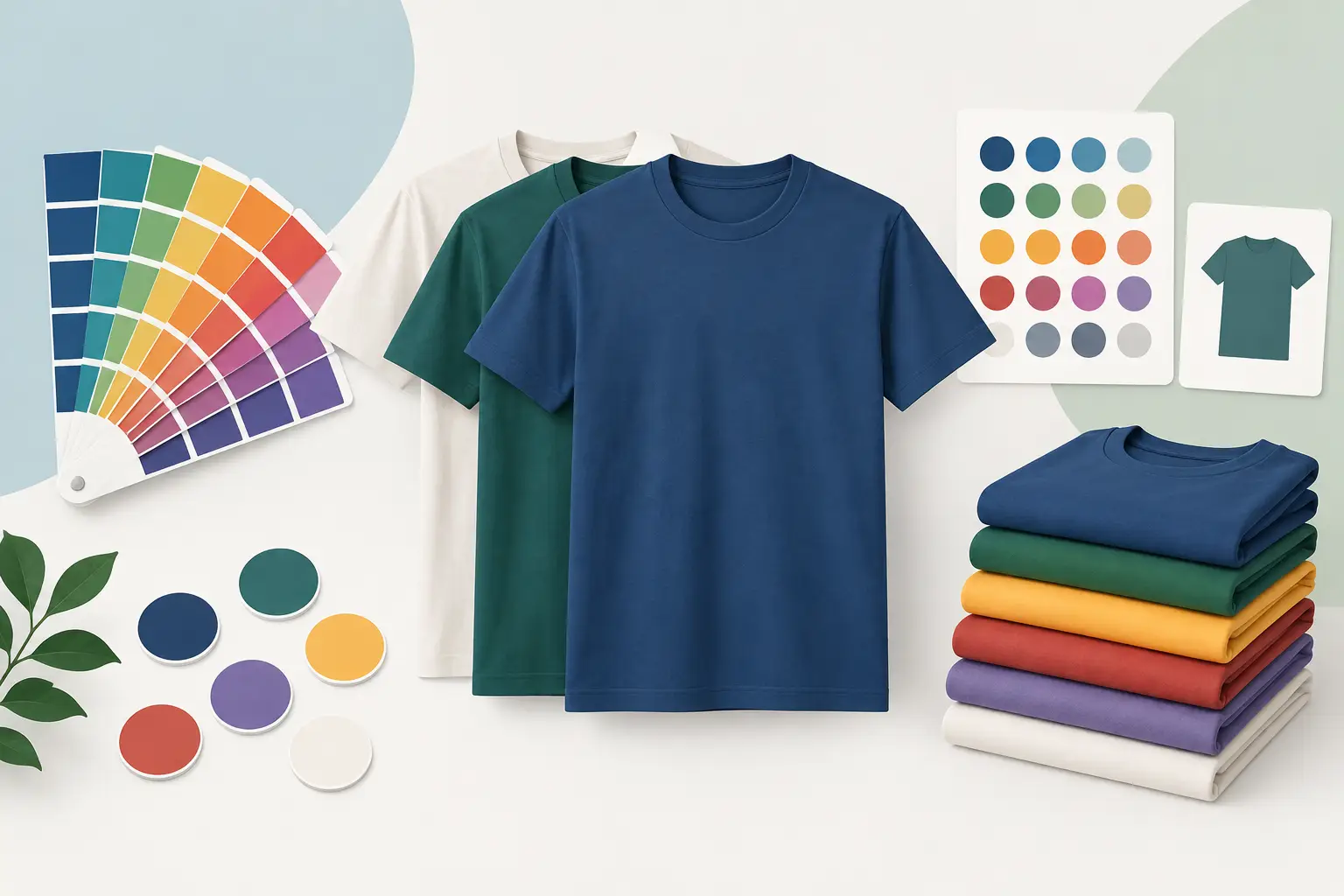
Start with your core brand elements. Your primary and secondary brand colors can guide the base garment, trim, piping, collars, or contrast panels. Your logo should then be applied where it makes sense for visibility and wearability. Left chest embroidery works well for many corporate and service uniforms because it looks professional and lasts. Larger back prints may suit event crews, field teams, or promotional staff where quick identification matters.
It also helps to decide what the uniform should communicate. Do you want employees to look premium and corporate, approachable and active, or rugged and operational? A slim polo in your brand color tells a different story than a utility shirt with reflective details. Both can be branded. Only one may fit the job and customer experience you are trying to create.
There is a trade-off here. The more custom you go with dyed fabric, personalized trims, woven labels, or fully cut-and-sew designs, the more distinctive the result. But custom development can require more planning, clearer approvals, and larger production quantities. For some organizations, a smart semi-custom program is the better balance.
Choose garments that people will actually wear
One of the fastest ways to weaken a uniform program is to ignore comfort. If staff dislike the fit, heat retention, sleeve length, or fabric feel, they will wear it reluctantly and inconsistently. That affects presentation more than most buyers expect.
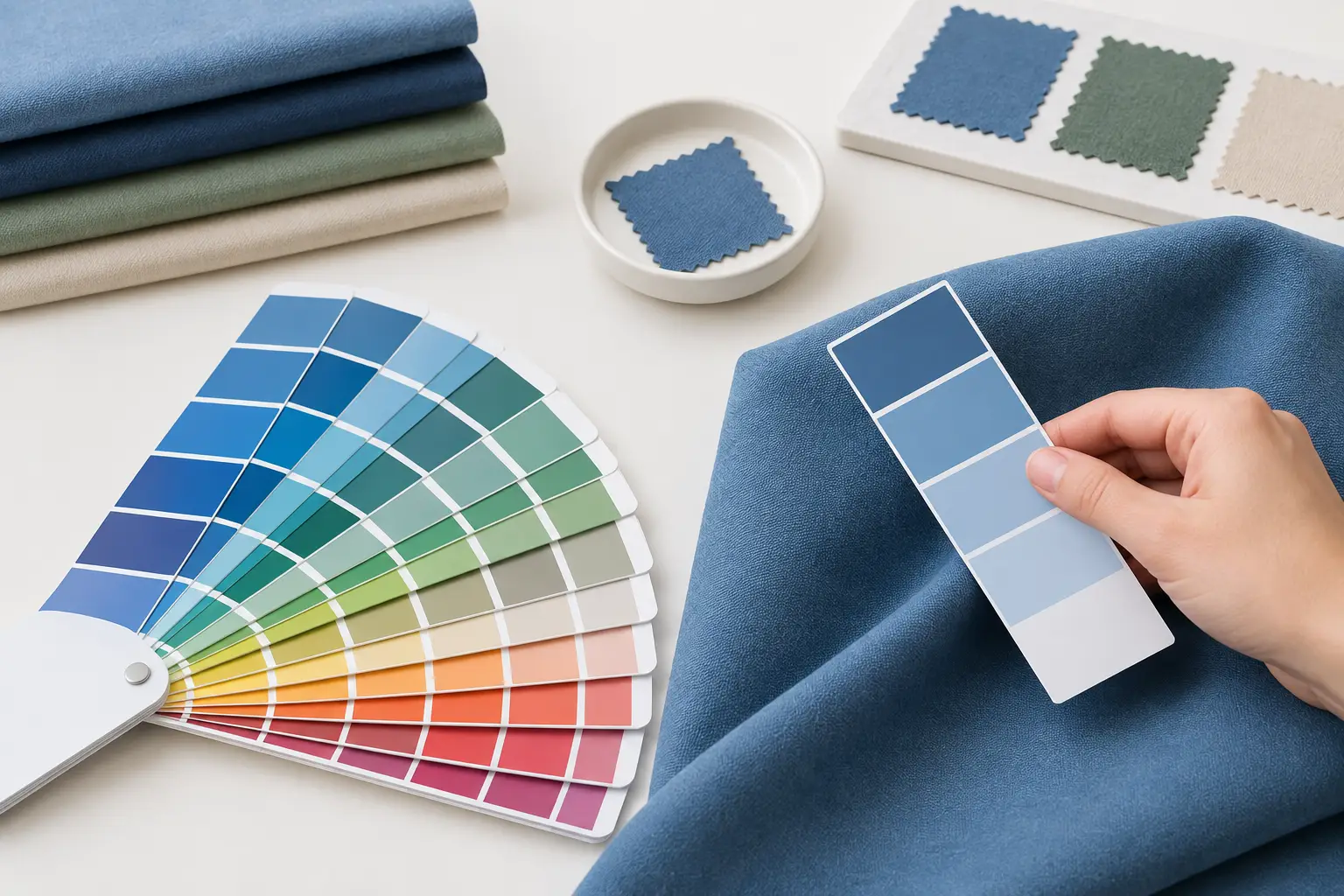
Fabric choice should match the environment. Cotton-rich blends can feel more natural and breathable, while performance polyester blends may offer better moisture management and color retention. For active teams, stretch and quick-dry properties may matter more than softness. For office-facing roles, a smoother fabric with structure may project a cleaner appearance.
Garment type matters just as much. Polos remain a practical choice because they work across retail, corporate casual, hospitality, and events. T-shirts are useful for campaigns, activations, and informal environments. Button-down shirts, jackets, aprons, caps, and workwear layers can complete the program when roles require different levels of visibility or protection.
This is why uniform planning often works best as a coordinated collection rather than a single item. A company may need one look for customer-facing staff, another for back-of-house teams, and seasonal outerwear for teams working across locations. The branding stays consistent, but the garments are built around real use.
Pick the right decoration method early
Your logo is not the design. The production method is what turns that design into a durable uniform.
Embroidery is often the right choice for polos, caps, jackets, and corporate uniforms because it gives a premium, long-lasting finish. Screen printing is a strong option for larger runs where bold graphics and cost efficiency matter. Heat transfer can work well for names, numbering, and certain detailed applications. Sublimation is ideal when you want all-over graphics, bright color, and permanent integration into performance garments. Direct-to-garment printing may suit smaller runs or highly detailed artwork on selected apparel.
Each method has limits. Fine lines may not hold well in embroidery at small sizes. Large printed areas can affect breathability on some fabrics. Sublimation requires compatible garment construction. A logo that looks perfect on screen may need adjustment before production. That is normal. What matters is reviewing artwork against the actual garment, fabric, and decoration method before approval.
Fit, sizing, and inclusivity are part of brand presentation
A uniform program is only as strong as its size range and fit planning. Too many orders are built around estimated size splits rather than verified staff data. That leads to shortages, uncomfortable wear, and expensive reorders.
Collect sizing early and use clear size charts tied to the exact garment. If your team includes a wide range of body types, choose cuts that offer flexibility without looking oversized. Some organizations benefit from offering both men’s and women’s fits. Others prefer universal cuts for easier management. There is no single answer here. It depends on your workforce, your culture, and how formal the look needs to be.
Sampling is worth the time. A wear test with a small group often reveals issues that size charts do not, especially around movement, shrinkage, opacity, and neckline preference. It is far easier to correct those before bulk production than after rollout.
Plan for rollout, reorders, and consistency
Creating the first batch is only half the job. A uniform program needs to be repeatable. Staff turnover, expansion, promotions, and seasonal campaigns all create reorder demand. If the original spec is not documented properly, your next order may come back with color shifts, mismatched fabrics, or logo placement differences.
That is why specification accuracy matters. Your garment color, fabric composition, Pantone references, logo size, thread color, print position, trim details, packaging needs, and size breakdown should all be locked in. This protects brand consistency across future batches and locations.
Lead time should also be handled realistically. Businesses often underestimate the time needed for sampling, artwork approval, material sourcing, production, and delivery. If uniforms are tied to a store opening, event launch, or company-wide refresh, work backward from the deadline and leave room for approvals. Fast turnaround is valuable, but speed should not come at the expense of quality control.
For larger organizations, it can also help to centralize decision-making on the master design while allowing role-based variation. That keeps the brand consistent without forcing every employee into the same garment regardless of job function.
Budget for total value, not just unit price
The cheapest uniform is often the one that needs replacing first. When comparing options, look beyond the base cost per piece. Consider durability, wash performance, decoration lifespan, employee acceptance, and reorder consistency.
A slightly higher-quality polo that keeps its shape and branding after repeated washes may cost less over time than a cheaper version that fades, shrinks, or loses impact after a few months. The same applies to decoration. An inexpensive method is not a good deal if it cracks, peels, or weakens the garment experience.
This is where working with a production partner matters. You need guidance on which customizations add real value and which ones only add cost. Sometimes a standard base garment with strong embroidery is enough. Sometimes a fully customized uniform is the right move because brand visibility and team presentation are central to the business model. Green Cotton supports both paths by helping buyers move from concept to production with clarity around materials, decoration methods, and bulk execution.
Make approval easier before bulk production
Uniform delays usually come from avoidable uncertainty. Too many stakeholders review too late. Artwork is approved without a sample. Fabric expectations are assumed instead of confirmed.
A cleaner process is to review visuals, material options, decoration method, and sizing before bulk sign-off. If possible, approve a pre-production sample or physical prototype. This is not about slowing things down. It is about preventing costly corrections after manufacturing starts.
If you are creating uniforms for multiple departments, document which elements are fixed and which can vary. Your logo, core brand colors, and quality standard should stay consistent. Garment style, sleeve length, and decoration scale may change based on role. That flexibility often gives better results than forcing a one-style-fits-all program.
Good uniforms do more than make a team look organized. They reinforce trust, support daily performance, and give your brand a visible standard people can recognize. Build them with the job in mind, make production decisions early, and treat consistency as part of the design. When the details are right, employees wear the brand with confidence, and customers notice.